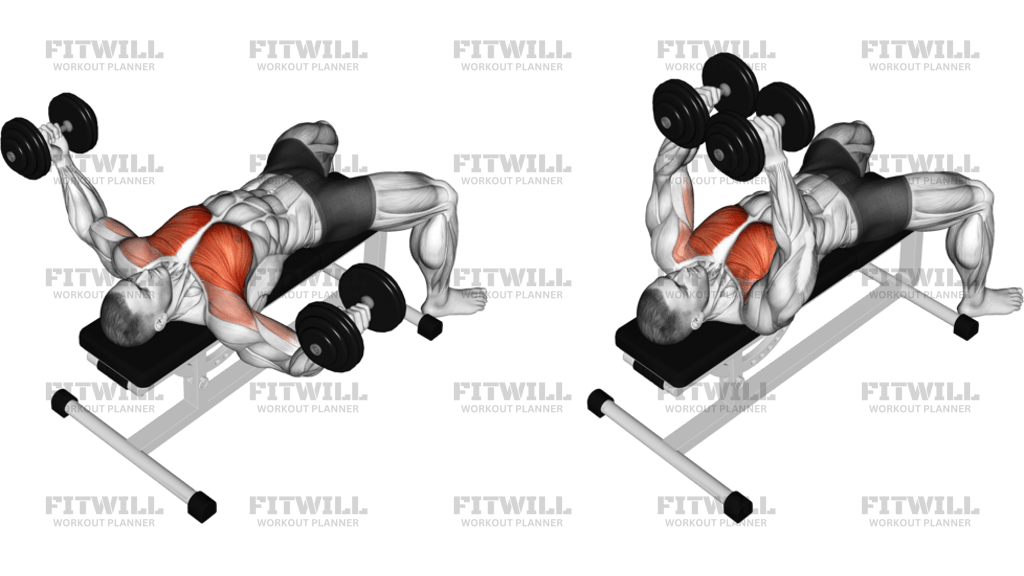
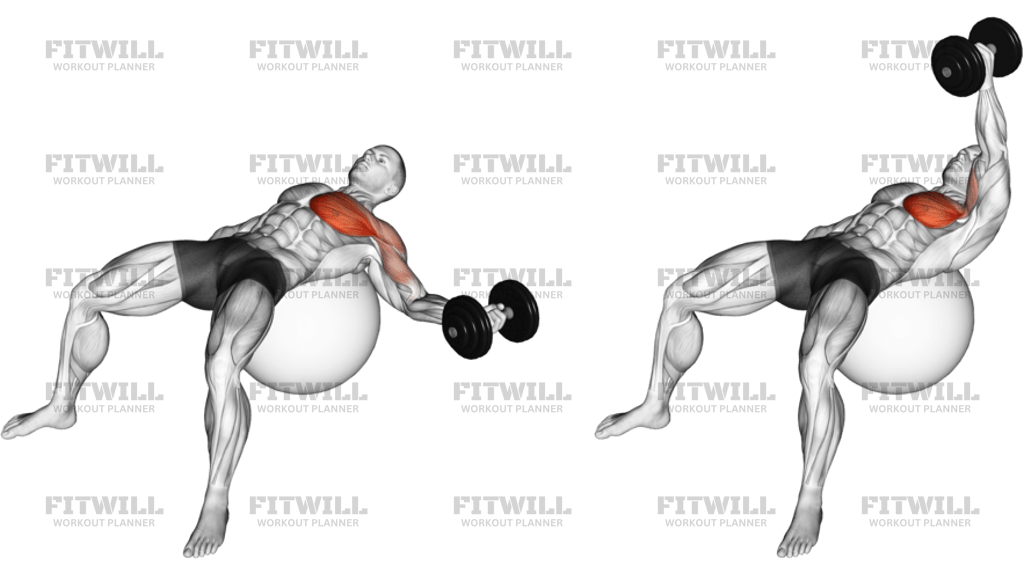
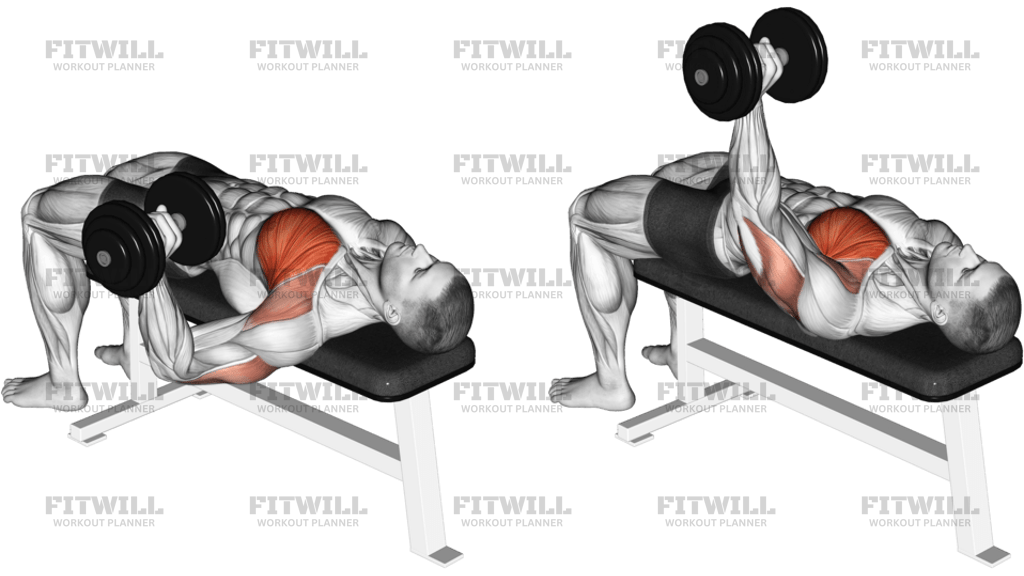
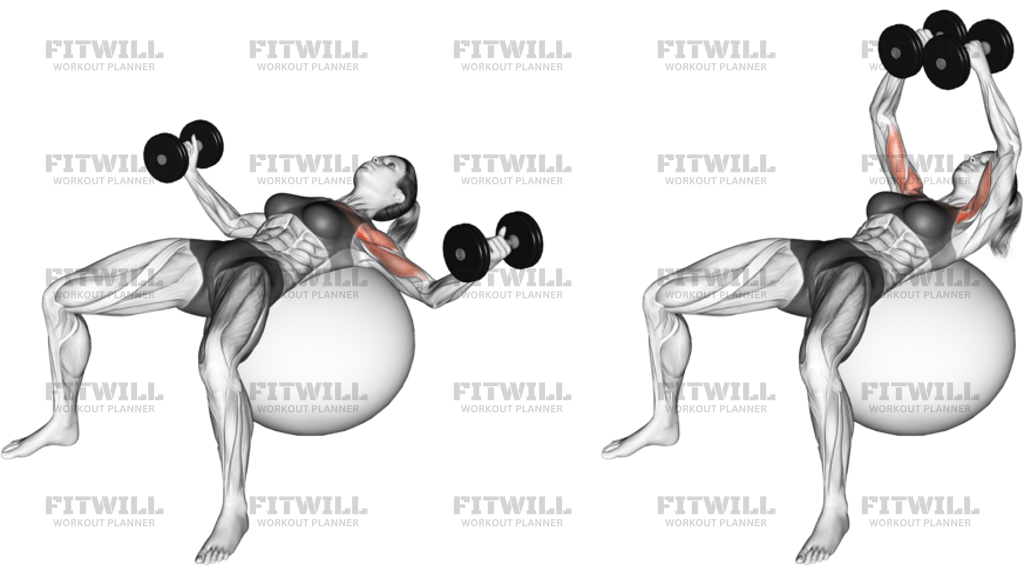
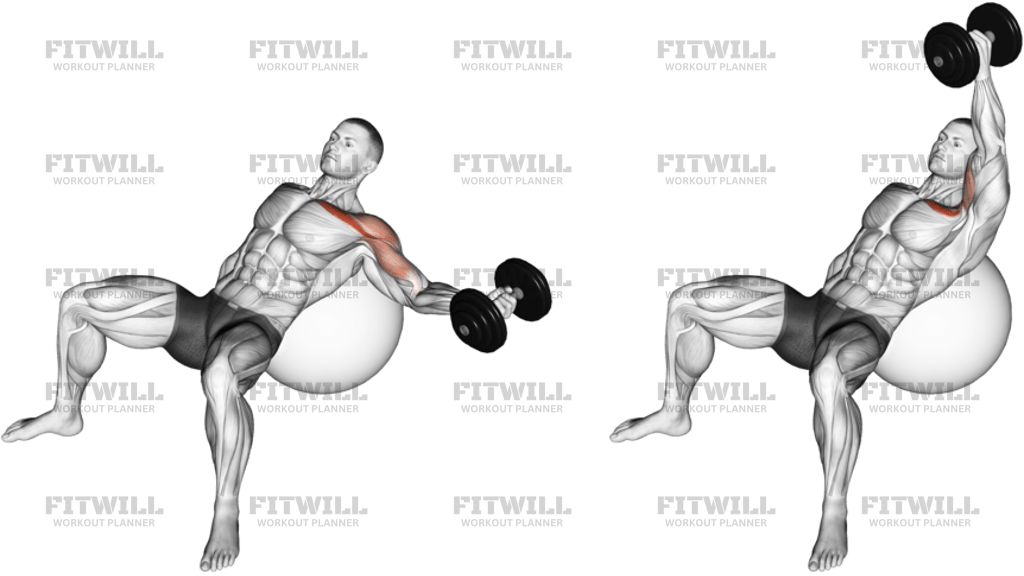
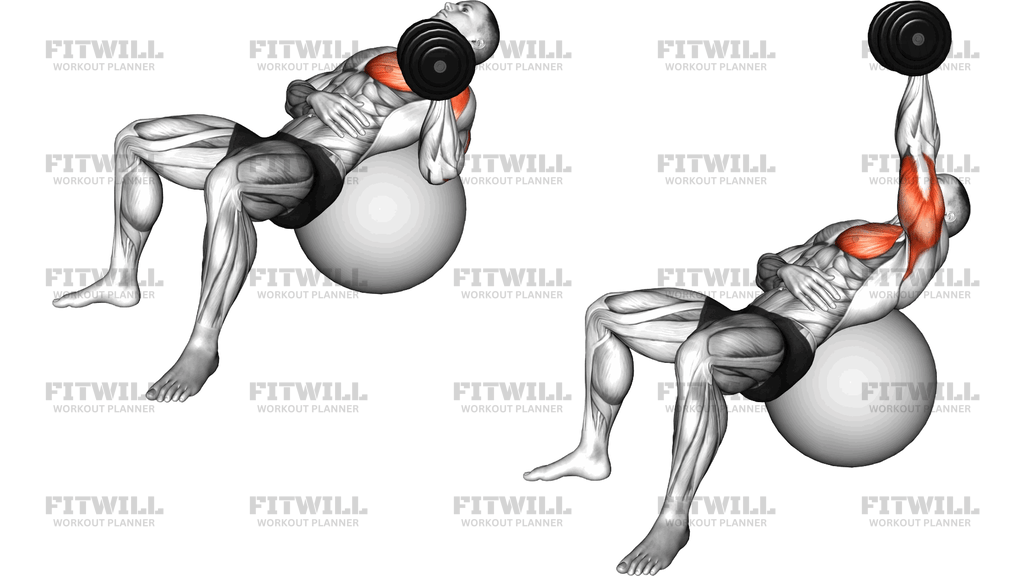
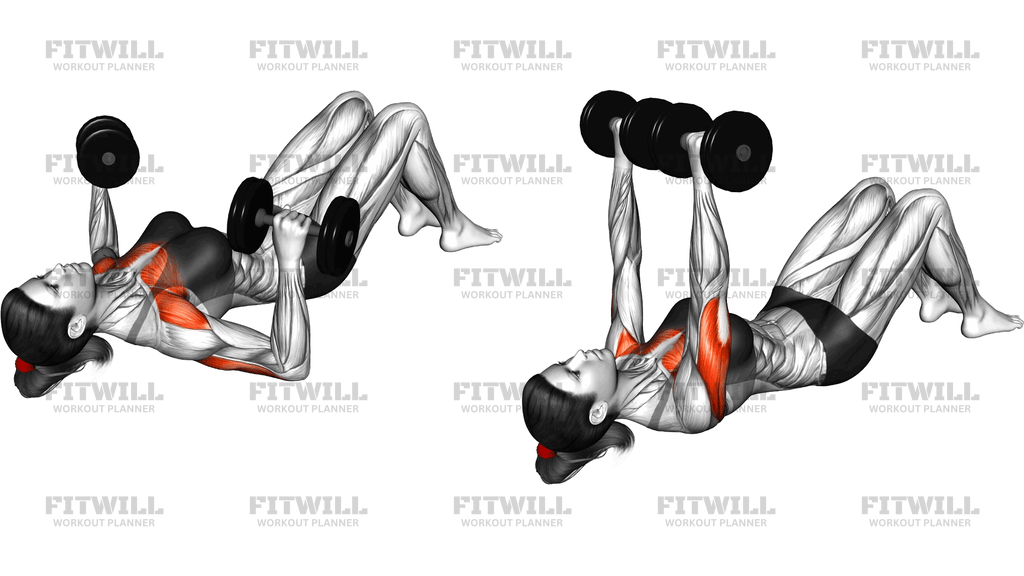
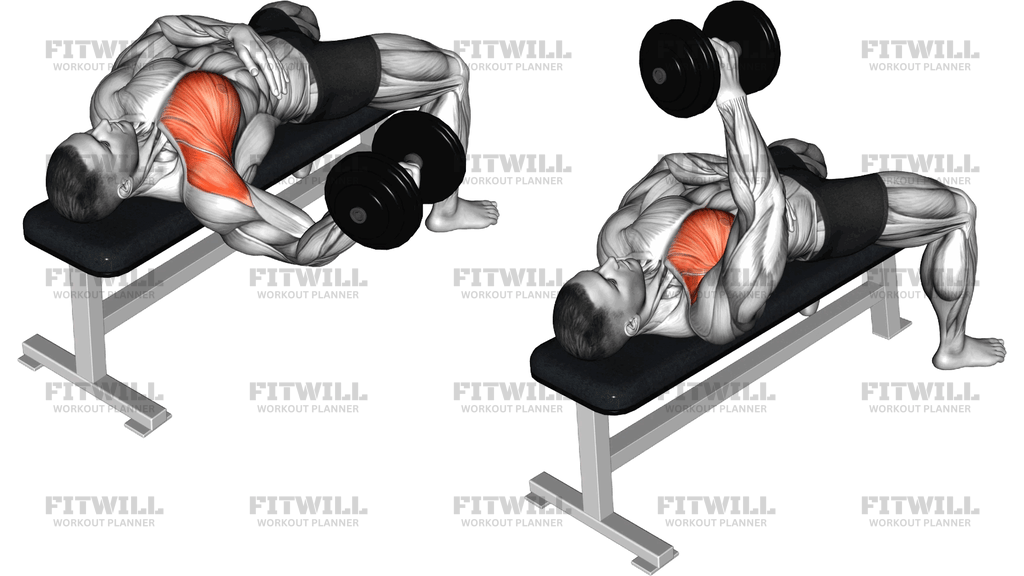
Dumbbell Decline Hammer Press
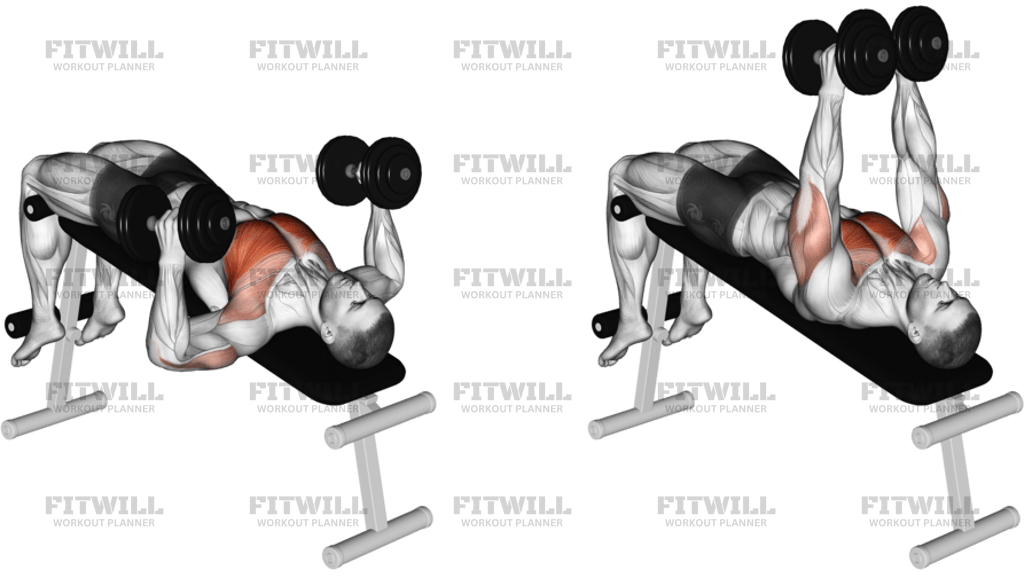
Dumbbell Decline Hammer Press is a neutral-grip pressing exercise performed on a decline bench. The bench angle shifts the press path slightly lower across the chest than a flat press, while the palms-facing-in grip usually feels more natural at the shoulders and keeps the elbows tucked in a stronger line. It is a direct chest press, but the triceps, front delts, and upper-back stabilizers all work hard to keep the dumbbells moving together.
The decline setup matters because it changes where the load sits at the bottom of the rep and how the shoulders track on the way up. With the torso angled downward, the dumbbells start near the outer lower chest and travel back to a stacked position above the shoulder line. That makes the exercise useful for lifters who want a lower-chest emphasis without the shoulder flare that often shows up in wider-grip pressing.
A good rep starts with the shoulders set down and back on the bench, feet secured, and wrists lined up over the elbows. From there, press the dumbbells in a smooth arc until the arms are straight but not jammed out. The dumbbells should stay level with one another, and the elbows should finish under the wrists rather than drifting behind the torso. On the way down, lower until you reach a comfortable stretch across the chest without losing position or letting the shoulders roll forward.
This movement is best used for controlled strength work, hypertrophy sets, or as a pressing variation when you want neutral wrist and elbow positioning. It can also be a useful alternative for lifters who dislike a straight bar path or feel better pressing with dumbbells. The exercise should feel like the chest is driving the press while the rest of the upper body stays tight enough to keep the bench position stable.
Treat shoulder comfort and control as the main quality checks. If the dumbbells separate, bounce off the bottom, or force the shoulders to shrug, the load is too heavy or the range is too deep for the current set. Clean reps on this exercise are deliberate, repeatable, and smooth from the first rep to the last.
[ Workout Log & Planner ]
Put your next workout in Fitwill
Keep your plan and training log ready when you are.


Instructions
- Set the decline bench so your hips and upper back are supported and hook your legs under the pads if the bench has them.
- Lie back with a dumbbell in each hand, palms facing each other and the weights parked just outside the lower chest.
- Plant your feet firmly, draw the shoulder blades down onto the bench, and keep the rib cage from flaring.
- Stack the wrists over the elbows before the first press so both forearms are vertical.
- Press the dumbbells up and slightly inward until they finish above the shoulders with straight but not locked elbows.
- Bring the dumbbells up together at the same speed and keep the handles level with each other.
- Lower under control along the same path until the elbows reach a comfortable stretch below chest level.
- Stop the descent before the shoulders roll forward or the upper arms drift too far behind the torso.
- Exhale as you press and reset your shoulder position before each repetition.
Tips & Tricks
- Keep the palms facing each other the whole set; turning the dumbbells toward a pronated grip changes the exercise and often stresses the shoulders more.
- Let the elbows travel slightly below the bench line only if you can keep the shoulders pinned back and down.
- Aim the press toward a point above the upper chest and shoulder line, not straight toward your face.
- If the dumbbells start wobbling apart, reduce the load before you chase more reps.
- Use a smooth descent; dropping the weights turns the bottom position into a bounce and usually steals tension from the chest.
- Keep your feet anchored so the bench angle does not pull you out of position during the press.
- A slight pause near the bottom can help remove momentum and make each rep more honest.
- If your lower back arches hard on the decline, reset your ribs and shorten the range slightly.
Frequently Asked Questions
What muscles does Dumbbell Decline Hammer Press work?
It mainly targets the chest, especially the lower and mid portions, with assistance from the triceps and front delts. The upper back and core stabilize the body on the decline bench.
Why use a decline bench for this press?
The decline angle shifts the press path lower across the chest and often feels easier on the shoulders than a flatter, wider press. It also makes it easier to keep the elbows tucked and the wrists stacked.
Should my palms face each other the whole time?
Yes. The neutral grip is part of the hammer-press setup and helps keep the elbows in a natural line. If the grip rotates or the dumbbells twist, the rep usually gets less stable.
How low should I lower the dumbbells?
Lower until you feel a controlled chest stretch and can still keep the shoulders set on the bench. If the elbows drop too far and the shoulders roll forward, shorten the range.
What is the most common mistake in this exercise?
Most people use too much load and let the dumbbells drift apart, bounce at the bottom, or lose shoulder position. That turns a controlled press into a loose heave.
Is Dumbbell Decline Hammer Press good for beginners?
Yes, if the decline bench feels stable and the dumbbells are light enough to control. Beginners should prioritize setup and range before adding load.
What should I do if my shoulders feel pinched?
Stop the set, shorten the depth, and keep the shoulder blades pressed into the bench. If pinching continues, switch to a flatter or machine-based press.
How do I progress Dumbbell Decline Hammer Press?
Progress by adding a rep or a small amount of weight only after every rep looks the same. You can also slow the lowering phase or add a brief pause at the bottom.