Dumbbell Incline Curl
Dumbbell Incline Curl is a seated dumbbell curl variation performed with the back supported on an incline bench so the upper arms hang slightly behind the torso. That starting position puts the biceps under a longer stretch than a standing curl, which is why the exercise is often used to build arm size with strict elbow flexion instead of body English. The image shows the lifter reclined on the bench, feet planted, shoulders quiet, and the dumbbells hanging low beside the body before the curl begins.
The main target is the biceps brachii, with extra work for the brachialis and brachioradialis as the elbow bends and the forearm stays locked to the dumbbell. The forearm flexors help stabilize the grip, while the rear shoulder and upper back mostly keep the arm position steady. Because the upper arm starts behind the body, Dumbbell Incline Curl tends to feel more demanding in the stretched bottom half than a standard curl.
Set the bench to a moderate incline, usually around 30 to 60 degrees, and sit all the way back so the head, upper back, and hips are supported. Plant both feet firmly, let the arms hang straight down with a slight line behind the torso, and keep the wrists stacked over the forearms. The setup matters because if the shoulders drift forward or the elbows slide in front of the ribs, the movement becomes a front-delt swing instead of a clean curl.
Each rep should start from a dead-hanging but controlled bottom position. Curl the dumbbells by bending only at the elbows, then keep the upper arms quiet as the weights travel toward the shoulders. Pause briefly near the top without shrugging or rolling the shoulders forward, then lower the dumbbells slowly until the elbows are almost straight and the biceps are fully lengthened again. Breathing should stay simple: exhale during the curl, inhale on the way down.
Dumbbell Incline Curl is useful when you want strict arm work after pressing or as part of a dedicated biceps session. It rewards moderate loads, smooth tempo, and consistent positioning far more than heavy cheating reps. If the bottom stretch feels sharp in the front of the shoulder, reduce the incline, shorten the range slightly, or choose a lighter load so the biceps do the work without joint irritation.
Fitwill
Log Workouts, Track Progress & Build Strength.
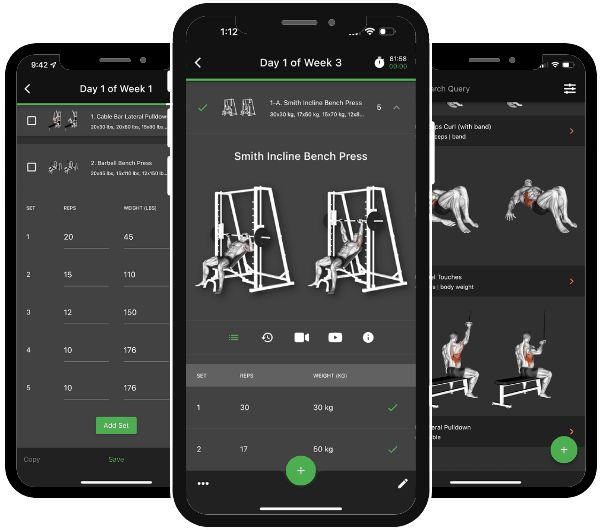
Achieve more with Fitwill: explore over 5000 exercises with images and videos, access built-in and custom workouts, perfect for both gym and home sessions, and see real results.
Start your journey. Download today!


Instructions
- Set an incline bench to a moderate angle, then sit back with your head, upper back, and hips supported.
- Hold a dumbbell in each hand and let both arms hang down so the elbows sit slightly behind the torso.
- Plant both feet flat on the floor and keep your chest open without flaring the ribs.
- Stack the wrists over the forearms and keep the shoulders down rather than reaching them forward.
- Curl the dumbbells up by bending the elbows while keeping the upper arms nearly still.
- Bring the weights toward the shoulders without letting the elbows drift in front of the body.
- Squeeze briefly near the top, then lower the dumbbells slowly until the elbows are almost straight again.
- Reset the shoulders at the bottom before the next rep and stop the set if you need to swing or arch.
Tips & Tricks
- A lower incline usually keeps the shoulders happier and still gives the biceps that stretched start position.
- If the wrists bend back at the bottom, the dumbbells are too heavy for a strict incline curl.
- Keep the elbows slightly behind the torso for the whole set so the front delts do not take over.
- Lower the dumbbells for at least two seconds to keep the tension on the biceps instead of bouncing off the bottom.
- Use a soft elbow lockout at the bottom if your elbows feel irritated by full extension.
- Do not let the shoulders roll forward near the top; stop the curl when the biceps are fully shortened.
- Alternating arms can help you keep the torso still if both dumbbells at once makes you sway.
- Choose a load that feels honest in the stretched bottom half, not just one you can muscle up.
Frequently Asked Questions
What muscles does Dumbbell Incline Curl work?
Dumbbell Incline Curl mainly works the biceps brachii, with help from the brachialis, brachioradialis, and forearm flexors. The shoulders and upper back mostly stabilize the arm position.
Is Dumbbell Incline Curl good for beginners?
Yes, as long as you start with light dumbbells and a moderate incline. Beginners should keep the elbows fixed and avoid chasing a heavy stretch before they own the groove.
Why use an incline bench for Dumbbell Incline Curl?
The incline bench places the upper arm behind the torso, which loads the biceps in a stretched position at the bottom. That makes the curl feel stricter and often more challenging than a standing curl.
How do I keep my elbows from drifting forward in Dumbbell Incline Curl?
Set your shoulders down and back on the bench, then curl by bending only at the elbows. If the elbows keep moving forward, reduce the dumbbell weight and keep the upper arm pinned in place.
Can I do Dumbbell Incline Curl one arm at a time?
Yes. Alternating arms can make it easier to keep the torso still and pay attention to the bottom stretch on each side.
What if Dumbbell Incline Curl bothers the front of my shoulders?
Lower the bench angle, shorten the bottom range slightly, or switch to a less stretched curl variation. Front-shoulder pinching usually means the incline is too aggressive for your current mobility.
How heavy should I go on Dumbbell Incline Curl?
Use a load that lets you lower the dumbbells slowly, keep the wrists stacked, and avoid any torso swing. If you cannot control the stretched bottom position, the weight is too heavy.
Should I fully straighten my arms in Dumbbell Incline Curl?
Lower almost to straight, but keep a soft bend if your elbows or biceps tendons dislike full lockout. The goal is a controlled stretch, not forcing the joint into discomfort.