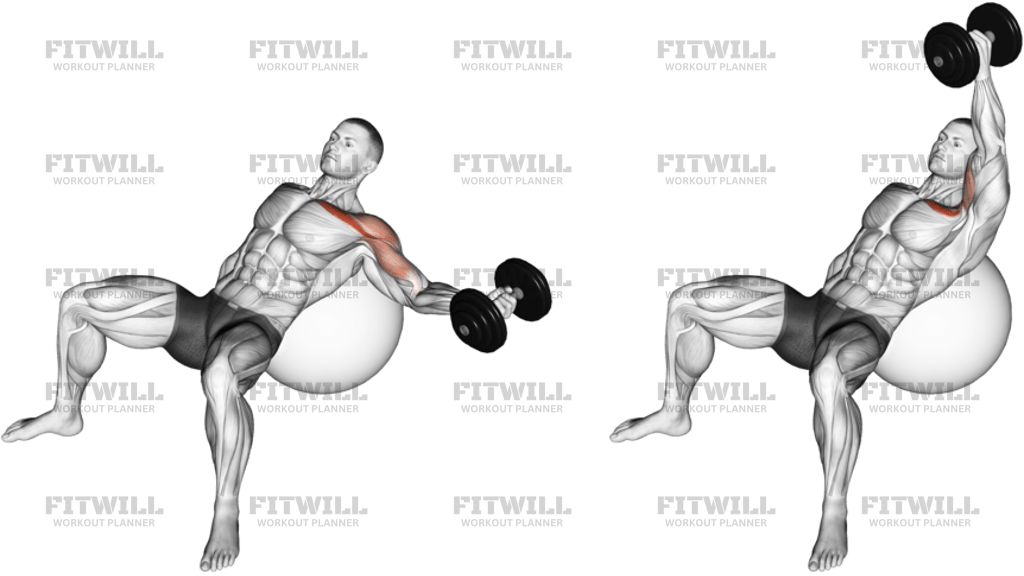
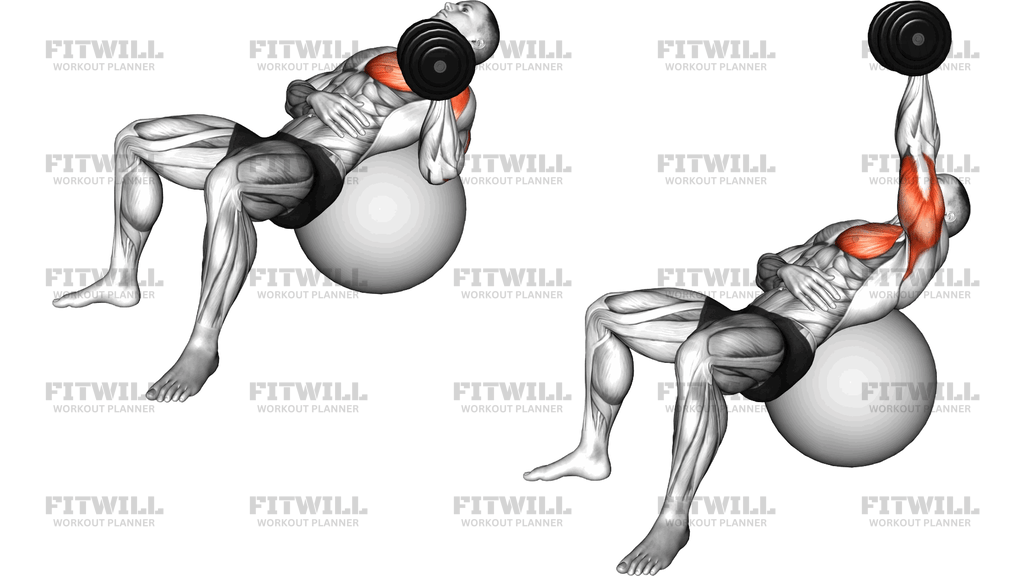
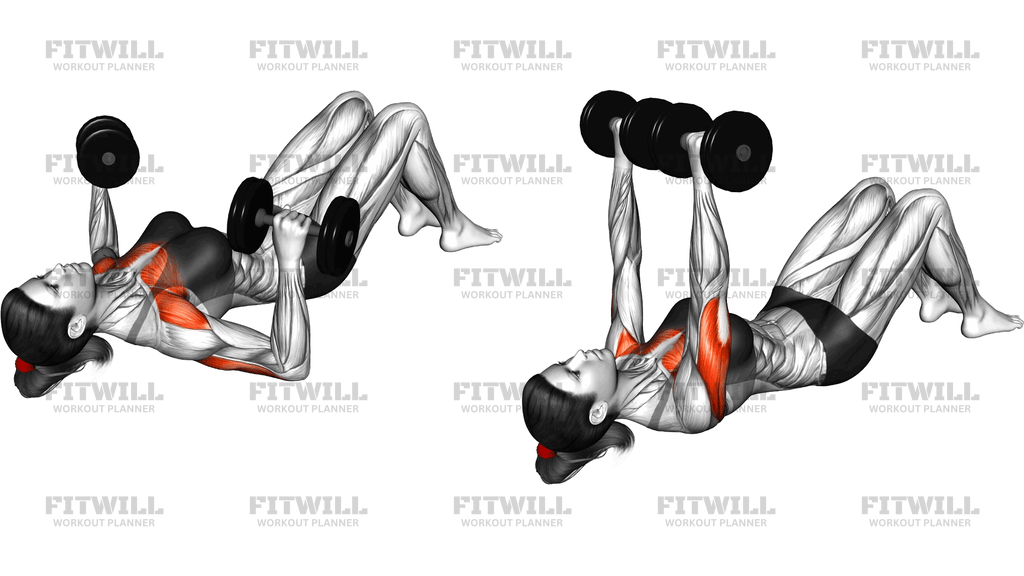
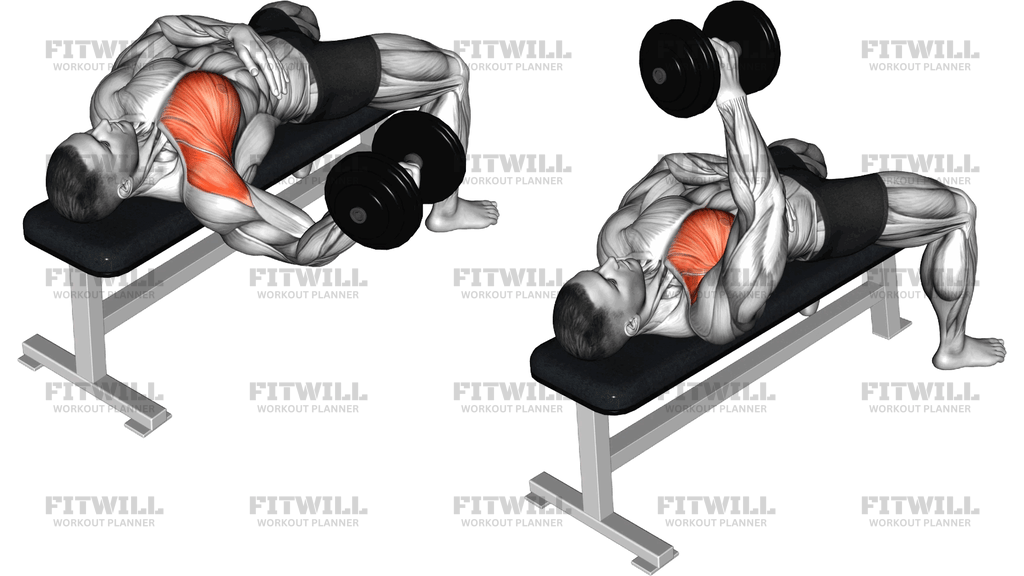
Dumbbell Incline Fly
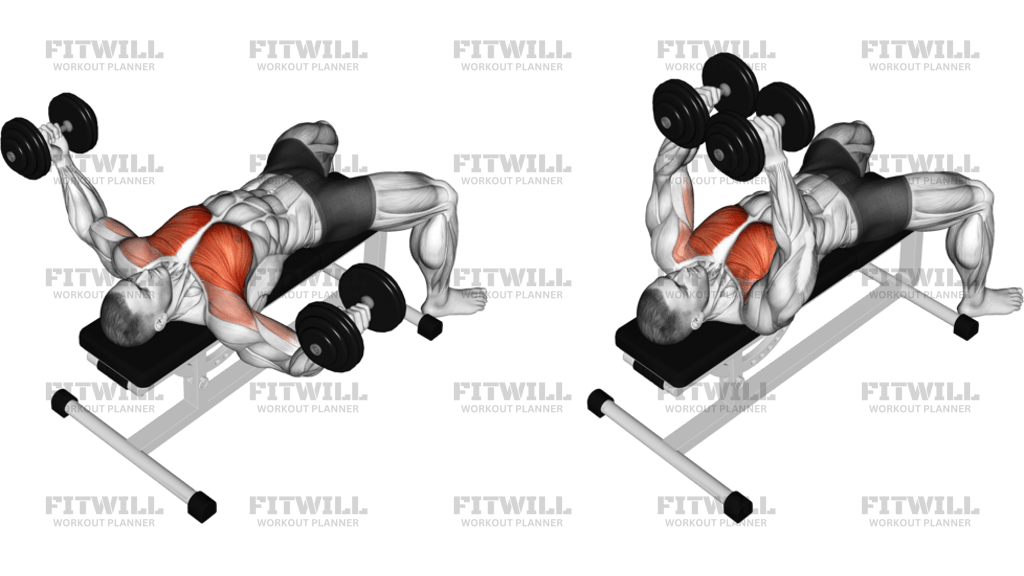
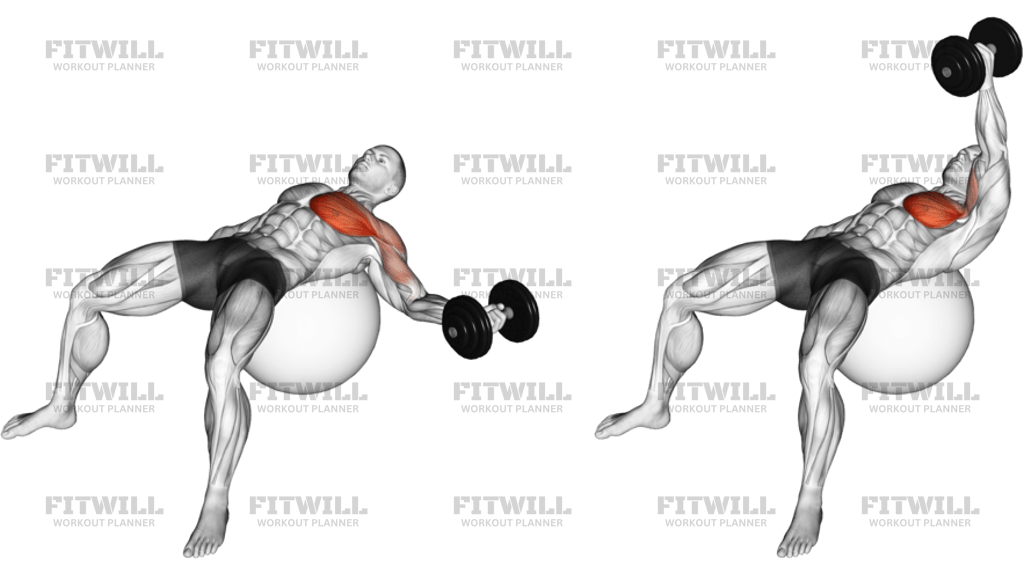
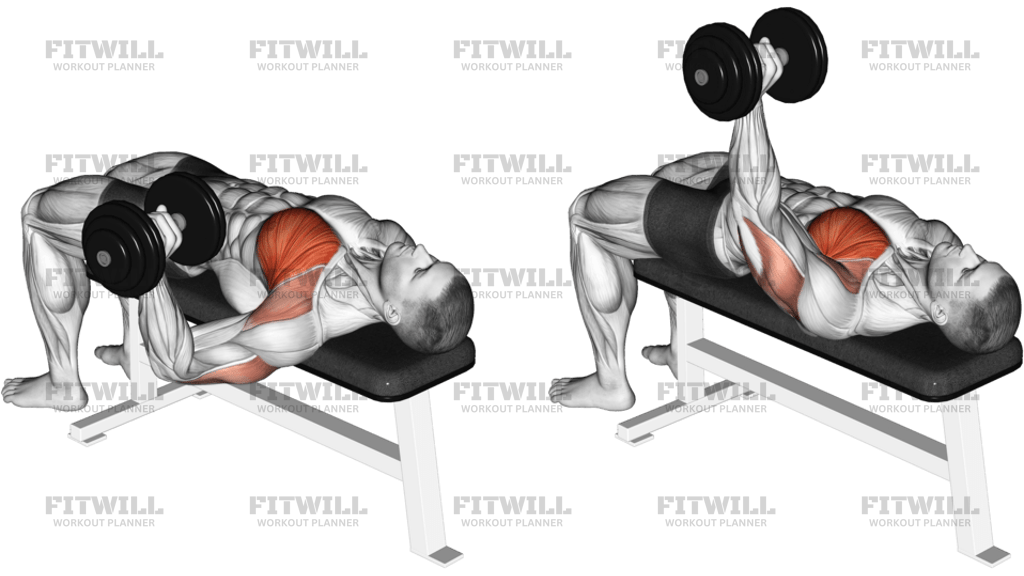
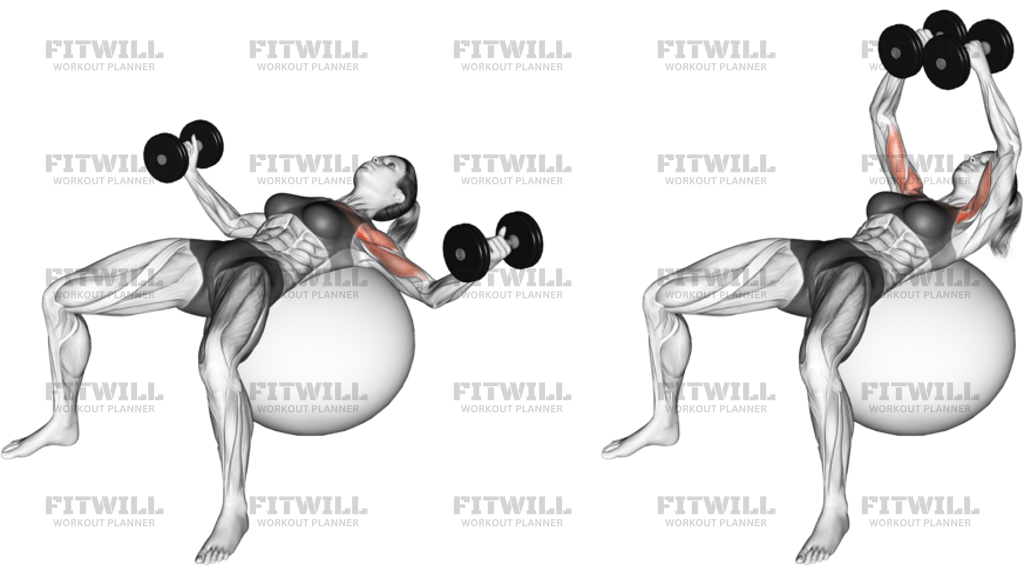
Dumbbell Incline Fly is a chest isolation exercise done on an incline bench with dumbbells moving in a wide arc. The inclined torso shifts the line of pull toward the upper chest while the front delts and upper-arm stabilizers help control the shoulder position. The exercise is most useful when you want a controlled chest stretch and a smooth squeezing action, not when you want to move the heaviest possible dumbbells.
The setup matters because the bench angle and shoulder position decide whether the rep stays in the chest or drifts into the shoulders. A moderate incline, usually around 30 to 45 degrees, lets the arms open without dumping the load into the front of the shoulder. Planting the feet, keeping the upper back anchored to the pad, and holding a slight bend in the elbows all help keep the dumbbells on a consistent path.
Each repetition should start with the dumbbells stacked above the upper chest and finish by lowering them in a wide, controlled arc until the chest feels open. The elbows stay softly bent from start to finish. From the bottom position, sweep the dumbbells back together over the upper chest using the same arc, stopping before the weights crash into each other. The rep should feel like you are hugging the chest closed, not pressing the dumbbells upward.
This movement is usually best as an accessory after pressing work or as a lighter chest-builder when you want to emphasize stretch and contraction. It can be a good option for lifters who already press well but need more direct chest work, provided the shoulders tolerate the fly pattern and the load stays modest.
Keep the range of motion honest but not aggressive. If the upper arm drops too far below the torso, the shoulder can lose its stable position and the stretch becomes more joint-driven than muscle-driven. Smooth tempo, a stable bench setup, and a controlled finish are what make this exercise effective and safe.
[ Workout Log & Planner ]
Put your next workout in Fitwill
Keep your plan and training log ready when you are.


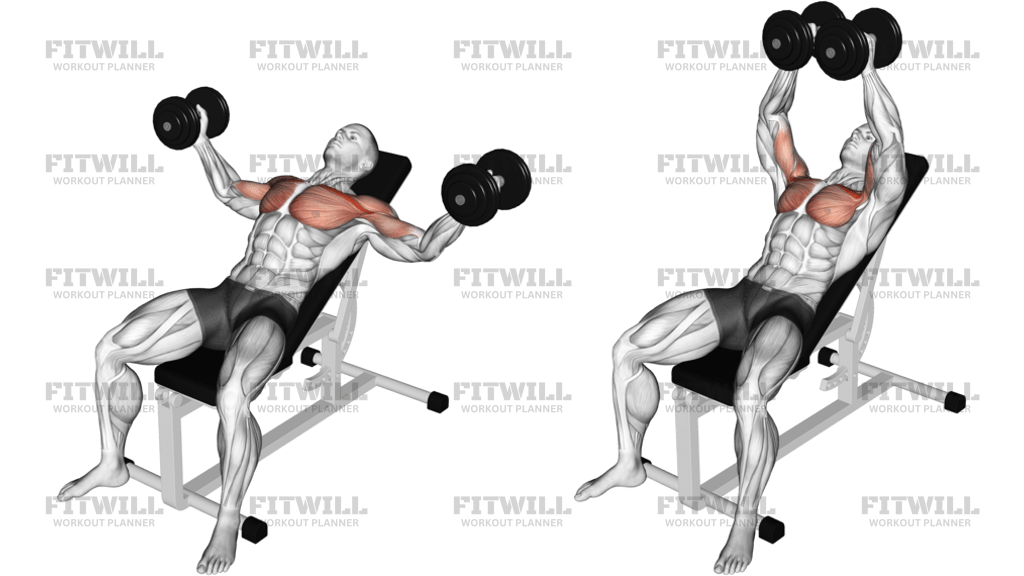
Instructions
- Set an incline bench to a moderate angle and lie back with your head, upper back, and hips supported.
- Plant both feet firmly on the floor and keep your rib cage from flaring up.
- Hold the dumbbells above your upper chest with your palms facing in and a soft bend in both elbows.
- Pin your shoulder blades to the bench so your chest stays lifted and your shoulders stay stable.
- Lower both dumbbells out to the sides in a wide arc, keeping the elbow bend almost unchanged.
- Keep the wrists stacked over the elbows and let the arms open only as far as the chest can stay in control.
- Stop the descent when you feel a strong chest stretch or when the shoulders start to take over.
- Exhale and sweep the dumbbells back together over the upper chest using the same arc.
- Finish the rep with the weights close together above the chest, then repeat without bouncing or losing the bench position.
Tips & Tricks
- Use a much lighter load than you would for an incline press; the long lever arm makes this exercise feel heavy fast.
- Think about opening the chest and then hugging the dumbbells back together, not pressing them overhead.
- Keep the elbow bend fixed so the movement stays a fly instead of becoming a press.
- A 30 to 45 degree bench angle usually keeps the upper chest involved without making the front delts do all the work.
- Lower the dumbbells slowly so the bottom position is a stretch, not a drop.
- If the weights drift behind the line of the torso, shorten the range before the shoulders start to pinch.
- Keep both dumbbells moving together at the same speed so one side does not take over.
- Do not let the weights crash together at the top; stop just short and squeeze the chest.
- If your wrists bend back hard, lower the load and keep the handles stacked over the forearms.
Frequently Asked Questions
What muscles does Dumbbell Incline Fly work?
It mainly trains the upper chest and overall pectorals, with the front delts and upper-arm stabilizers helping to control the dumbbells. The core and upper back stay tight so the torso does not shift on the bench.
How is Dumbbell Incline Fly different from an incline press?
The fly keeps a fixed elbow bend and moves the arms in a wide arc, so the chest does more of the adduction work. An incline press bends and straightens the elbows much more and shifts the load toward the triceps.
How steep should the incline bench be?
A moderate incline around 30 to 45 degrees is usually best. Too steep and the exercise starts to feel like a shoulder movement; too flat and it loses the upper-chest emphasis.
How low should the dumbbells go?
Lower them only until you feel a strong chest stretch without the shoulders rolling forward or pinching. The bottom position should feel loaded, not forced.
Do the dumbbells have to touch at the top?
No. Bring them close together over the upper chest, then stop before they bang or rest on each other. Keeping tension through the top usually gives a better contraction.
Is this a good exercise for beginners?
Yes, if the load stays light and the range is controlled. Beginners should learn the bench setup and elbow position first, because sloppy positioning makes the fly feel unstable quickly.
What should I do if my shoulders feel it more than my chest?
Reduce the bench angle, shorten the bottom range, and lower the dumbbells more slowly. If the shoulder still dominates, switch to a machine or cable fly where the path is easier to control.
What is the most common mistake in this movement?
Using too much weight and turning the fly into a partial press or a shoulder-dominant stretch. A fixed elbow bend and controlled arc are what keep the exercise on target.