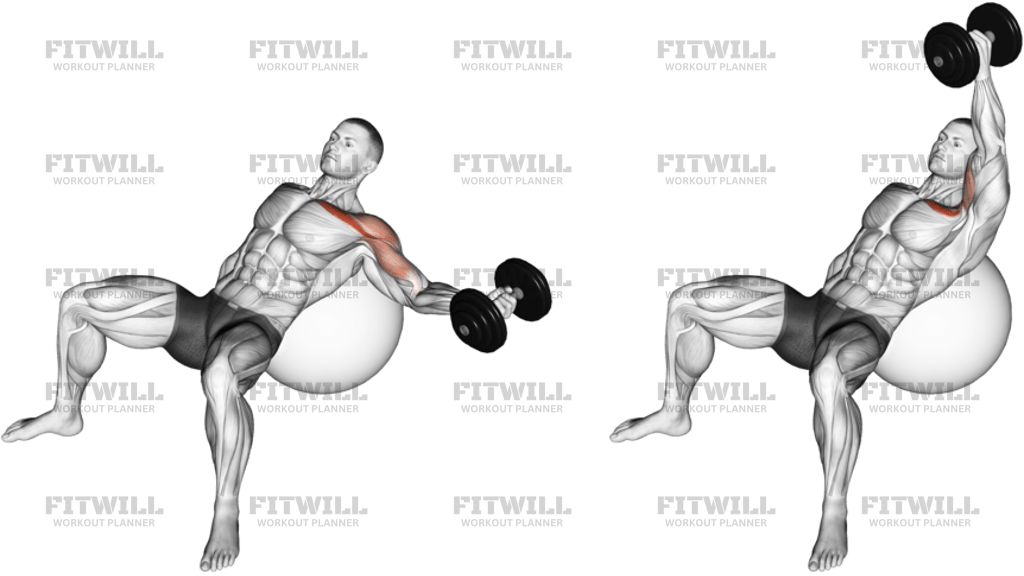
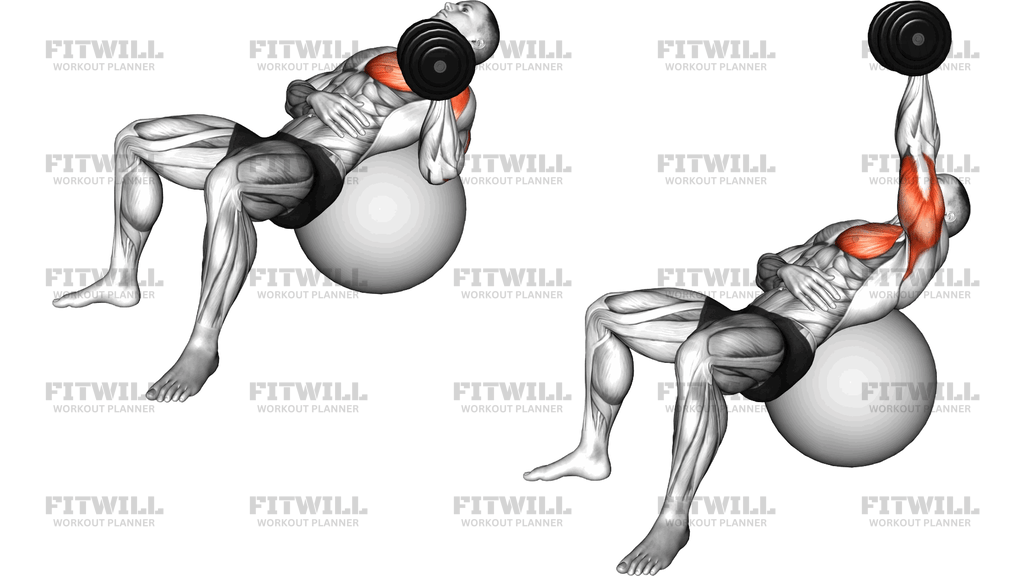
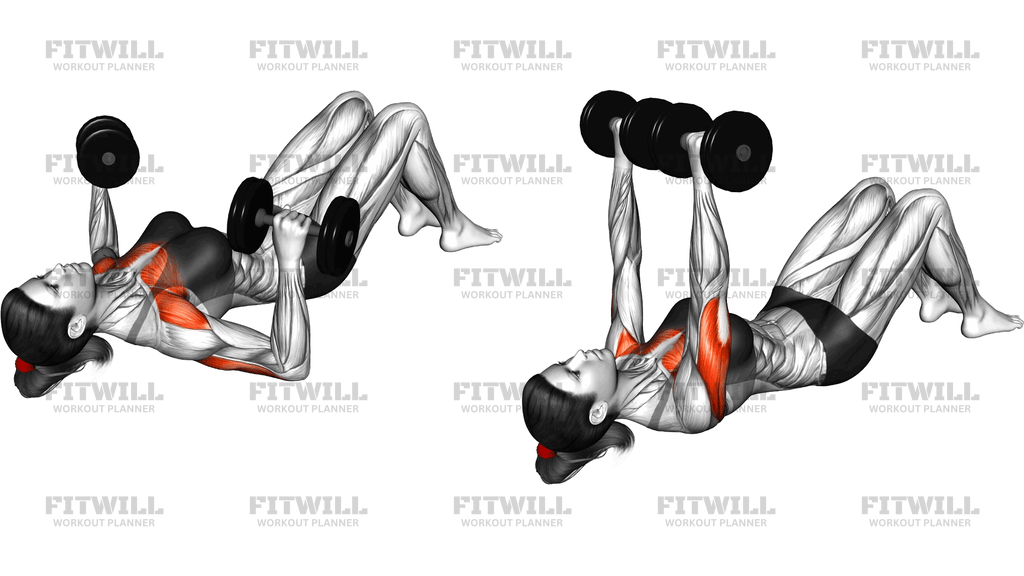
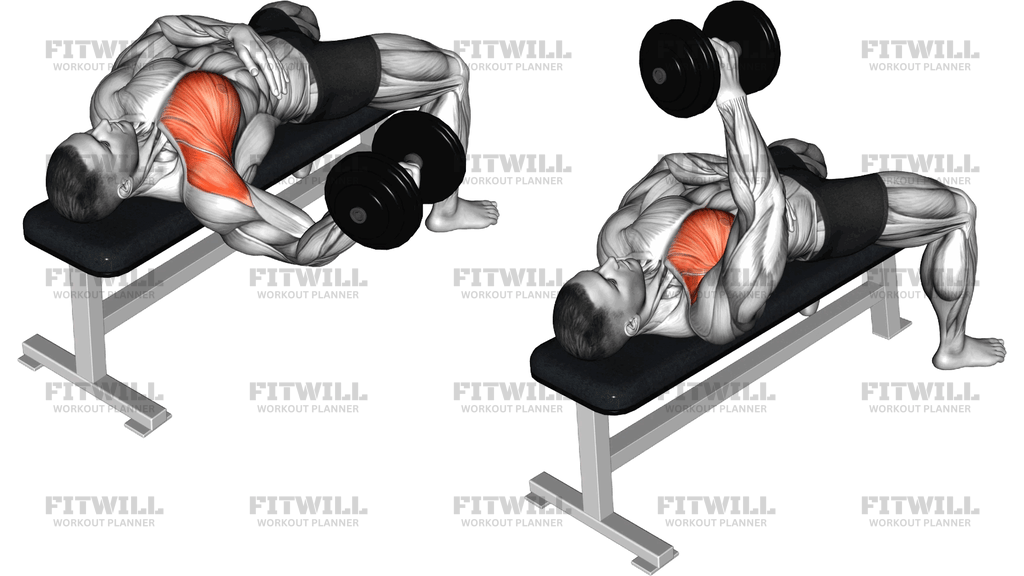
Dumbbell Incline Shoulder Raise
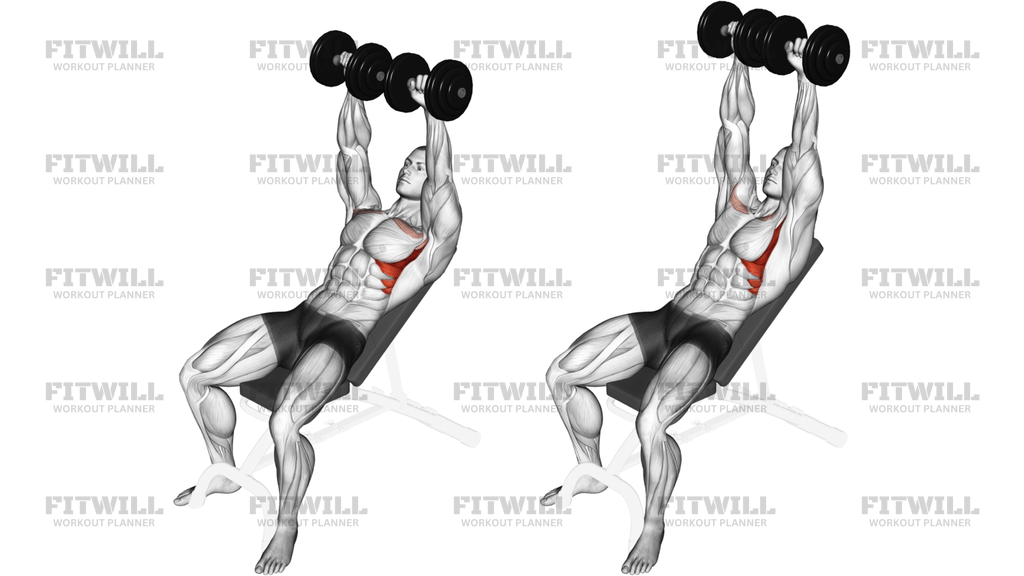
Dumbbell Incline Shoulder Raise is a bench-supported dumbbell raise that keeps the torso fixed on an incline while the shoulders do the work. The incline removes the leg drive, torso sway, and momentum that often creep into standing raises, so the path is easier to repeat and the target muscles have to handle more of the load themselves. Depending on the bench angle and arm path, the movement can bias the front delts, side delts, upper chest, and upper traps while the mid-back and core keep the rib cage and shoulders organized.
The setup matters more here than the load. A steep but stable incline gives you support without turning the rep into a press, and the dumbbells should start in a position where the wrists, elbows, and shoulders can stay stacked as the arms move. If the bench is too upright, the exercise starts to look like a dumbbell press. If it is too flat, the shoulder line loses the support that makes the movement strict.
Each repetition should follow the same clean arc. Start from a dead-hang position with the shoulders set down and back enough to stay controlled, then raise the dumbbells in a smooth path until the hands reach shoulder level or slightly above. The movement should feel deliberate, not explosive. At the top, the shoulders should stay away from the ears and the chest should not flare to steal the rep.
This exercise works well as accessory volume on pressing days, as a lighter shoulder builder after heavier compounds, or as a strict isolation movement when you want to train the deltoids without standing momentum. It is also useful when you want a repeatable path for higher-rep work, because the bench support makes cheating easier to spot and easier to remove.
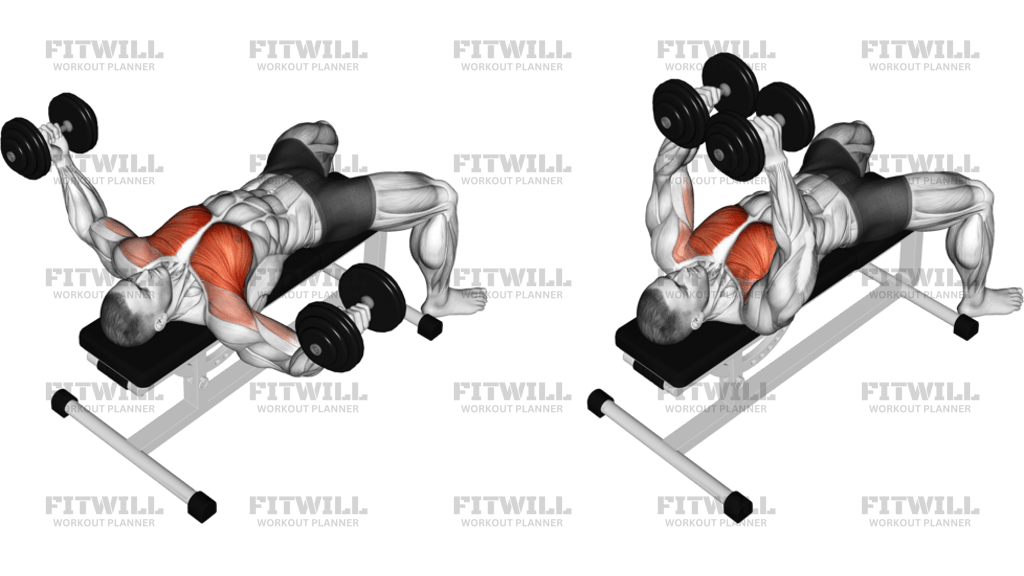
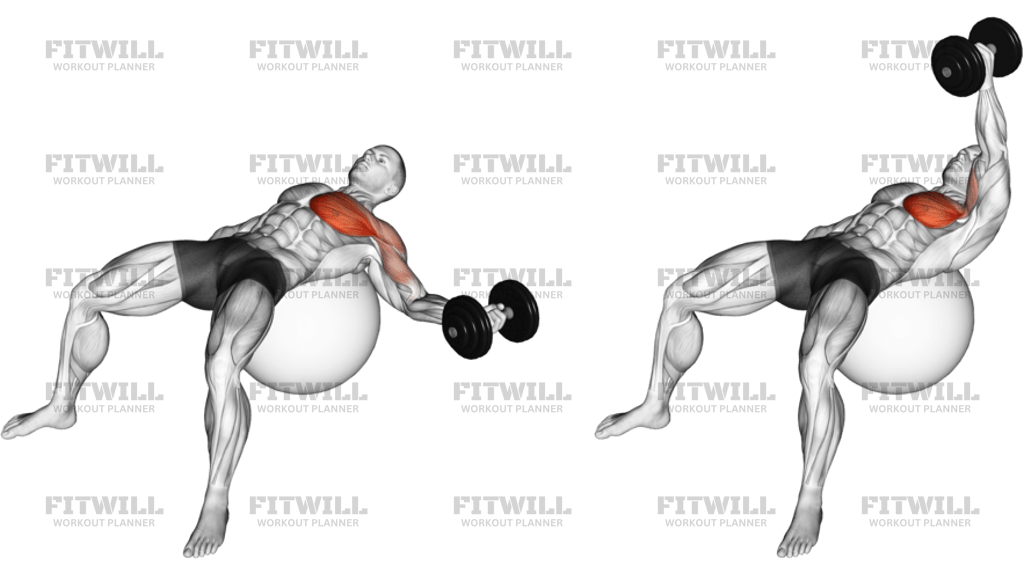
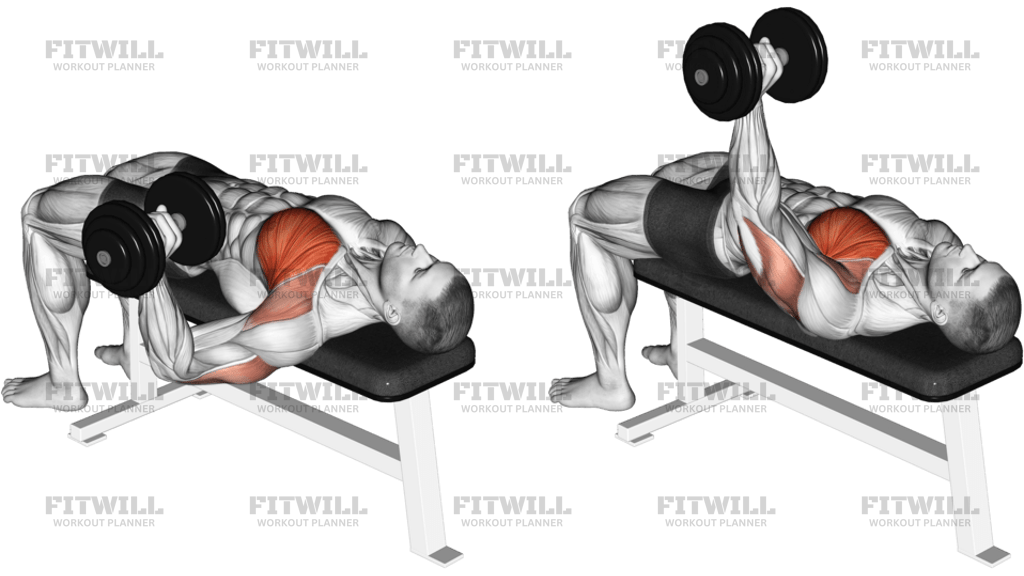
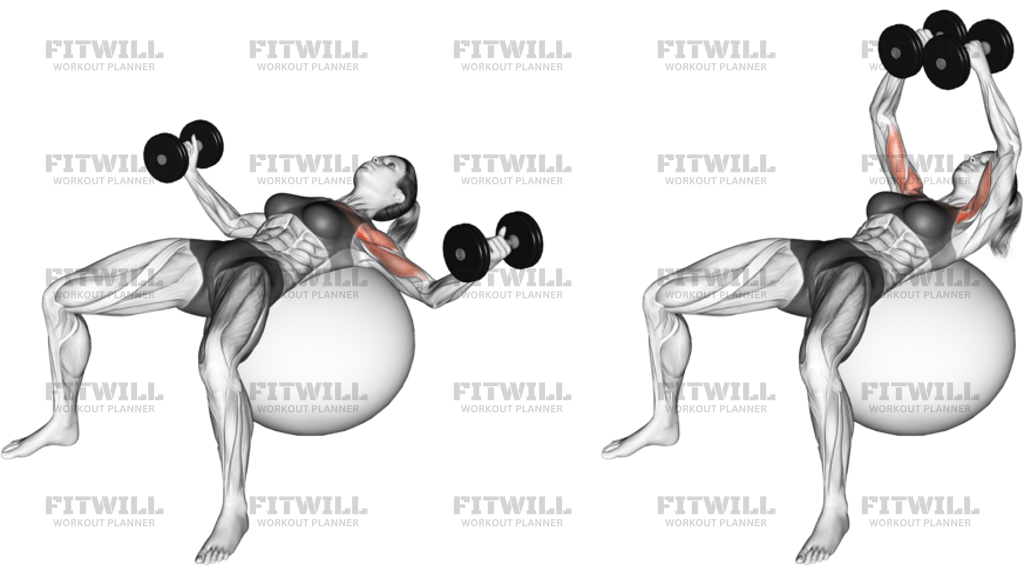
Because the image for this payload shows a press-like position rather than a pure shoulder raise, the written content here follows the exercise name rather than the visible media. If your gym version feels more like an incline press, the angle or elbow path is probably too aggressive for a true raise.
[ Workout Log & Planner ]
Put your next workout in Fitwill
Keep your plan and training log ready when you are.


Instructions
- Set an incline bench to a stable angle and sit or lie so your upper back is supported against the pad.
- Plant both feet firmly and hold a dumbbell in each hand with your wrists stacked over your forearms.
- Let the dumbbells hang under control beside your torso with a soft bend in the elbows.
- Set your shoulders down and keep your ribs from flaring as you brace for the first rep.
- Raise the dumbbells in a smooth arc until your hands reach shoulder level or just slightly above it.
- Keep the elbows higher than the wrists and avoid turning the rep into a press.
- Pause briefly at the top without shrugging or leaning back to finish the rep.
- Lower the dumbbells slowly to the starting hang and reset the shoulders before the next repetition.
Tips & Tricks
- Choose lighter dumbbells than you would use for a standing raise, because the bench support makes the strict path obvious.
- Keep the bench angle steep enough to support the upper back, but not so steep that the rep turns into an incline press.
- Drive the lift by moving the elbows out and slightly up, not by curling the dumbbells with the hands.
- Stop the rep when the shoulders start to shrug; the top position should feel like a clean raise, not a trap lift.
- Keep the wrists neutral so the dumbbells stay balanced over the forearms instead of rolling forward.
- Lower the weights under control for two to three seconds so the shoulders work through the full arc.
- If one dumbbell climbs faster than the other, reduce the load and match both sides before adding weight.
- Any pinching at the front of the shoulder usually means the angle, range, or load is too aggressive for this version.
Frequently Asked Questions
What muscles does Dumbbell Incline Shoulder Raise work?
It mainly targets the shoulders, especially the front and side delts, with help from the upper chest and upper traps depending on the bench angle and arm path. The core and upper back stabilize the torso on the bench.
Is Dumbbell Incline Shoulder Raise good for beginners?
Yes, if the bench is stable and you start very light. The support makes cheating harder, but beginners still need a short, controlled range before loading it heavily.
How steep should the incline bench be?
Use a moderate incline that supports the upper back without forcing the movement into a press. If the bench is nearly upright, the dumbbells will drift into pressing mechanics.
Should my elbows stay bent the whole time?
Yes, keep a small bend in the elbows and hold it fairly constant. Turning the rep into a curl or a full press changes the shoulder angle and makes the movement less strict.
Why do I feel my upper traps more than my shoulders?
Usually the load is too heavy or you are shrugging at the top. Lower the dumbbells, keep the shoulders away from the ears, and stop the lift when the arms reach shoulder level.
How heavy should I go?
Use a weight that lets you keep the same arc on every rep without leaning back or bouncing off the bench. If the dumbbells start moving like a press, the load is too high.
Can I do this if the front of my shoulder feels tight?
Only if the range stays pain-free and you can keep the humerus in a comfortable path. Shorten the range, reduce the incline, or switch to a different shoulder variation if the front of the joint pinches.
What is the biggest form mistake in Dumbbell Incline Shoulder Raise?
The biggest mistake is turning the raise into an incline press by using too much bench angle, too much elbow bend, or too much weight. The rep should stay a controlled shoulder raise from start to finish.