Dumbbell Incline Twisted Flyes
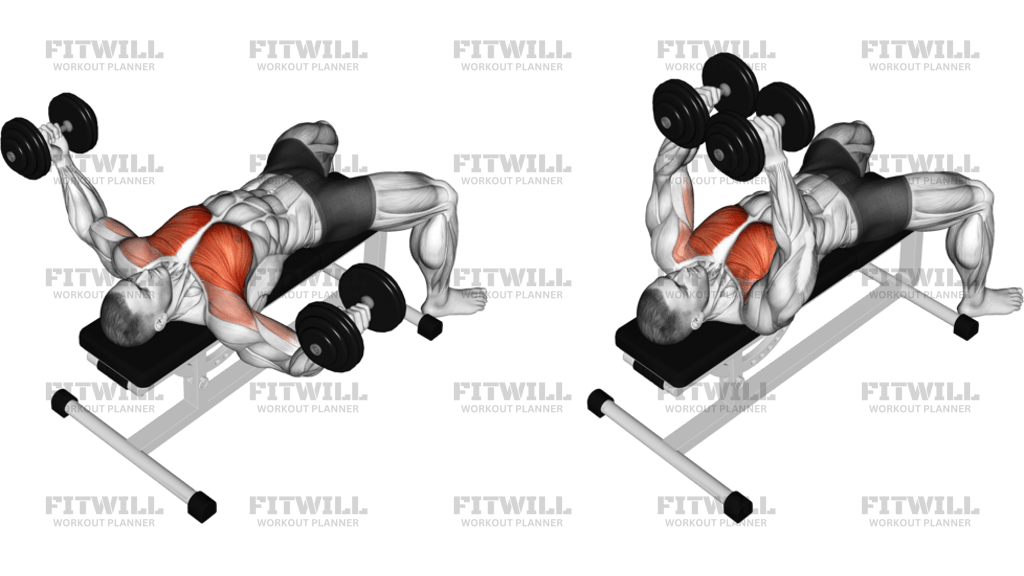
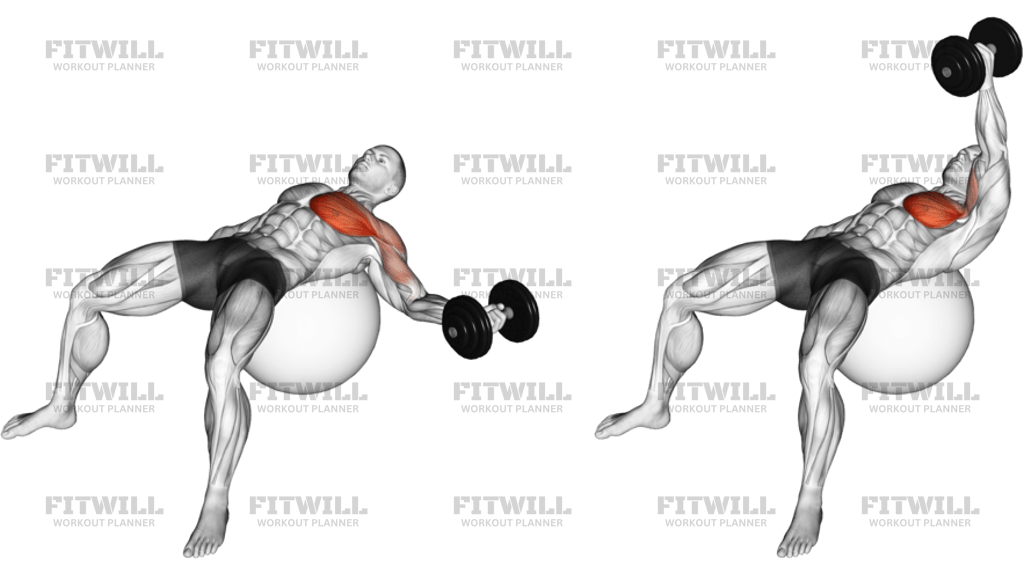
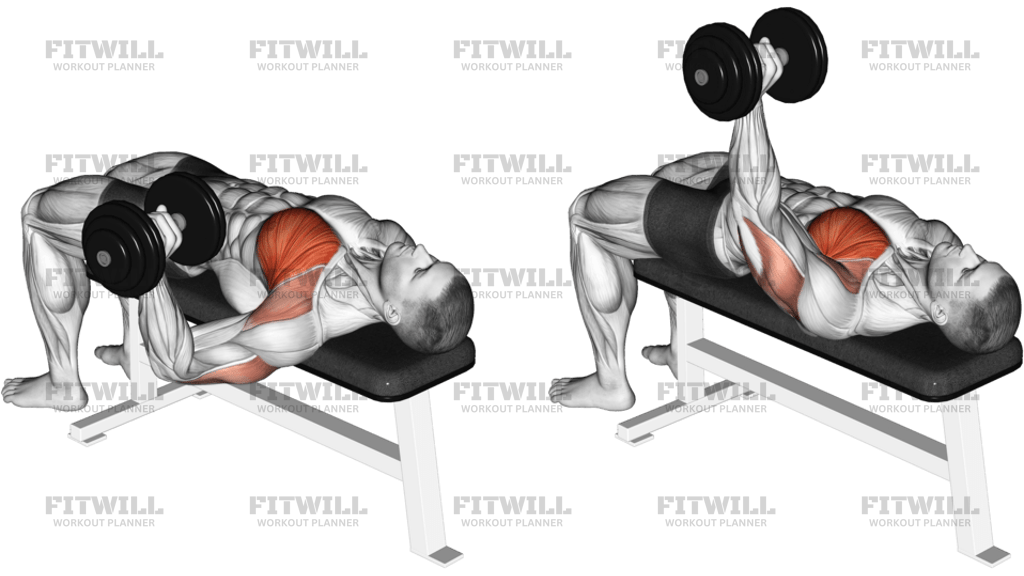
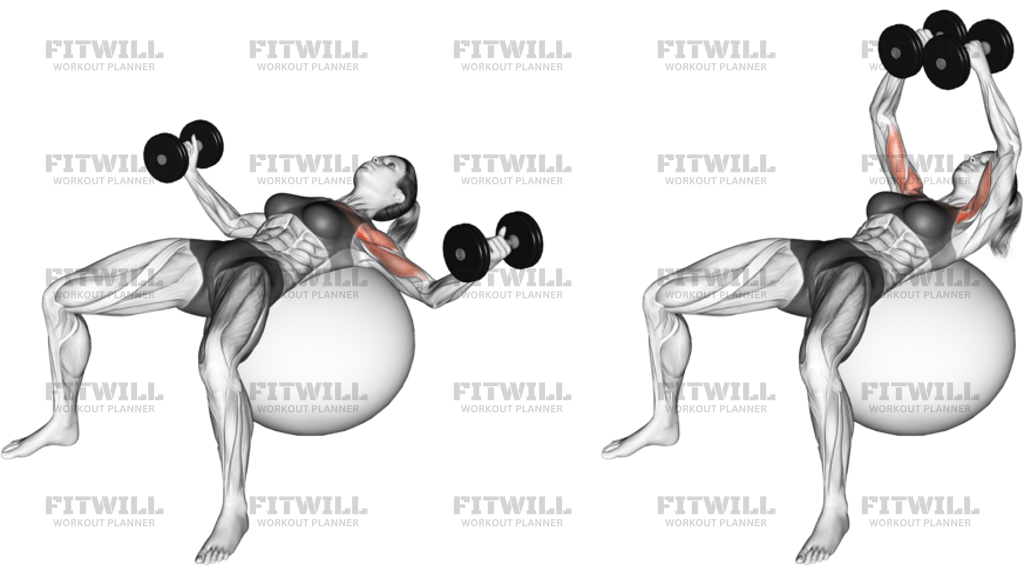
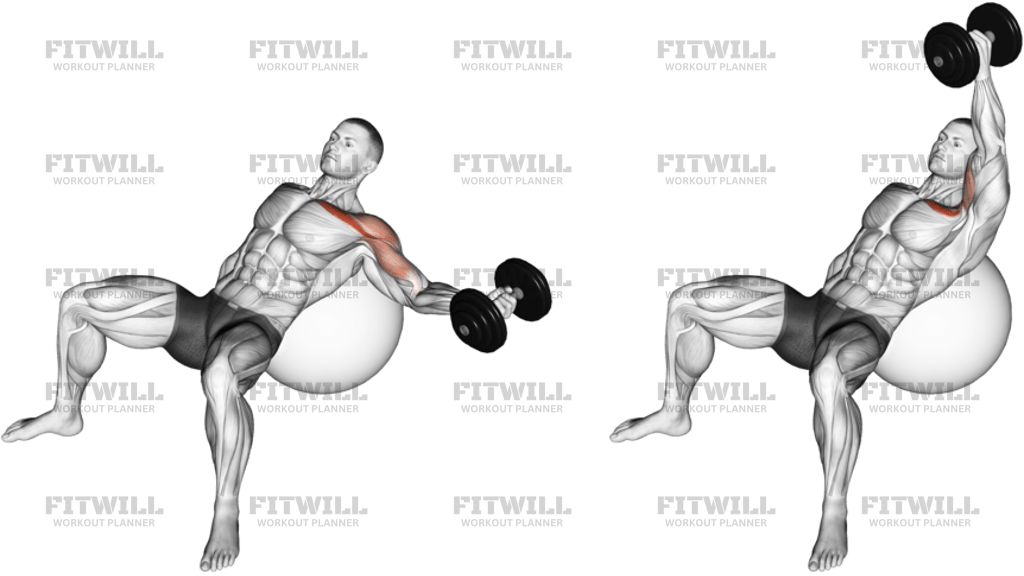
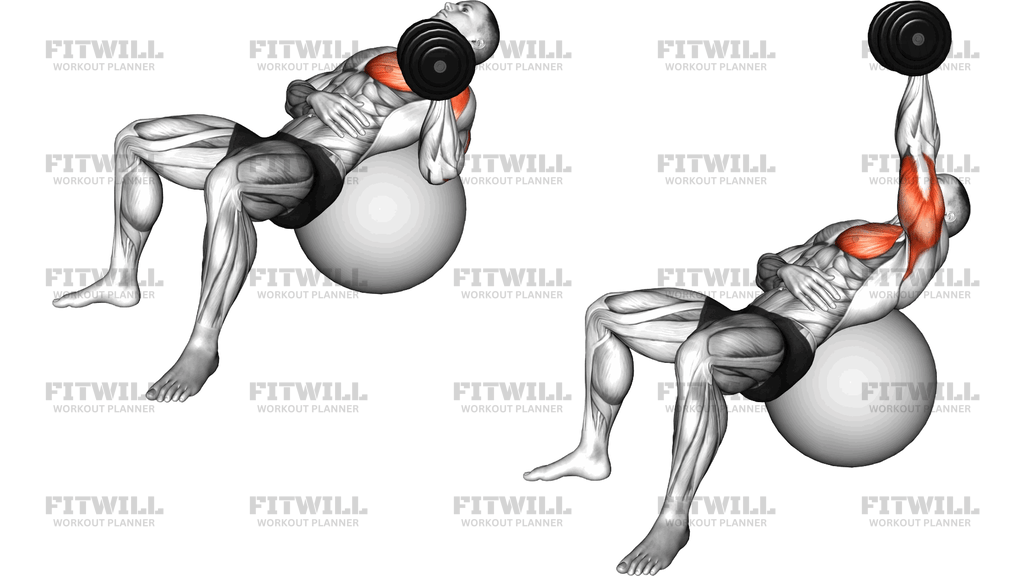
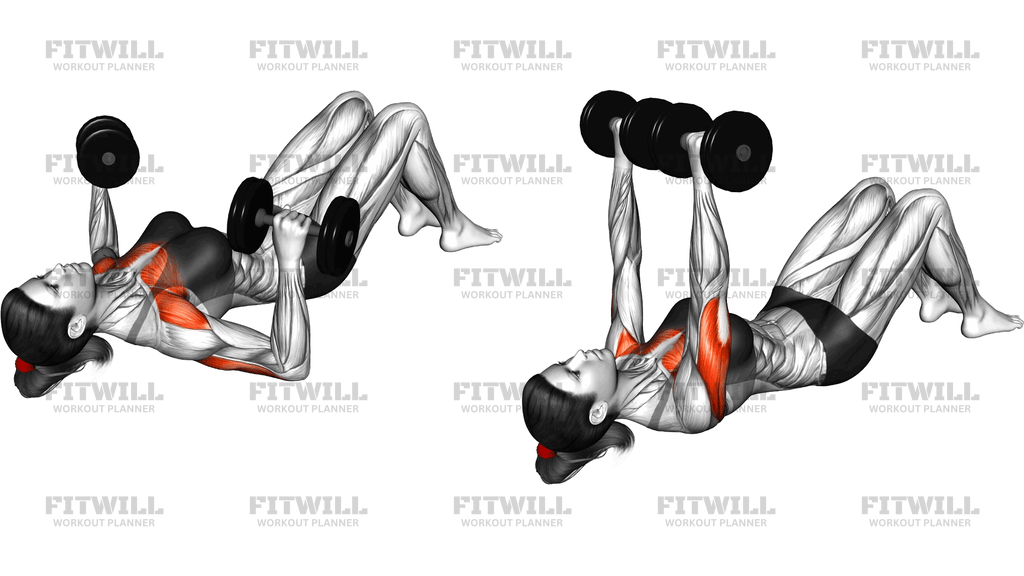
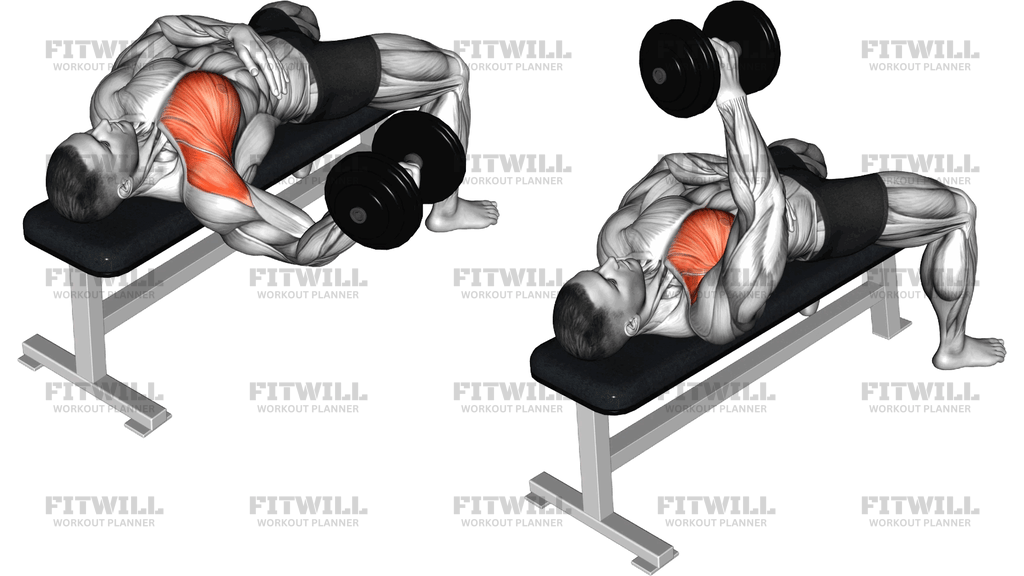
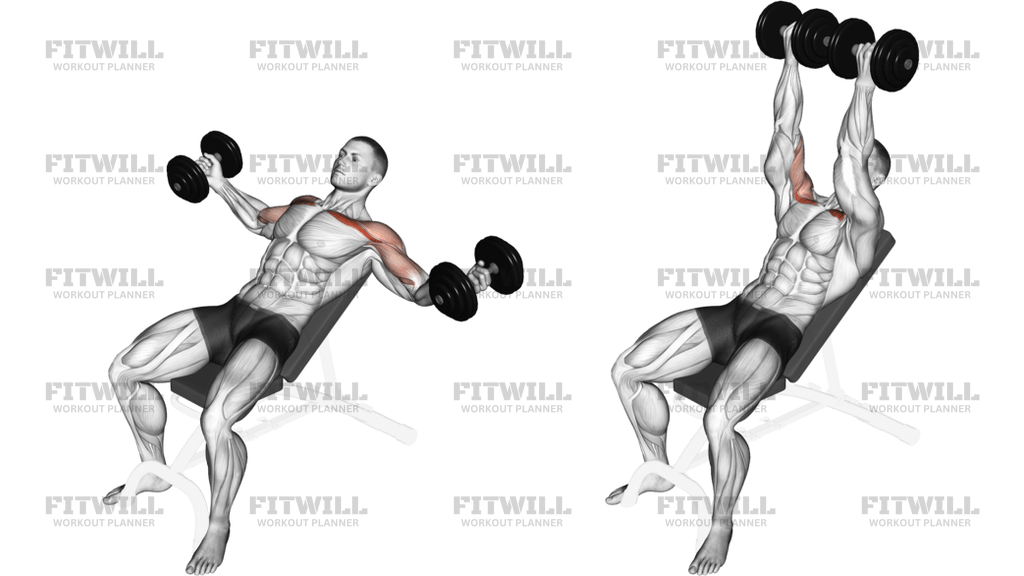
Dumbbell Incline Twisted Flyes is an incline dumbbell chest fly variation that adds forearm rotation to the usual fly pattern. The incline bench shifts the line of pull toward the upper chest, while the twisting grip changes how the shoulders and wrists stay organized through the arc. That makes the exercise feel different from a plain incline fly or press: it is a controlled chest-opening movement, not a lift driven by elbow extension.
The main training focus is the chest, with the front shoulders and triceps stabilizing the shoulder and elbow position. Because the dumbbells move in a long arc, the shoulders must stay packed and the torso must stay still so the arms can travel cleanly. A good rep feels smooth, deliberate, and symmetrical from one side to the other.
Setup matters a lot on this movement. Lie on a moderate incline bench with your head, upper back, and hips supported, feet planted, and dumbbells held above the upper chest. Start with a soft bend in the elbows and a neutral grip, then keep the ribcage from flaring as you lower. The rotation should happen without losing shoulder control, so the wrists, elbows, and shoulders all stay stacked rather than wobbling apart.
On the way down, open the arms in a wide arc and let the forearms rotate naturally as the dumbbells descend, taking the chest into a controlled stretch. On the way up, reverse the arc and bring the weights back together over the upper chest while rotating back toward neutral. The finish should be over the shoulders without banging the dumbbells together. Stop the set if the shoulders feel pinched, the elbows start bending more, or the movement turns into a press.
This exercise is usually best as a lighter accessory after your main pressing work. It can help build pec size, improve chest control in the stretched position, and teach better shoulder organization on incline movements. Keep the range honest, the tempo controlled, and the loading modest enough that the twist stays clean instead of forced.
[ Workout Log & Planner ]
Put your next workout in Fitwill
Keep your plan and training log ready when you are.


Instructions
- Set a moderate incline bench and lie back with your upper back, head, and hips supported.
- Plant both feet firmly and hold the dumbbells above your upper chest with a neutral grip.
- Pull your shoulder blades down and back, then brace your ribs so the torso stays still.
- Keep a soft bend in both elbows before the first rep; do not turn this into a press.
- Lower the dumbbells out and down in a wide arc until you feel a controlled stretch across the upper chest.
- Let the forearms rotate naturally as you descend so the grip opens slightly through the bottom half of the rep.
- Reverse the path by squeezing the chest and bringing the dumbbells back up and in on the same arc.
- Rotate the dumbbells back toward neutral as they meet over the upper chest without clashing them together.
- Breathe in on the lowering phase and exhale as you bring the weights back together.
- Rack the dumbbells only after the last rep is fully controlled and the shoulders still feel stable.
Tips & Tricks
- Use lighter dumbbells than you would for pressing; the twist and long lever make the exercise harder than it looks.
- Keep the elbow bend almost fixed from start to finish so the rep stays a fly, not a hidden press.
- Let the rotation happen through the forearms and shoulders together instead of cranking the wrists independently.
- Stop the bottom position when the chest is stretched but the front of the shoulders still feels open and comfortable.
- Keep your shoulder blades set on the bench so the chest moves without the shoulders rolling forward.
- Lower for longer than you lift to keep tension on the pecs and out of momentum.
- Match the path on both sides; if one dumbbell finishes higher, the rep is no longer even.
- Do not let the dumbbells touch at the top unless you can do it without losing tension or banging the weights.
Frequently Asked Questions
What muscles do Dumbbell Incline Twisted Flyes work?
They primarily train the chest, with the incline angle biasing the upper fibers more than a flat fly. The front shoulders and triceps help stabilize the arm path and shoulder position.
Why is there a twist in Dumbbell Incline Twisted Flyes?
The twist changes the shoulder and wrist position as the dumbbells move through the arc, which helps keep the fly path organized and gives the movement its distinct feel.
How steep should the incline bench be?
A moderate incline is usually best. Too steep and the movement starts to feel like a shoulder exercise; too flat and you lose some of the upper-chest bias.
How low should I lower the dumbbells?
Lower them only until you feel a strong but controlled stretch across the chest. If the front of the shoulder pinches or the elbows drift, the range is too deep.
Should my elbows stay bent the whole time?
Yes. Keep a consistent soft bend so the tension stays on the chest instead of turning the movement into an incline press.
Is this exercise good for beginners?
It can be, but only with very light dumbbells and a short, controlled range. Beginners should first learn a standard incline fly if the twist feels hard to control.
What is the most common mistake with this variation?
Using too much weight and letting the shoulders roll forward at the bottom is the most common problem. That usually turns the rep into a sloppy swing instead of a chest isolation exercise.
Can I do Dumbbell Incline Twisted Flyes if my shoulders are sensitive?
Only if the stretch feels smooth and the load is very conservative. If the twist or bottom position creates pinching, switch to a smaller range or a simpler incline fly.