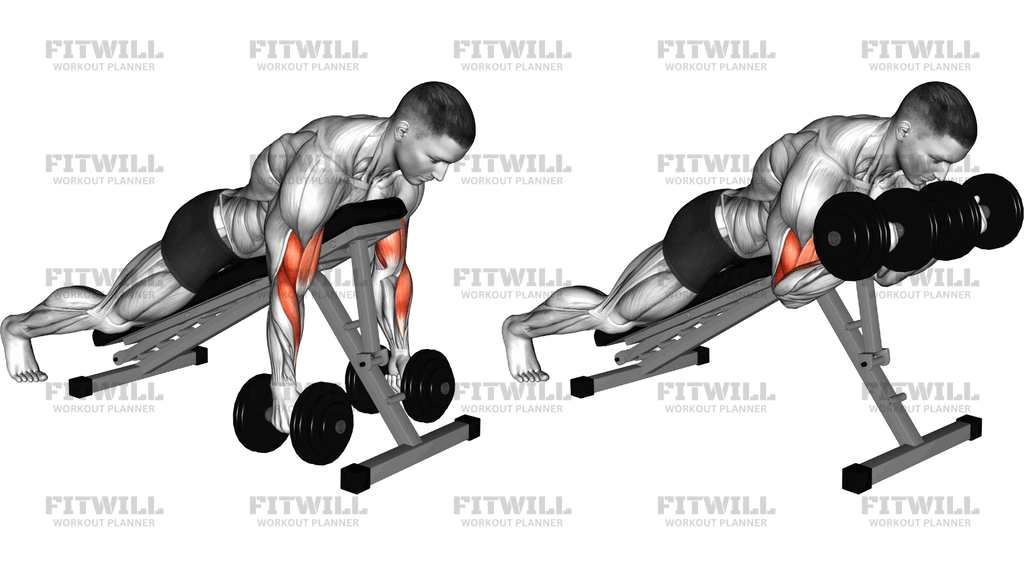
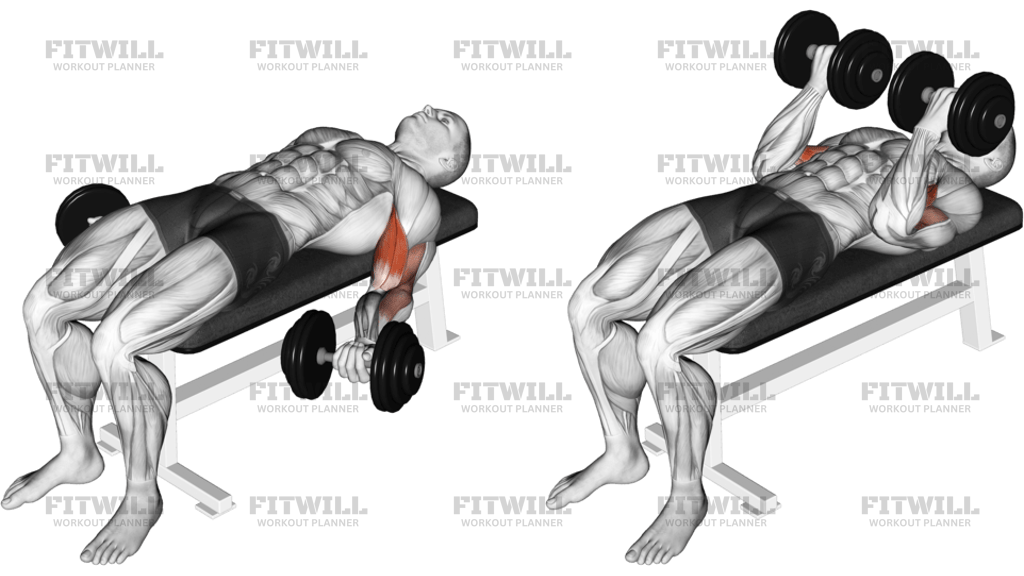
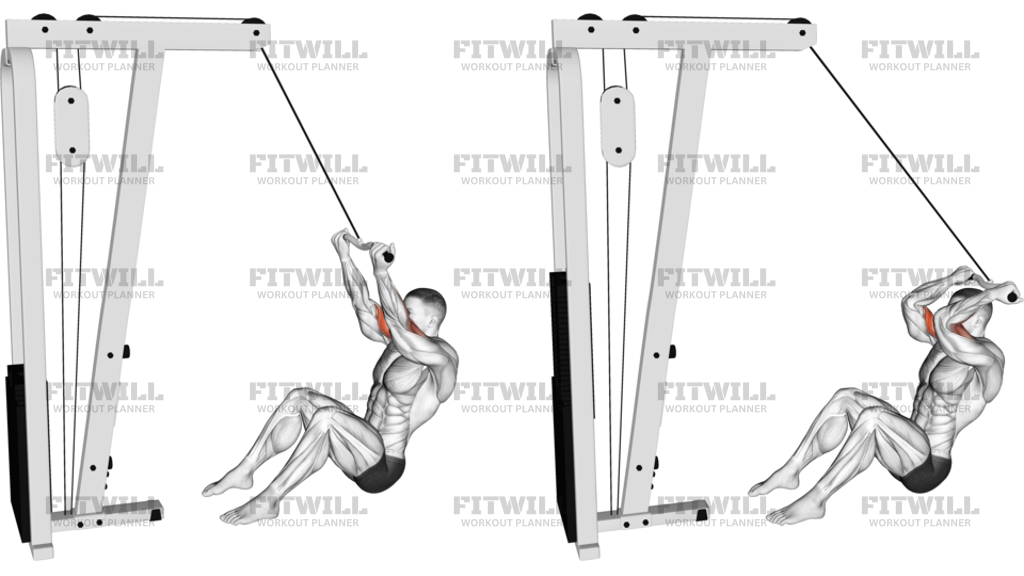
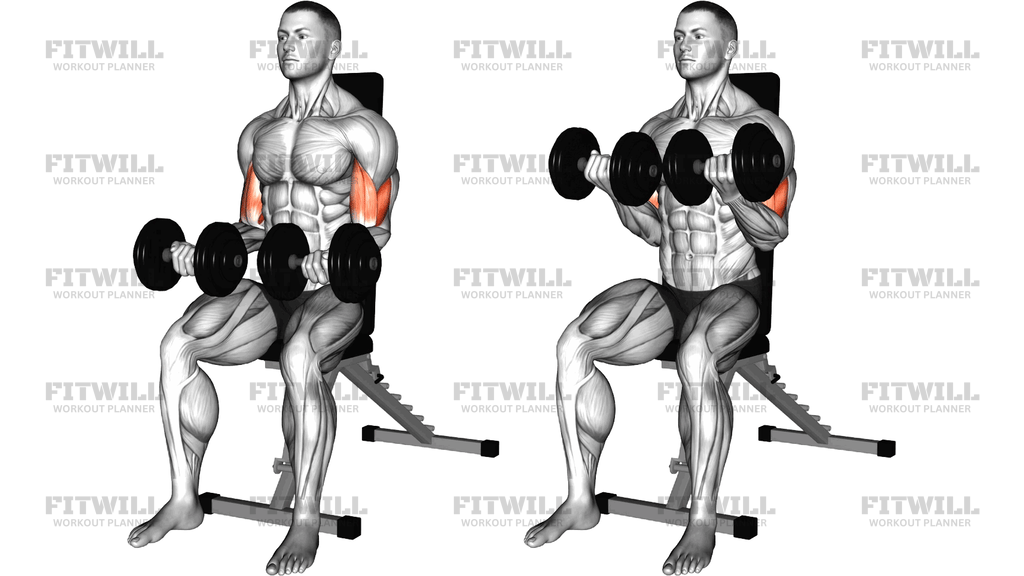
One-Arm Dumbbell Preacher Curl
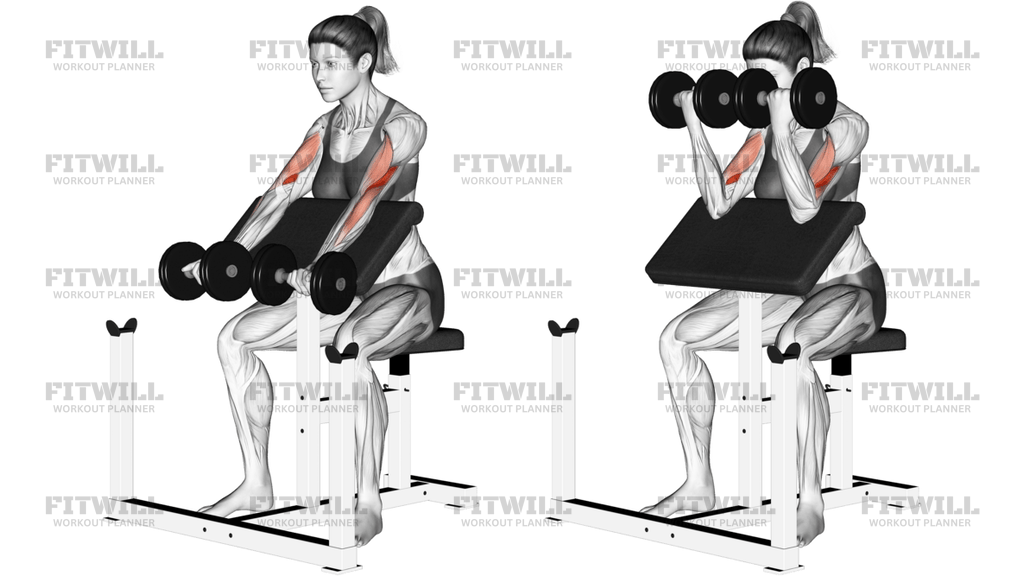
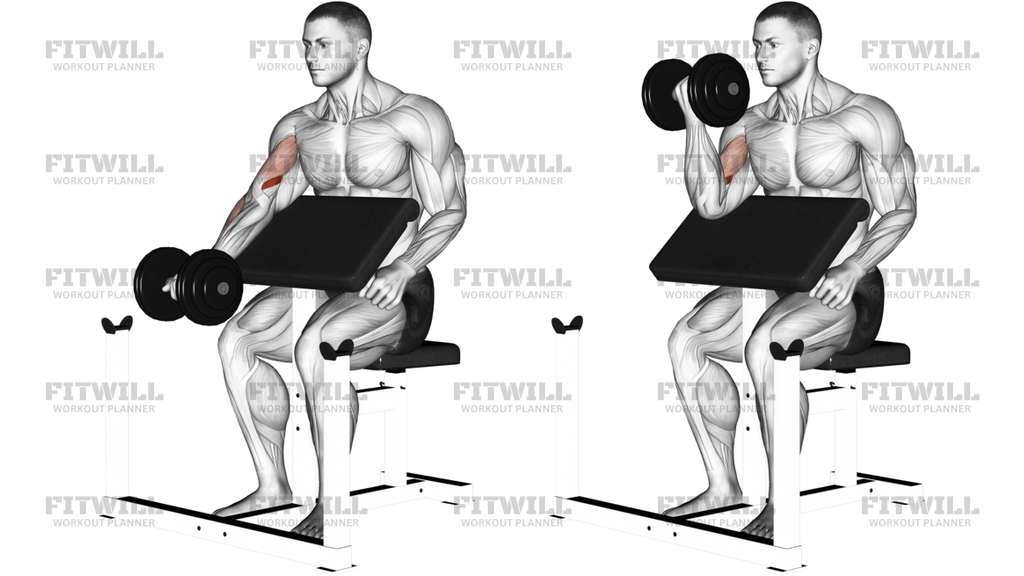
One-Arm Dumbbell Preacher Curl is an isolation curl that uses a preacher bench to lock the upper arm in place while one elbow does the lifting. That fixed support shifts the work toward the biceps and the deeper elbow flexors, especially the brachialis and brachioradialis, while also challenging the forearm to keep the wrist steady. Because the pad removes most of the body English, the exercise is useful when you want a strict curl that is easy to judge side to side.
The preacher pad is the key part of the exercise. When your upper arm stays pinned to the angled support, the shoulder cannot swing the dumbbell up for you, so the elbow flexors have to create the rep. That makes the bottom half of the curl feel more demanding than a standing curl, and it also makes cheating easier to spot. If your elbow leaves the pad or your shoulder rolls forward, the set stops being a true preacher curl.
Set the bench so your armpit and upper arm rest comfortably against the pad, then start with the arm nearly straight and the wrist stacked over the forearm. The dumbbell should hang under control rather than pulling you off the bench. A clean setup matters because the rep starts from a stretched elbow position, where sloppy wrist angle or shoulder movement can shift stress away from the target muscles and into the joints.
During the rep, curl the dumbbell in a smooth arc by bending the elbow until the forearm approaches vertical, then squeeze briefly without shrugging the shoulder or losing wrist alignment. Lower under control all the way back to the start so the biceps keep working through the lengthened position. The goal is a strict path with no swing, no torso lift, and no bounce at the bottom.
One-Arm Dumbbell Preacher Curl fits well as an accessory movement for arm size, elbow flexion strength, or balanced unilateral work when one side tends to dominate. Use it after heavier pulling or pressing work, or by itself when you want a focused arm session. Keep the load honest, because this exercise rewards precision more than weight and is most productive when every rep looks nearly identical.
Fitwill
Log Workouts, Track Progress & Build Strength.
Achieve more with Fitwill: explore over 9600 exercises with images and videos, access built-in and custom workouts, perfect for both gym and home sessions, and see real results.
Start your journey. Download today!




Instructions
- Adjust the preacher bench so your armpit and upper arm rest firmly on the angled pad.
- Sit with your chest close to the pad, feet flat, and the working arm hanging straight down over the front edge.
- Hold one dumbbell with a neutral wrist and let it hang under control at the bottom.
- Brace your torso so your shoulder stays quiet and your upper arm stays pinned to the pad.
- Curl the dumbbell by bending the elbow and bringing the forearm toward vertical.
- Keep the elbow in contact with the pad instead of letting it drift forward.
- Squeeze briefly near the top without shrugging or rolling the shoulder ahead of the arm.
- Lower the dumbbell slowly until the arm is nearly straight, then reset before the next rep.
- Repeat all reps on one side before switching to the other arm.
Tips & Tricks
- Keep your upper arm glued to the pad; if it comes off the bench, the set turns into a cheat curl.
- Use a lighter dumbbell than you would for a standing curl, because the preacher position removes momentum and starts from a harder bottom range.
- Let the wrist stay stacked over the forearm instead of curling back, which helps keep tension in the elbow flexors instead of the joint.
- Think about pulling the pinky side of the dumbbell up slightly so the forearm stays centered and the rep does not twist.
- Pause for a beat near the top, but do not slam into full elbow lockout at the bottom.
- Lower the weight for at least two to three seconds to keep the eccentric phase honest.
- If the shoulder starts to roll forward, stop the set or shorten the range before the next rep.
- Match the same bench height and elbow position on both arms so side-to-side comparisons stay meaningful.
Frequently Asked Questions
What muscles does One-Arm Dumbbell Preacher Curl work?
It mainly trains the biceps, with strong work from the brachialis and brachioradialis. The forearm also has to stabilize the wrist because the arm is fixed on the preacher pad.
Why use a preacher pad instead of standing to curl?
The pad removes most of the body swing and shoulder drive, so the elbow flexors have to do the work. That makes the rep stricter and easier to compare from one arm to the other.
How far should I lower the dumbbell?
Lower it until the arm is nearly straight and you still keep the shoulder quiet on the pad. If the bottom position pulls your elbow off the bench, shorten the range.
Should my elbow stay pressed into the pad the whole time?
Yes. A small amount of movement happens naturally, but the upper arm should stay anchored so the shoulder does not take over the curl.
Can I do this with both dumbbells at once?
You can, but one arm at a time usually keeps the torso more stable and makes it easier to keep each elbow pinned to the preacher pad.
Is One-Arm Dumbbell Preacher Curl good for brachialis work?
Yes. The fixed arm position and strict elbow bend make the brachialis work hard, especially through the middle and lower part of the curl.
What if my wrist bends back at the bottom?
Drop the weight and keep the knuckles stacked over the forearm. A bent wrist usually means the dumbbell is too heavy or the grip is losing control.
How should I breathe during the rep?
Exhale as you curl up and inhale as you lower. Keep the torso braced so the breathing does not turn into a torso swing.