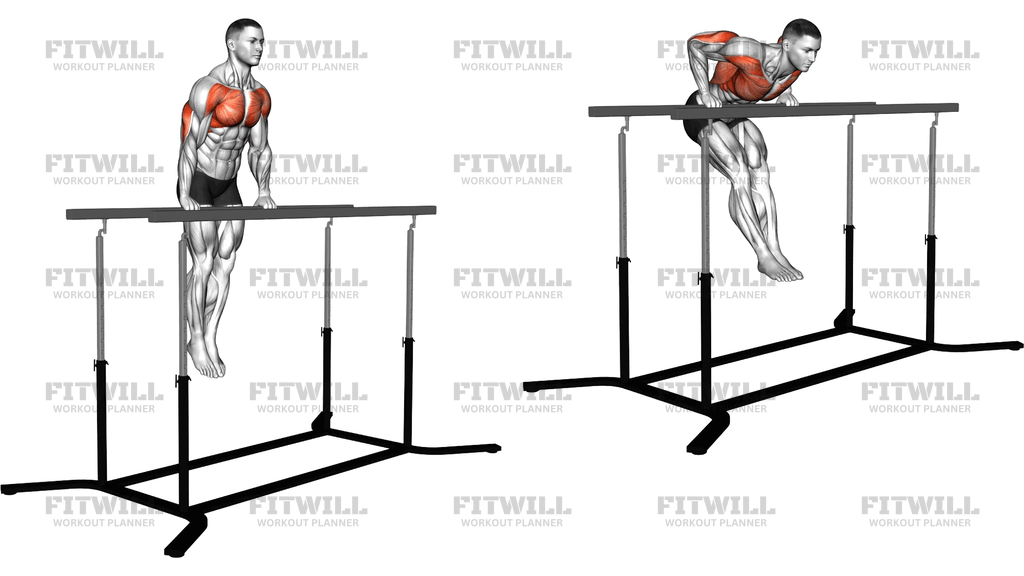
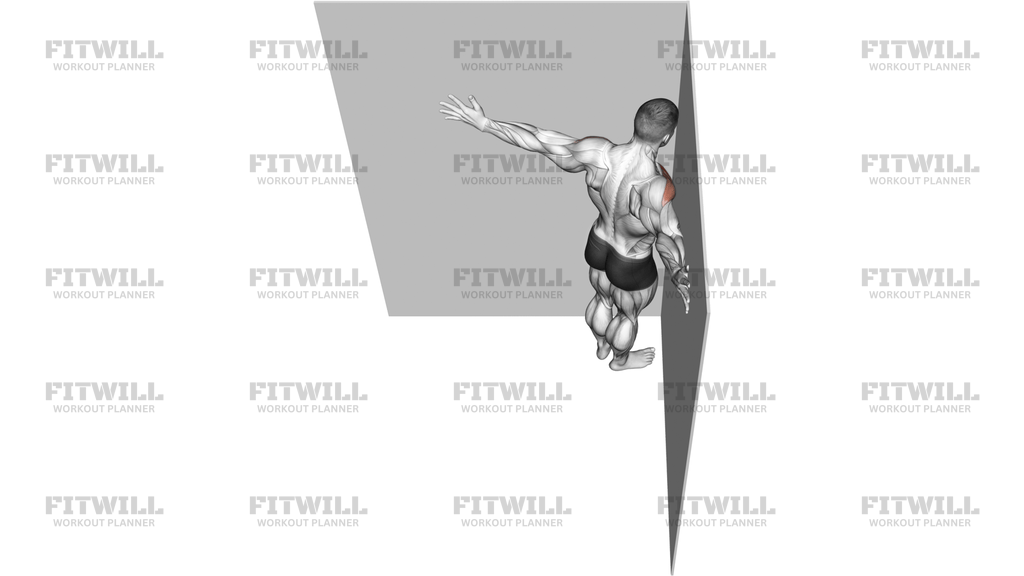
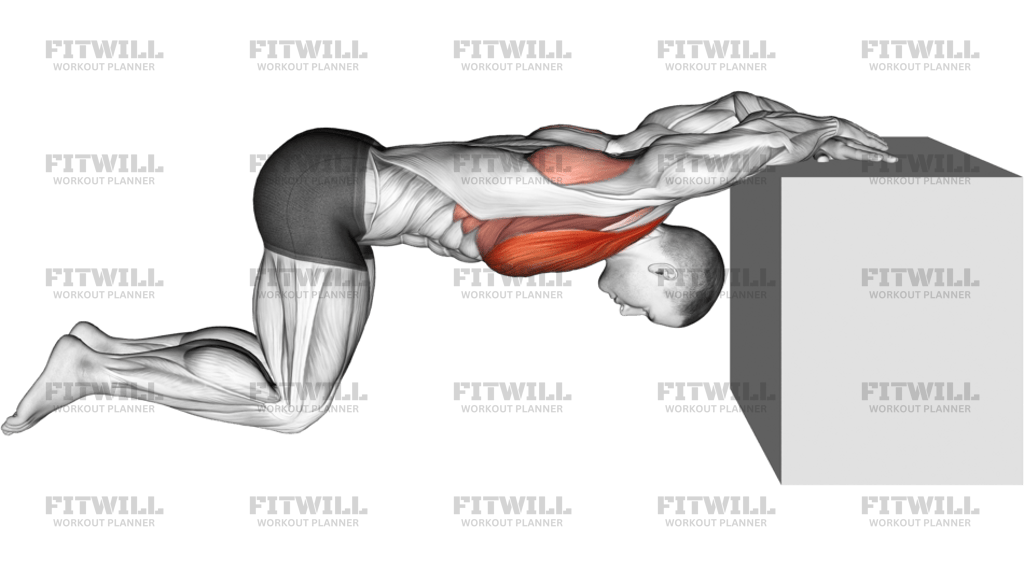
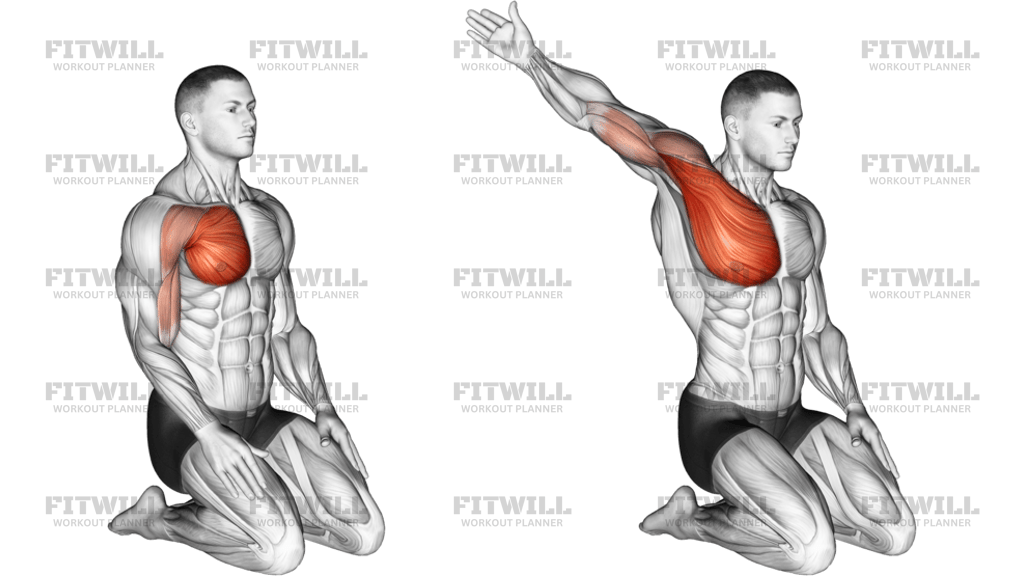
Incline Reverse-Grip Push-Up
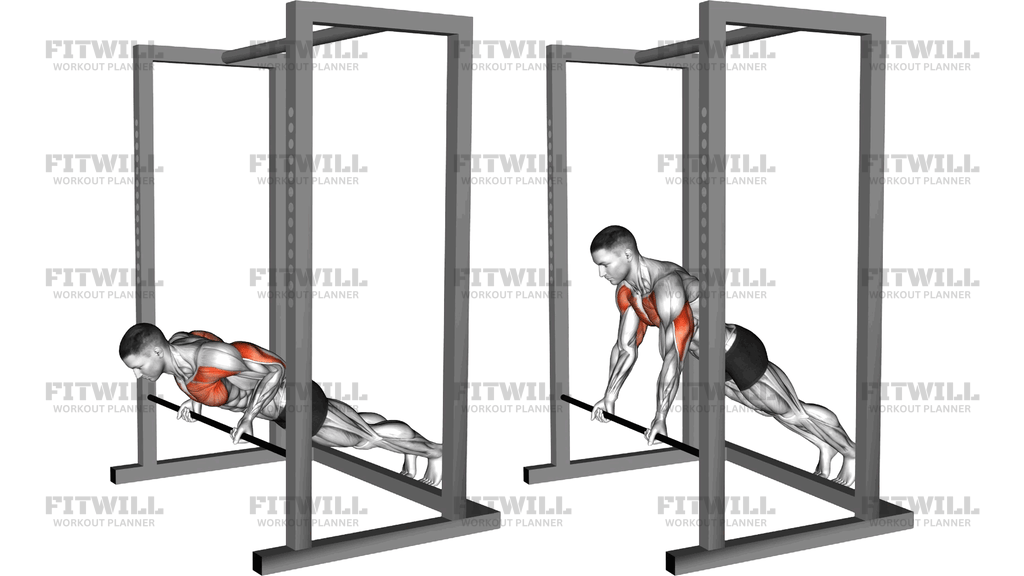
Incline Reverse-Grip Push-Up is a bodyweight pressing exercise that puts more of your mass onto the arms and chest by raising the hands on a bench, box, Smith bar, or other sturdy support. The incline reduces the amount of bodyweight you have to move, which makes the exercise useful as a push-up regression, a chest-building accessory, or a way to train pressing volume without needing heavy external load.
The reverse-grip hand position changes how the elbows track and how the chest and triceps contribute through the press. That makes setup important: if the support is too high, the movement becomes too easy; if the torso sags or the elbows flare hard, the shoulders take over and the chest work gets sloppy. A clean rep should feel like a controlled incline press with your body held in one long line.
Start by placing your hands on the elevated surface with a reverse or supinated grip if the surface allows it, or on handles that let you keep the wrists and forearms aligned comfortably. Step the feet back, brace the midsection, and keep the shoulders packed as you lower the chest toward the support. The goal is not to crash into the surface, but to move under tension with the chest and triceps doing the work while the core prevents rotation or hip drop.
This variation fits well in warmups, upper-body accessory work, or higher-rep hypertrophy blocks when you want a chest-dominant push without the full difficulty of floor push-ups. It is also a practical option for beginners who need an incline before progressing to lower surfaces. Keep the range pain-free, control the descent, and adjust the incline before you start chasing more repetitions.
[ Workout Log & Planner ]
Put your next workout in Fitwill
Keep your plan and training log ready when you are.


Instructions
- Set your hands shoulder-width apart on a sturdy elevated surface or on handles that support a reverse-grip setup.
- Step your feet back until your body forms a straight line from head to heels, then tighten your glutes and abs.
- Turn the elbows slightly in from the torso and keep the shoulders down away from the ears before you lower.
- Inhale and bend the elbows to bring your chest toward the support under control.
- Keep your torso rigid so the hips do not sag or pike as you descend.
- Pause briefly when your chest is close to the surface and the shoulders still feel packed.
- Press the support away, exhale, and finish with straight elbows without shrugging.
- Reset the body line before the next rep and keep the same hand and foot position for the set.
Tips & Tricks
- Start with a high incline if the reverse-grip position feels awkward, then lower the support as your control improves.
- Keep the chest moving as one unit with the shoulders instead of letting the head drop first.
- Do not force the wrists into a painful underhand angle; use handles or a different support height if the setup feels strained.
- Keep the ribs down so the lower back does not arch to make the rep look deeper than it really is.
- A slight elbow tuck usually keeps the shoulders happier than a wide flare and also keeps more tension on the chest.
- Lower for two to three seconds if you want more chest tension without adding load.
- Stop each rep when the body line breaks, not when the chest reaches a specific depth.
- Progress by lowering the incline or adding reps before you make the movement faster or sloppier.
Frequently Asked Questions
What muscle does Incline Reverse-Grip Push-Up target most?
The chest is the main target, with the triceps, front shoulders, and core helping stabilize the press.
Can beginners perform this exercise?
Yes. A higher incline makes it much easier to learn while still building pressing strength and body control.
Why use a reverse-grip hand position on the incline?
The underhand setup changes the elbow path and can shift the feel of the press toward the chest and triceps while still using bodyweight.
How high should the incline be?
High enough that you can keep a straight body line and full control, but low enough that the chest still has to work through the rep.
What should my elbows do on the way down?
Let them track slightly in from the body instead of flaring hard to the sides.
What is the most common form mistake?
Letting the hips sag or the shoulders shrug usually turns the rep into a loose plank instead of a chest press.
Can I do this on a Smith bar or bench edge?
Yes, as long as the support is stable and the hand position does not force pain into the wrists or shoulders.
How do I progress this exercise over time?
Lower the incline, add pauses or slower eccentrics, and then increase repetitions before you chase a harder variation.