Leg Pull In Flat Bench
Leg Pull In Flat Bench is a body-weight core exercise performed lying on a flat bench while the torso stays anchored and the legs move in a controlled tuck-and-extend pattern. The bench gives you a clear base for the shoulders and upper back, which makes it easier to isolate the abs instead of turning the movement into a swinging leg raise. It is a useful drill for building abdominal control, pelvic control, and hip-flexor strength without needing external load.
The main emphasis is on the rectus abdominis, with the obliques and deeper core muscles helping you keep the pelvis from tipping and the ribs from flaring. The hip flexors contribute strongly as the knees travel toward the chest and the legs extend away from the body. Because the movement is long-lever and easy to cheat, the quality of the repetition matters more than the size of the range. A clean rep should feel smooth, deliberate, and controlled from the first tuck to the final extension.
Start by lying flat on the bench with your shoulders and upper back supported and your hands gripping the bench edges for stability. Keep your head neutral, chin slightly tucked, and lower back in contact with the bench as much as possible. From the tucked position, draw the knees in under control, then extend the legs forward without arching the low back or letting the torso rock. The bench grip is there to help you stay fixed in place, not to pull yourself through the motion.
This exercise fits well in core-focused sessions, warm-ups, or accessory work when you want anterior-core tension without spinal loading. It is especially useful for athletes and lifters who need better trunk control during leg drive, running, sprinting, or hanging knee-raise progressions. Keep the tempo deliberate, stop the set when the low back starts to peel off the bench, and treat every rep like a controlled strength rep rather than a fast abdominal burn.
Fitwill
Log Workouts, Track Progress & Build Strength.
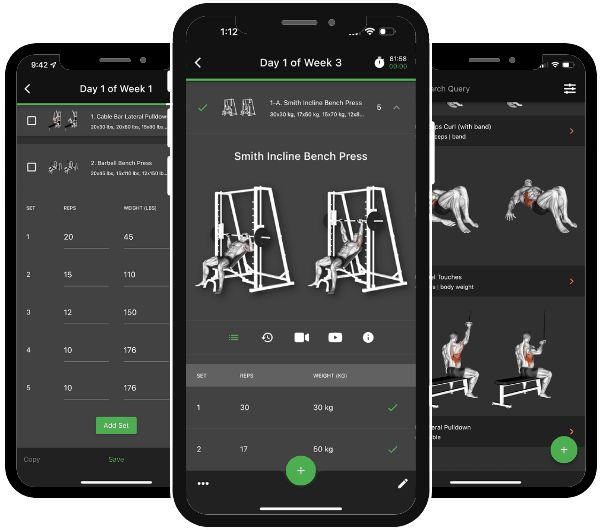
Achieve more with Fitwill: explore over 5000 exercises with images and videos, access built-in and custom workouts, perfect for both gym and home sessions, and see real results.
Start your journey. Download today!


Instructions
- Lie on a flat bench with your shoulders and upper back supported, and grip the bench edges beside your hips for stability.
- Set your legs in a tucked position, keep your head neutral, and press your lower back into the bench before you start.
- Brace your abs as if you are preparing for a small crunch, then begin the rep without swinging your legs.
- Pull your knees toward your chest under control while keeping your torso still and your ribs down.
- Pause briefly at the tucked position so you feel the abs, not momentum, holding the shape.
- Extend your legs forward in a slow arc until they are nearly straight, stopping before your low back arches off the bench.
- Keep your hands gripping the bench so the upper body stays anchored while the legs move.
- Exhale as you pull in and inhale as you extend, then repeat for the planned reps with the same tempo.
Tips & Tricks
- If your lower back pops off the bench, shorten the leg extension instead of forcing a bigger range.
- Keep your hips heavy on the bench; the rep should look like a controlled tuck, not a mini roll-up.
- Use the bench grip only for stability. If you are pulling yourself through the rep, the abs are losing the job.
- A slower lowering phase makes the exercise harder and usually keeps the pelvis from tilting forward.
- Do not let the knees drift out wide unless the exercise variation specifically calls for it; keep the legs tracking together.
- Keep your chin softly tucked so the neck does not take over when the legs move.
- The best reps usually stop just before the legs fully lock out, when the abs still have to hold the pelvis steady.
- If the hip flexors cramp, reduce the range and focus on keeping the ribs and pelvis stacked instead of chasing straight legs.
Frequently Asked Questions
What muscles does Leg Pull In Flat Bench work?
It primarily works the rectus abdominis, with the obliques, deeper core muscles, and hip flexors assisting during the pull-in and leg extension.
What is the bench doing in this exercise?
The flat bench supports your upper back and gives you something to grip so the torso stays fixed while the legs move.
Should my lower back stay on the bench?
Yes. Keep the low back pressed into the bench as much as possible and shorten the range if it starts to arch away.
How far should I extend my legs?
Extend only as far as you can while keeping your ribs down and your pelvis stable. Straight legs are useful, but only if the back stays controlled.
Can beginners do this movement?
Yes, but beginners should use a smaller range and slower tempo until they can keep the bench contact and pelvis position steady.
What do I hold onto during the rep?
Grip the sides of the bench near your hips or by your torso so your upper body stays anchored and you do not swing.
What is the most common mistake?
The most common mistake is arching the low back and using momentum instead of keeping the abs in control through the full tuck-and-extend path.
How should I progress this exercise?
Progress by extending the legs a little farther, slowing the lowering phase, or adding reps while keeping the same strict bench contact.