Single Leg Platform Slide
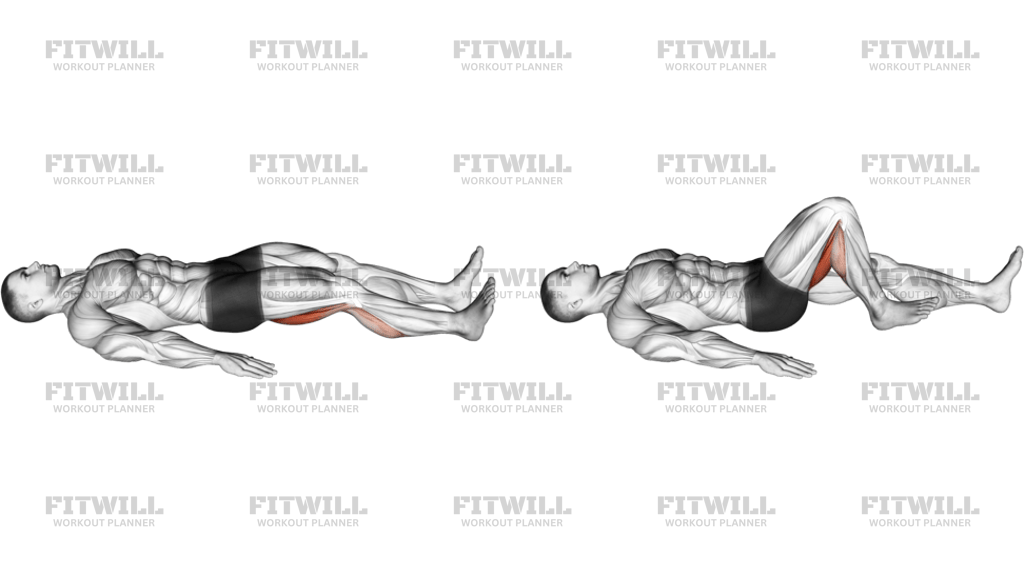
Single Leg Platform Slide is a bodyweight hamstring exercise built around one leg sliding in and out while the rest of the body stays quiet. It is a useful way to train posterior-chain strength, knee flexion control, and left-right balance without loading the spine the way a heavy hinge or deadlift variation can.
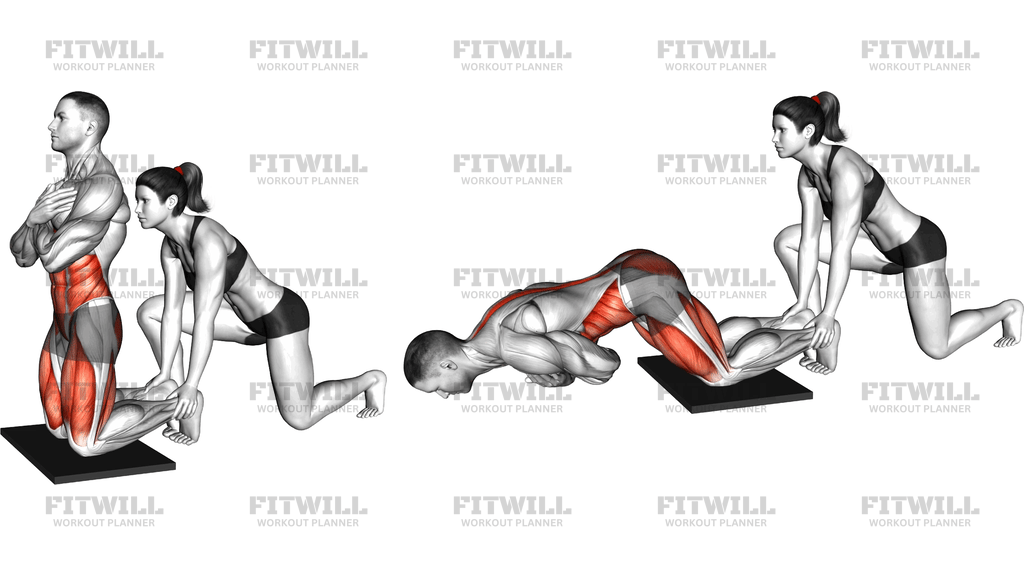
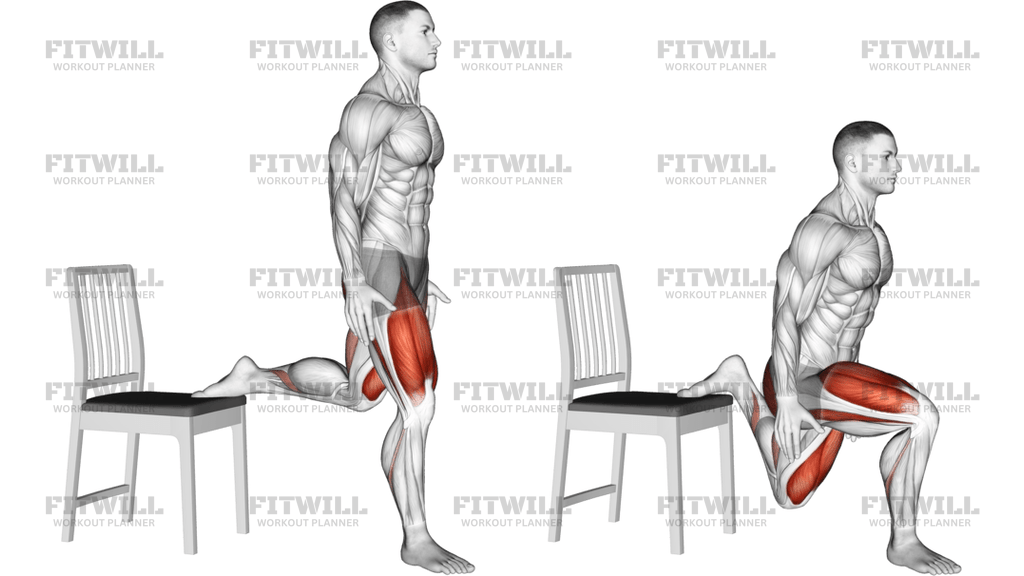
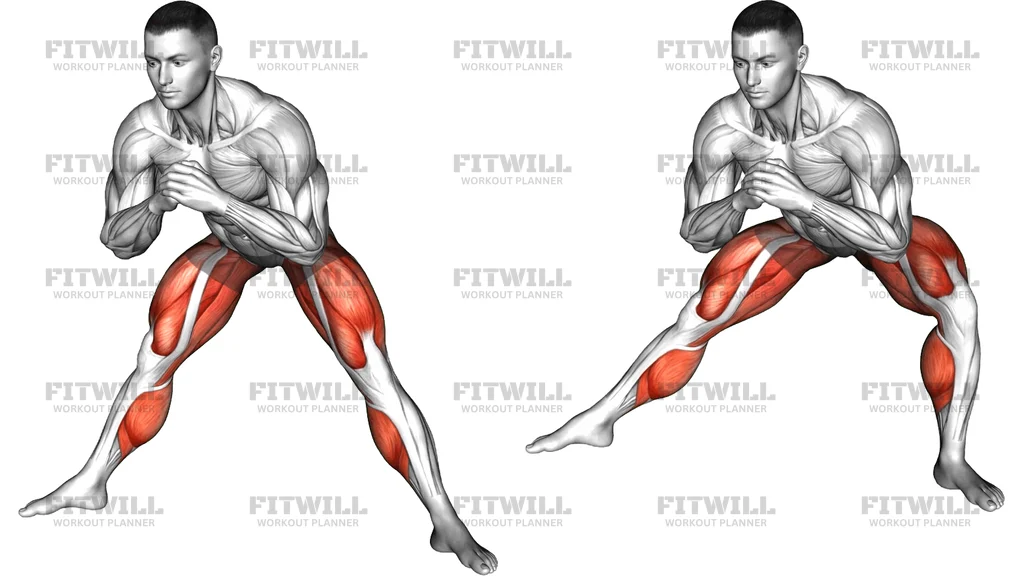
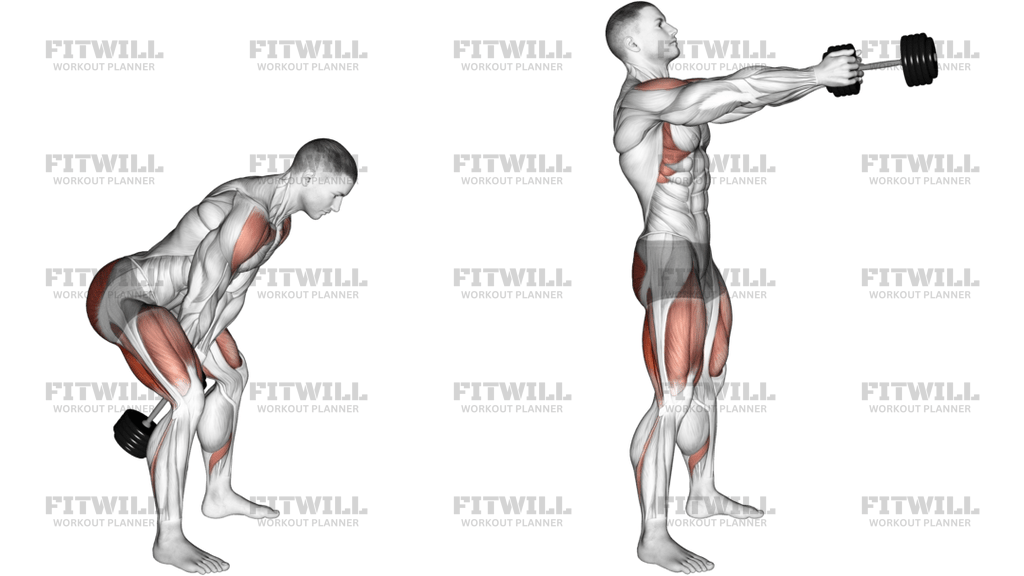
The image shows a supine setup with one heel on a sliding platform and the opposite leg kept long and out of the way. That arrangement matters because the pelvis has to stay level while the working heel moves. If the hips twist, the low back arches, or the non-working leg starts helping, the hamstrings lose tension and the set turns into a compensation drill instead of a strength drill.
A good repetition starts from a long, braced position and then pulls the platform or slider toward the hips until the working knee bends and the heel comes closer under control. The return should be just as deliberate, with the leg lengthening again only as far as the pelvis can stay square. Breath stays calm and repeatable so each rep looks the same instead of being pulled by momentum.
This exercise fits well in accessory strength work, hamstring-focused warm-ups, return-to-training blocks, or unilateral training days where you want to clean up side-to-side differences. It is also useful when traditional hamstring curls or leg-curl machines are not available, because the floor setup makes the line of pull obvious and easy to control.
Treat the platform slide as a precision movement, not a speed exercise. The goal is to keep tension on the hamstrings from the first inch of the slide until the leg is fully lengthened again, with enough control that the foot tracks smoothly and the hips never take over the job.
[ Workout Log & Planner ]
Put your next workout in Fitwill
Keep your plan and training log ready when you are.


Instructions
- Lie on your back with one heel placed on the sliding platform or slider and the other leg extended long so it does not help the movement.
- Set the working foot so the heel can slide cleanly, then square your hips and keep your ribs down before you start the rep.
- Brace your midsection and press the back of your shoulders and arms into the floor for stability.
- Keep the non-working leg quiet and let the working heel begin the slide by pulling the platform toward your hips.
- Bend the working knee as the heel travels in, stopping before the pelvis tips or the low back starts to arch.
- Squeeze the hamstring to finish the curl, with the foot close enough that you can still keep both hips level.
- Reverse the path slowly and slide the heel back out until the leg is long again without losing abdominal tension.
- Reset the hip position, take a steady breath, and repeat all reps on one side before switching sides.
Tips & Tricks
- Keep the working heel heavy on the platform so the hamstrings drive the slide instead of the toes clawing for grip.
- If the pelvis rocks, shorten the slide immediately; the hamstrings should move the leg before the low back does anything noticeable.
- The non-working leg should stay long and quiet, not float around or press into the floor for help.
- A small pause near the bent-knee position is useful only if the hips stay square and the hamstring remains loaded.
- Exhale as the heel pulls in so the ribs do not flare and the lower back does not take over the rep.
- Use a smooth return phase; if the heel snaps back out, the eccentric hamstring work is being lost.
- Stop one rep before cramping starts to dominate, especially if the hamstring is still adapting to single-leg work.
- If the slide feels unstable, reduce friction or shorten the range rather than forcing a bigger curl.
Frequently Asked Questions
What does Single Leg Platform Slide train most?
It primarily trains the hamstrings on the sliding side, with the core and hips working to keep the pelvis level.
Why is this done one leg at a time?
The single-leg setup makes side-to-side differences obvious and forces the working hamstring to control the slide without help from the other leg.
Where should my heel stay on the platform?
Keep the heel planted on the slider or platform so the foot can travel smoothly while the knee bends and straightens.
Should my hips stay level during the slide?
Yes. If one hip drops or rotates, the hamstrings lose the job and the low back or hip flexors start to compensate.
Can I bend the non-working leg?
In this variation, keep the non-working leg long and quiet so it does not add momentum or reduce the single-leg challenge.
What should I do if my hamstring cramps?
Shorten the range, slow the return, and stop a little earlier in the set until you can keep tension without cramping.
Is this better for beginners or advanced lifters?
Beginners can use it with a small range and slow pace, while advanced lifters can make it harder by increasing control and range.
What is the most common mistake on the way down?
Letting the heel snap back to the start instead of controlling the eccentric slide with the hamstring.