Default Pose
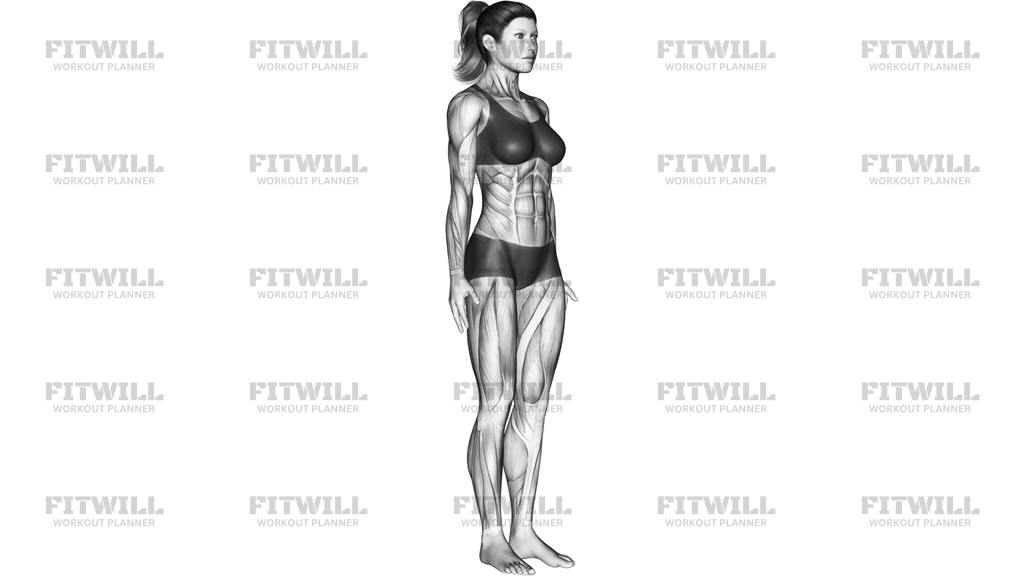
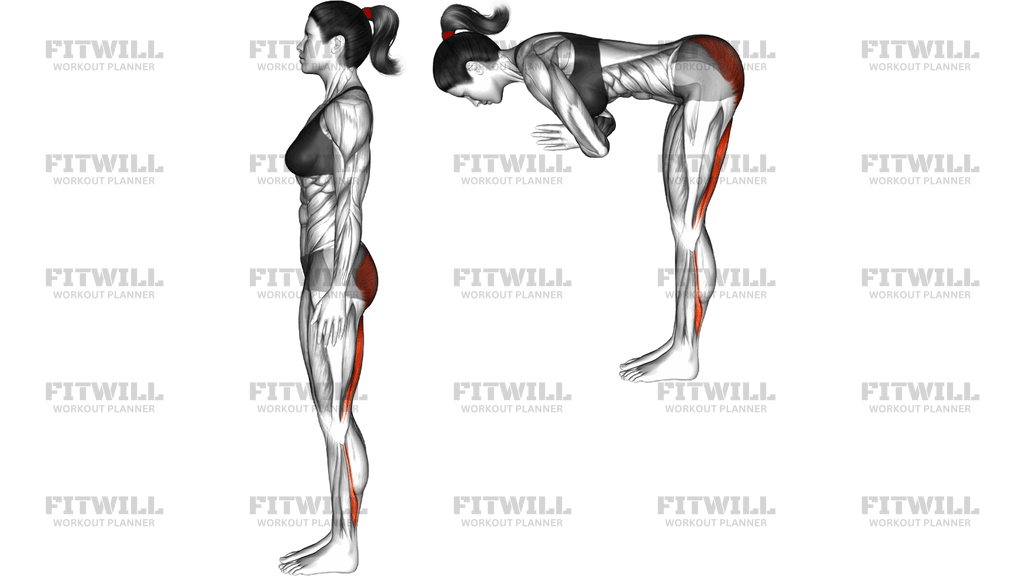
Default Pose is a neutral standing alignment position used as a reset, reference posture, or starting point for yoga and movement practice. In the image, the body is upright, the feet are parallel, the arms rest at the sides, and the head is stacked over the torso. The goal is not to create visible motion but to organize the whole body so you can stand quietly without unnecessary tension.
This pose trains postural awareness, breathing control, and even weight distribution through the feet. When it is done well, the ribs stay over the pelvis, the shoulders settle away from the ears, the neck stays long, and the knees remain soft rather than locked. That makes it useful for beginners learning neutral alignment and for experienced lifters or athletes who need a clean reset between movements.
Because the pose is static, small details matter. Press evenly through the heel, big toe, and little toe; keep the pelvis neutral; and let the arms hang without gripping the hands or shrugging the shoulders. If you are using it as a yoga-style standing stance, think "tall and quiet" instead of "stiff and rigid." The body should look relaxed from the outside but organized underneath.
Use Default Pose before standing flows, after vigorous sets, during breathing drills, or anytime you want to check posture. If you feel your low back pinching, your chest flaring, or your weight rolling into the toes, reset the stance and reduce tension until the position feels balanced and repeatable. The value of this pose comes from consistency: the same alignment, the same breath, and the same calm setup every time.
Fitwill
Log Workouts, Track Progress & Build Strength.
Achieve more with Fitwill: explore over 9600 exercises with images and videos, access built-in and custom workouts, perfect for both gym and home sessions, and see real results.
Start your journey. Download today!




Instructions
- Stand upright with your feet parallel and about hip-width apart, toes pointing forward and weight spread across both feet.
- Let your arms rest at your sides with the palms facing your thighs and the shoulders relaxed.
- Lengthen through the crown of your head so the neck stays tall and the chin remains level.
- Gently stack your ribs over your pelvis and avoid arching the low back or flaring the chest.
- Keep a soft bend in the knees instead of locking them back.
- Spread your weight evenly across the heel, big toe, and little toe of each foot.
- Breathe slowly through the nose and keep the torso quiet while the rest of the body stays still.
- Hold the position for the planned time, then step out of it without shifting or wobbling.
Tips & Tricks
- If the feet drift inward or outward, reset them so the knees track over the second and third toes.
- A small knee softness helps the pelvis stay neutral and keeps the stance from looking rigid.
- Keep the hands relaxed; clenched fists usually mean the shoulders are also tense.
- Think of the ribs as stacked, not lifted, so the lower back does not overarch.
- If balance feels shaky, widen the stance slightly before changing anything else.
- A quiet exhale can help the sternum settle and the abdominal wall stay lightly engaged.
- The pose should feel stable enough that you could start a movement from it without readjusting.
- For longer holds, soften the jaw and eyes to avoid unnecessary whole-body tension.
Frequently Asked Questions
What is Default Pose used for?
It is a neutral standing reference posture for alignment, breathing, and body awareness.
Is this a strength exercise or a stretch?
It is mostly a posture and control drill, though it can lightly challenge the feet, core, and upper-back stabilizers.
Should my feet be together or hip-width apart?
Either can work, but a narrow hip-width stance is often easier to balance and keep stacked.
Do I need to lock my knees?
No. Keep them soft so the pelvis can stay neutral and the low back does not take over.
Why does my lower back feel tight in this pose?
You are probably flaring the ribs or shifting weight forward; reset by softening the knees and stacking the ribs over the pelvis.
What should my arms and hands do?
Let the arms hang naturally at your sides with relaxed fingers and shoulders.
Can beginners use this as a starting position?
Yes. It is a simple way to learn posture, breathing, and even weight distribution before more complex movements.
What is the biggest mistake people make?
Standing too rigidly, which usually means locked knees, tense shoulders, and an overarched lower back.