Hands To Feet Pada Hastasana
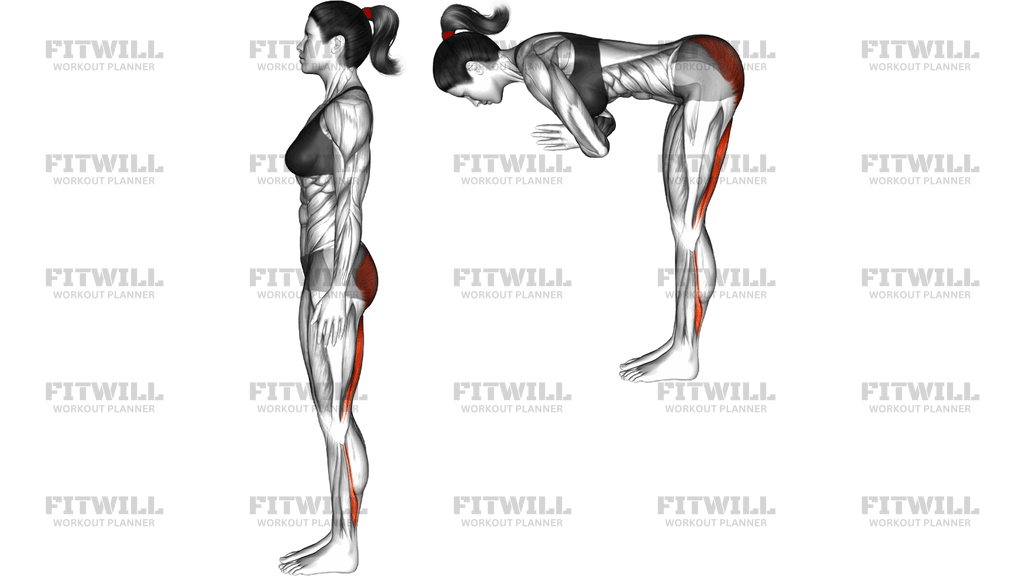
Hands To Feet Pada Hastasana is a standing yoga forward fold that asks you to hinge at the hips, lengthen the spine, and fold until the hands can reach the feet. It is often used as a mobility and control drill rather than a strength exercise, but the position still demands active hamstrings, calves, trunk control, and a calm shoulder position. The goal is not to collapse into the fold; it is to keep the movement smooth, deliberate, and breath-led.
Because the pose relies on how you organize the start, the setup matters more than people expect. A tall standing posture, even pressure through the feet, and a long reach overhead help you begin with the torso stacked before you fold. From there, the hips travel back as the chest moves toward the thighs, which keeps the motion coming from the hip joints instead of from a rounded low back. If the hamstrings are tight, a soft bend in the knees is a better choice than forcing the torso lower.
Hands To Feet Pada Hastasana is useful when you want to lengthen the back of the legs, teach a controlled forward fold, or finish a session with a downregulating stretch. It can also be a good checkpoint for how well the body tolerates hip flexion while the spine stays organized. The deeper range should come from better position and exhale timing, not from yanking the body down with the hands or locking the knees to create the illusion of more range.
The safest and most useful version is the one you can hold with steady breathing and a relaxed neck. As you fold, keep the weight balanced over the middle of the foot, let the shoulders stay away from the ears, and let the head hang without forcing the neck. When you come out of the pose, roll up slowly through the spine and stand up under control so the low back and hamstrings are not shocked by a sudden rise. Done well, Hands To Feet Pada Hastasana feels long, quiet, and precise rather than aggressive.
Fitwill
Log Workouts, Track Progress & Build Strength.
Achieve more with Fitwill: explore over 9600 exercises with images and videos, access built-in and custom workouts, perfect for both gym and home sessions, and see real results.
Start your journey. Download today!




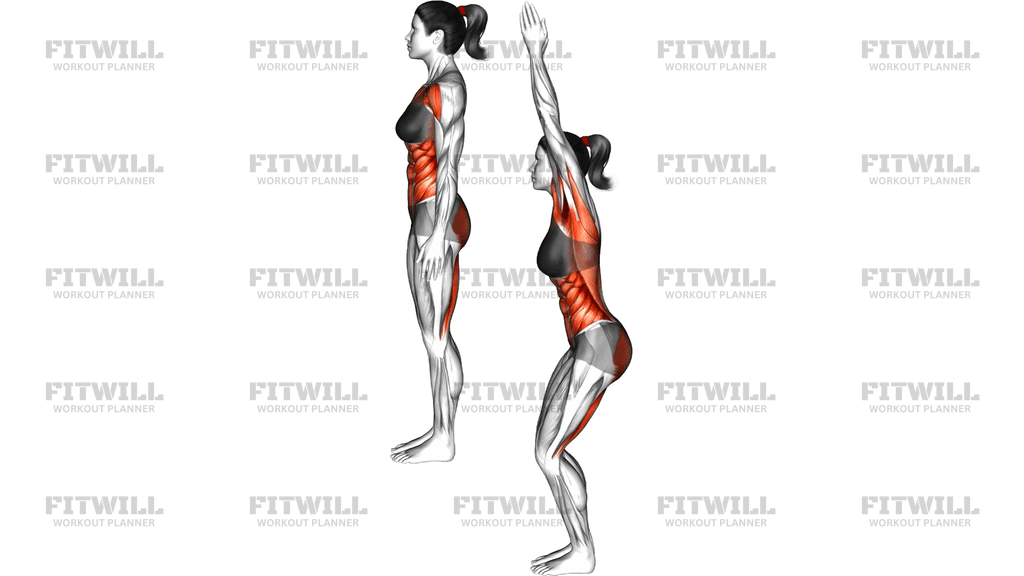
Instructions
- Stand tall with your feet about hip-width apart, arms reaching overhead, and your weight spread evenly across the whole foot.
- Keep your chest lifted and your neck long before you begin the fold.
- Inhale to lengthen through the spine, then exhale as you hinge your hips back and fold forward.
- Slide your hands down your thighs and shins as your torso moves toward your legs.
- Let your knees bend slightly if your hamstrings pull your pelvis under or your low back rounds too early.
- Reach for your big toes, the sides of your feet, or the outer edges of your feet once you can get there without jerking.
- Keep the shoulders soft and the neck relaxed while you draw the torso closer to the thighs.
- Hold the folded position for the planned breath count, then deepen only on a slow exhale if the position stays smooth.
- Release your grip, press through your feet, and roll up slowly to standing one vertebra at a time.
Tips & Tricks
- Keep a soft bend in the knees if straight legs pull your pelvis under and round the low back.
- Think about sending the hips up and back before the chest drops, which keeps the fold anchored at the hip joints.
- Hold the feet lightly; pulling hard on the toes usually makes the shoulders tense and the breath shallow.
- If your hands only reach the shins, stay there instead of chasing the feet with a collapsed spine.
- Let the head hang, but do not force the chin toward the chest or brace the neck.
- Balance the weight through the midfoot and heels so the fold does not drift into the toes.
- Exhale to soften into the fold and inhale to lengthen the back line of the body before each deeper pulse.
- Come out of the pose slowly; standing up too fast can make the hamstrings feel sharper than they need to.
Frequently Asked Questions
What does Hands To Feet Pada Hastasana stretch the most?
It mainly targets the hamstrings and calves, with the low back, glutes, and shoulders also working to keep the fold organized.
Do my legs have to stay straight in Hands To Feet Pada Hastasana?
No. A slight bend in the knees is often the better version because it lets the hips fold forward without forcing the pelvis under.
Where should my hands go in Hands To Feet Pada Hastasana?
Reach for your big toes, the outer edges of your feet, or the shins if that is where you can keep the spine long and the breath steady.
Why do I feel this in my lower back instead of my hamstrings?
That usually means the fold is coming from the waist instead of the hips, or the knees are locked out and the pelvis is being pulled under.
Is Hands To Feet Pada Hastasana beginner-friendly?
Yes, as long as you shorten the range, bend the knees, and avoid forcing the torso to reach the floor.
Should I hold my breath while folding down?
No. Use a slow exhale as you fold and let each inhale lengthen the spine a little before the next deeper release.
Can I use a prop for Hands To Feet Pada Hastasana?
Yes. If the feet are not reachable without rounding hard, keep the hands on the shins or use blocks under the hands in a yoga setting.
How do I come out of Hands To Feet Pada Hastasana safely?
Release your grip first, then roll up slowly through the spine with bent knees before standing tall again.