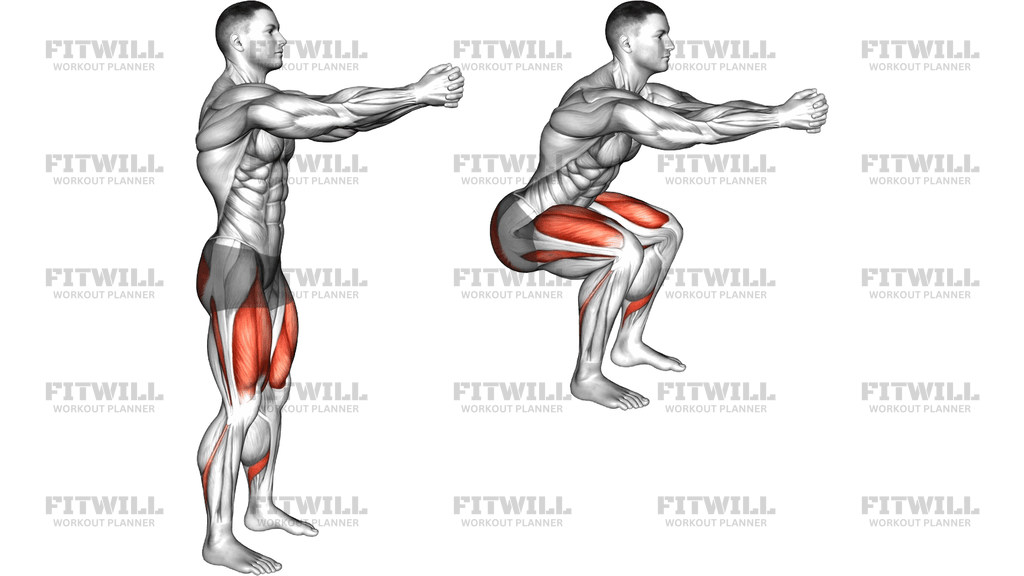
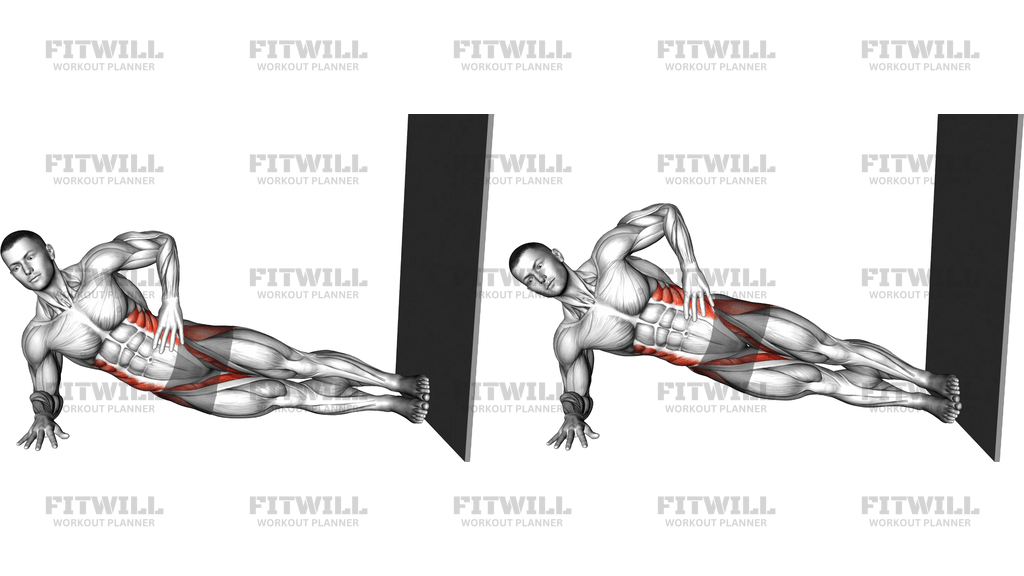
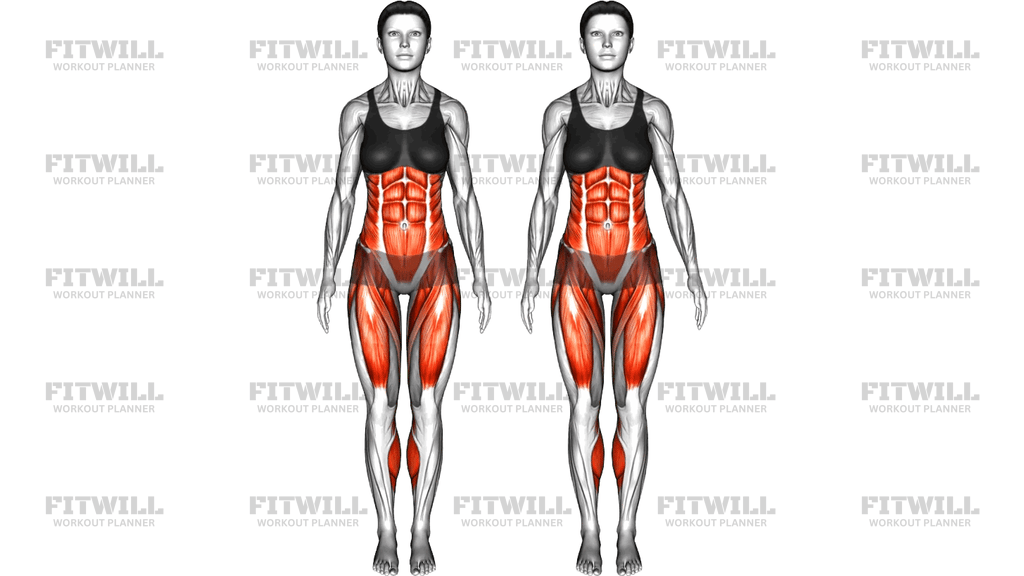
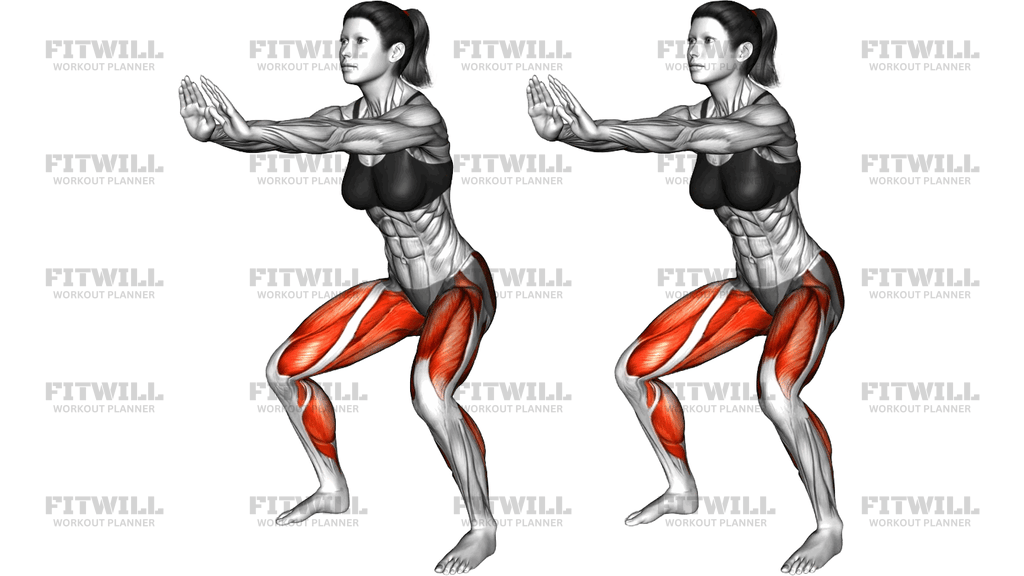
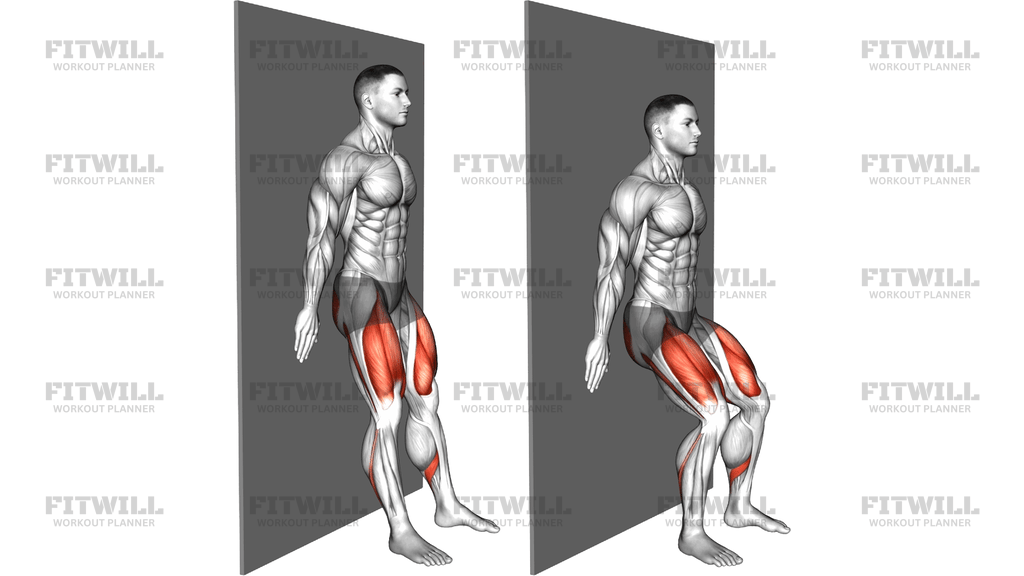
Standing Gluteus Medius Press Against Wall
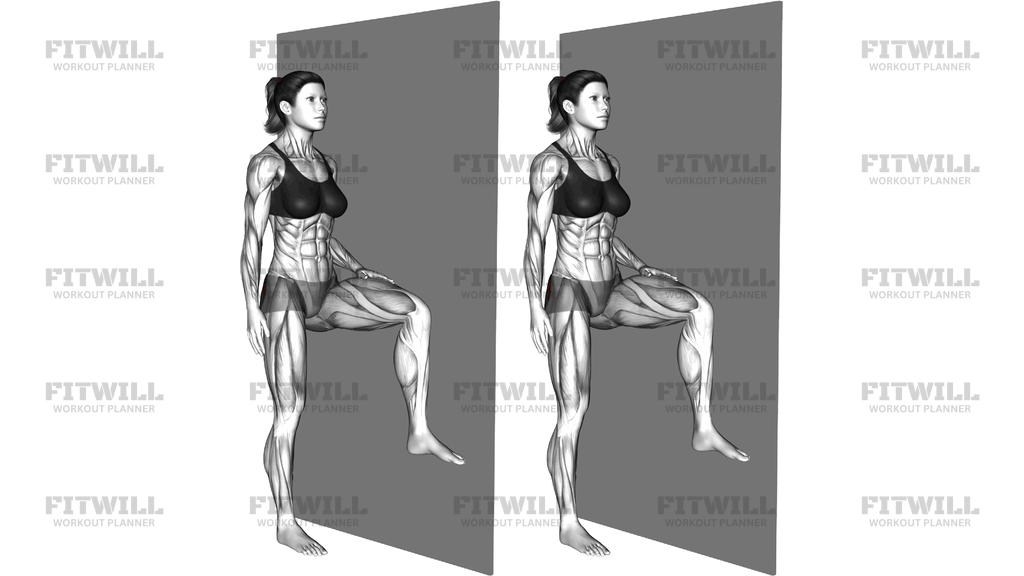
The Standing Gluteus Medius Press Against Wall is a simple isometric exercise that targets the gluteus medius, the muscle on the upper outer part of your hip. You stand on one leg with the outside of that hip close to a wall, press gently into the wall, and raise the opposite knee up in front of you. The wall gives you a fixed surface to push against, which turns a plain single-leg balance drill into a deliberate strength hold for the hip stabilizers.
This movement is especially useful for anyone who spends time on one leg: runners, hikers, people who lift, and anyone rebuilding hip control after time away from training. The gluteus medius is responsible for keeping your pelvis level every time you step, so when it is weak you may notice your hips drop or sway side to side during walking, running, lunges, or stair climbing. Strengthening it in a standing position trains it in exactly the role it plays in real movement.
The main work happens in the gluteus medius of the standing leg. Because you are pressing that hip into the wall while balancing on it, the muscle works isometrically, meaning it produces tension without changing length. The tensor fasciae latae and other hip abductors assist, and your deep core and foot stabilizers work quietly to keep you tall and steady. The raised knee adds a balance challenge that makes the stance hip work even harder.
The setup is what separates this from ordinary single-leg standing. The wall needs to be close enough that your outer hip makes light contact, but not so close that you lean your torso into it. If your ribs or shoulder touch the wall instead of your hip, the press loses its purpose. Keep the contact point at the upper outer thigh and hip, stay tall through the spine, and let the wall be a target for the hip, not a crutch for the whole body.
To perform it well, shift your weight onto the leg nearest the wall, keep that knee softly bent, and press the outer hip into the wall with a modest, steady effort. Lift the opposite knee so the thigh is roughly parallel to the floor, shin hanging down, and hold while breathing normally. Your pelvis should stay level, as if you were balancing a glass of water on both hip bones. Lower the raised foot with control, release the press, and switch sides.
This exercise fits well as an activation drill before squats, lunges, or running, and it also stands on its own as a low-fatigue strength hold on recovery days. Because the effort is self-regulated, you control the intensity by how firmly you press and how long you hold. Stop if you feel sharp pain in the hip, knee, or lower back, and reduce the hold time before reducing anything else.
[ Workout Log & Planner ]
Put your next workout in Fitwill
Keep your plan and training log ready when you are.


Instructions
- Stand sideways to a clear section of wall with the outer hip of your working leg facing it, feet about hip-width apart, and position yourself so the outside of that hip sits within a couple of inches of the wall.
- Shift your weight fully onto the leg nearest the wall and keep that stance knee softly bent, never locked straight.
- Press the outer part of your standing hip and upper thigh into the wall with a light, steady effort, similar to leaning into a closed door.
- Stay tall through your spine with ribs stacked over your pelvis; if you need help balancing, touch the wall with fingertips only rather than leaning your torso into it.
- Brace your abdominal muscles lightly and keep your shoulders relaxed and down.
- Lift the knee of the opposite leg up in front of you until the thigh is roughly parallel to the floor, shin hanging vertical, foot relaxed under the knee.
- Hold the press and the knee lift together, keeping both hip bones level so your pelvis does not tilt or rotate toward or away from the wall.
- Breathe slowly and evenly through the hold; do not hold your breath.
- Lower the raised foot to the floor under control, ease off the wall press, and take a brief reset before switching to the other side.
Tips & Tricks
- The most common mistake is leaning the shoulder or ribs into the wall. If anything above your waist is touching, step slightly away and re-establish contact at the hip only.
- Keep the press at roughly a 20 to 40 percent effort. Grinding maximal pressure usually shifts tension into the lower back and TFL instead of building a sustainable gluteus medius contraction.
- Watch for hip hike: if the hip of the raised-leg side creeps up toward your ribs, your pelvis is compensating. Imagine both hip bones staying at the same height for the entire hold.
- A soft stance knee matters. Locking the knee straight turns the drill into a passive joint hang and reduces the demand on the hip stabilizers.
- If you wobble badly at first, widen your base slightly or rest two fingertips on the wall. Progress by removing the fingertip support before you lengthen the hold.
- Do not let your torso twist away from the wall as you raise the knee. The chest should stay facing the same direction from start to finish.
- Feel for a dull working sensation in the upper outer hip of the standing leg. If you only feel your foot and calf gripping, shorten the hold and refocus on the wall press.
- Two or three holds of 10 to 20 seconds per side is plenty for most people. Quality of the isometric matters more than squeezing out a longer, sloppy hold.
- Use this as a warm-up primer before running or lower-body lifting rather than as the last exercise of a session, when the hip stabilizers are already fatigued.
Frequently Asked Questions
Which muscles does the Standing Gluteus Medius Press Against Wall work?
The primary muscle is the gluteus medius of the standing leg, working isometrically to hold the pelvis level while you press into the wall. The tensor fasciae latae and other hip abductors assist, and your core and foot stabilizers contribute to balance.
Should I feel this in the leg that is standing or the leg that is lifted?
You should feel it in the outer hip of the standing leg, near the wall. The lifted leg mainly creates a balance challenge; if all the work is in the raised thigh, reduce the lift height and refocus on the wall press.
Why press the hip into the wall instead of just balancing on one leg?
The press gives the gluteus medius a deliberate job instead of a passive one, and the wall provides instant feedback on whether your pelvis and torso stay aligned. It converts a balance drill into a measurable strength hold.
How hard should I press against the wall?
Use a light to moderate effort, comparable to leaning into a closed door. A hard press tends to recruit the lower back and changes your alignment without adding benefit.
How long should I hold the Standing Gluteus Medius Press Against Wall?
Start with 10 to 15 seconds per side for 2 to 3 sets, and build toward 20 to 30 seconds as your control improves. Reset fully between holds rather than grinding through fatigue.
Is this a good exercise for beginners?
Yes. It requires no equipment beyond a wall, the intensity is self-controlled, and it teaches single-leg hip stability in a low-risk position. Beginners can shorten the hold or use fingertip support on the wall while learning it.
How close to the wall should I stand?
Close enough that the outer hip of your standing leg can make light contact, usually within a couple of inches. If your shoulder or ribs touch the wall, you are too close and leaning rather than pressing with the hip.
What are the most common mistakes in this exercise?
Leaning the torso into the wall, locking the stance knee, letting the pelvis tilt or rotate, and pressing far too hard. Each of these shifts work away from the gluteus medius, so fix them by staying tall, keeping the knee soft, and moderating the press.
What can I do if I do not have a wall or need a substitute?
A side-lying hip abduction, a banded standing abduction, or a plain single-leg stand with a slow knee raise all train similar hip stabilizers. The wall version is simply the most feedback-rich of the group.
When is the best time to use this exercise in a workout?
It works well as an activation drill at the start of a leg session or before a run, when you want the hip stabilizers switched on. It can also be done on its own on easier training days without leaving you sore.