Band Lying Straight Leg Raise
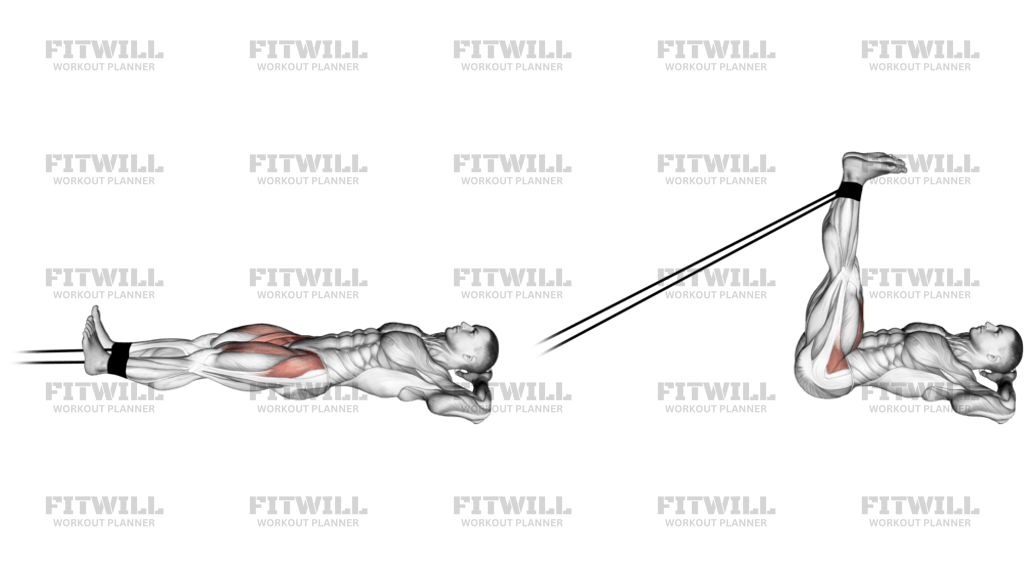
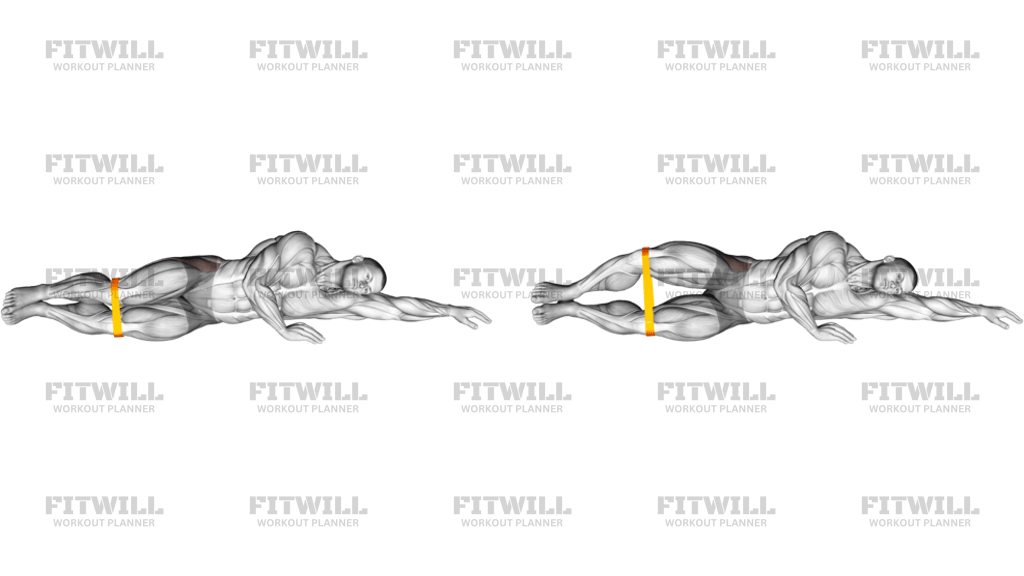
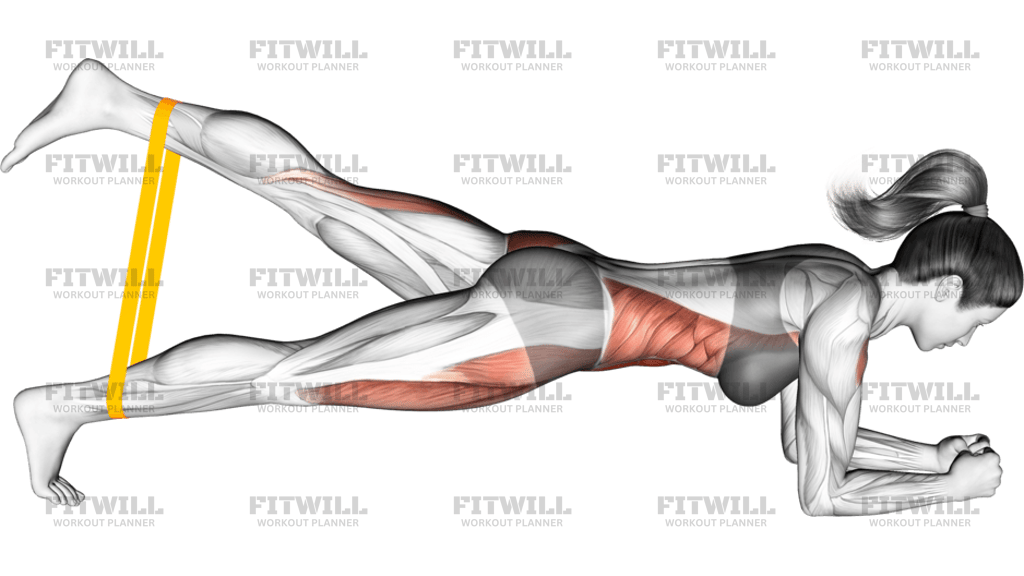
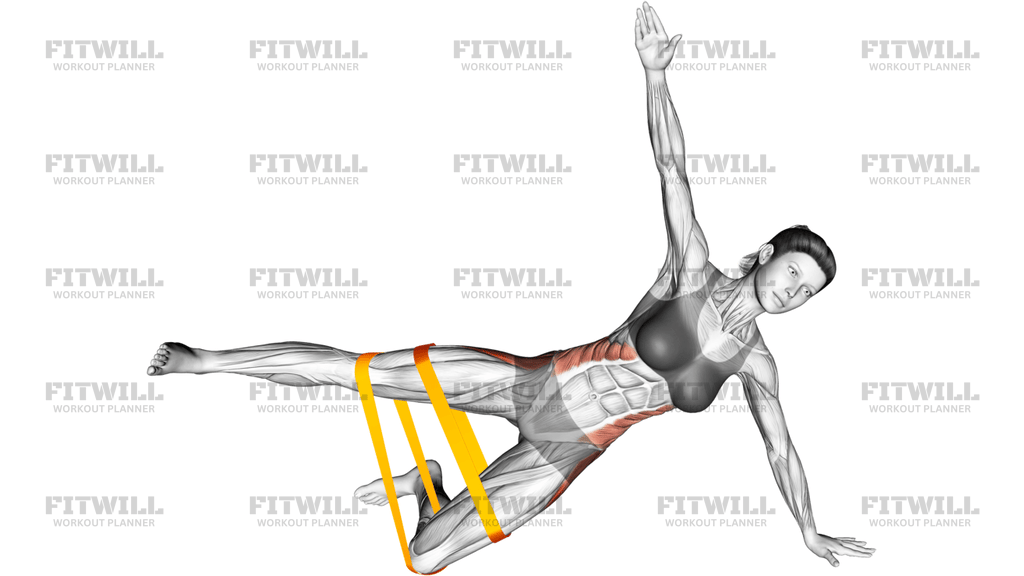
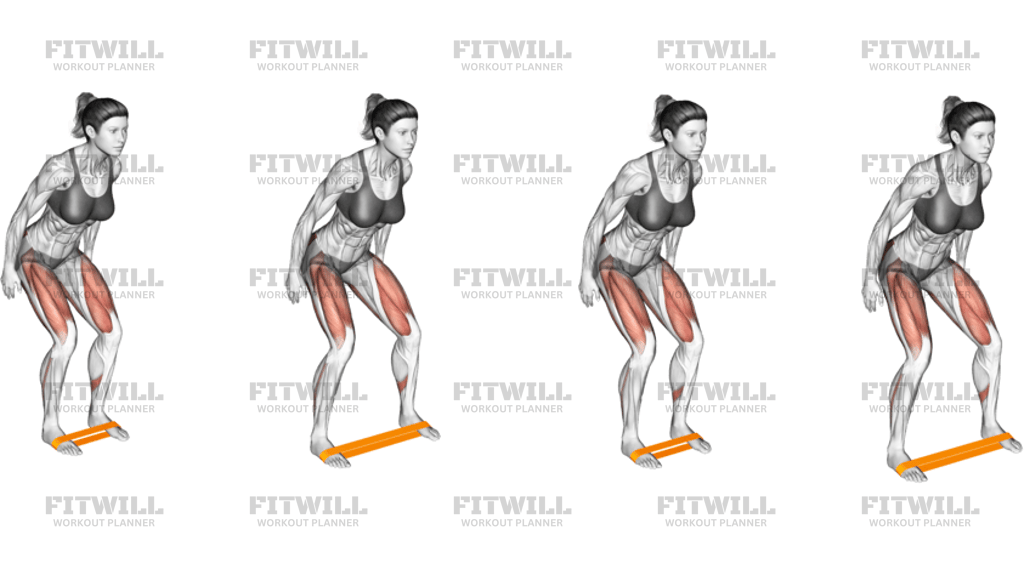
Band Lying Straight Leg Raise is a floor-based core and hip-flexion exercise performed on your back with a band adding resistance to the legs. The movement asks you to keep the knees straight while lifting and lowering both legs as one unit, which makes it useful for training anterior core control, hip flexor strength, and pelvis awareness at the same time. The value of the exercise comes from the quality of the position: when the ribs stay down and the low back stays quiet, the legs can move without the torso taking over.
The main training effect is felt through the lower abs and hip flexors, with the quads helping to hold the knees extended and the deep trunk muscles resisting unwanted arching. In practical use, that means this is less about forcing a huge range and more about controlling the pelvis as the legs travel. The band increases the challenge as the legs lower, so the bottom half of the rep is usually the hardest part and the place where form breaks first if the load is too aggressive.
Set the exercise up on a mat or firm floor with the band looped so it creates steady tension through both feet. The starting position should let you lie fully supported, legs straight, and low back gently pressed toward the floor. If the band is pulling hard enough to tip the pelvis or yank the feet around, the setup is too heavy or the anchor is too close. A clean setup makes the rest of the set predictable and keeps the movement from turning into a swing.
Each repetition should begin from a braced base. Lift the legs only as high as you can without losing contact between the low back and the floor, then lower them slowly under control. The top of the rep should look organized, not forced, and the descent should be deliberate enough that you can feel the abs and hip flexors working rather than the band snapping the legs back down. Breathing should stay steady, with an exhale on the lift and an inhale on the return.
This exercise fits well in core-focused training, warm-ups, accessory work, and rehab-style strength blocks where precision matters more than load. It is beginner-friendly if the band is light and the range is shortened, but it becomes sloppy quickly when the resistance is too heavy. Use it when you want a clear floor-feedback exercise for trunk control and straight-leg hip flexion, and stop the set as soon as the lower back starts to arch or the legs can no longer stay under control.
[ Workout Log & Planner ]
Put your next workout in Fitwill
Keep your plan and training log ready when you are.


Instructions
- Lie on your back on a mat or firm floor and loop the band so it creates tension through both feet.
- Keep your legs straight, your feet together or nearly together, and your arms relaxed at your sides for support.
- Set your ribs down, lightly press your low back into the floor, and brace before the first rep.
- Lift both straight legs together toward the ceiling until the pelvis starts to tip or the band tension peaks.
- Keep the knees long but not locked back, and avoid letting the feet drift apart as you raise.
- Pause briefly at the top without arching the lower back or losing tension in the band.
- Lower the legs slowly until just before the low back starts to lift off the floor.
- Reset your brace and repeat for the planned number of repetitions, exhaling on the lift and inhaling on the return.
Tips & Tricks
- If the low back arches, shorten the range before you lower the band tension.
- Keep the legs together or lightly squeezed so the band does not separate the feet.
- A slow 2 to 3 second lower usually makes the exercise far more effective than rushing reps.
- Stop the rep where the pelvis stays quiet; vertical legs are only useful if the spine stays flat.
- Use a lighter band if the feet jerk upward or the lowering phase feels uncontrollable.
- Keep the toes and ankles relaxed so you do not turn the set into a calf cramp.
- Think about curling the pelvis toward the ribs on the way up rather than swinging the legs.
- If the hip flexors cramp early, reduce the resistance and shorten the set before form breaks.
Frequently Asked Questions
What does Band Lying Straight Leg Raise train most?
It mainly trains the lower abs and hip flexors, with the quads helping keep the knees straight.
Where should I feel the band lying straight leg raise?
You should feel the front of the hips and lower abs working, not a big arch in the lower back.
How high should my legs go?
Lift only as high as you can while keeping your low back pressed toward the floor.
Why does my lower back pop off the floor during this exercise?
The band is usually too heavy or the range is too long. Shorten the lift and lower the resistance until you can stay flat.
Is this the same as a hanging straight leg raise?
No. This version is done on the floor, so you get support from the ground and a clearer cue for pelvic control.
Can beginners do band lying straight leg raise?
Yes, if the band is light and the range is shortened enough to keep the pelvis steady.
Should my knees stay locked straight?
Keep them mostly straight, but do not force them into hyperextension or snap them into position.
What is the best way to progress this movement?
Progress by using a stronger band, slowing the lowering phase, or increasing range only if your low back stays planted.