Weighted Seated Marching On A Chair
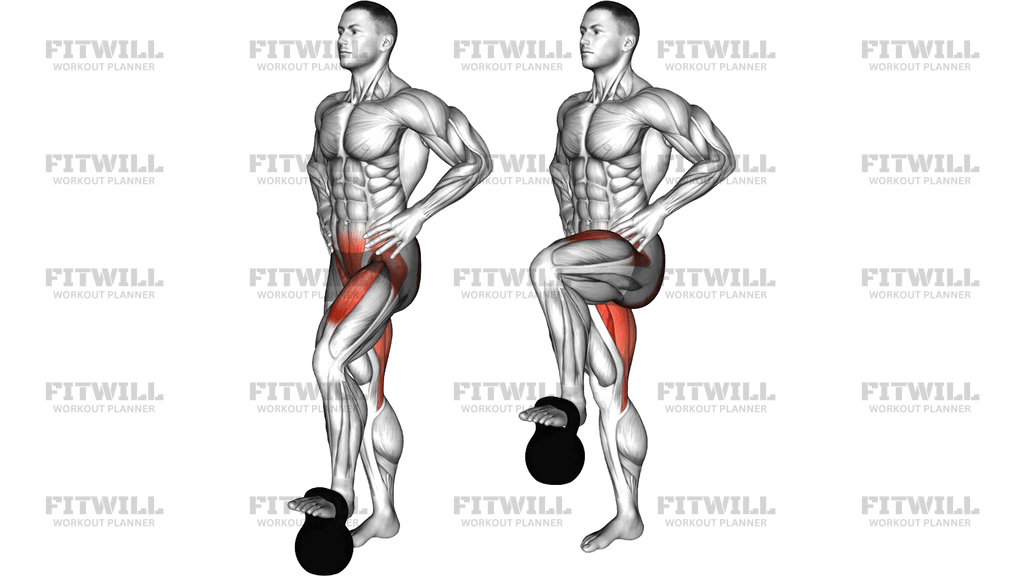
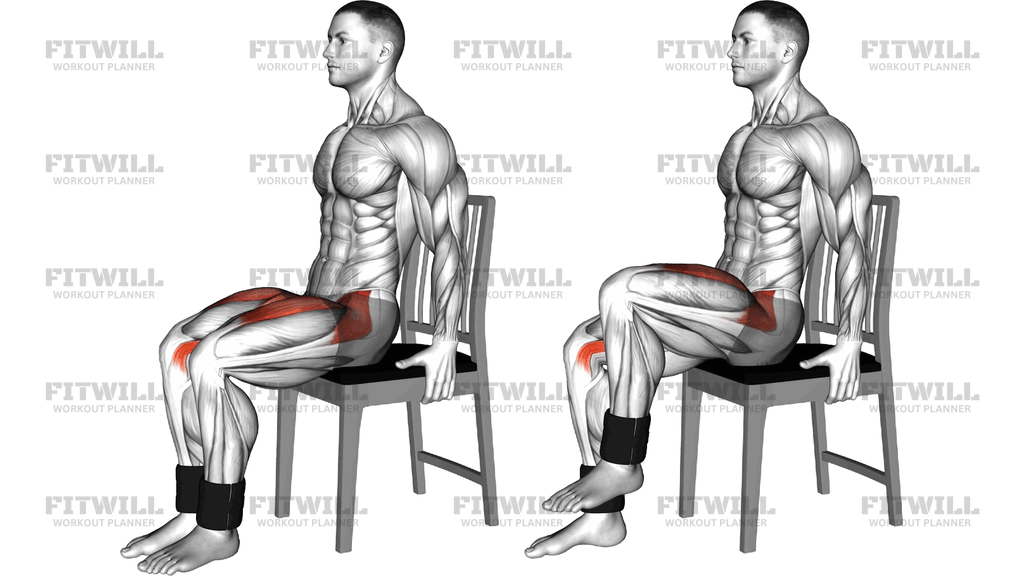
Weighted Seated Marching On A Chair is a seated hip-flexion drill performed with an ankle weight strapped just above the foot. You sit tall on a sturdy chair with your hands gripping the front edge of the seat for support, then lift one knee upward toward your chest at a time, as if marching in place while seated. The added weight turns what is normally a light activation exercise into a genuine strength challenge for the hip flexors, which are surprisingly easy to neglect in conventional training.
The main work comes from the iliopsoas and rectus femoris as they drive the thigh upward against the load on your ankle. Your quadriceps help as the knee bends and lifts, the lower abdominals work isometrically to keep your torso from collapsing backward or twisting, and the glute of the planted leg keeps your pelvis stable on the seat. Because you are seated, the spine is supported and the movement is very joint-friendly, which makes it easy to load progressively without stress on the lower back.
This exercise is especially useful for older adults, people returning from lower-body injuries, desk workers with dormant hip flexors, and anyone building toward harder hanging knee raises or standing march drills. Strong hip flexors carry over to walking, climbing stairs, running, and getting up from the floor, so the carryover is practical rather than cosmetic.
Setup matters more than it looks. A chair without wheels, with your feet flat on the floor and your hands anchored on the seat edge, gives you a stable base so the effort goes into the hip lift instead of into wobblying around. Sit on the front half of the seat rather than slouching against the backrest, because an upright torso keeps the hip flexors in a stronger line of pull and stops the lower back from rounding.
To perform it well, keep each rep deliberate: drive the knee up as high as your hip allows without leaning back, pause briefly at the top, then lower the foot under control until it touches the floor before switching legs. The ankle weight should stay snug on the shin just above the ankle joint so it does not slide or swing. Breathe out as the knee rises and in as it lowers.
Use it as a focused hip-flexor strength move for 2 to 3 sets of 8 to 15 marches per leg, or as part of a seated low-impact circuit. If you feel pinching at the front of the hip, reduce the weight or the height of the lift rather than pushing through discomfort.
[ Workout Log & Planner ]
Put your next workout in Fitwill
Keep your plan and training log ready when you are.


Instructions
- Sit on a sturdy, wheeled-free chair with your feet flat on the floor and your back tall, positioned on the front half of the seat.
- Strap an ankle weight snugly around one shin just above the ankle bone so it cannot slide or rotate during the lift.
- Grip the front edge of the seat on both sides of your hips with your hands to lock your upper body in place.
- Brace your abdominals lightly and keep your chest up, shoulders relaxed and directly over your hips.
- Exhale and drive one knee upward toward your chest, letting the weighted ankle hang as the thigh rises.
- Pause for a moment at the top of the lift, when the thigh is as high as you can raise it without leaning your torso backward.
- Inhale and lower the foot slowly back to the floor under control instead of letting the weight drop it down.
- Repeat the lift with the opposite leg, keeping the rhythm steady like a slow seated march.
- Complete all reps or alternate legs as planned, then unstrap the ankle weight and stand up carefully once finished.
Tips & Tricks
- A common mistake is leaning the torso back to help the knee rise higher; this shortens the hip flexors' work and shifts effort to the lower back. Keep your chest stacked over your hips and accept a lower knee height if needed.
- If the chair slides forward on each lift, your grip is too loose. Press your hands firmly down into the seat edge rather than just resting them there.
- Strap the weight above the ankle bone on the shin, not on the foot. A cuff on the foot acts like a long lever on the ankle and pulls the lower leg into awkward angles.
- Avoid swinging the leg up with momentum; the pause at the top is what separates a strength rep from a random leg bounce.
- Do not let the planted foot drift or roll inward as you lift the other knee. Keep the whole foot flat to keep the pelvis level.
- Start with a light cuff of 1 to 2 kilograms. Hip flexors respond well to higher reps, and too much weight usually shows up as a jerky, shortened lift.
- If you feel a pinch at the front of the hip, slightly reduce how high you raise the thigh and check that you are not tucking your pelvis under as you lift.
- Keep the tempo slower on the lowering phase than the lifting phase; this doubles the work the hip does and improves control for the next rep.
- On a soft or padded chair, sit far enough forward that your sit bones rest on the firm front edge, or the unstable seat will steal stability from the lift.
Frequently Asked Questions
What muscles does Weighted Seated Marching On A Chair work?
The primary muscles are the hip flexors, mainly the iliopsoas, with help from the quadriceps as the knee lifts. The lower abdominals and the glute of the planted leg work to keep your torso and pelvis steady.
Why use an ankle weight instead of doing seated marches with body weight only?
The cuff adds real resistance to a movement that is otherwise quite easy, turning it into a strength-building exercise. Start light, around 1 to 2 kilograms, and only add load when every rep stays smooth and tall.
Is Weighted Seated Marching On A Chair suitable for beginners?
Yes, it is one of the most accessible weighted lower-body exercises because the chair supports your spine and the range is self-limiting. Beginners should master the unweighted version first, then add a light ankle cuff.
Why should I grip the edge of the chair during the exercise?
Gripping the seat anchors your upper body so the lifting leg does not drag your torso backward or sideways. It lets you put all the effort into the hip lift and keeps the movement honest.
How high should I lift my knee?
Lift to whatever height you can reach while keeping your torso upright and your foot relaxed. For most people that means the thigh roughly level with or slightly above the seat, and forcing it higher usually causes a backward lean.
Should I march both legs in an alternating rhythm or finish one side first?
Both work. Alternating like a march keeps the pace even, while completing all reps on one side before switching makes it easier to notice strength differences between hips. Alternate sides if you are unsure.
What is the most common mistake with this exercise?
Leaning the torso back and letting the weight drop the leg down on the way back. Both habits cut the hip flexors out of the work; stay tall and control the descent until the foot touches the floor.
Can I do Weighted Seated Marching On A Chair if I have lower back issues?
The seated, supported position makes it gentler on the back than standing or hanging hip-flexion drills, but sensitivity varies from person to person. Keep the lift modest, avoid any pinching sensation, and check with a professional if you have a current or recent back problem.
What can I substitute if I do not have an ankle weight?
You can perform the same seated march with just your body weight and slower tempos, or hold a light dumbbell vertically against the front of your thigh with both hands as you lift. The chair and the movement pattern stay the same.
How many reps and sets should I do?
Two to three sets of 8 to 15 lifts per leg works well for strength and endurance. Rest about 45 to 60 seconds between sets, and stop the set when your knee height or torso position starts to break down.