Frog Crunch Feet Together
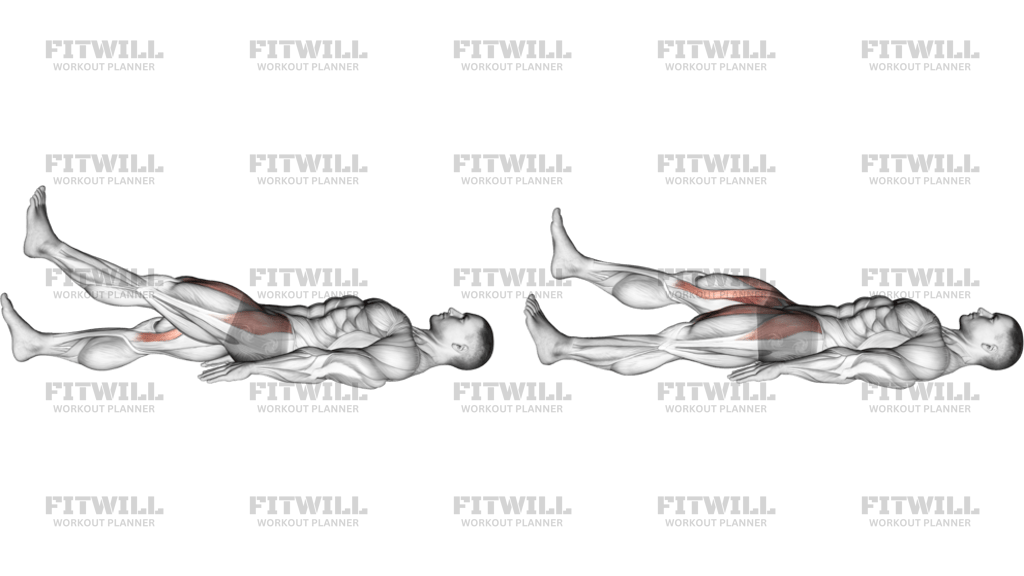
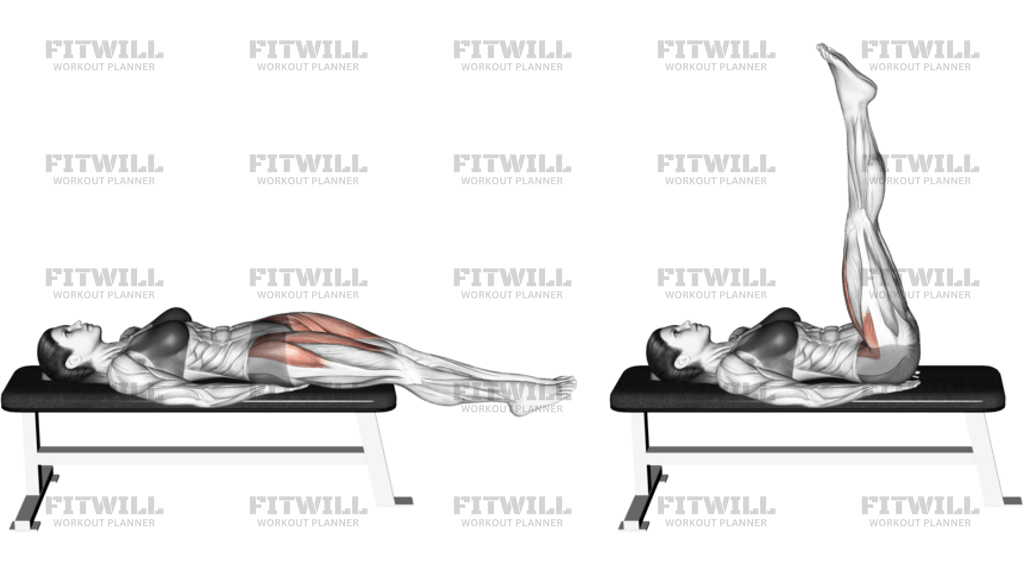
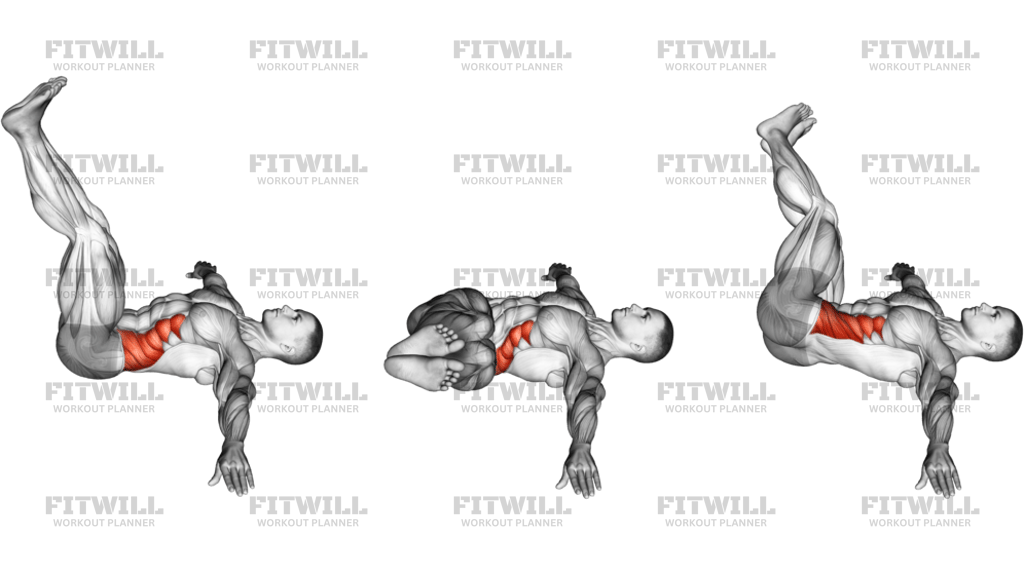
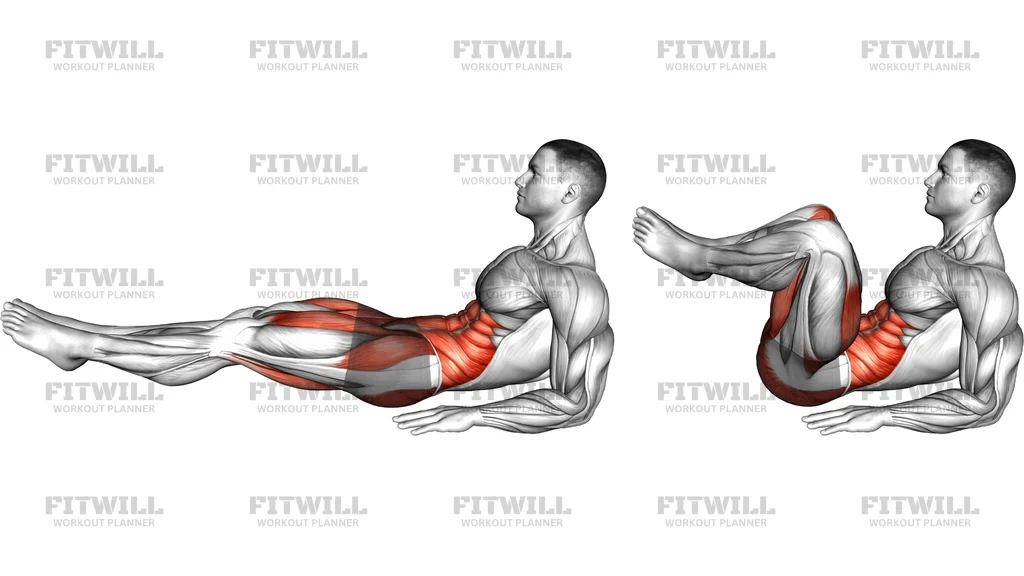
The Frog Crunch Feet Together is a bodyweight abdominal exercise performed lying on your back, usually on a mat or the floor. You start with your legs extended together and hovering just above the ground, arms resting at your sides. From there, you draw your knees in toward your chest while letting them flare outward, soles of the feet coming together in a frog-like position, as your upper body curls up to meet the movement. It is essentially a reverse crunch and a small crunch combined into one smooth folding action.
What makes the feet-together frog position useful is how it changes the demands on your midsection. Bending the knees out to the sides shortens the lever of your legs, which makes the movement more accessible than a straight-leg reverse crunch, while still forcing the lower abdominals and hip flexors to lift and control your pelvis and legs. The slight outward knee flare also lightly engages the inner thigh muscles and encourages a posterior pelvic tilt, which is exactly what you want when training the lower portion of the rectus abdominis.
This exercise suits a wide range of trainees. Beginners use it to learn how to move the pelvis with the abs instead of yanking with the neck or hips, while more experienced lifters use it as a higher-rep finisher or as a controlled way to load the lower abs without equipment. Because everything happens on the floor with no added load, it fits easily into home workouts, warm-ups, and core circuits.
Setup matters more than it looks. Lie back with your lower back pressed gently toward the floor, legs straight and together, and your hands flat on the ground alongside your hips for light balance support only. If your back arches or your legs feel too heavy at full extension, start with your legs slightly bent or keep your heels closer to the floor rather than fighting a range you cannot control cleanly.
Execution should feel like a fold, not a jerk. Exhale as you curl your tailbone off the ground and pull the knees in with the feet staying together, letting the knees track out to the sides. At the top, your shoulder blades may lift slightly off the floor as the torso and knees come toward each other. Lower slowly, extending the legs back out until they hover above the floor, and avoid letting your lower back pop off the ground at the stretched position.
The main safety point is spinal control. Move at a deliberate pace, keep the neck relaxed rather than straining the chin forward, and stop short of any range where your lower back arches sharply off the floor. If you feel the work shifting into your hip crease or lower back instead of your abdomen, reduce the range or bend the knees more until your abdominal strength catches up.
[ Workout Log & Planner ]
Put your next workout in Fitwill
Keep your plan and training log ready when you are.


Instructions
- Lie flat on your back on an exercise mat with your legs extended straight and together and your arms resting on the floor alongside your hips, palms down.
- Press your lower back lightly toward the floor and lift both legs a few centimeters off the ground so they hover, feet together.
- Brace your abdominal wall as if preparing for a light poke, and keep your head and neck relaxed on the mat.
- Exhale and simultaneously pull your knees in toward your chest while curling your tailbone and hips up off the floor.
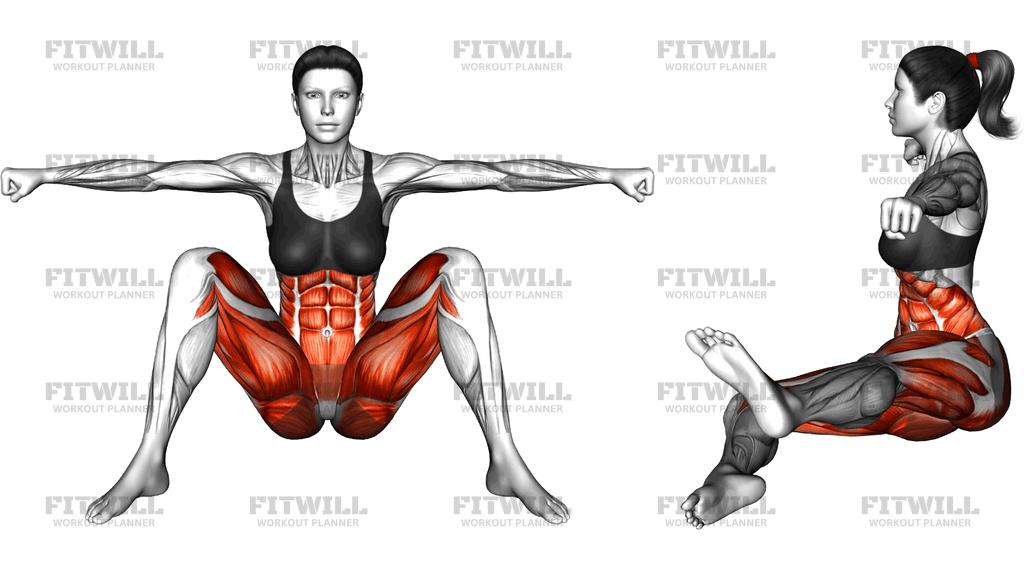
- As the knees travel in, let them bend and flare out to the sides so the soles of your feet come together in a frog position, knees tracking wide.
- At the top of the rep, allow your shoulder blades to lift slightly off the mat as your torso and knees fold toward each other.
- Pause briefly and squeeze your lower abs at the peak of the fold.
- Inhale and lower with control, uncurling the spine and extending the legs back out to the hovering straight-leg position without letting your feet or lower back slam down.
- Reset your brace before each rep and keep the movement smooth rather than momentum-driven.
Tips & Tricks
- The most common mistake is swinging the legs in with momentum, which hands the work to the hip flexors; pause for a full second at the top to keep the abdominals driving the movement.
- If your lower back arches as you extend the legs out, do not extend them as far; shorten the range so your lumbar spine stays in contact with the mat.
- Keep your palms flat on the floor beside your hips for balance only — pressing hard through the arms turns the rep into a push-off and robs your abs of the work.
- Let the knees genuinely flare outward as they come in; pulling them straight up changes the feel and loses the frog position that keeps the feet together.
- Avoid pulling your chin toward your chest; imagine an apple under your chin and let the curl come from your ribcage and pelvis, not your neck.
- Exhale sharply on the way up — this naturally helps your abs shorten and makes the pelvic tilt easier to feel.
- Slower lowering matters more than the lift here; take two to three seconds on the way down to build control in the stretched position.
- If your inner thighs cramp in the frog position, reduce the knee flare slightly — a narrower bend still trains the same pattern.
- Place a folded towel under your tailbone if the bony contact on a hard floor distracts you from feeling your abs.
Frequently Asked Questions
What muscles does the Frog Crunch Feet Together work?
The primary muscles are the lower abdominals, with the rest of the rectus abdominis assisting as you curl the torso. The hip flexors lift the legs, and the inner thighs contribute lightly as the knees flare into the frog position.
Why are the feet kept together instead of crossed or separate?
Keeping the soles together with the knees flared out shortens the leg lever and makes the pelvic tilt easier to feel. It also adds a small adductor involvement and gives the movement its characteristic frog shape.
Is the Frog Crunch Feet Together good for beginners?
Yes, it is one of the more approachable lower-ab exercises because the bent-knee frog position reduces the load compared to straight-leg variations. Beginners can start with a smaller knee lift and a shorter leg extension.
How is this different from a regular reverse crunch?
A regular reverse crunch keeps the knees bent at roughly 90 degrees and stacked, while the Frog Crunch Feet Together flares the knees outward and starts from extended, hovering legs. This gives you a longer range and a distinct stretch at the bottom of each rep.
Should my shoulder blades leave the floor during the movement?
A slight lift at the top is natural as the torso folds toward the knees. Forcefully cranking the upper body high turns it into a sit-up, so keep the curl modest and let the pelvic tilt do most of the work.
Why do I feel this more in my hips than my abs?
That usually means momentum or a strong hip-flexor pull is dominating the rep. Slow the tempo, exhale as the knees come in, and focus on tilting your tailbone up first so the abdominal contraction leads the movement.
What can I do if my lower back discomforts me when the legs extend?
Stop the leg extension earlier, keeping the knees slightly bent as you return, or keep the heels closer to the floor. Strengthening the deep core with more regressed variations before progressing back to full extension is a sensible path.
How many reps and sets should I do?
Because it is a bodyweight movement, 2 to 4 sets of 10 to 20 controlled reps works well, either as a dedicated core block or as a finisher. Prioritize slow lowering over chasing a high rep count.
Can I make the Frog Crunch Feet Together harder without equipment?
Yes — pause longer at the top, slow the lowering phase to four or five seconds, or extend the legs closer to the floor without letting your lower back arch. Adding a squeeze of the feet together at the top also increases the demand.
Do I need a mat for this exercise?
A mat is recommended because you are lying directly on your spine and tailbone through the whole movement. On a hard floor, a mat or folded towel makes the rolling pelvic tilt far more comfortable.