Cable Backward Walk
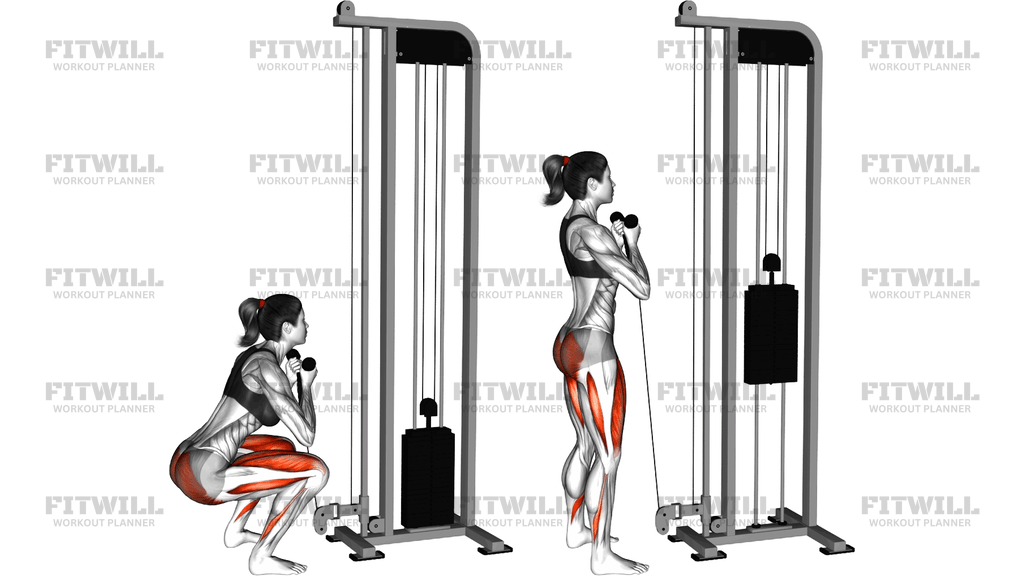
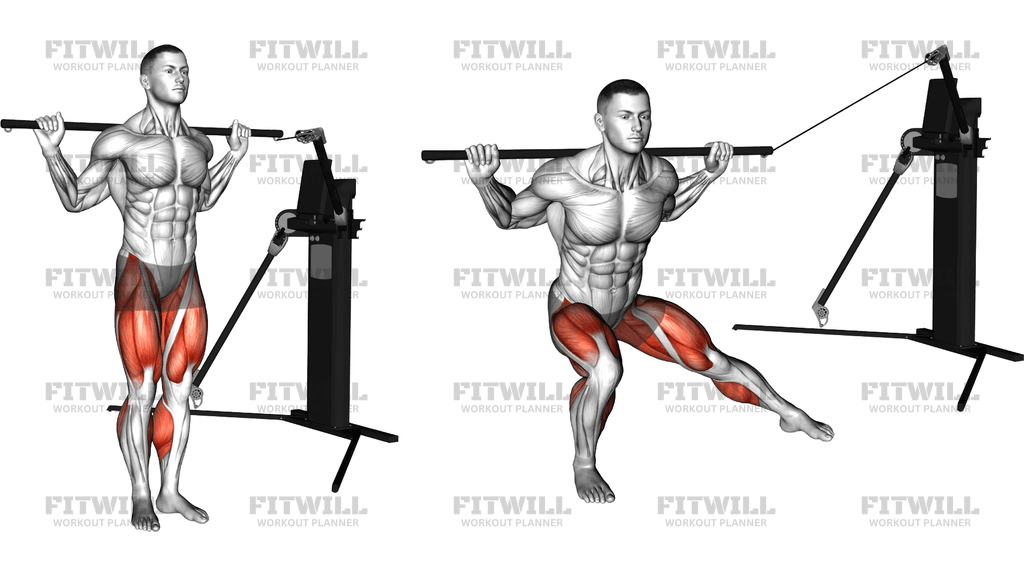
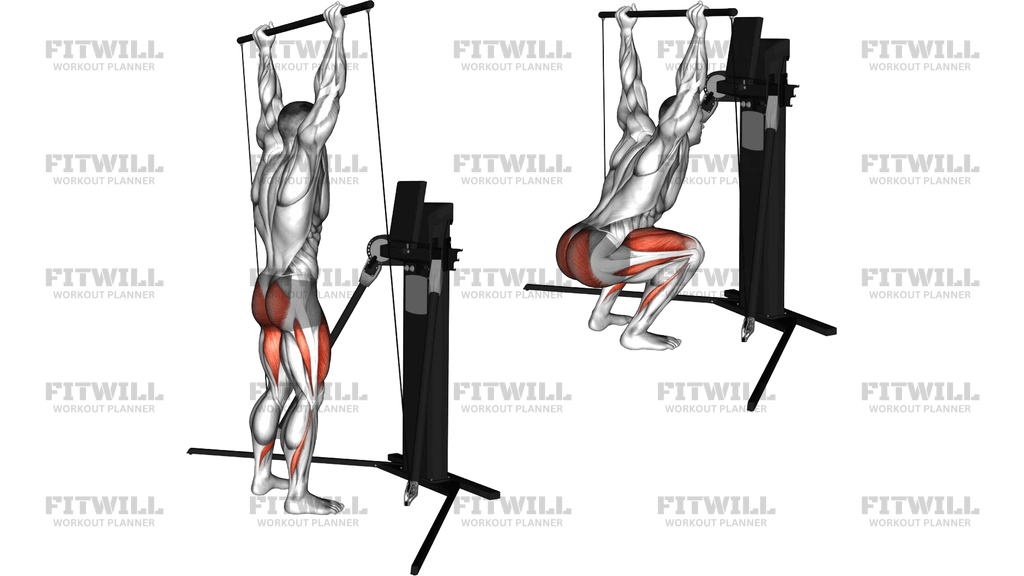
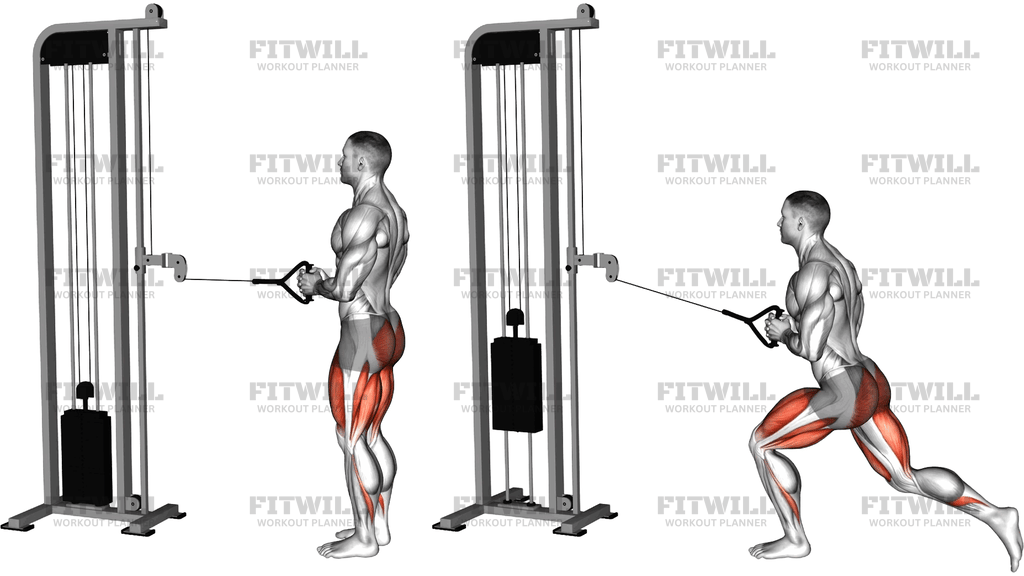
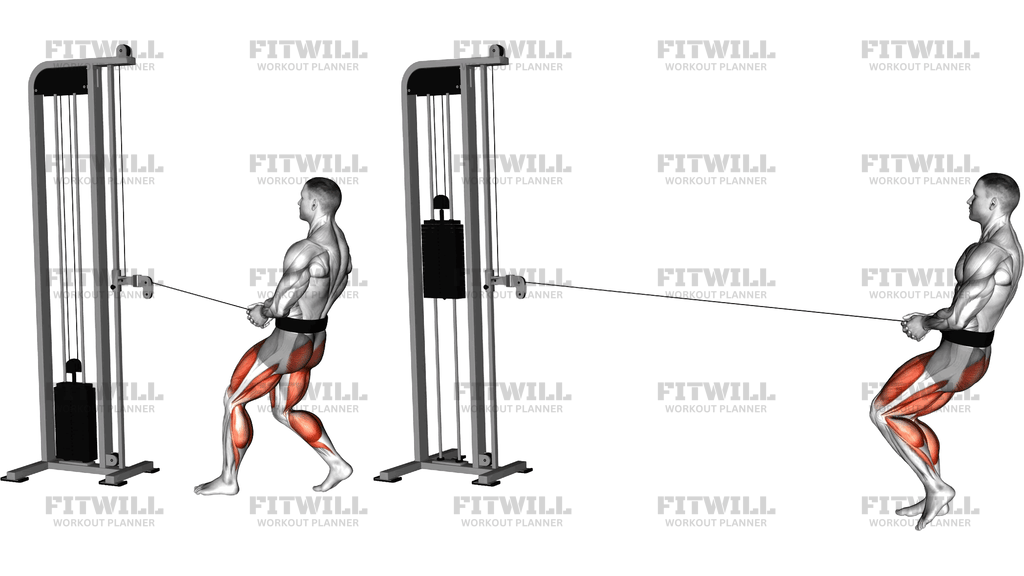
The Cable Backward Walk is a lower-body conditioning and strength exercise that turns an ordinary walk into a loaded drill. You attach a belt or handle from the low pulley of a cable machine around your waist, then walk backward away from the machine while the cable continuously pulls you forward. The further you walk, the more tension you must overcome, which makes every step a deliberate, resisted effort rather than a casual stride.
This movement trains the legs through an unusual demand: backward locomotion under load. Because your foot strikes toe-first and your body leans slightly back to counter the cable, the quadriceps work hard to extend the knee with each step, while the glutes and hamstrings drive the hip back and the calves stabilize every landing. Backward walking also shifts stress away from the lower back compared to forward sled work, which is why it is a staple in both athletic conditioning and knee-friendly strength programming.
The setup matters more than it might seem. The pulley should be at its lowest setting so the pull angle stays roughly level with your waist, and the attachment should sit at your midsection rather than in your hands, so your arms stay relaxed and your legs do the work. If the cable is too high or you hold the handle with a tight grip, your shoulders and arms start fighting the load and the emphasis drifts away from the lower body.
To execute it well, face the machine, take a few controlled steps back to tension the cable, and settle into a slight backward lean with a braced trunk. Walk back by reaching each foot behind you, rolling from toe to heel, and pushing the floor away instead of pulling yourself along. Keep the steps shorter and quicker than a normal walk at first, because long strides under tension tend to turn the movement into a lurching, momentum-driven mess.
Common use cases include warm-ups before squats or sled pushes, accessory work for quadriceps development, rehabilitation-style backward gait training with light tension, and conditioning finishers where the cable provides smooth, adjustable resistance without the space a sled requires. Because the weight stack can be dialed down to almost nothing, the drill scales cleanly from gentle activation to genuinely demanding work.
For safety, clear the walkway behind you before you start, since you will be moving blind in that direction. Keep the load moderate enough that you can stop mid-step without being dragged, and reset the distance or weight if your torso starts collapsing forward or your steps become choppy. Finish the set by walking slowly back toward the machine with the cable still taut, then release the attachment under control.
[ Workout Log & Planner ]
Put your next workout in Fitwill
Keep your plan and training log ready when you are.


Instructions
- Set the pulley of the cable machine to its lowest position and attach a belt or single handle; secure the belt around your waist or hold the handle at hip height with a relaxed grip.
- Face the machine with your feet about hip-width apart, then walk backward in straight, controlled steps until the cable is fully taut and the weight stack lifts slightly.
- Stand tall with a slight backward lean from the ankles, shoulders stacked over the hips, and brace your abdominal muscles as if preparing for a light push to the chest.
- Step back by reaching one foot behind you, landing toe-first, then roll the foot down to the heel and push the floor away through the ball of the foot.
- Repeat with the opposite leg, keeping steps shorter than a normal walking stride so you stay balanced against the cable's pull.
- Continue walking away from the machine for your target distance or rep count, keeping the lean and step length consistent the entire time.
- Exhale steadily through the walk and avoid holding your breath, especially as the tension builds with distance.
- When you finish, slow down, keep the cable taut, and walk forward toward the machine with small careful steps until the stack settles.
- Release the attachment or unclip the belt only after the weight has fully returned, then reset before the next set.
Tips & Tricks
- The most common mistake is walking too fast and letting momentum do the work; if your upper body is bobbing or the stack is slamming, slow the pace and shorten your stride.
- If you feel the pull in your lower back rather than your legs, reduce the backward lean, brace harder, and check that the pulley is at its lowest setting.
- Avoid turning your head to look behind you mid-set; scan the floor behind you before starting so you never have to rotate your trunk while under tension.
- Holding the handle with a death grip loads the forearms and shoulders; if you use a handle, grip it lightly and let the legs carry the effort.
- Land toe-first on each backward step, not heel-first; a heel-first landing under backward tension jars the knee and steals the quad work.
- Keep your feet tracking straight ahead; letting the knees cave inward as you step back shifts stress to the inner knee and weakens the drive.
- Start with a light weight for your first set even if you are strong, because the balance demand of backward walking under tension is larger than most people expect.
- Use markers such as floor tiles or cones to keep your walking path straight; drifting sideways changes the pull angle and can twist the hips.
- If the cable rides up toward your ribs, you have wandered off-axis from the pulley; realign directly in front of the machine before continuing.
Frequently Asked Questions
What muscles does the Cable Backward Walk work?
The quadriceps are the primary movers, since each backward step forces the knee to extend against the cable's pull. The glutes and hamstrings assist at the hip, and the calves stabilize every toe-first landing.
Why walk backward instead of forward with the cable?
Backward walking places the knee extension demand in a pattern that is gentler on the kneecap than forward locomotion, and it strengthens the quads through a range that forward walking rarely loads. It also keeps the torso more upright than a forward lean, which spares the lower back.
Is the Cable Backward Walk suitable for beginners?
Yes, as long as the weight is kept very light at first. The hard part is coordination and balance, not strength, so beginners should practice the toe-first backward gait with minimal load before adding resistance.
How far should I walk during each set?
Most people work with a set distance of 10 to 20 meters or a fixed number of steps per leg, then walk forward to reset. Start with a shorter distance and extend it once your steps stay smooth under tension.
Should I hold the handle or wear a belt for the Cable Backward Walk?
A belt around the waist is preferable because it frees the arms and keeps the pull at your center of mass. A handle held loosely at the hip works in a pinch, but a tight grip tends to create shoulder and forearm tension.
How high should the cable pulley be set?
Set it at the lowest position so the cable runs roughly level with your waist. A higher pulley pulls upward and forward, which drags your torso out of position and shifts work away from the legs.
What can I use instead if I do not have a cable machine?
A weighted sled pulled backward or a resistance band anchored low around the waist are the closest substitutes. Both preserve the backward-loaded gait, though the cable offers the smoothest, most adjustable tension.
Can I use the Cable Backward Walk as a warm-up?
It works well as a lower-body warm-up with light weight, waking up the quads, glutes, and calves before squats or sled work. Keep it to one or two easy passes so you do not fatigue the legs before the main lift.
Is it safe to walk backward while I cannot see where I am going?
It is safe if you plan the path before you start. Walk the route forward once, confirm it is clear of plates, benches, and other people, and keep your eyes forward with only occasional glances rather than turning your whole body.