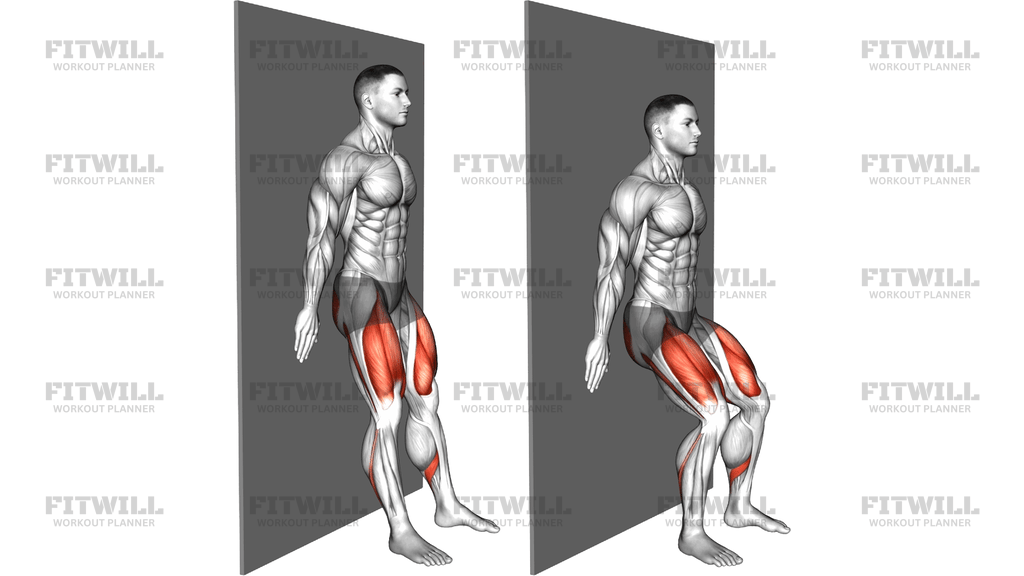
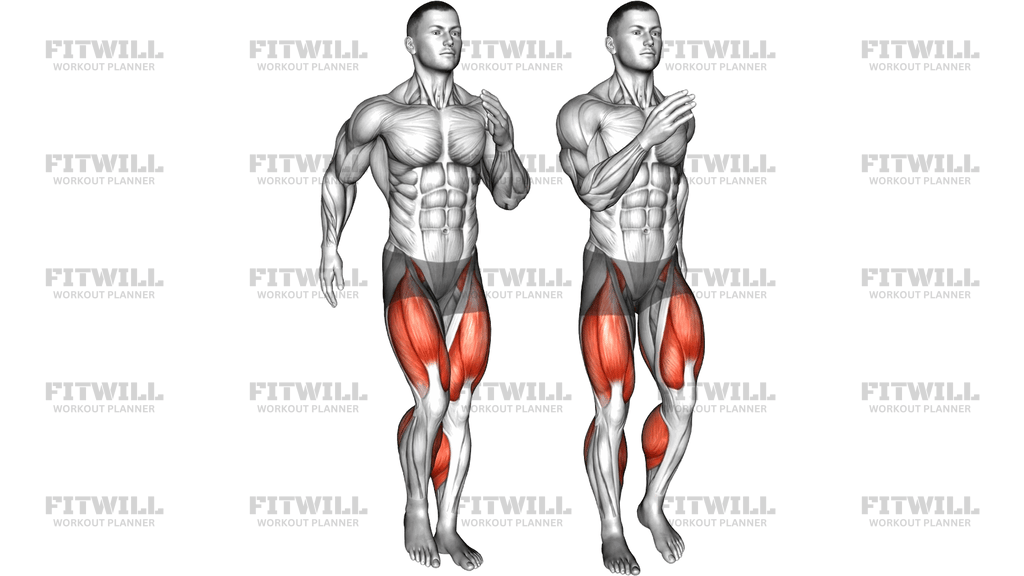
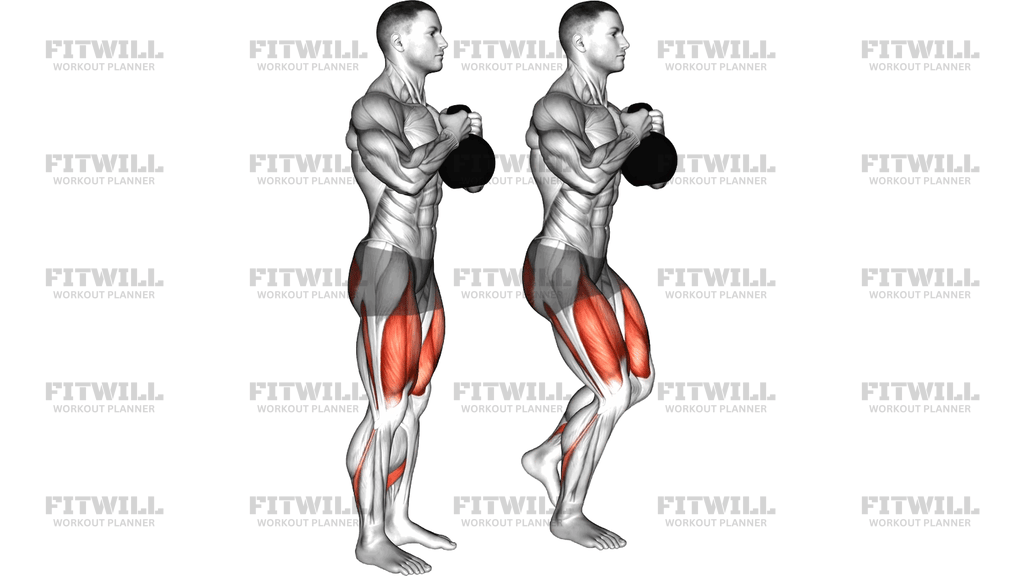
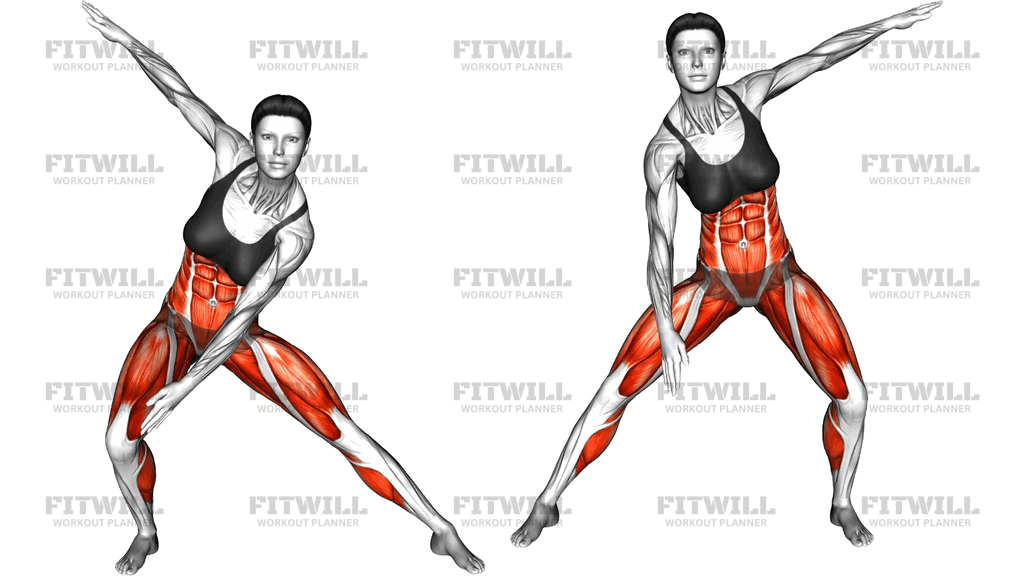
Bodyweight Single Leg Deadlift Toe Touch
The Bodyweight Single Leg Deadlift Toe Touch is a balance-driven hinge performed on one leg, where you reach the opposite hand down toward the toes of your standing foot while the free leg travels behind you. It takes the classic deadlift pattern and strips away the load, replacing it with a balance and control challenge that exposes exactly how well you can hinge, brace, and stabilize. Because no equipment is required, it can be done anywhere, from a warm-up to a standalone posterior chain session.
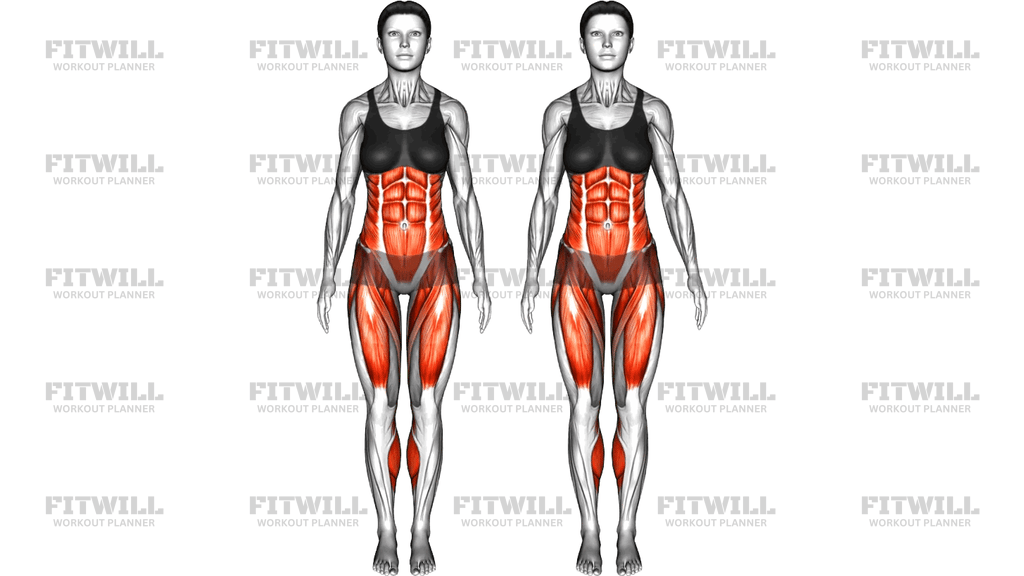
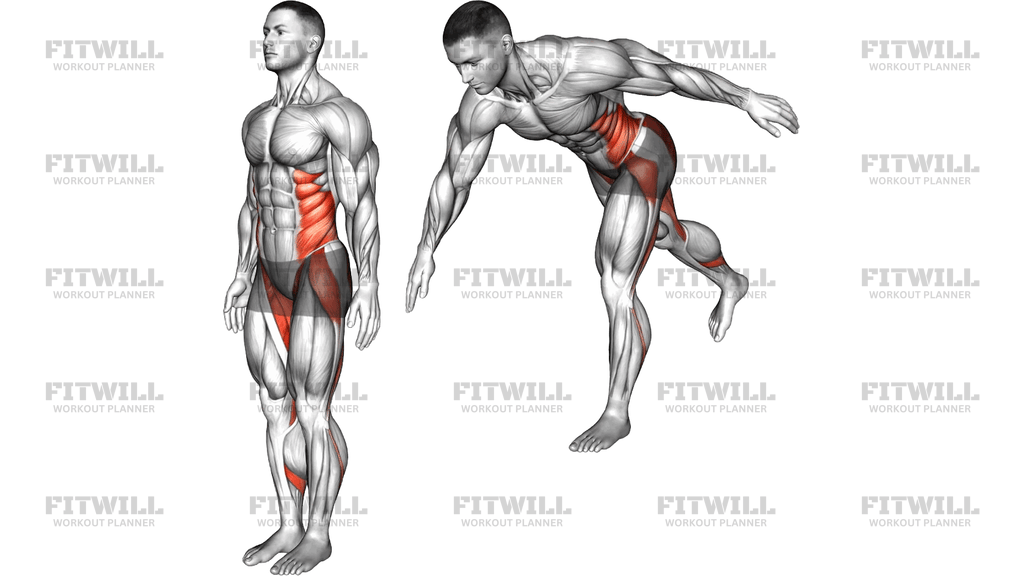
This movement works the hamstrings and glutes of the standing leg as the prime movers, while the obliques and lower back fire hard to keep your torso from twisting as you reach across toward your toes. The raised leg acts as a counterbalance, and the small muscles around the ankle and hip of the stance leg work continuously to keep you from wobbling or tipping inward. It is as much a coordination drill as it is a strength exercise.
It suits a wide range of people. Runners and field-sport athletes use it to address left-right imbalances and strengthen the single-leg stability that sprinting and cutting demand. Lifters use it as a warm-up groove before Romanian deadlifts or as a high-rep finisher. Beginners benefit because the bodyweight version teaches the hip hinge safely before any external load enters the picture, and older adults use it to build the balance confidence that protects against falls.
Setup matters more here than in most bodyweight drills. Your weight should sit mid-foot on the standing leg with a soft but not bent knee, and your core braced before you start descending. If you begin the rep off-balance or unbraced, the reach toward your toes turns into a rushed lunge for the floor, and the hinge turns into back rounding. Take two seconds to set your foot, brace, and pick a fixed point on the floor about a meter ahead of you.
To execute well, drive your hips backward rather than reaching with your hand first. Think of pushing your rear heel toward the wall behind you as your chest lowers, keeping your back flat and both hips squared to the floor. Reach the opposite hand toward your standing foot's toes only as far as your hamstring flexibility honestly allows, then squeeze the glute of the working leg to stand back up tall. The return should be just as controlled as the descent.
The most common fault is treating the toe touch as a toe grab: collapsing the spine, bending the standing knee excessively, and hunting for the floor with the hand. A limited reach is perfectly acceptable. Touching your shin, your knee, or simply reaching toward the toes while keeping a neutral spine delivers the same training effect. Progress by slowing the tempo, pausing at the bottom, or adding reps before ever considering load.
[ Workout Log & Planner ]
Put your next workout in Fitwill
Keep your plan and training log ready when you are.


Instructions
- Stand barefoot or in flat shoes with your feet hip-width apart and arms relaxed at your sides.
- Shift your weight onto your right foot so it is fully supporting you, and lift your left heel slightly off the floor to prepare.
- Brace your core as if bracing for a light push, pull your shoulders back, and fix your eyes on a spot on the floor about a meter in front of you.
- Hinge at the hips by pushing your glutes backward, letting your torso lower while your left leg lifts and extends straight behind you.
- Reach your left hand down toward the toes of your right foot as you hinge, keeping your left arm and left leg in one long line and your hips square to the floor.
- Stop at your deepest controlled point, ideally fingertips near or touching your right toes, with your back flat and your right heel firmly planted.
- Drive through the mid-foot of the standing leg and squeeze the right glute to rise, bringing your left leg down until you are standing tall again.
- Exhale on the way down as you hinge and inhale as you return to standing, keeping the breath steady rather than holding it.
- Complete all reps on the right leg, then reset your stance fully and repeat on the left leg.
- Between sides, stand still for a moment, re-brace, and shake out your balance before starting the next set.
Tips & Tricks
- If you keep losing balance sideways, your standing foot is probably rolling to the outer edge. Grip the floor with your toes and press through the big toe base to anchor the arch.
- Rounding the lower back to reach the toes is the most frequent error. Stop the descent where your spine stays neutral, even if your hand only reaches mid-shin, and let the range grow over weeks.
- If your hips open outward as you descend, imagine both hip bones pointing at the floor in front of you. Turning the rear leg's toes down toward the floor helps square them.
- Moving the hand first turns this into a toe grab. Cue yourself to push the rear heel back and the hips back, letting the arm simply follow the torso.
- Keep a small bend in the standing knee rather than locking it or squatting deeply. Locked knees push the stress into the joint; excessive bending turns it into a one-legged squat.
- If balance is the limiting factor, hold the bottom position only briefly at first, or place a hand lightly on a wall or chair for minimal support and reduce reliance on it over time.
- Slow the lowering phase to a three-second count before adding any reps. Most people rush the descent, which is where both form and balance break down.
- Practice in front of a mirror from the side to check that your head, upper back, and rear leg form a roughly straight, horizontal line at the bottom.
- Do these early in a session while fresh if balance is the goal, or as a burnout with higher reps at the end if the hamstrings and glutes are the target.
Frequently Asked Questions
Which muscles does the Bodyweight Single Leg Deadlift Toe Touch work most?
The glutes and hamstrings of the standing leg do the primary work as you hinge and return. The obliques and lower back stabilize your torso against the rotation created by reaching the opposite hand toward your toes, and the ankle stabilizers work constantly to keep you balanced.
Do I actually have to touch my toes for the Bodyweight Single Leg Deadlift Toe Touch to count?
No. Touching the toes is simply the deepest version of the movement. Reaching toward the toes while keeping a flat back and balanced stance gives you the full training benefit, and your range will improve naturally as your hamstrings loosen.
Is this exercise suitable for complete beginners?
Yes, and it is one of the best ways to learn the hip hinge before using any load. Beginners can shorten the range, reach toward the shin instead of the toes, or rest fingertips lightly on a wall until single-leg balance improves.
Why does my lower back round when I reach for my toes?
That is usually tight hamstrings combined with reaching too far. Push the hips further back instead of folding the chest down, stop the rep where your spine stays neutral, and treat the deeper range as a long-term progression rather than a day-one requirement.
How many reps should I do of the Bodyweight Single Leg Deadlift Toe Touch?
For balance and motor control, 5 to 8 slow reps per side works well. For muscular endurance in the glutes and hamstrings, build toward 12 to 15 controlled reps per side, pausing briefly at the bottom of each rep.
My standing knee wobbles inward on every rep. How do I fix that?
Wobbling usually means the hip stabilizers are not yet controlling the stance. Deliberately press your knee slightly outward over your second toe, keep your whole foot gripping the floor, and slow the tempo until the knee tracks steadily.
What can I use instead if single-leg balance is too difficult right now?
A two-legged bodyweight toe touch hinge or a split-stance version with the rear toes resting on the floor both teach the same pattern with more stability. You can also hold a light support with one hand until your balance catches up.
Should the rear leg stay straight during the Bodyweight Single Leg Deadlift Toe Touch?
Keep it essentially straight and reaching back, in line with your torso, so it acts as a counterbalance. Bending the rear knee shortens that lever, makes the balance easier, and reduces the hamstring stretch on the standing leg.
Is it safe to do this exercise every day?
For most people, yes, since it is a low-load bodyweight movement. If your hamstrings or lower back feel consistently sore afterward, scale back to every other day and reduce the total reps per session.