Suspension Self Assisted Chest Dip
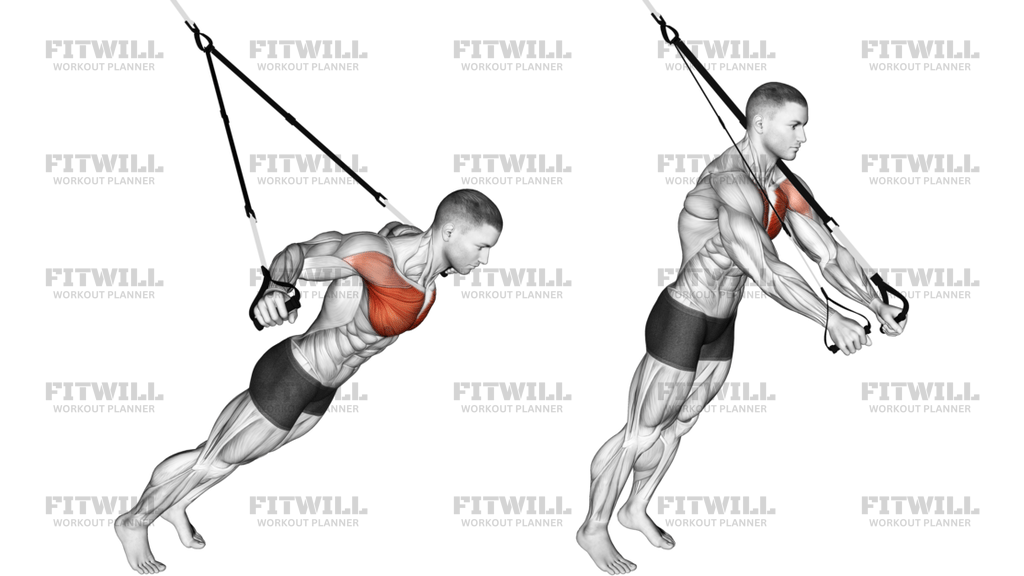
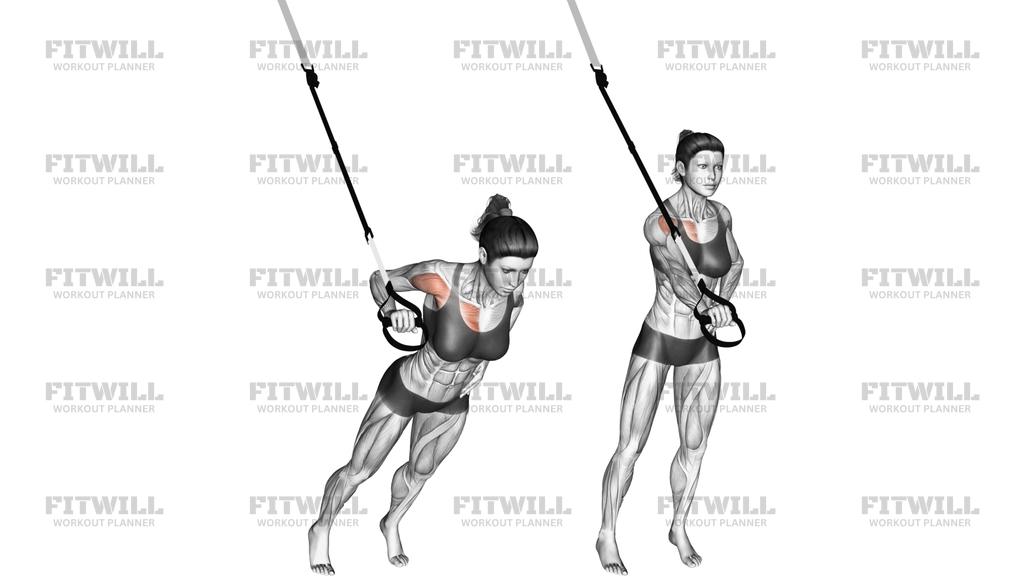
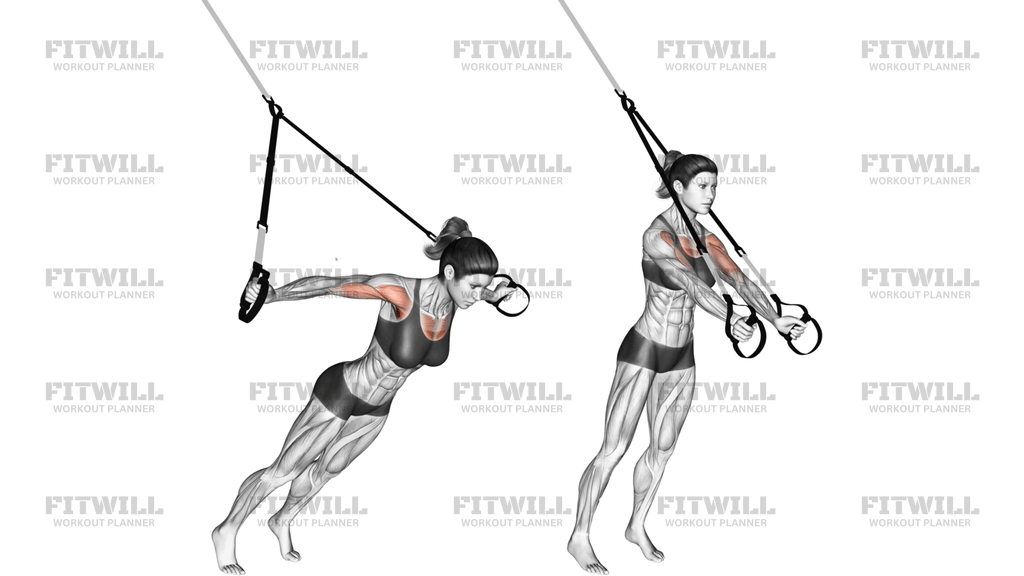
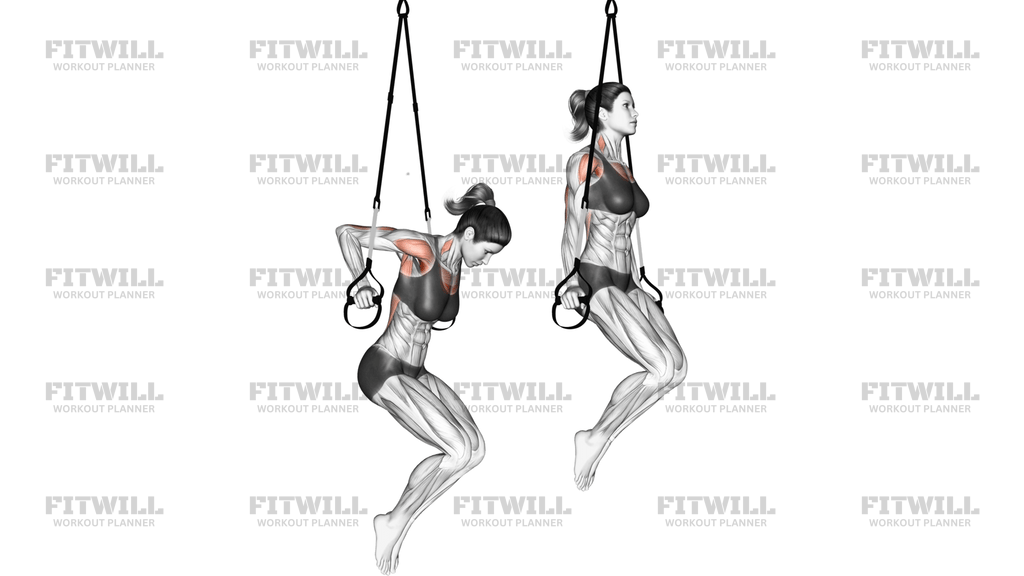
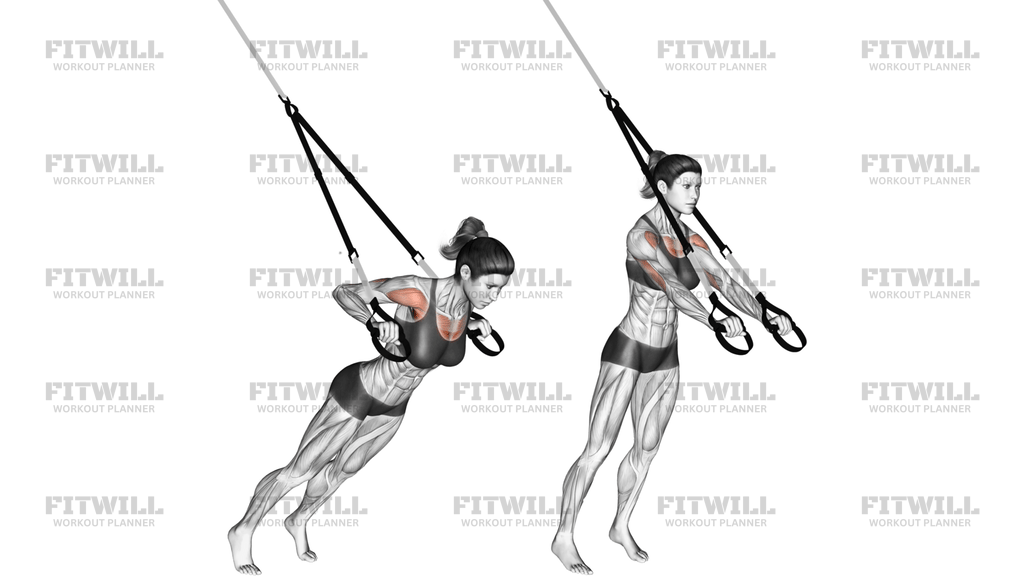
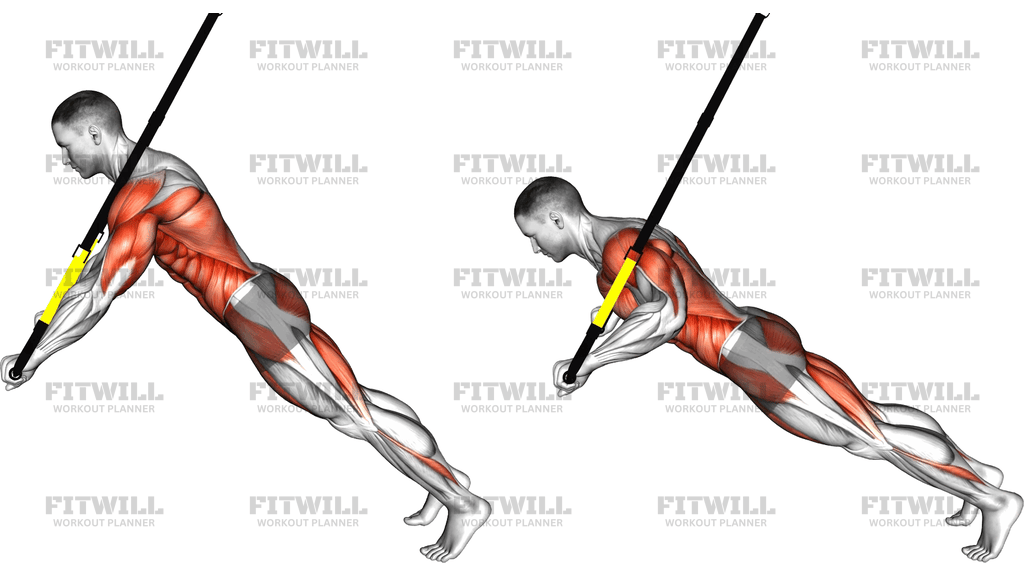
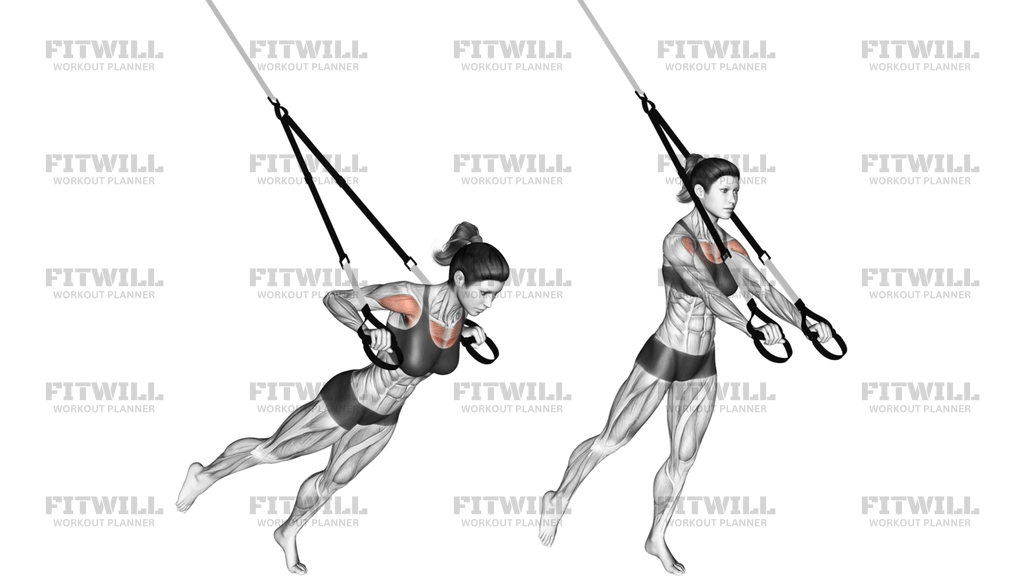
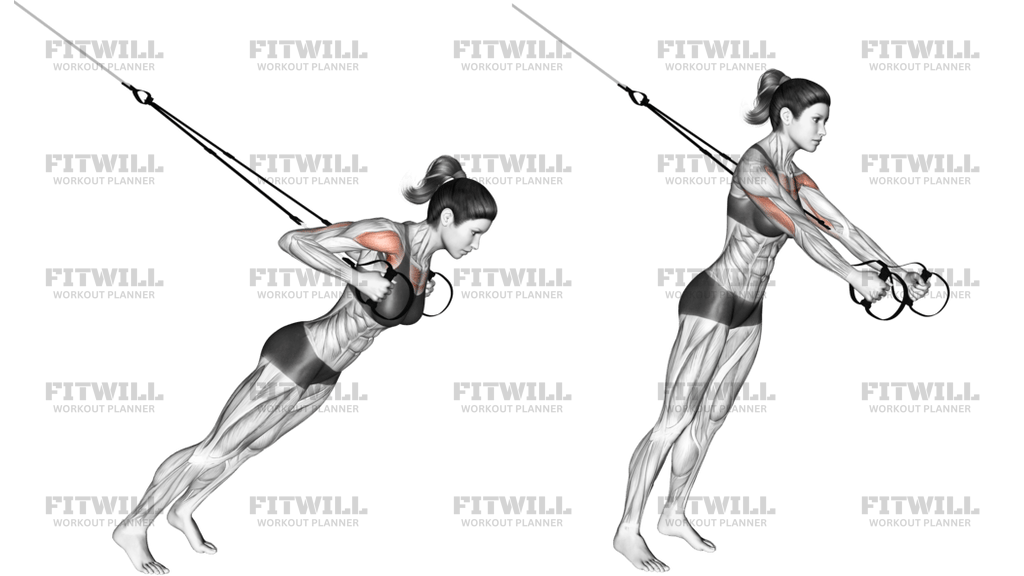
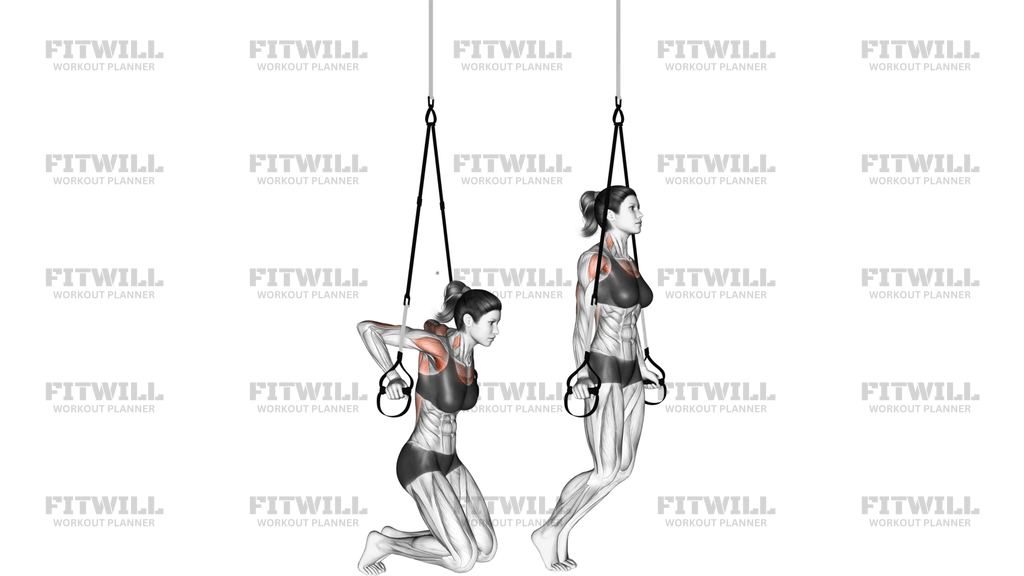
Suspension Self Assisted Chest Dip is a kneeling suspension-trainer dip that lets you practice a pressing pattern with help from the straps instead of full bodyweight. In the shown setup, the handles hang beside the hips, the knees stay on the floor, and the torso leans slightly forward so the chest can stay involved while the shoulders and triceps help finish the press. The assistance from the suspension system makes it easier to control depth, keep the shoulders organized, and build confidence in the bottom-to-top portion of the dip.
The main training effect is chest-focused pressing strength with meaningful work from the front delts, triceps, and trunk. Because the handles move independently, the exercise also asks each side to stabilize its own path. That makes the rep more honest than a machine press: if one shoulder drifts, if the elbows flare early, or if the ribs pop up, you feel it immediately. That feedback is useful for learning how to press hard without losing position.
Setup matters more here than on many basic presses. The straps should hang evenly, the handles should be low enough to start near the sides of the ribs, and the knees should be planted so the body can use the floor for assistance. Keep the wrists neutral, squeeze the handles firmly, and set the shoulders down before the first rep. A slight forward lean biases the chest; a taller torso shifts more work toward the triceps.
On each repetition, lower under control until the elbows bend deeply but the shoulders still feel supported, then press the handles down and slightly back until the arms are straight and the chest is lifted. The movement should feel smooth, not jerky. Use the assistance level to keep the rep clean, not to bounce out of the bottom or collapse through the shoulders. Exhale through the press, then reset the shoulder position before the next descent.
This is a good option for beginners learning dip mechanics, for lifters returning from a layoff, or for anyone who wants a chest and triceps accessory that is easier to scale than a full dip. It also works well when you want pressing volume without loading the shoulders as aggressively as a deep free dip. If the front of the shoulder pinches, shorten the range, reduce the forward lean, and keep the elbows tracking comfortably behind the wrists instead of flaring wide.
[ Workout Log & Planner ]
Put your next workout in Fitwill
Keep your plan and training log ready when you are.


Instructions
- Set the suspension straps overhead so the handles hang evenly beside your hips, then kneel on the floor between them with your shins and feet braced behind you.
- Grip each handle with a neutral wrist and let your arms start bent, with the handles close to the sides of your lower ribs or hips.
- Lean your torso slightly forward and set your shoulders down away from your ears before you start the first rep.
- Brace your core so your ribs stay stacked over your pelvis instead of arching as you press.
- Lower yourself with control by bending the elbows and allowing the shoulders to travel slightly forward without collapsing.
- Stop when you reach a deep but controlled bottom position and the straps stay balanced from side to side.
- Press the handles down and slightly back to straighten your arms, lifting your torso smoothly into the top position.
- Keep the chest open at the top without shrugging, then pause briefly before the next descent.
- Exhale as you press up and inhale as you lower into the next repetition.
- Reset your shoulder position between reps and finish the set if you lose control of depth or strap path.
Tips & Tricks
- A slight forward lean keeps the chest involved; a perfectly upright torso shifts the work more toward the triceps.
- Keep the handles close to your sides instead of drifting forward, or the rep turns into an unstable straight-arm support.
- Think about pressing the handles down and back, not just straight down, so the elbows can extend smoothly without flaring wide.
- If the straps wobble, shorten the range and slow the descent until each side tracks the same path.
- The knees should stay planted and light pressure through the shins should help you control how much bodyweight you actually press.
- Stop the bottom position before the shoulders roll forward and you lose the feeling of support in the front of the chest.
- Neutral wrists matter here; if the handles force the wrists to bend back, lower the difficulty or adjust the strap height.
- Use slower eccentrics when learning the movement so you can feel the chest lengthen without dumping into the bottom.
- If you want more chest emphasis, keep the elbows angled slightly behind the torso instead of pinning them directly under the hands.
- End the set when the rep becomes a shoulder shrug or a hip swing, because both usually mean the assistance level is too low.
Frequently Asked Questions
What does Suspension Self Assisted Chest Dip train most?
It mainly trains the chest, with strong help from the triceps and front shoulders.
Why do I kneel during this dip instead of standing?
The kneeling position uses the suspension system to share part of your bodyweight, making the dip easier to control and scale.
How should the handles sit at the start of each rep?
They should start beside your lower ribs or hips with the elbows bent and the wrists kept neutral.
How do I make this more chest-focused?
Use a small forward torso lean and keep the elbows tracking slightly behind the hands as you press.
What common mistake should I watch for?
The biggest mistake is letting the shoulders shrug up and the straps swing instead of keeping a smooth, controlled line.
Is this a good exercise for beginners?
Yes, the kneeling suspension setup makes it a useful entry point for learning dip mechanics before trying a full bodyweight dip.
Where should I feel the exercise?
You should feel the chest and triceps working most, with the shoulders and core helping stabilize the rep.
Can I use this if full dips bother my shoulders?
Often yes, because the assistance and shorter load make the movement easier to scale, but you should keep the range pain-free and controlled.
How can I progress it?
Reduce the amount of assistance gradually, keep the same strap path, and only deepen the rep if the shoulders stay organized.