Scapular Pull Up Swing
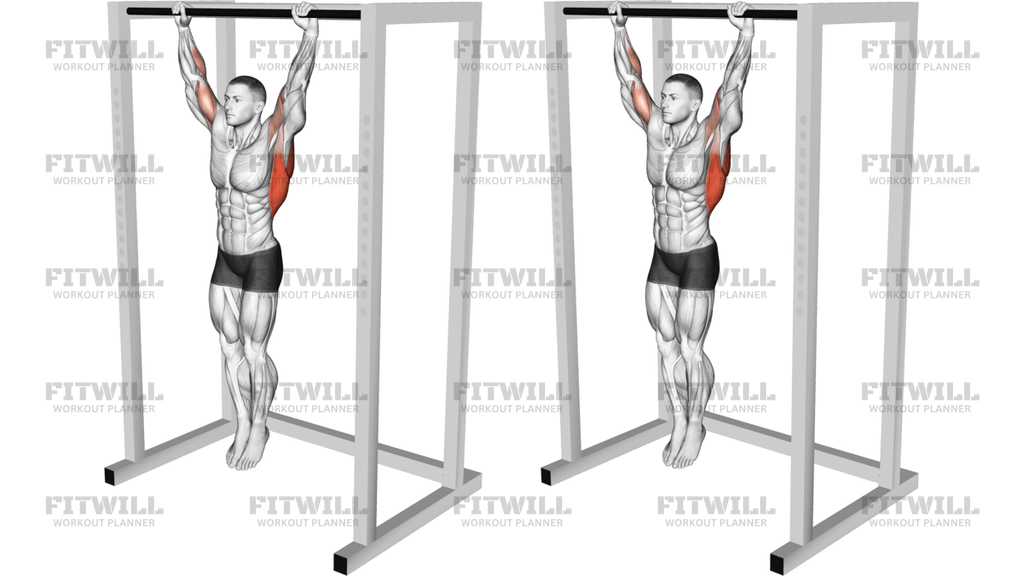
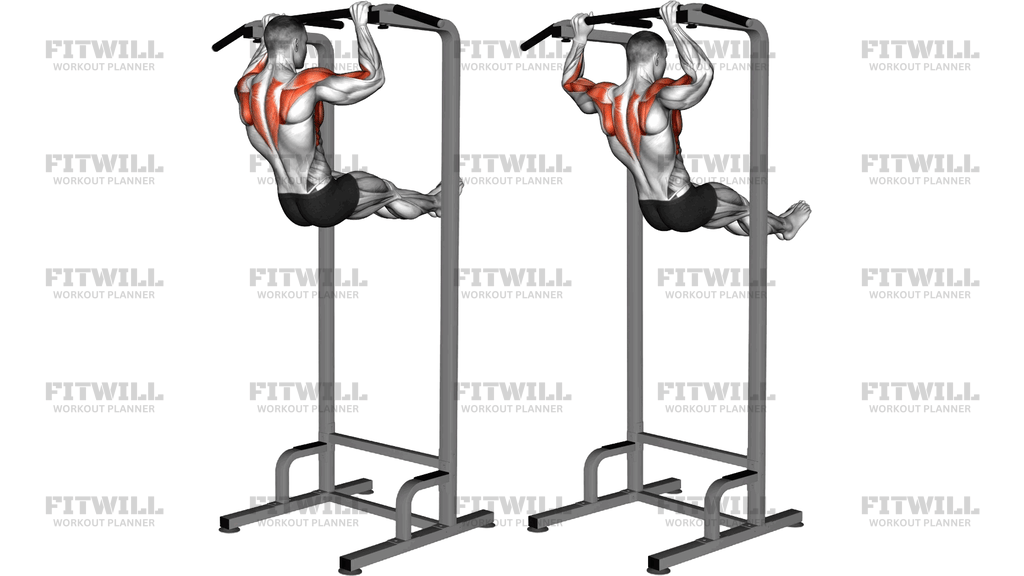
The Scapular Pull Up Swing is a hanging drill performed on a pull-up bar where you keep your arms straight and move your body by driving the shoulder blades through depression and retraction, letting the torso swing gently forward and back under the bar. Instead of bending the elbows to pull your chin over the bar, all of the motion comes from the shoulder girdle, which makes this one of the most direct ways to learn and strengthen scapular control while hanging.
This movement is especially valuable for people working toward their first strict pull-up, because the most common weakness in new trainees is not arm strength but the inability to initiate a pull from the shoulder blades. It is equally useful for experienced lifters who want healthier shoulders, since hanging with active scapular depression loads the lats, lower traps, and rhomboids through a range that most pressing and pulling exercises never touch.
Grip plays a bigger role here than it looks. Your hands and forearms must hold you against gravity for the entire set, so the exercise doubles as grip and hanging endurance work. The forward-and-back swing element adds a small dynamic demand: your core has to organize the body so the swing comes from controlled shoulder movement, not from flopping or kipping at the hips.
Setup matters because slack shoulders are the whole point of the exercise. You start from a full dead hang, arms long and shoulders shrugged up near the ears, and every rep begins by pulling the shoulder blades down and together without bending the elbows. If the arms bend or the chin reaches toward the bar, the scapulae stop being the limiting factor and the drill loses its purpose.
To execute it well, hang from the bar with a grip roughly shoulder-width or slightly wider, brace the trunk lightly, and think about pulling the bar toward your chest with straight arms. Your chest rises, your shoulders drop away from your ears, and your body swings slightly forward under the bar before settling back into the hang. Lower under control so the shoulders rise back to the fully relaxed dead hang position before the next rep.
Use the Scapular Pull Up Swing as a warm-up before pulling days, as a strength progression on the road to full pull-ups, or as a finishing drill for hanging capacity. Keep the volume modest at first; the forearms and the soft tissue around the shoulder will need time to adapt to loaded hanging, and sloppy swinging under fatigue is the main thing to avoid.
[ Workout Log & Planner ]
Put your next workout in Fitwill
Keep your plan and training log ready when you are.


Instructions
- Stand under a pull-up bar or power tower and grip the bar with an overhand grip about shoulder-width apart or slightly wider, wrapping your thumbs around the bar.
- Hang with your arms fully straight and let your shoulders rise up toward your ears so you are in a complete dead hang; the illustration shows the legs held slightly forward and together, which helps stabilize the swing.
- Squeeze your glutes lightly and brace your abs to keep your ribs from flaring while you hang.
- Without bending your elbows, pull your shoulder blades down and together, as if tucking them into your back pockets, and think of pulling the bar down toward your upper chest.
- Let the movement carry your torso forward and slightly under the bar as your chest lifts, then allow the body to swing back toward the start of the hang.
- Pause briefly at the top of the scapular pull with your shoulders away from your ears and your chest tall.
- Lower yourself under control back into the full dead hang, letting the shoulders rise to the ears again before starting the next rep.
- Exhale as you pull the shoulder blades down and inhale as you lower back into the hang.
- Reset your grip and brace between reps if your hold starts to slip, and step off the bar rather than dropping when the set is done.
Tips & Tricks
- If your elbows bend during the pull, you are turning the drill into a weak pull-up; reset and focus on keeping the arms locked while the shoulder blades do the work.
- Chin reaching toward the bar is a sign you are pulling with the neck and upper traps instead of depressing the scapulae; keep a long neck and let the chest, not the chin, rise.
- Use a full dead hang at the bottom of every rep. Cutting the range short and never letting the shoulders rise defeats the purpose of the exercise.
- If your grip fails before your upper back fatigues, use lifting straps for practice sets or shorten the sets rather than muscling through with a half-open hand.
- Keep the swing small and deliberate. Big kipping-style swinging means momentum, not scapular control, is moving your body.
- Chalk your hands or use a bar with good knurling; sweaty hands on a smooth bar are the most common reason this drill falls apart mid-set.
- Think of the cue 'push the bar away at the bottom, pull it down at the top' to feel the full travel of the shoulder blades.
- Keep the legs quiet. If your knees swing or your hips kick, squeeze the thighs and brace the core so the movement stays in the shoulders.
- Start with short sets of five to eight controlled reps; hanging volume adds up fast on the forearms and shoulder structures.
Frequently Asked Questions
What muscles does the Scapular Pull Up Swing work?
The primary work comes from the lats and the mid and lower trapezius with the rhomboids, which control the shoulder blades. The forearms and grip work hard isometrically, and the core stabilizes the hanging swing.
How is the Scapular Pull Up Swing different from a regular pull-up?
In a pull-up you bend the elbows and pull your chin over the bar, while in the Scapular Pull Up Swing the arms stay straight and all motion comes from depressing and retracting the shoulder blades. It is an accessory and technique drill, not a replacement for full pull-ups.
Can beginners do the Scapular Pull Up Swing?
Yes, and it is one of the best first steps toward a strict pull-up. If hanging is too difficult at first, use a low bar so your feet stay lightly on the floor, or perform short sets of a few seconds each.
Why do my shoulders shrug up no matter what during this exercise?
That usually means the lower traps and lats are not yet strong enough to control the hang, so the upper traps dominate. Slow the tempo down, pause longer at the top of the scapular pull, and reduce the reps until the depression phase feels deliberate.
How much swing should there be in the Scapular Pull Up Swing?
A gentle, controlled swing of the torso forward and back is expected and helps you feel the shoulder blades driving the movement. If your hips are kicking or your legs are whipping, the swing has become momentum rather than scapular control.
What can I use instead of a pull-up bar for this movement?
Any sturdy overhead bar works, including a power tower, rig, or smith machine bar set high. For a scaled version, a low bar with feet on the floor lets you practice scapular depression without full bodyweight hanging.
Should my legs stay straight and forward while hanging?
Holding the legs slightly forward and together, as shown in the setup, engages the core and keeps the swing predictable. It is not mandatory, but letting the legs dangle loosely makes it harder to control the movement.
How many reps and sets of the Scapular Pull Up Swing should I do?
Two to four sets of five to eight slow reps works well as a warm-up or strength progression. Stop the set when your grip or scapular control fades, because quality reps matter far more than volume here.
Is hanging at full extension safe for the shoulders?
For most healthy shoulders, loaded hanging is well tolerated and builds tolerance in the joint. If you have a current or previous shoulder injury, start with partial hangs or a reduced load and progress gradually, stopping if you feel pain rather than effort.
How long does it take to feel the Scapular Pull Up Swing carry over to pull-ups?
Most people notice a stronger, more organized start to their pull-ups within a few weeks of consistent practice. The key is initiating every real pull-up the same way you do in this drill, by setting the shoulder blades before the elbows bend.