Suspension Middle Row
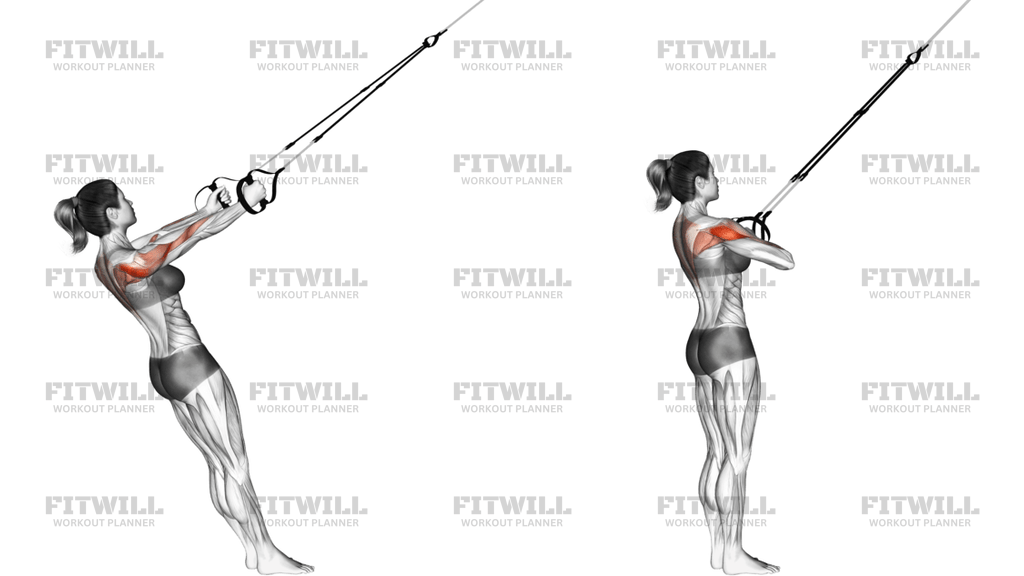
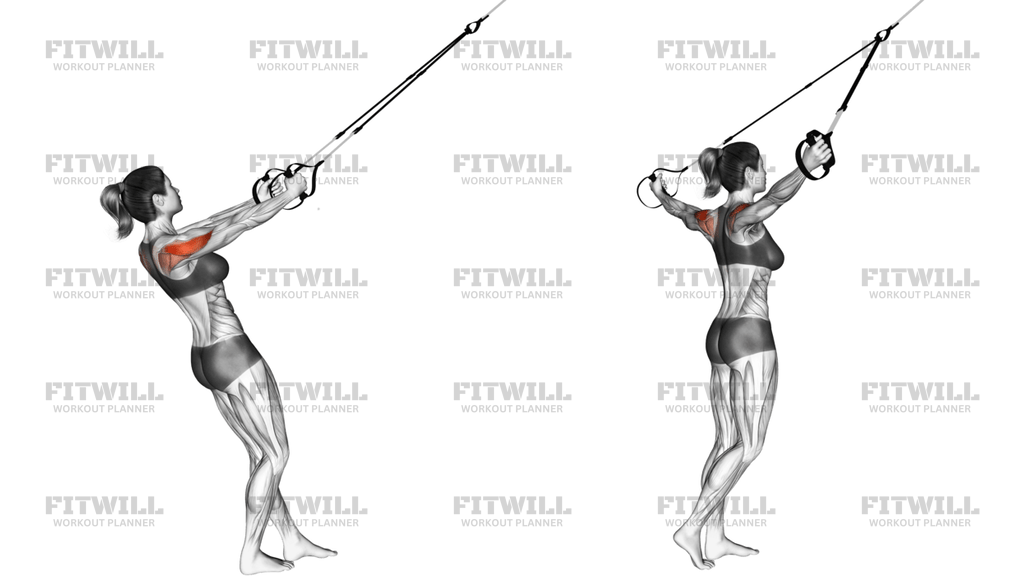
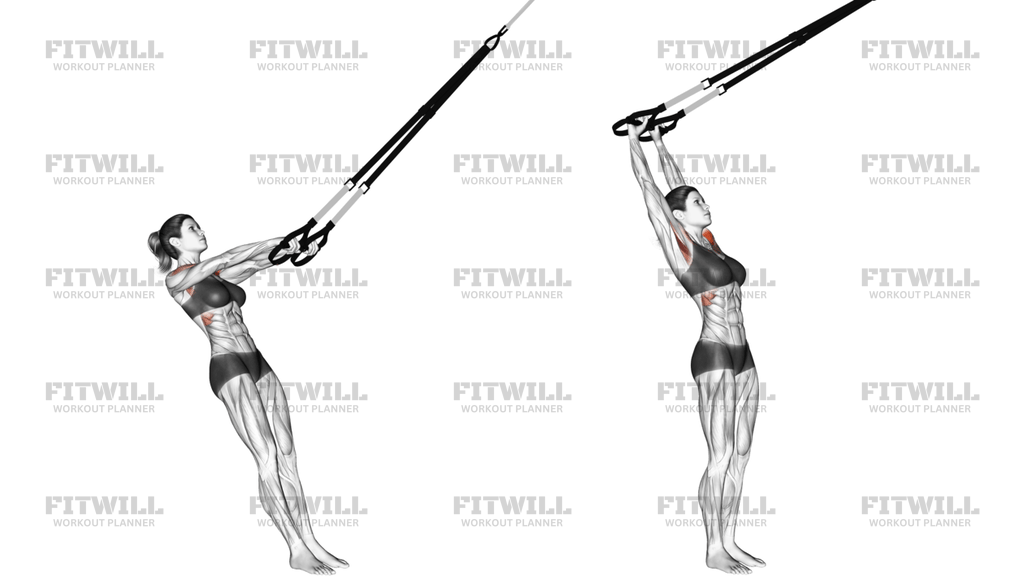
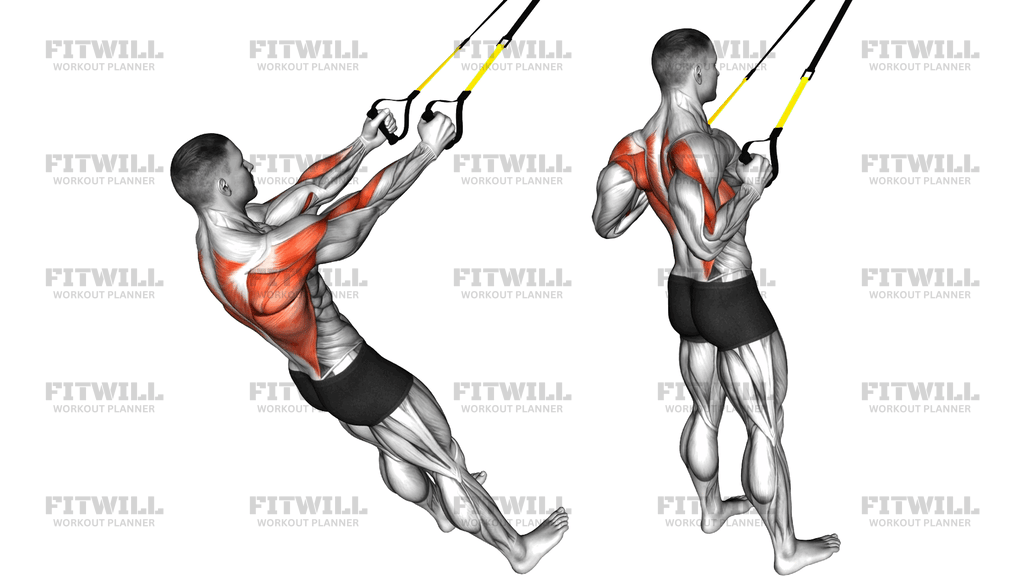
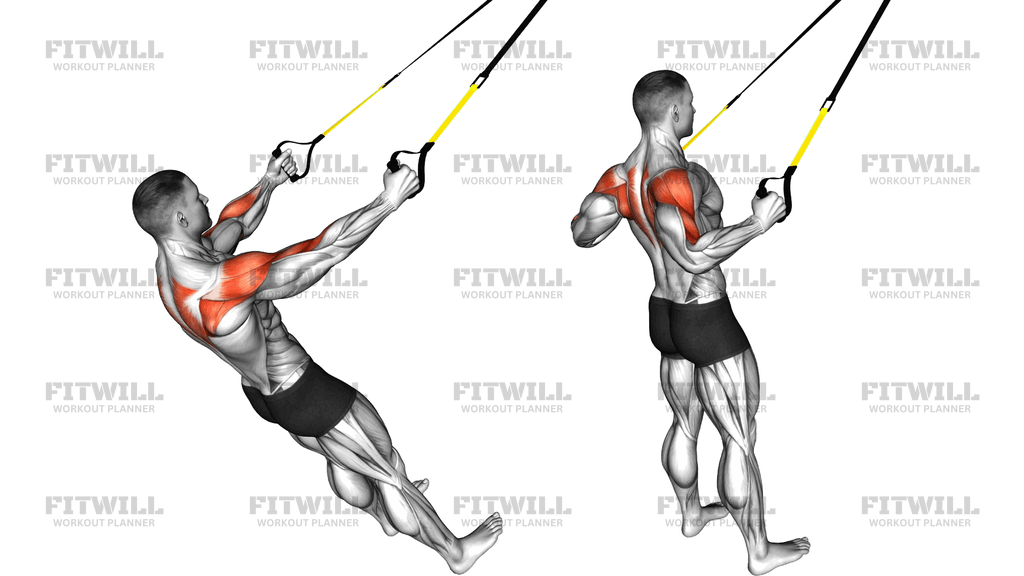
Suspension Middle Row is a standing bodyweight row performed with suspension handles anchored above you. The image shows a slight backward lean, straight body line, and elbows driving back as the handles travel toward the upper chest. That setup is what makes the exercise effective: the more your feet stay planted and your torso stays rigid, the more clean tension you create through the upper back, rear shoulders, and arms.
This movement is useful for building horizontal pulling strength without a barbell or machine. It trains the shoulder extensors and retractors to work together while the core keeps your ribs from flaring and your hips from sagging. In practical terms, it is a strong option for beginners learning to row and for experienced lifters who want a joint-friendly pulling drill that still demands control.
The setup matters because the straps, body angle, and foot position control the difficulty. If you walk your feet farther forward and lean back more, the row becomes harder. If you stand more upright, it becomes easier. A good rep starts with tension already in the straps, shoulder blades set down and back, and the body braced as one unit so the pull comes from the back rather than from jerking with the hips.
At the top of each rep, the handles should come in toward the lower chest or upper ribs while the elbows stay close enough to the body to keep the pull organized. Pause briefly if needed, then return slowly until the arms are straight and the shoulders stay under control. The descent should not collapse the chest or shrug the shoulders forward; it should feel like a controlled reset into the next rep.
Use this exercise when you want clean pulling volume, posture work, or an accessory row that reinforces scapular control. It fits well in upper-body sessions, warm-ups, corrective work, and full-body circuits. Keep the movement strict, choose a body angle you can repeat, and stop a set as soon as the torso starts swinging or the handles stop reaching the same path each time.
[ Workout Log & Planner ]
Put your next workout in Fitwill
Keep your plan and training log ready when you are.


Instructions
- Adjust the suspension straps so the handles hang at about mid-torso height and stand facing the anchor with both hands on the handles.
- Walk your feet forward until your body leans back enough to create tension, keeping your heels planted and your body in one straight line from head to ankles.
- Set your shoulders down, brace your midsection, and start with your arms straight and your palms facing each other or slightly turned in.
- Pull the handles toward your lower chest or upper ribs by driving your elbows back and keeping them close to your sides.
- Squeeze your shoulder blades together at the top without shrugging your shoulders toward your ears.
- Pause briefly in the contracted position while keeping your torso still and your hips from drifting forward.
- Lower yourself under control until your arms are straight again and the straps are taut, keeping tension through the whole descent.
- Inhale on the way down and exhale as you row yourself back up for the next repetition.
- Reset your body angle if you start swinging, then continue for the planned number of reps.
Tips & Tricks
- A more upright stance makes the row easier; a farther-forward foot position increases the load quickly.
- Keep your wrists neutral so the handles sit in line with your forearms instead of bending the hands back.
- Think about pulling the elbows behind the ribs, not about yanking the handles with the biceps.
- If your shoulders creep up toward your ears, shorten the range and reset before the next rep.
- A small pause at the top helps you feel the upper back working instead of bouncing through the straps.
- Do not let the hips sag or the ribs flare; the torso should stay rigid the whole set.
- Use a controlled lowering phase so the straps stay loaded and the rep does not end in a drop.
- Stop the set when your body starts to hinge at the knees or the line from head to heels breaks.
- If grip gives out before your back does, reduce the angle or shorten the set instead of forcing sloppy reps.
Frequently Asked Questions
What muscles does Suspension Middle Row work most?
It mainly trains the upper back and rear shoulders, with the lats, biceps, and core helping to stabilize the row.
Can beginners perform this exercise?
Yes. Beginners usually do best with a more upright body angle so they can learn the shoulder and elbow path before making the row harder.
Where should the handles touch at the top of the row?
Aim to bring them toward the lower chest or upper ribs, not up toward the neck or face.
Should my body stay perfectly upright during the set?
No. A slight backward lean is part of the exercise, but the torso should stay straight and stable without sagging or swinging.
What is the biggest form mistake in this row?
The most common error is letting the hips move or the shoulders shrug so the set turns into a swing instead of a controlled pull.
How can I make the exercise easier or harder?
Walk your feet closer to the anchor to make it easier, or farther forward to increase the amount of bodyweight you are rowing.
Is Suspension Middle Row good for shoulder-friendly pulling?
Yes, the straps let your hands and elbows move naturally, which often feels friendlier than a fixed bar or machine handle.
How should I breathe during the rep?
Exhale as you pull yourself up, then inhale as you lower under control and reset for the next rep.