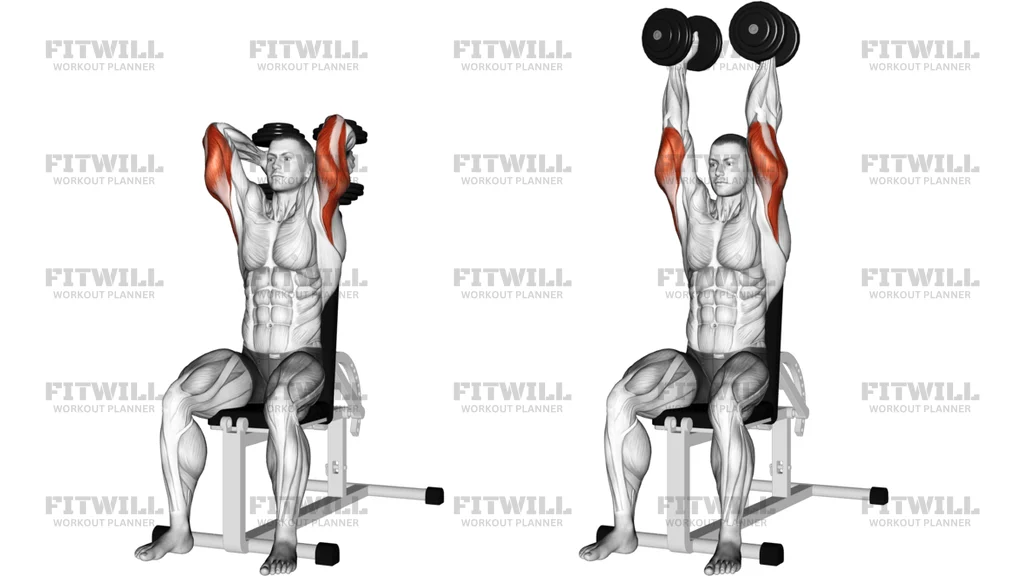
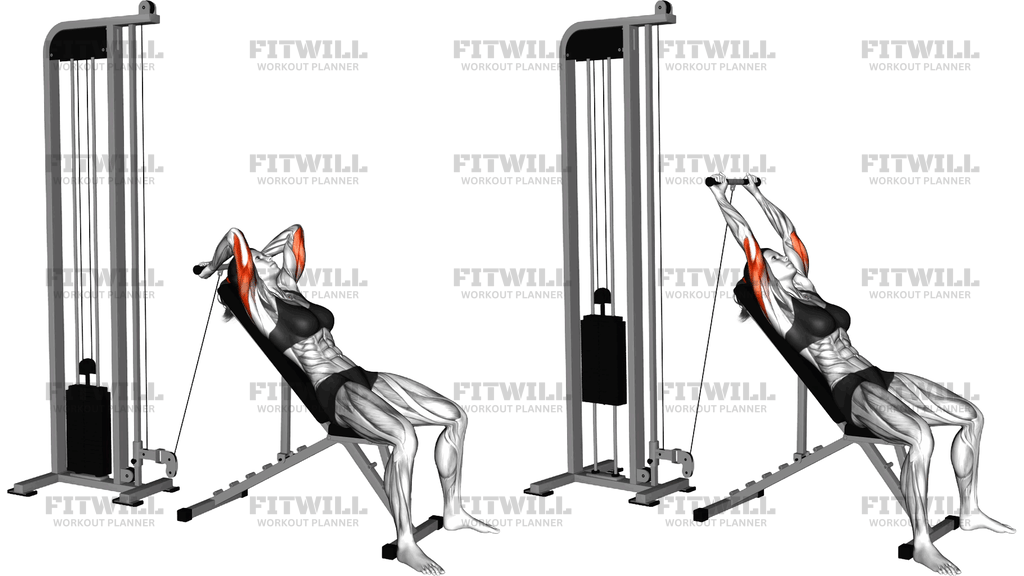
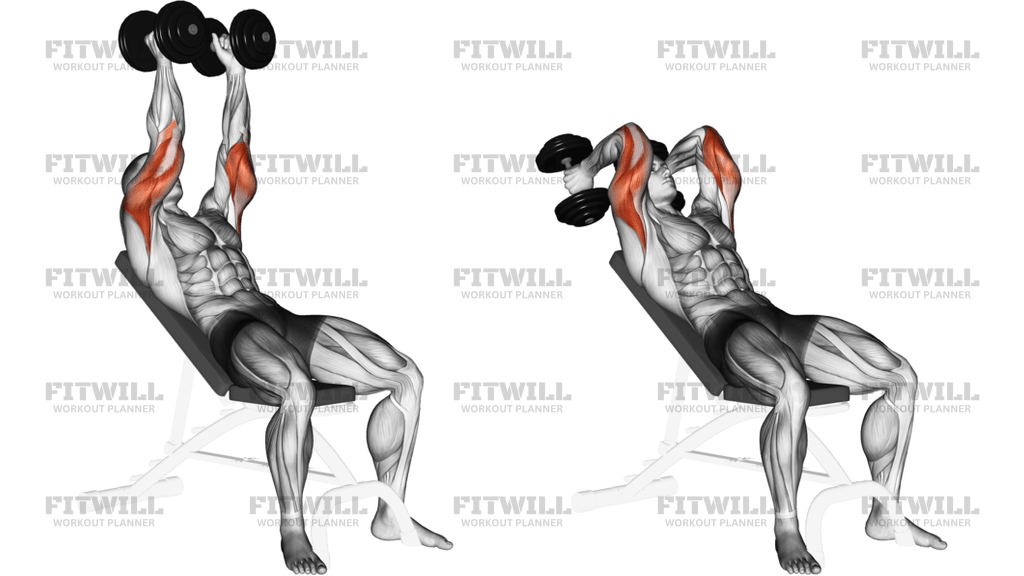
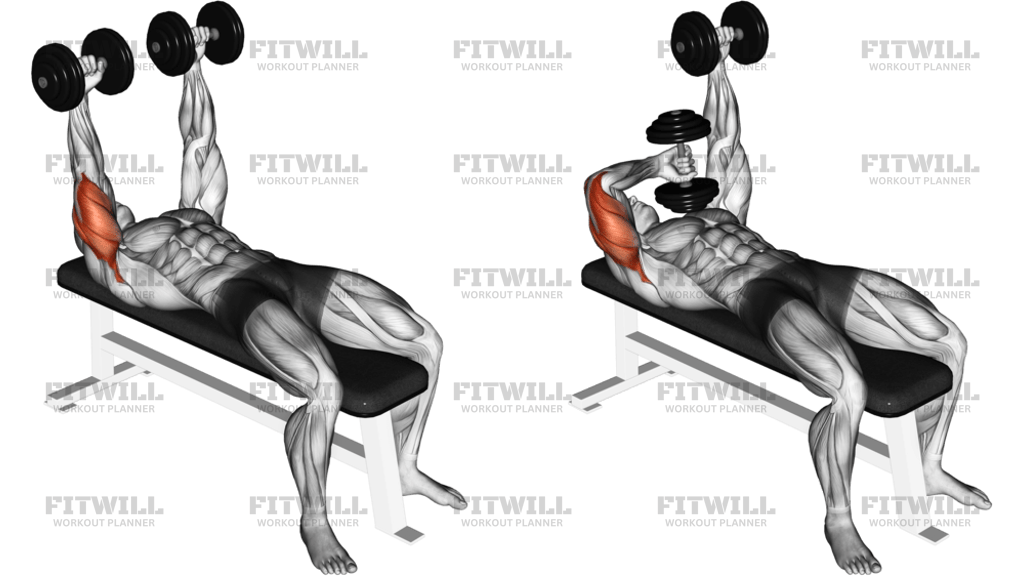
Dumbbell Lying Triceps Extension Skull Crusher
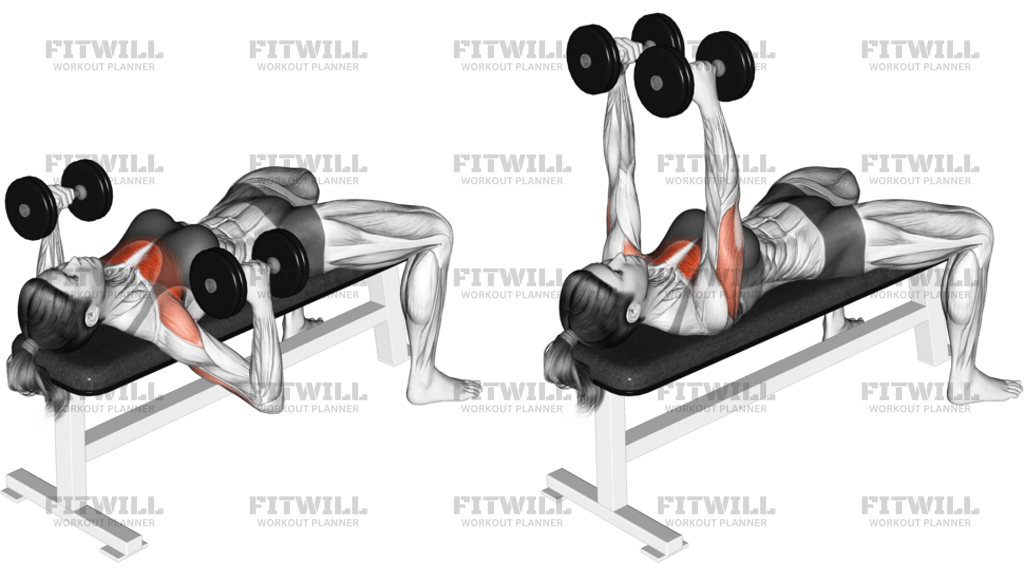
The Dumbbell Lying Triceps Extension Skull Crusher is a classic isolation movement for the back of the arms. You lie flat on a bench with a dumbbell in each hand, press them to arm's length over your chest, then bend only at the elbows to lower the weights down beside your head before extending back up. Because the upper arms stay fixed and vertical, the elbow joints do nearly all of the work, which makes this one of the most direct ways to load the triceps.
This exercise suits anyone who wants bigger, stronger arms, and it is especially useful for lifters whose triceps lag behind their chest or pressing strength. Since the triceps assist in every press — bench press, overhead press, push-ups — building them here tends to carry over to those lifts. The dumbbell version is friendlier to many wrists and elbows than a straight bar because you can angle your palms naturally instead of locking them into a fixed grip.
The muscles doing the work are the three heads of the triceps, with the long head getting particular attention. When you lie back and lower the weights behind or beside your head, the shoulder is placed in a position where the long head is stretched, which many lifters find makes the movement feel more complete than pushdowns done standing. The forearms and the small stabilizing muscles around the shoulders work to control the dumbbells, but the triceps remain the focus from start to finish.
Setup matters more here than in most arm exercises. Lie with your head fully supported on a flat bench, feet planted on the floor for balance, and keep your lower back in neutral rather than arching excessively. Start with the dumbbells pressed directly over your shoulders, not over your face. That vertical upper-arm position is what protects you: the weights should travel around the elbow joint, never drift forward or back over the forehead.
To perform it well, brace your core, then slowly bend your elbows to guide the dumbbells down in a controlled arc until they are level with or slightly behind your head. Keep your elbows pointing at the ceiling and roughly shoulder-width apart — do not let them flare out or collapse inward. Pause briefly when you feel a solid stretch along the back of the arm, then squeeze the triceps to press the dumbbells back to the top without locking out hard.
The most common mistakes are using too much weight and turning the movement into a partial press. If your elbows start drifting toward your hips or your shoulders lift off the bench, the load is too heavy. Because the dumbbells travel directly over your face and head at the bottom of the rep, control is a safety requirement, not just a style point. Choose a weight you can lower slowly for every rep, and set the dumbbells down to the floor rather than dropping them when the set ends.
[ Workout Log & Planner ]
Put your next workout in Fitwill
Keep your plan and training log ready when you are.


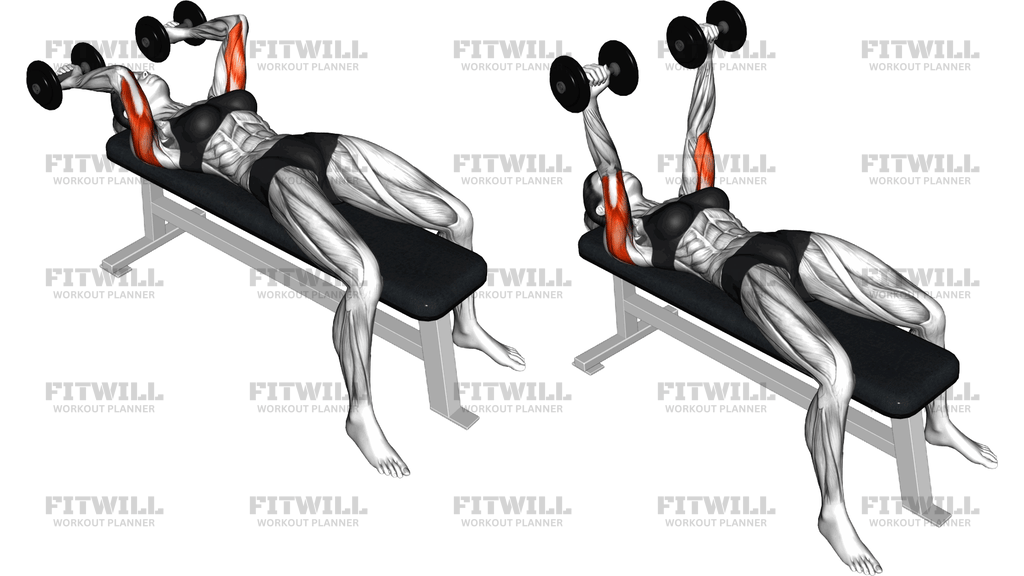
Instructions
- Sit on one end of a flat bench with a dumbbell in each hand, then lie back and let your head rest fully on the bench.
- Plant your feet flat on the floor on either side of the bench and press both dumbbells straight up over your shoulders with your palms facing each other or turned slightly inward.
- Brace your core lightly and keep your lower back in contact with the bench so your ribs do not flare up.
- Point your elbows at the ceiling and hold them about shoulder-width apart; this is your starting position.
- Bend only at the elbows and lower both dumbbells in a smooth arc down beside your head until they are roughly level with your ears.
- Pause for a beat when you feel a stretch along the back of your upper arms, keeping the upper arms vertical the whole time.
- Squeeze your triceps and extend your elbows to press the dumbbells back up along the same arc until your arms are straight over your shoulders.
- Exhale as you press up and inhale as you lower the weights toward your head.
- Complete your reps, then bring the dumbbells back over your chest, sit up, and set them on the floor instead of dropping them.
Tips & Tricks
- Elbow drift is the number one fault: if your elbows travel back toward your head or out toward your ears as you lower, the shoulders take over. Fix it by thinking about driving your elbows at the ceiling through every rep.
- Turning your palms slightly inward with dumbbells often feels smoother on the elbows than forcing a parallel grip — experiment with a small rotation if you feel joint discomfort.
- Lowering the dumbbells slightly behind your head rather than straight back stretches the long head of the triceps more; lowering them straight down beside your ears keeps it simpler for beginners.
- A heavy dumbbell swinging near your face is the real risk in this lift. If you cannot lower the weights for a two-second count, the set is too heavy.
- Do not bounce the dumbbells at the bottom. The stretch is where much of the growth stimulus comes from, and bouncing costs you that while adding elbow stress.
- Avoid a hard elbow lockout at the top. Extend firmly to finish the rep, but keep constant tension by stopping just short of a full snap.
- If your shoulders lift off the bench as you lower, reduce the range slightly until you can keep your upper back and head planted.
- A spotter is not usually needed, but having one hand the dumbbells to you while you lie back makes the setup far safer than walking them into position yourself.
Frequently Asked Questions
Which muscles does the Dumbbell Lying Triceps Extension Skull Crusher work?
It targets all three heads of the triceps, with the long head working especially hard because the shoulder is extended back over your head during the lower. The forearms and shoulder stabilizers help control the dumbbells but are not the focus.
Is the Dumbbell Lying Triceps Extension Skull Crusher good for beginners?
Yes, as long as you start light. Dumbbells are actually a smart first choice for this movement because each arm works independently and you can adjust your wrist angle, unlike a fixed barbell.
Why should the dumbbells travel over my shoulders and not my face?
Aligning the weights over your shoulders at the top keeps the upper arms vertical, so the elbow stays the only moving joint. If the dumbbells sit over your face, the shoulders are loaded and a miss puts the weight directly over your head.
How low should I lower the dumbbells in this exercise?
Lower them until they are roughly level with your ears or slightly behind your head, or until you feel a clear stretch along the back of your arms. Going deeper than your shoulder mobility allows usually causes the elbows to flare or the back to arch.
What is the most common mistake with the Dumbbell Lying Triceps Extension Skull Crusher?
Using too much weight and letting the elbows drift or the shoulders take over, which turns the movement into a partial press. Keep the weight moderate and the elbows pointing up to keep tension on the triceps.
Can I do this exercise if dumbbell skull crushers bother my elbows?
Try softening the lockout at the top, angling your palms inward, or shortening the range slightly. If discomfort continues, swap in triceps pushdowns or an EZ-bar version with a closer grip and rebuild gradually.
What can I use instead of the Dumbbell Lying Triceps Extension Skull Crusher?
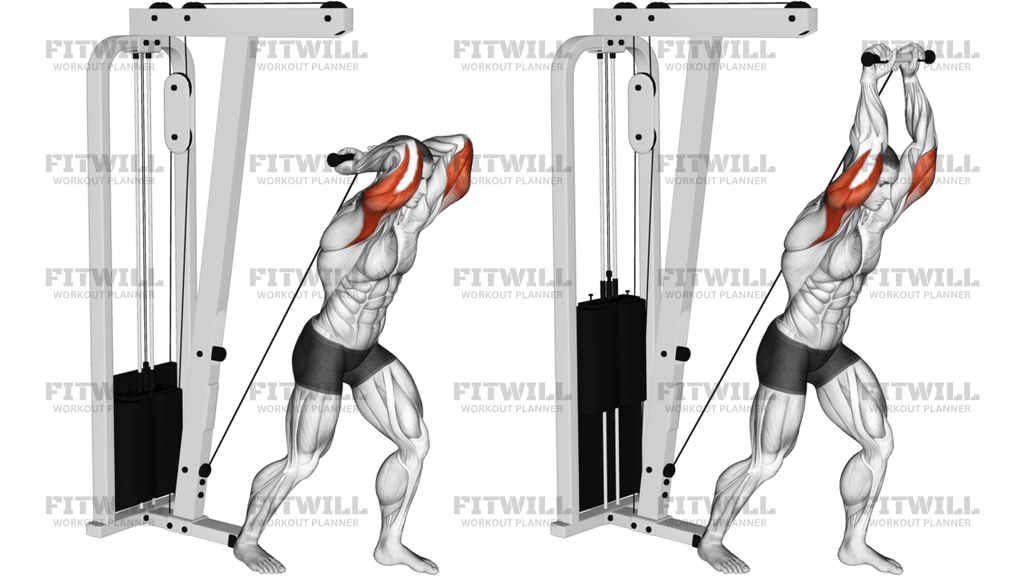
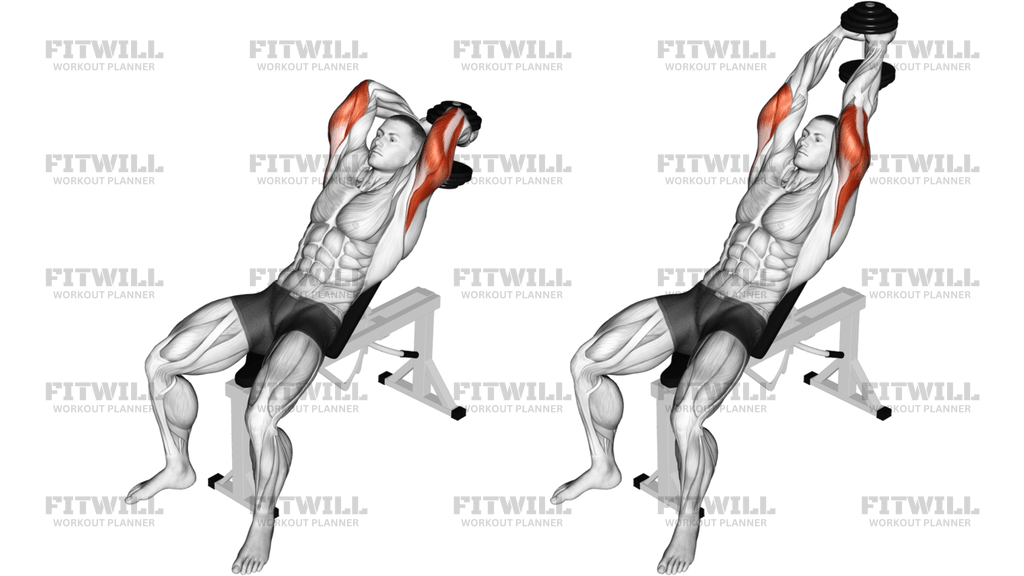
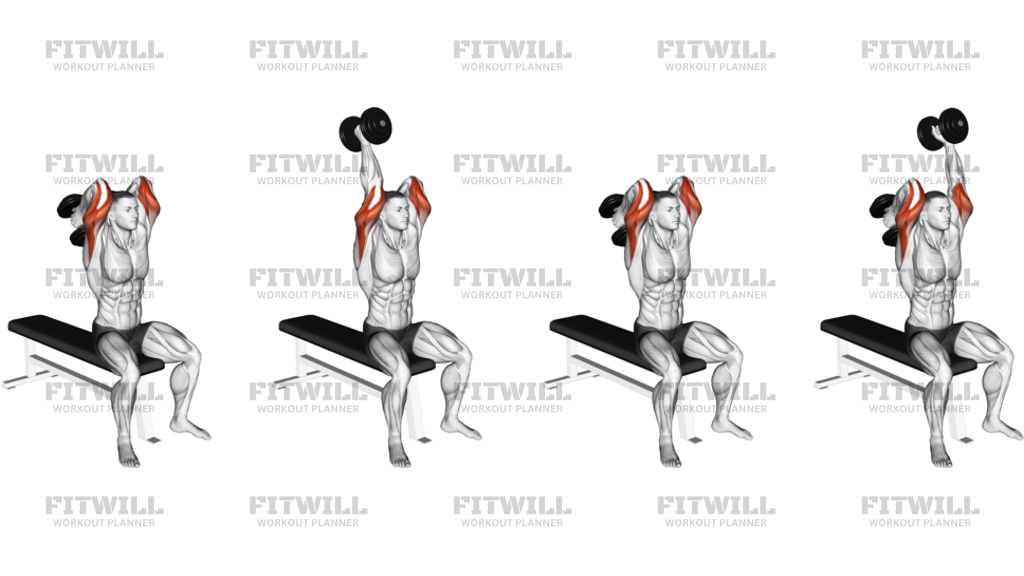
An EZ-bar skull crusher on the same bench is the closest substitute, while cable triceps pushdowns and overhead cable extensions train the triceps through a similar action with less weight near your face.
How many sets and reps should I do?
Most lifters do well with 3 to 4 sets of 8 to 15 reps, since the triceps respond well to controlled, moderate-load work. Keep at least one or two reps in reserve rather than grinding near your limit.
Do I need a spotter for the Dumbbell Lying Triceps Extension Skull Crusher?
Not strictly, but a spotter is helpful for handing you the dumbbells while you are lying back and for assisting if a rep stalls. Training alone, use weights you can control easily and set them on the floor rather than dropping them.