Dumbbell Lying Hammer Press
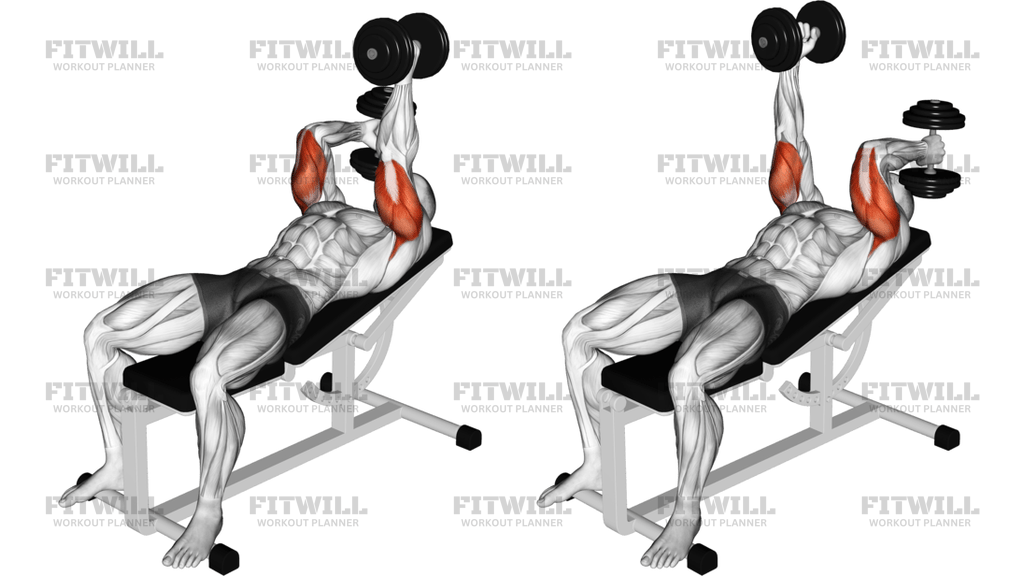
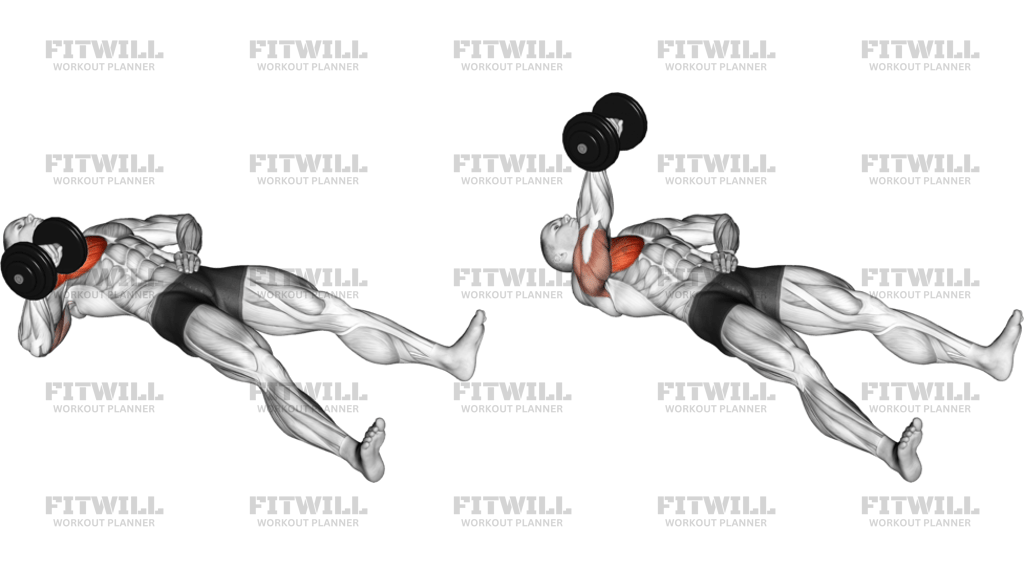
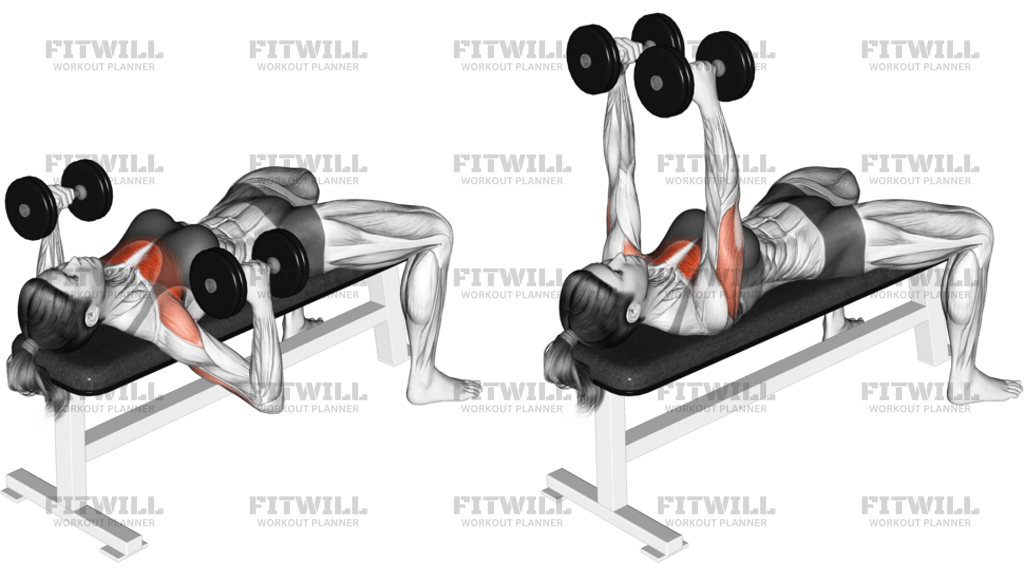
Dumbbell Lying Hammer Press is a flat-bench dumbbell press performed with a neutral grip, so the palms face each other instead of turning forward. That hand position changes the feel of the press and usually makes it easier to keep the wrists stacked and the shoulders comfortable while still training the chest, triceps, and front shoulders.
The exercise is useful when you want a pressing pattern that feels a little friendlier on the shoulders than a wide-grip dumbbell press. The neutral grip keeps the elbows from drifting too far out to the sides, which helps you keep tension where you want it and reduces the chance of the shoulders rolling forward at the bottom.
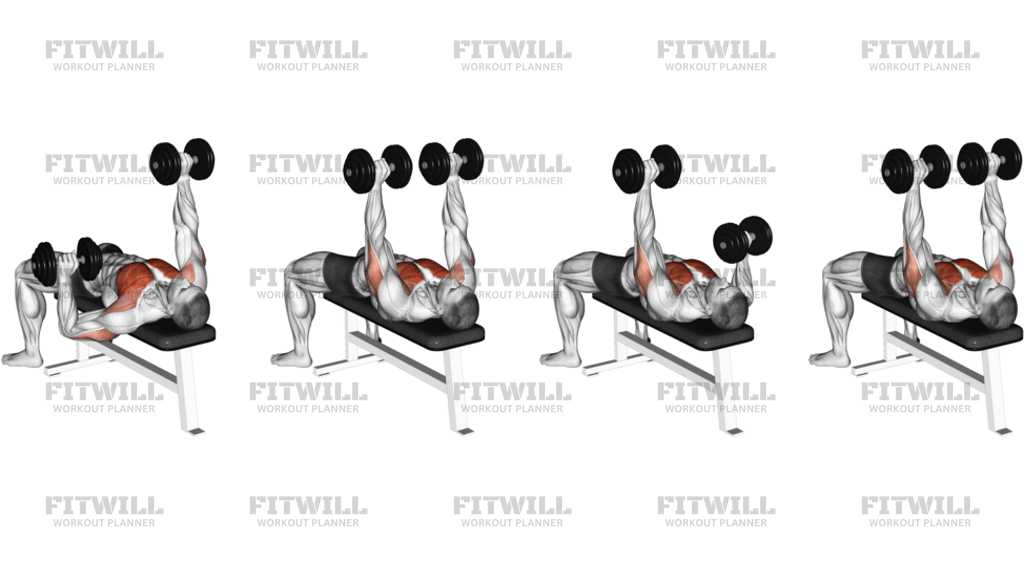
Setup matters here. Lie flat on the bench with your head, upper back, and glutes supported, feet planted on the floor, and the dumbbells held just outside the chest with the palms facing in. Keep the wrists straight and the forearms vertical so the weight sits over the elbow, not behind it. A stable base makes the press smoother and keeps the dumbbells tracking evenly.
Each rep should move in a controlled vertical path with a slight inward finish. Lower the dumbbells until the upper arms come close to the bench or chest without bouncing, then press them back up until the arms are nearly straight and the bells finish over the shoulders. Exhale as you press, keep the ribs from popping up, and avoid letting the dumbbells crash together at the top.
Dumbbell Lying Hammer Press works well as a main or accessory press for general upper-body strength, hypertrophy, or shoulder-friendly pressing volume. It is also a practical choice if a standard dumbbell bench press irritates the front of the shoulders or if you want more triceps involvement. Use a load you can lower cleanly and repeat without twisting the torso, changing wrist angle, or shortening the range just to keep the dumbbells moving.
[ Workout Log & Planner ]
Put your next workout in Fitwill
Keep your plan and training log ready when you are.


Instructions
- Lie flat on a bench with your head, upper back, and glutes supported, and place both feet firmly on the floor.
- Hold a dumbbell in each hand above the chest with your palms facing each other and your wrists stacked over your elbows.
- Draw your shoulder blades gently back and down so your chest stays open without arching hard through the lower back.
- Start with the dumbbells just outside the chest and the elbows bent, not flared straight out to the sides.
- Lower the dumbbells in a controlled line until the upper arms come close to the bench or chest.
- Pause for a brief moment at the bottom without bouncing the weights off the chest.
- Press the dumbbells upward and slightly inward until the arms are almost straight and the bells finish over the shoulders.
- Exhale through the press, keep the wrists neutral, and avoid letting the dumbbells drift behind the shoulder line.
- Lower the weights again with the same control, then repeat for the planned reps before placing the dumbbells down safely.
Tips & Tricks
- Keep the palms facing each other for the full set; letting the hands rotate forward turns this into a different press.
- If your wrists bend back, shorten the set and reset the dumbbells higher in the palm so the handles sit in line with the forearms.
- Aim for elbows about 30 to 45 degrees from the torso instead of flaring them wide at shoulder height.
- Lower the dumbbells until the upper arms lightly contact the bench or chest, but do not relax into the bottom.
- Press the bells up over the shoulder joints rather than drifting them toward the face or the stomach.
- Keep your shoulder blades set on the bench so the chest stays supported and the shoulders do not roll forward.
- Use a slightly lighter load than a normal dumbbell bench press, because the neutral grip often encourages cleaner shoulder mechanics.
- If one dumbbell rises faster than the other, slow the set down and match both sides before the next rep.
- Finish the set by bringing the dumbbells back to the thighs or bench edge before sitting up, especially with heavier weights.
Frequently Asked Questions
What muscles does Dumbbell Lying Hammer Press work?
It mainly trains the chest, with the triceps and front shoulders helping drive the press and stabilize the top position.
How is Dumbbell Lying Hammer Press different from a regular dumbbell bench press?
The palms stay facing each other, which usually keeps the elbows closer to the torso and feels friendlier on the shoulders.
How low should I lower the dumbbells?
Lower them until the upper arms come close to the bench or chest without bouncing or losing the shoulder position.
Should my elbows flare out on this exercise?
No. Keep the elbows at a moderate angle from the torso so the press stays controlled and the shoulders stay stacked.
Is Dumbbell Lying Hammer Press good for beginners?
Yes, as long as the load is light enough to keep the wrists, elbows, and dumbbells tracking evenly on the bench.
Do I need a flat bench for Dumbbell Lying Hammer Press?
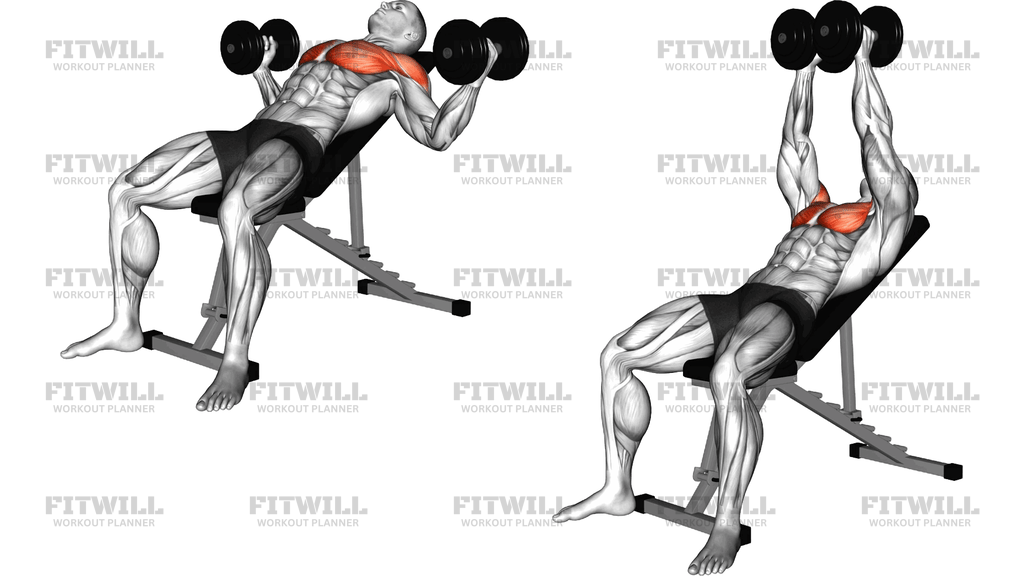
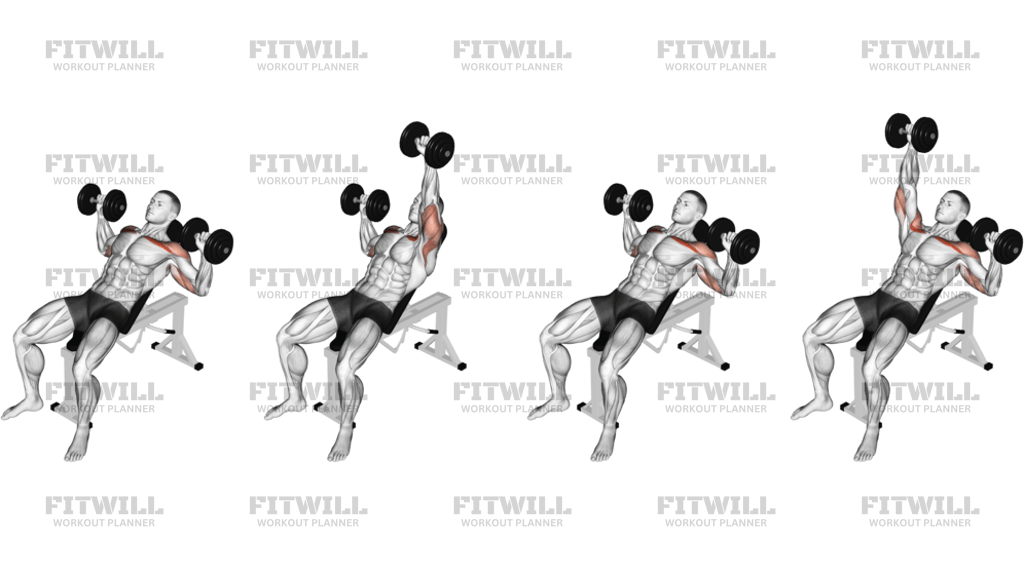
A flat bench matches this version best. An incline bench changes the angle and shifts more work toward the front shoulders.
Why do the dumbbells feel more stable with a neutral grip?
A neutral grip stacks the wrist over the elbow more naturally, which often makes it easier to control the press path.
How can I safely end the set with heavy dumbbells?
Bring the dumbbells back to the thighs, sit up from the bench, and avoid trying to stand directly from a tired pressing position.