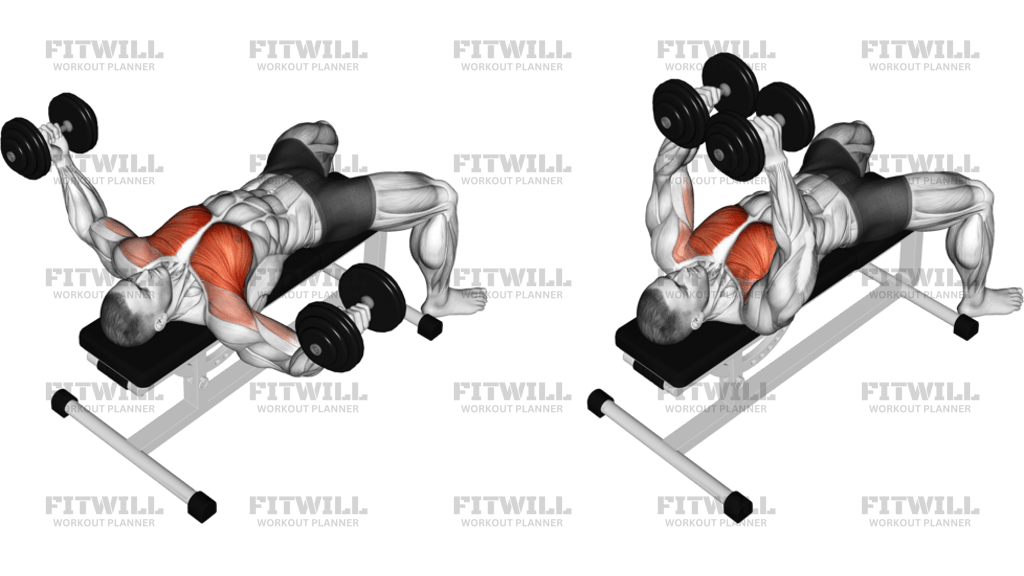
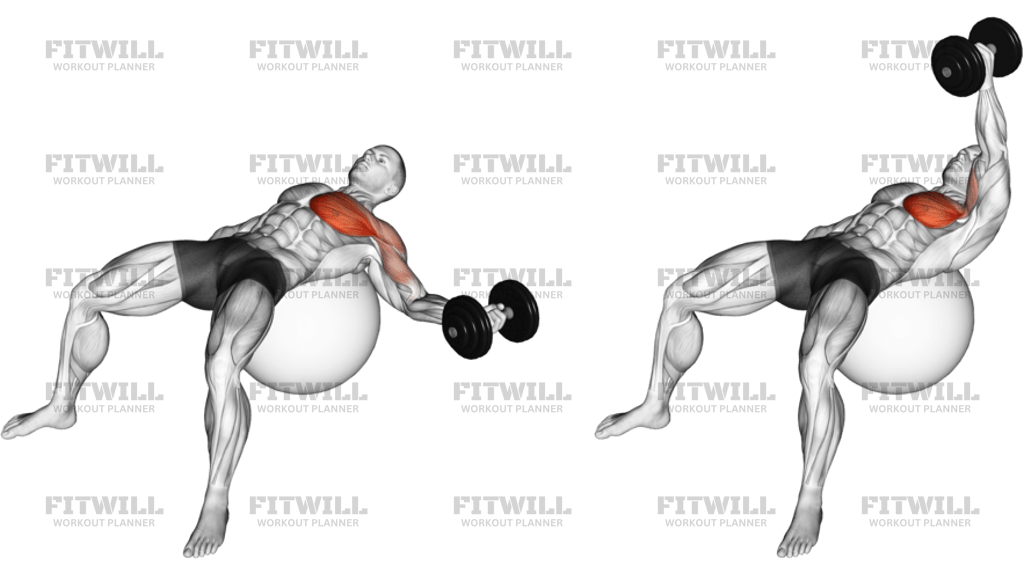
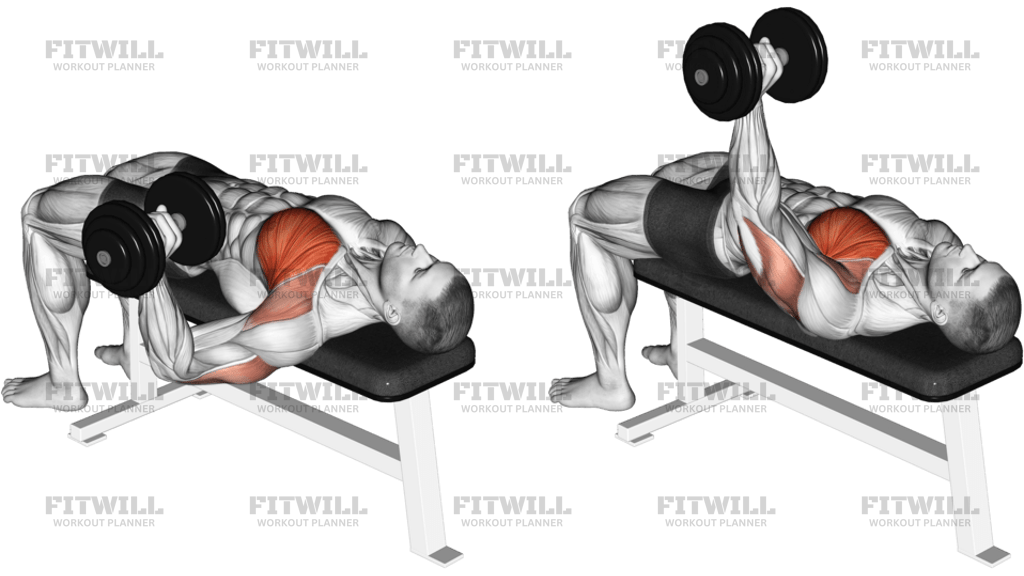
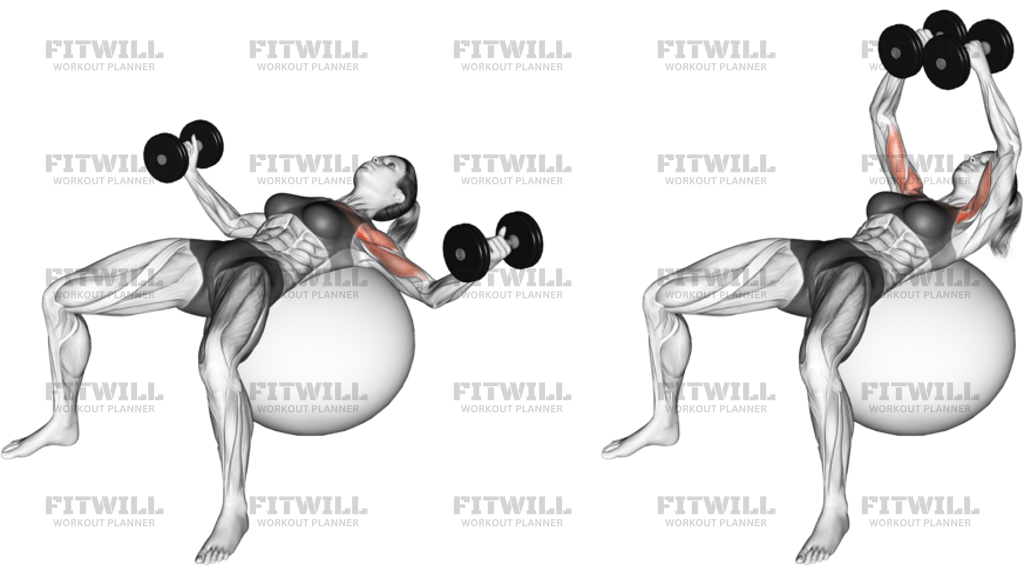
Dumbbell Lying Hammer Press
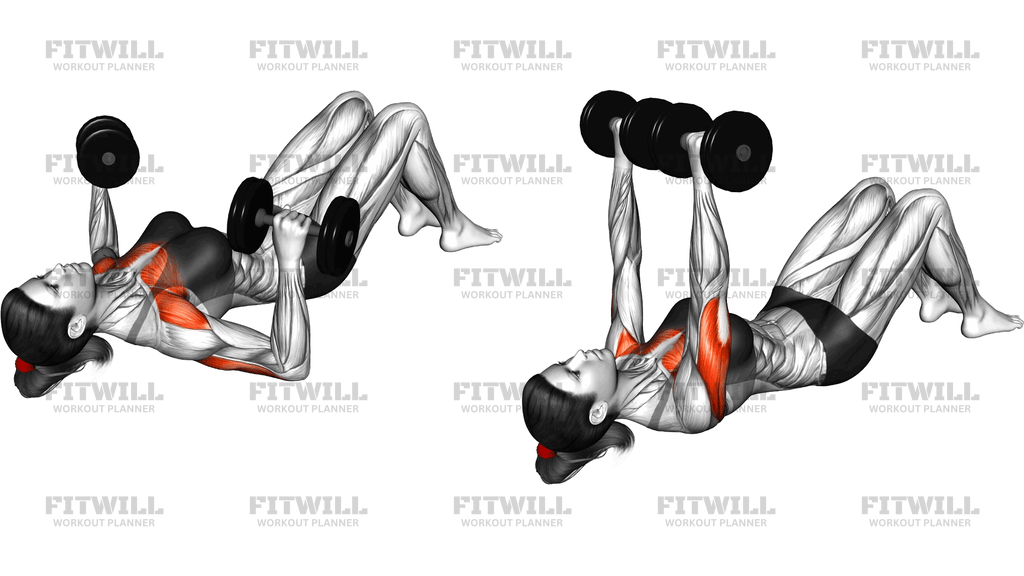
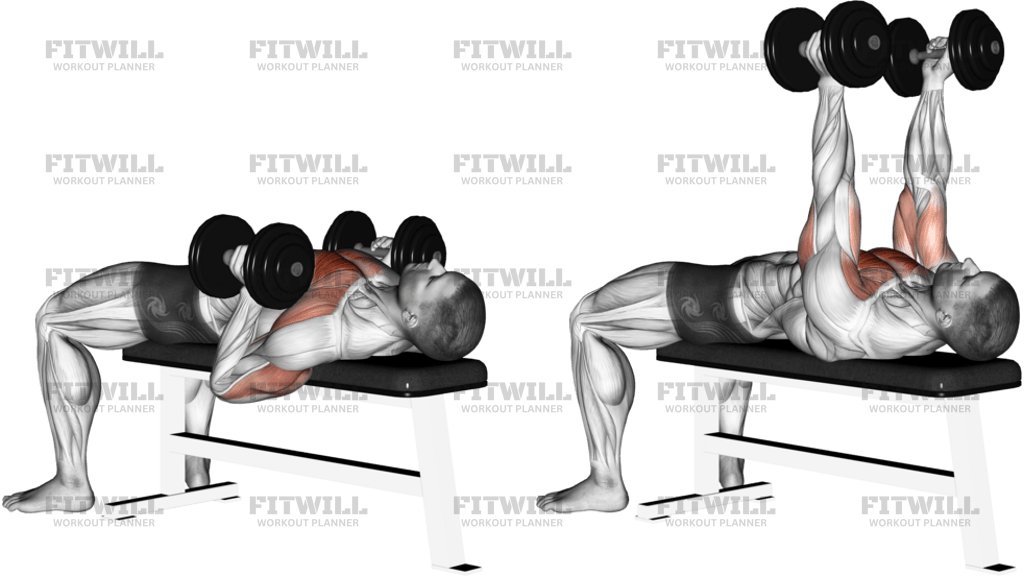
Dumbbell Lying Hammer Press is a neutral-grip dumbbell bench press performed lying flat on a bench with the palms facing each other. The neutral wrist and elbow position usually makes the press feel more shoulder-friendly than a wide-grip dumbbell press, while still loading the chest hard through a stable, controlled pressing path.
This variation is built around clean upper-body pressing mechanics. The main work comes from the pectoralis major, with the triceps and front deltoids helping to drive the dumbbells up and steady the shoulders. Because each arm works independently, the lift also exposes uneven pressing strength and side-to-side control. That makes the exercise useful when you want chest growth, pressing strength, or a more comfortable bench-press accessory than a barbell press.
The setup matters. Lie with your head, upper back, and glutes anchored to the bench, feet planted firmly on the floor, and dumbbells stacked over the middle of the chest with the wrists straight. From there, lower the weights in a smooth arc until the elbows are just below bench height or until you feel a deep but controlled chest stretch. The neutral grip should stay consistent from the bottom to the top, and the forearms should stay close to vertical so the load stays over the joints.
Press the dumbbells upward by driving through the chest and triceps at the same time. Keep the shoulders down and back on the bench instead of shrugging toward the ears, and avoid bouncing the dumbbells off the bottom position. The rep should finish with the dumbbells over the chest, not drifting toward the face or feet. Exhale through the press, lower under control, and reset your shoulders before the next rep.
Use Dumbbell Lying Hammer Press as a main accessory press, a chest-focused hypertrophy movement, or a shoulder-friendlier alternative when a standard dumbbell bench press feels awkward. It works well for moderate rep ranges with strict tempo and is also a good option for lifters who need to clean up pressing balance before moving back to heavier compound bench work.
[ Workout Log & Planner ]
Put your next workout in Fitwill
Keep your plan and training log ready when you are.


Instructions
- Sit on the end of a flat bench with a dumbbell in each hand and the palms facing each other.
- Roll back with the dumbbells to your chest, then plant both feet firmly and set your upper back on the bench.
- Hold the dumbbells above the mid-chest with straight wrists and elbows slightly tucked from the torso.
- Brace your torso and pin your shoulders down and back before the first rep.
- Lower both dumbbells in a controlled arc until the upper arms are just below bench level or until you feel a strong chest stretch.
- Keep the forearms close to vertical and the neutral grip unchanged as the dumbbells descend.
- Press the dumbbells up and slightly inward until the arms are straight and the weights finish over the chest.
- Exhale through the press, then lower again with control after a brief reset at the top.
- Rack the dumbbells safely to your thighs or have a spotter take them when the set is finished.
Tips & Tricks
- Keep the palms facing each other the whole time; turning the wrists into a pronated grip changes the feel and can stress the shoulders differently.
- Stack the wrists over the elbows at the bottom so the dumbbells do not drift toward the face or the hips.
- Let the elbows travel only slightly below the bench line; chasing an extra-deep bottom can dump the shoulders forward.
- Pin the shoulder blades to the bench, but do not over-arch your lower back to create fake range of motion.
- Lower until you feel the chest lengthen, not until the front of the shoulder takes over.
- Press the dumbbells up on the same path you lowered them on instead of finishing with them over your neck.
- Use a weight you can stop and control at the bottom; if the dumbbells wobble, the set is too heavy.
- Keep the feet glued to the floor so leg drive stabilizes the torso without turning the rep into a bridge.
- A slight pause near the chest can clean up the rep and stop you from bouncing out of the bottom.
Frequently Asked Questions
What muscle does Dumbbell Lying Hammer Press target most?
The chest is the main target, especially the pectoralis major, with the triceps and front delts assisting.
Can beginners perform this exercise?
Yes. Beginners usually handle this well if they keep the dumbbells light, the wrists neutral, and the elbows tucked slightly.
Why use a neutral grip instead of a regular dumbbell bench press?
The palms-facing grip often feels better on the shoulders and lets some lifters press more comfortably through the bottom range.
How far should I lower the dumbbells on the bench?
Lower until the upper arms are just below bench level or until you hit a controlled chest stretch without losing shoulder position.
Where should the dumbbells finish at the top of the rep?
They should finish stacked over the middle of the chest, not drifting toward the face or collapsing inward.
What is the most common form mistake on this movement?
Letting the shoulders roll forward at the bottom or flaring the elbows wide usually shifts stress away from the chest.
Is this a good option if a barbell bench press bothers my shoulders?
Often yes, because the neutral grip reduces shoulder rotation and can feel easier to control than a barbell.
How should I breathe during the set?
Inhale as the dumbbells lower, brace before the bottom, then exhale as you press them back up.