Squat
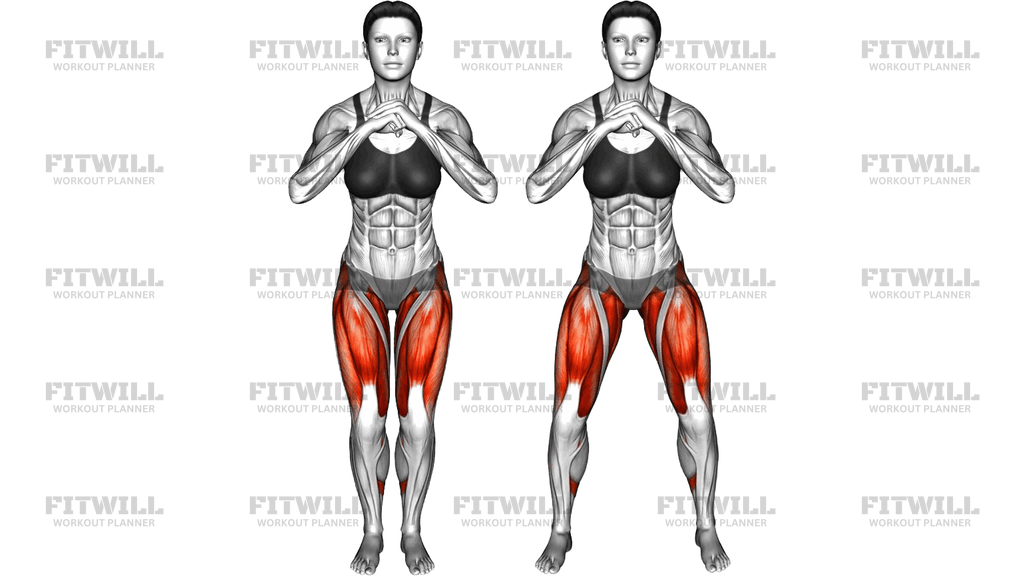
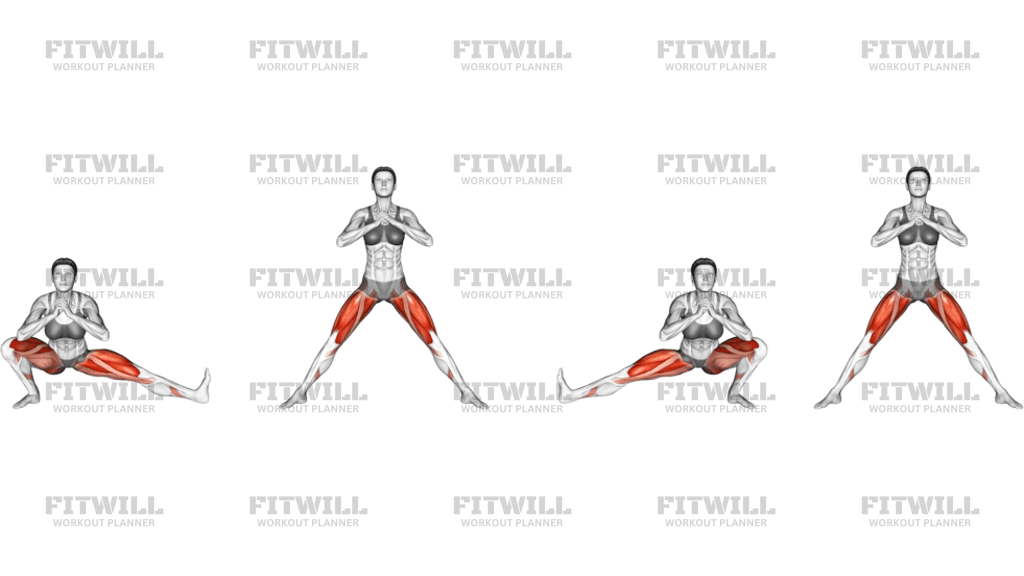
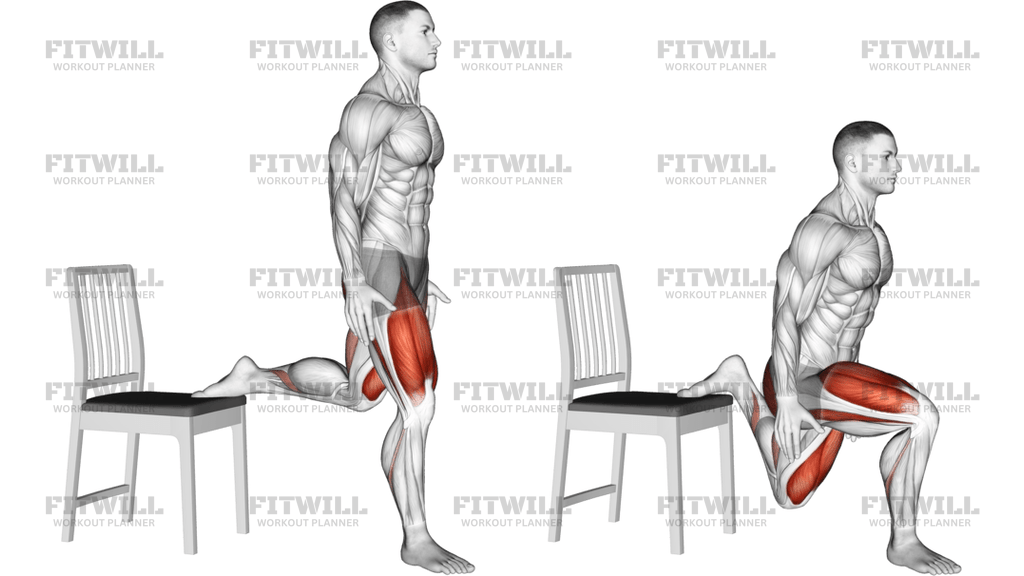
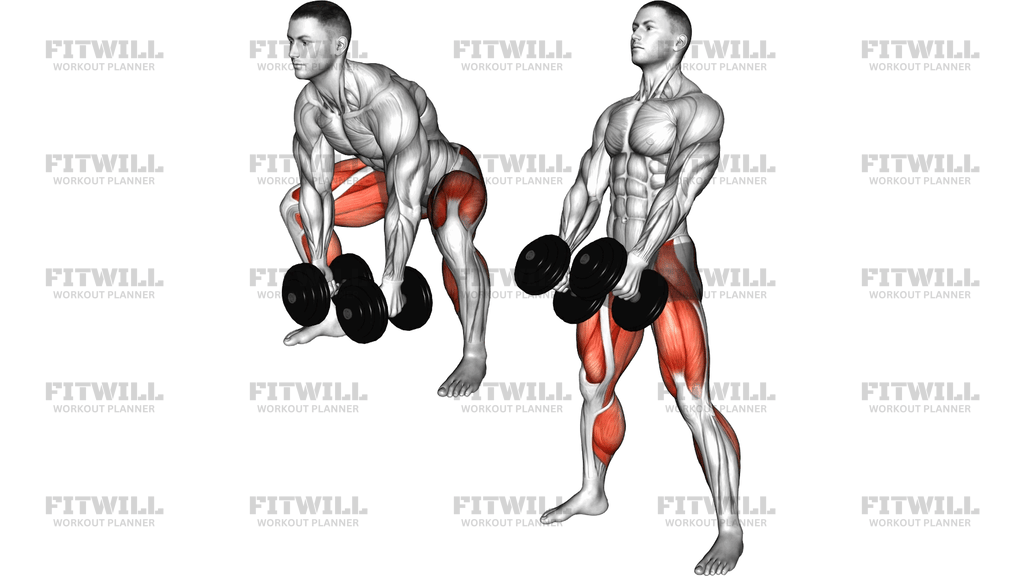
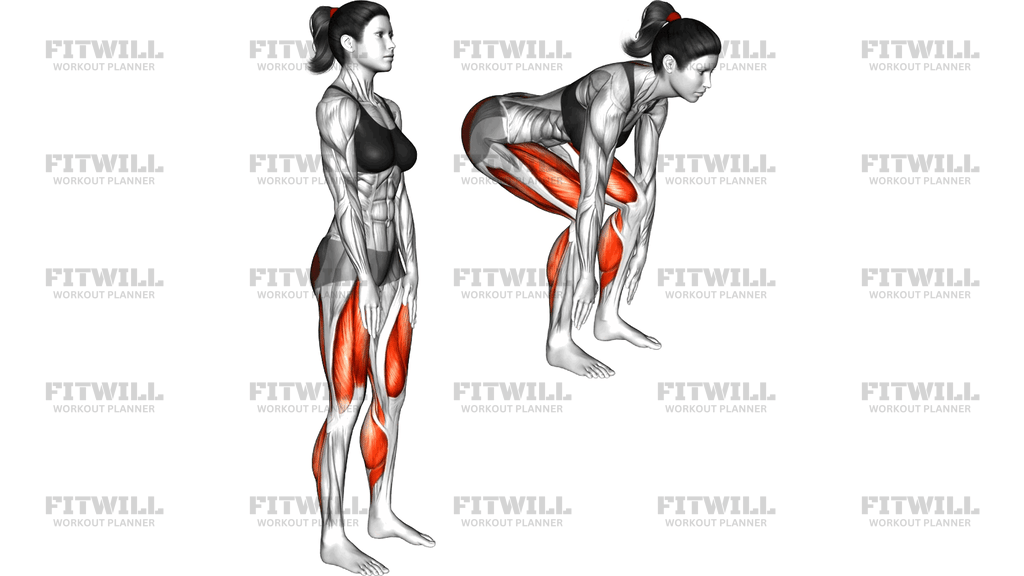
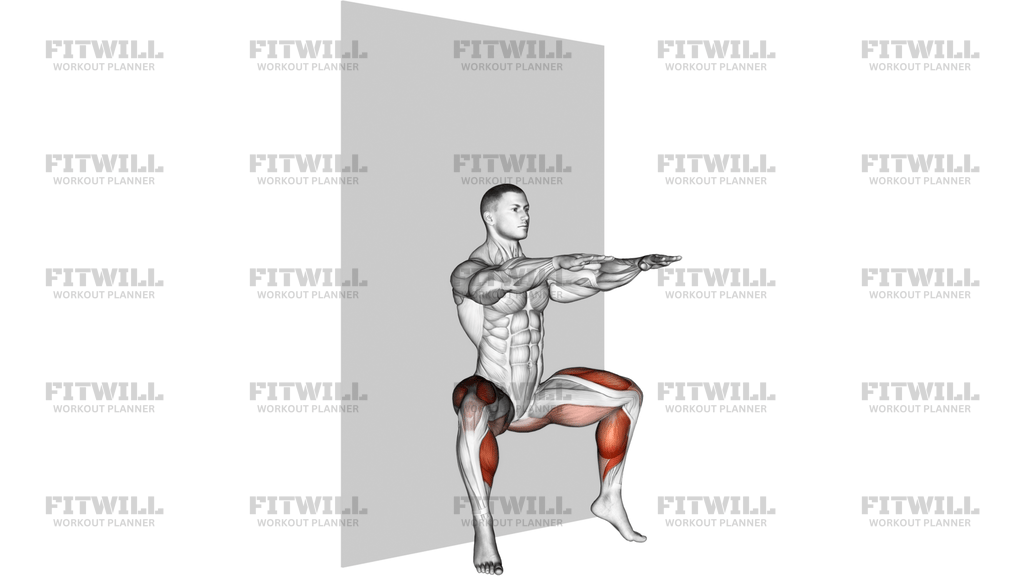
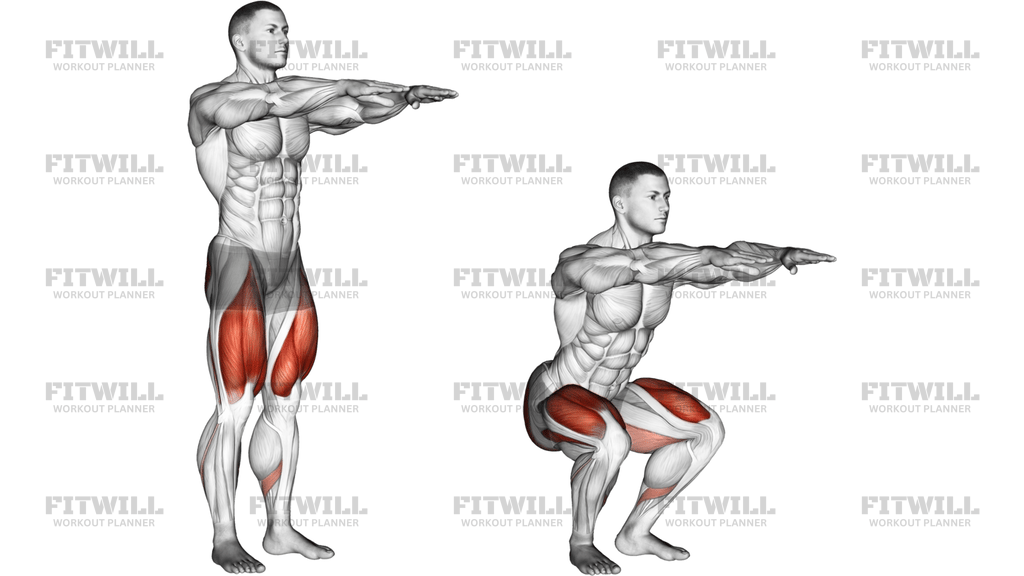
The squat shown here is a bodyweight air squat: feet planted on the floor, arms extended forward for counterbalance, hips sitting back and down, and the torso staying long as the knees bend and the thighs do most of the work. It is a simple but demanding lower-body pattern that trains knee and hip flexion together, so the quads, glutes, and adductors all have to coordinate while the trunk stays organized.
Because the exercise uses no external load, the setup matters more than people expect. A stable stance, even foot pressure, and a neutral spine let you reach useful depth without tipping forward or collapsing inward at the knees. The forward reach in the image is not decorative; it helps you keep the chest up, counterbalance the hips, and make the descent smoother. When that position is consistent, each rep becomes easier to repeat with the same mechanics.
On the way down, the squat should feel like a controlled sit-back and sit-down rather than a drop. The hips travel back first, then the knees bend and track over the toes as the body lowers under control. At the bottom, keep the heels down and the knees aligned with the mid-foot before driving back up through the floor. A clean rep finishes when the hips and knees extend together and the arms stay steady instead of swinging for momentum.
This movement is useful in warm-ups, conditioning circuits, and strength work for beginners or experienced lifters who need a bodyweight pattern they can repeat well. It can also expose mobility limits or side-to-side differences quickly, which makes it valuable as a self-check. Depth should be earned with control, not forced by rounding the lower back or lifting the heels. If your form changes before the set is done, shorten the range and keep the reps crisp.
[ Workout Log & Planner ]
Put your next workout in Fitwill
Keep your plan and training log ready when you are.


Instructions
- Stand with your feet about shoulder-width apart, toes turned slightly out, and your arms held straight out in front of you.
- Spread your weight across the whole foot so the heel, big toe, and little toe all stay in contact with the floor.
- Brace your trunk, keep your chest tall, and fix your gaze forward before you start the descent.
- Push your hips back first, then bend your knees and lower into the squat under control.
- Keep your knees tracking in line with your toes as you descend and avoid letting them cave inward.
- Lower until your thighs reach at least parallel to the floor, or as low as you can while keeping your heels down and spine neutral.
- Pause briefly in the bottom position if you can keep tension and balance without bouncing.
- Drive through the floor to stand up, bringing your hips and knees back to full extension while your arms stay lifted.
- Exhale as you rise, inhale as you lower, and reset your stance before the next rep if your position shifts.
Tips & Tricks
- If your heels pop up, stop a little higher and work on ankle control before chasing deeper depth.
- Keep pressure through the mid-foot, not just the toes, so the squat does not pitch you forward.
- Let the knees travel forward naturally as long as they stay in line with the toes; do not force them to stay rigidly behind the shins.
- Use the arms as a counterbalance, not a swing; if they drift, the torso usually follows.
- Descend at a steady pace so the bottom position is controlled instead of bounced out of.
- A slightly wider stance often feels better for people with longer femurs or tighter hips.
- Stop the set when the lower back starts to round or the chest collapses, even if the legs could do more.
- For conditioning, keep the reps smooth and repeatable rather than chasing speed on every rep.
Frequently Asked Questions
What muscles do bodyweight squats work most?
The main drivers are the quads and glutes, with the adductors and trunk muscles helping you stay stable through the bottom position.
How wide should my feet be for this squat?
Start around shoulder-width with the toes slightly turned out, then adjust a little wider or narrower until you can keep your heels down and your knees tracking cleanly.
Why are the arms held straight out in front?
The forward reach acts as a counterbalance so you can keep the torso more upright while the hips move back and down.
How deep should I go on the way down?
Lower as far as you can while keeping a neutral spine, flat heels, and knees that stay aligned with the toes; parallel is a good target for many people.
What is the most common mistake in a bodyweight squat?
People usually rush the descent and let the chest collapse, which shifts pressure into the toes and makes the knees cave inward.
Can I use this as a beginner squat variation?
Yes. It is one of the best ways to learn squat mechanics because the bodyweight version makes balance, depth, and knee tracking easy to see.
Should my knees go past my toes?
A little forward travel is normal and often necessary. The important part is that the knees move in the same direction as the toes and the heels stay planted.
How can I make the squat easier or harder?
Make it easier by reducing depth or using a box target, and make it harder by slowing the descent, adding a pause at the bottom, or increasing rep quality and range.