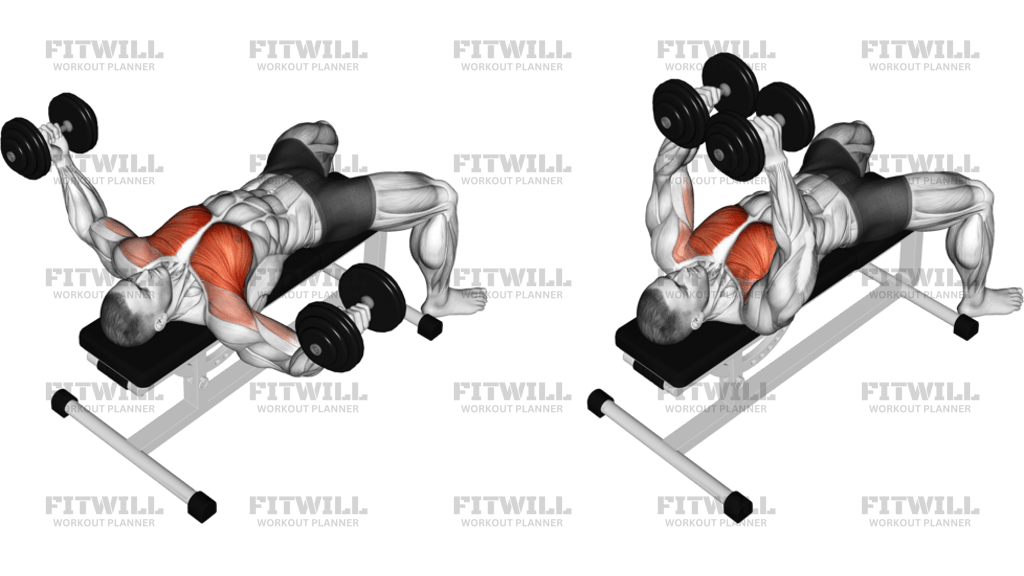
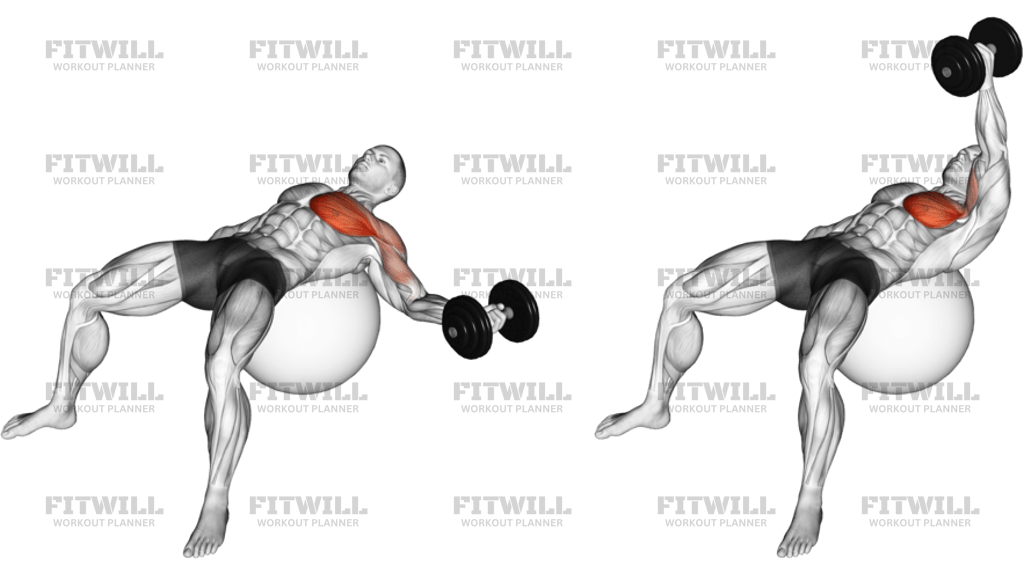
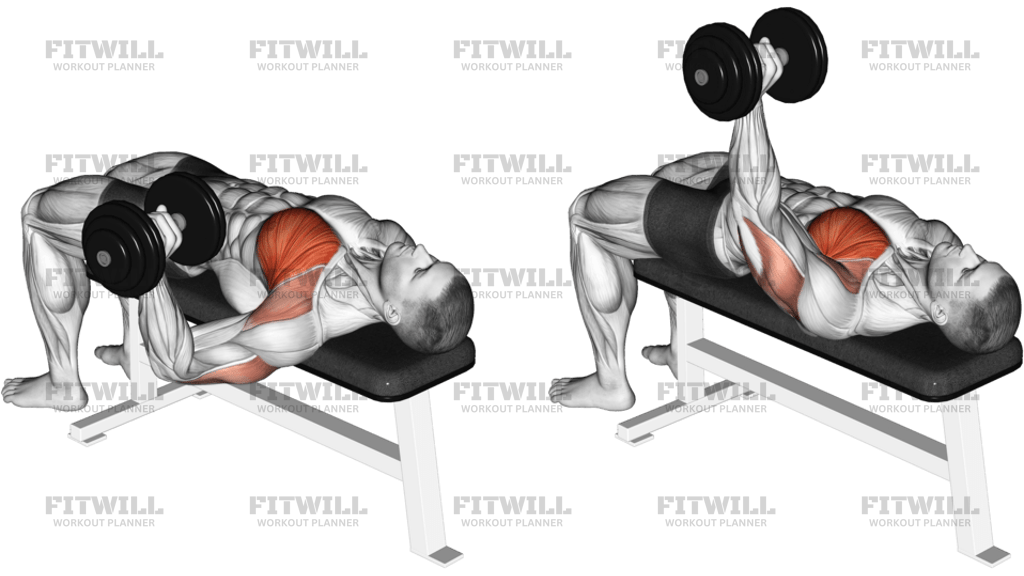
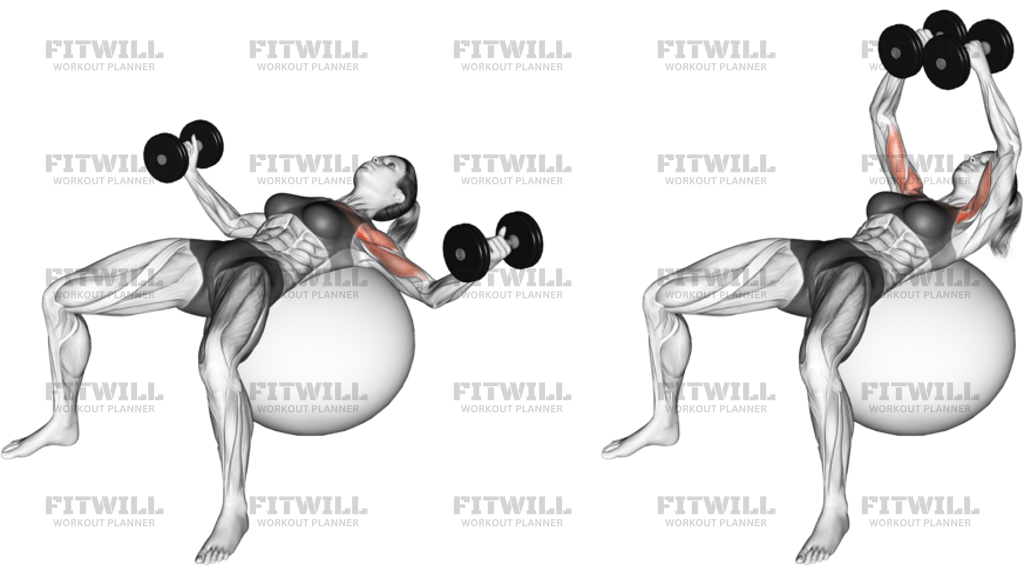
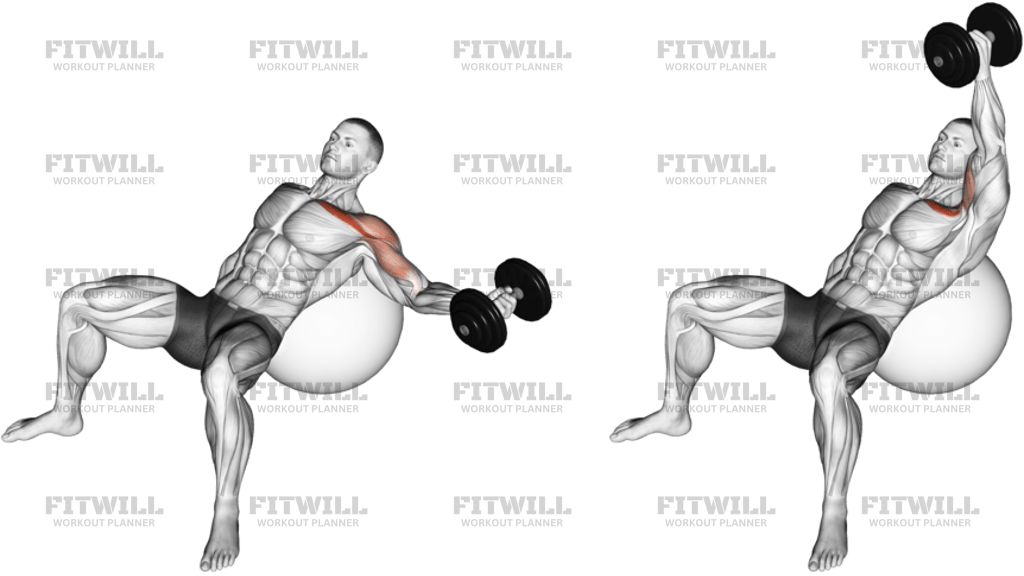
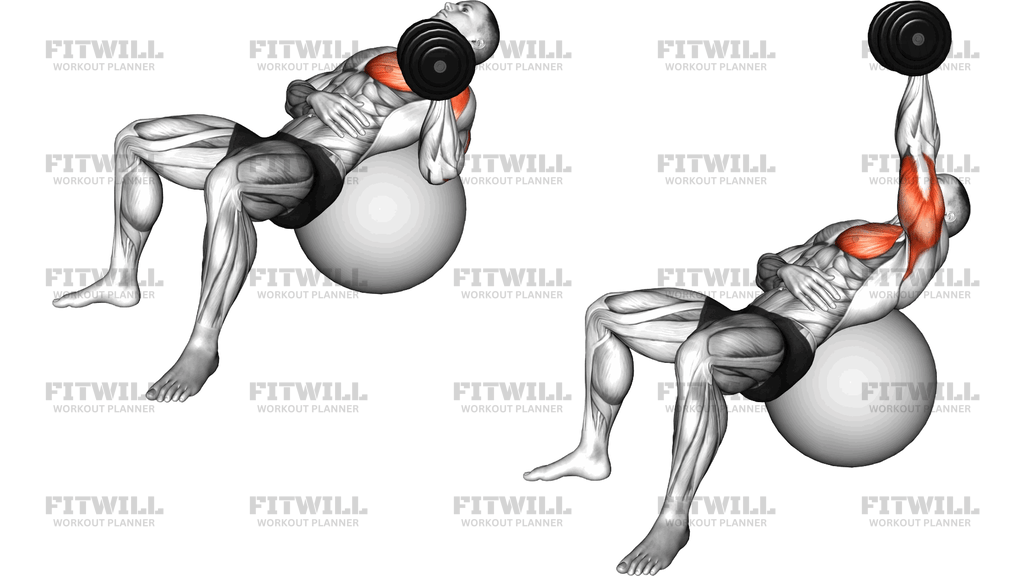
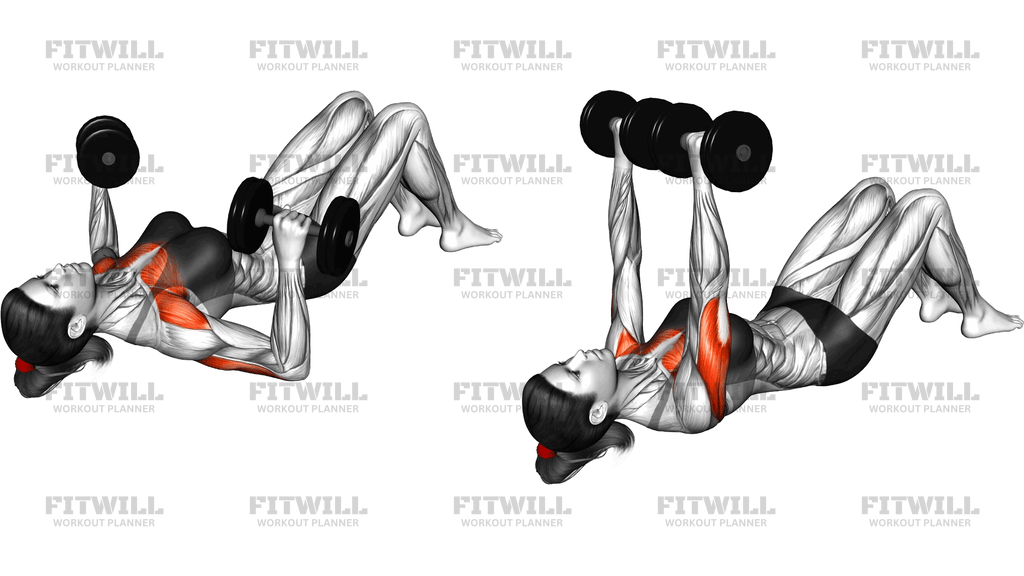
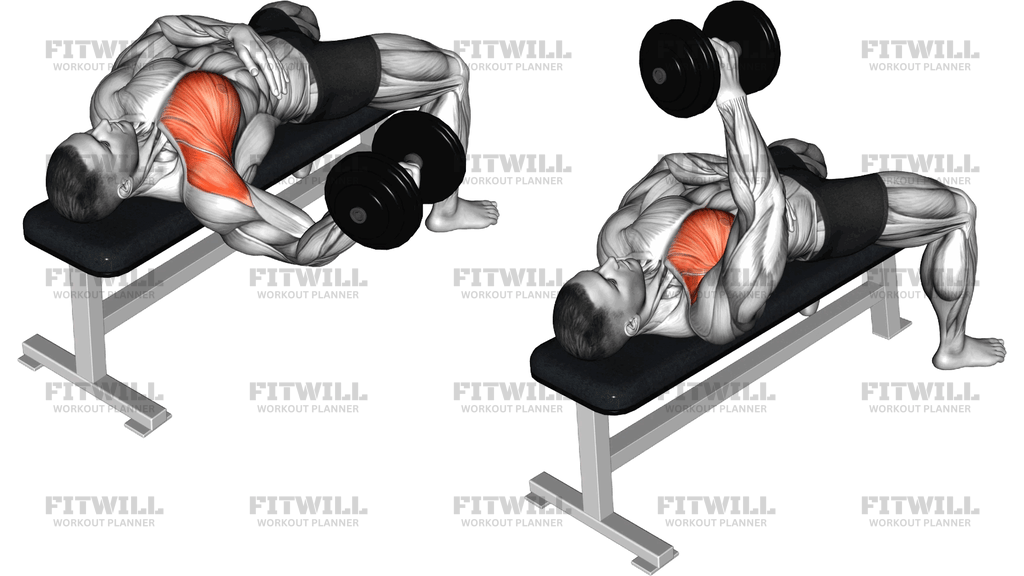
Dumbbell Incline One-Arm Press
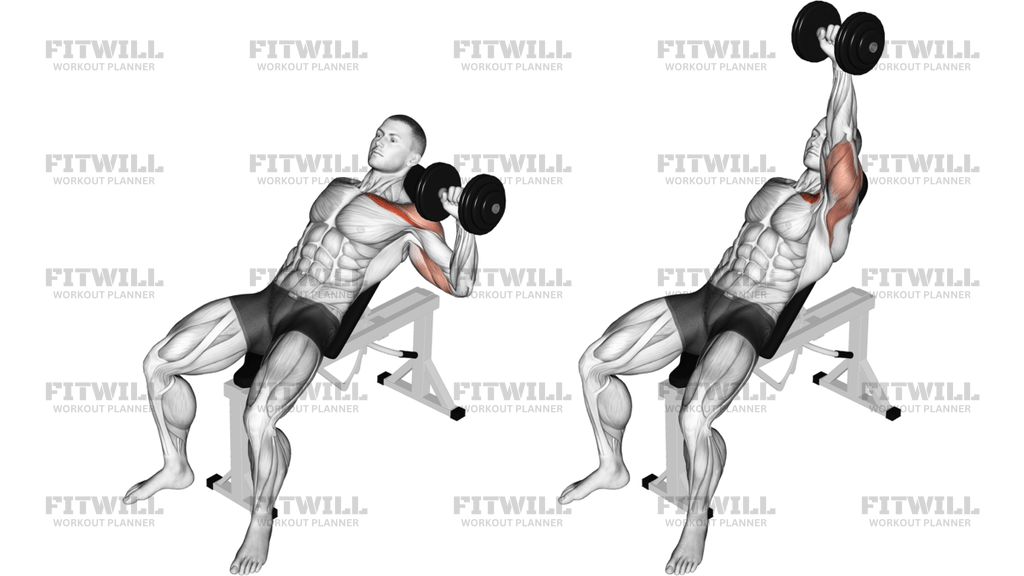
Dumbbell Incline One-Arm Press is a unilateral upper-body press that combines an inclined bench position with one arm working at a time. The exercise places most of the demand on the upper chest, front shoulder, and triceps while also asking the torso to resist twisting and rib flare. That makes it useful when you want pressing strength without losing control through the middle of the body.
The incline angle changes the pressing line compared with a flat bench press. Because the torso is supported on the bench, the movement can feel more stable than a standing press, but the one-arm setup still exposes side-to-side differences in strength and coordination. It is a good choice for building pressing mechanics, evening out imbalances, or adding a more focused accessory press after heavier bilateral work.
The setup matters more than with a machine because your body position controls the path of the dumbbell. Set the bench to a moderate incline, plant both feet firmly, and keep the shoulder blades pulled back and down before the dumbbell leaves shoulder height. A stacked wrist and a quiet rib cage help the press stay on the upper chest and front deltoid instead of drifting into the shoulder joint.
Each repetition should rise smoothly from the shoulder line to a strong lockout above the upper chest, then lower under control to the same touch point on every rep. Keep the elbow slightly tucked rather than flared straight out, and avoid rotating so hard that your torso rolls off the bench. The free side should stay calm and stable so the working side does the pressing instead of momentum or body swing.
Dumbbell Incline One-Arm Press fits well in hypertrophy or strength sessions when you want clean pressing volume with a bit more core demand than a standard incline press. It is also useful when one side needs extra attention after an injury-free return to pressing or when the bench angle feels friendlier than a flat press. If the shoulder feels pinched, reduce the incline, shorten the depth slightly, or use a lighter load until the path stays smooth and pain-free.
Fitwill
Log Workouts, Track Progress & Build Strength.
Achieve more with Fitwill: explore over 9600 exercises with images and videos, access built-in and custom workouts, perfect for both gym and home sessions, and see real results.
Start your journey. Download today!




Instructions
- Set an incline bench to a moderate angle, sit back with both feet flat on the floor, and bring one dumbbell to shoulder height with the working forearm vertical.
- Lean back onto the bench, keep your shoulder blades pulled back and down, and keep your chest lifted without over-arching your lower back.
- Hold the dumbbell over the upper chest with your wrist stacked over your elbow and the free side of your body quiet on the bench.
- Brace your torso before the first rep so the rib cage stays down and the bench does not become a lever for twisting.
- Press the dumbbell up in a smooth line until your arm is straight, finishing above the upper chest or slightly over the shoulder.
- Lower the dumbbell slowly to the same shoulder-line touch point on every rep, stopping before the shoulder rolls forward.
- Keep the elbow at a slight angle from the torso rather than flaring it straight out, and let the forearm stay nearly vertical through the press.
- Exhale as you press up and inhale as you lower, keeping the rep controlled instead of bouncing at the bottom.
- When the set is done, bring the dumbbell back to shoulder height, plant both feet firmly, and sit up with control before switching sides or setting the weight down.
Tips & Tricks
- Use a moderate incline, not a steep one; the more upright the bench gets, the more the press turns into a shoulder exercise.
- Keep your ribs from popping up as you press. If the lower back arches hard, the dumbbell is probably too heavy or the bench angle is too high.
- Stack the wrist over the elbow before every rep so the dumbbell stays over the forearm instead of folding the wrist back.
- Let the elbow travel slightly in front of the torso on the way down. A very wide elbow position tends to irritate the shoulder and shorten control.
- Press up and slightly inward so the dumbbell finishes above the upper chest or shoulder line instead of drifting behind the face.
- Use a shorter range if the shoulder rolls forward at the bottom. Depth should stop where the chest and shoulder stay organized.
- Keep the non-working side quiet. If your torso rotates toward the pressing arm, drop the load and slow the descent.
- A light pause near the bottom helps remove bounce and makes each side work from a dead stop.
- Choose a weight that lets the last rep look the same as the first; once the dumbbell starts wobbling, the set is already too heavy.
Frequently Asked Questions
What muscles does Dumbbell Incline One-Arm Press work?
It mainly trains the upper chest, front shoulder, and triceps, with the core helping to keep the torso from rotating on the bench.
Why do one arm at a time instead of both arms together?
The single-arm setup makes it easier to spot strength differences side to side and adds anti-rotation work through the trunk.
How steep should the bench be for Dumbbell Incline One-Arm Press?
A moderate incline is usually best. If the bench is too upright, the movement shifts toward a shoulder press and the chest does less of the work.
How low should I lower the dumbbell?
Lower it to the same upper-chest or shoulder-line touch point each rep, stopping before the shoulder rolls forward or the elbow drifts too far back.
Can beginners do Dumbbell Incline One-Arm Press?
Yes, as long as the load is light enough to keep the torso steady and the dumbbell path smooth. Start conservatively and build control first.
What is a common mistake on the bench?
Twisting toward the working arm is a big one. Keep both feet planted and the rib cage quiet so the press comes from the arm instead of a body lean.
Should I use a neutral grip or a palm-forward grip?
Either can work, but a neutral or slightly turned grip often feels friendlier on the shoulder when the dumbbell starts near shoulder height.
Do I need a spotter for Dumbbell Incline One-Arm Press?
A spotter is not always necessary with moderate dumbbells, but it is useful if the weight is hard to rack, the bench is steep, or you are training close to failure.
What should I change if my shoulder feels pinched?
Reduce the incline, shorten the bottom range slightly, and use a lighter dumbbell. The rep should feel smooth through the shoulder, not jammed at the bottom.