Dumbbell One-Arm Bench Fly
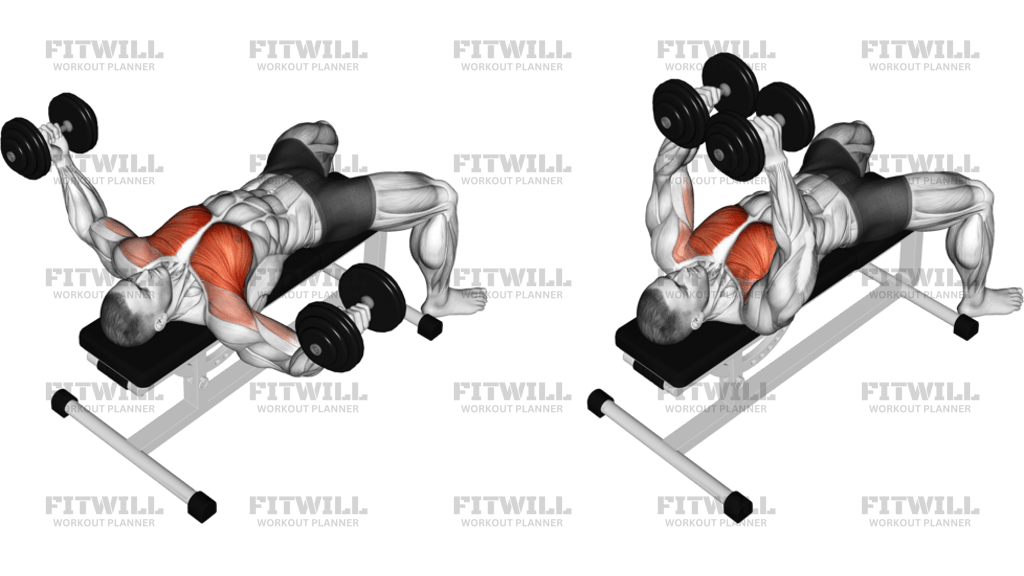
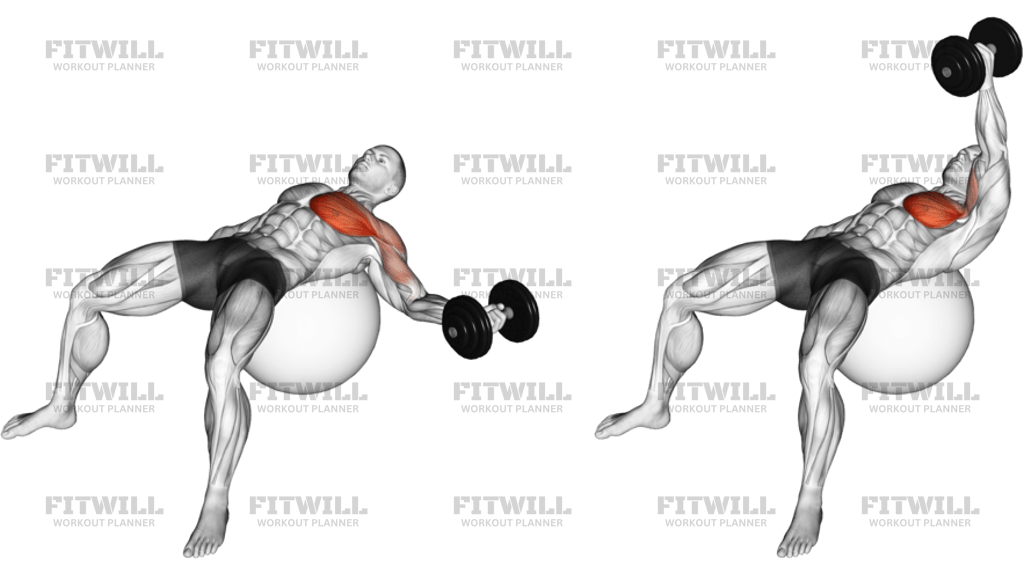
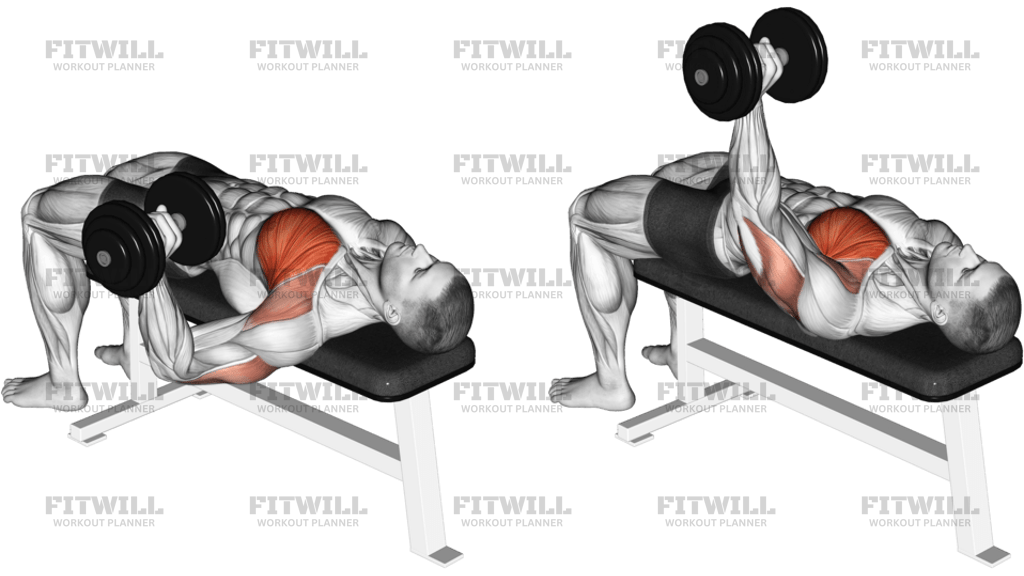
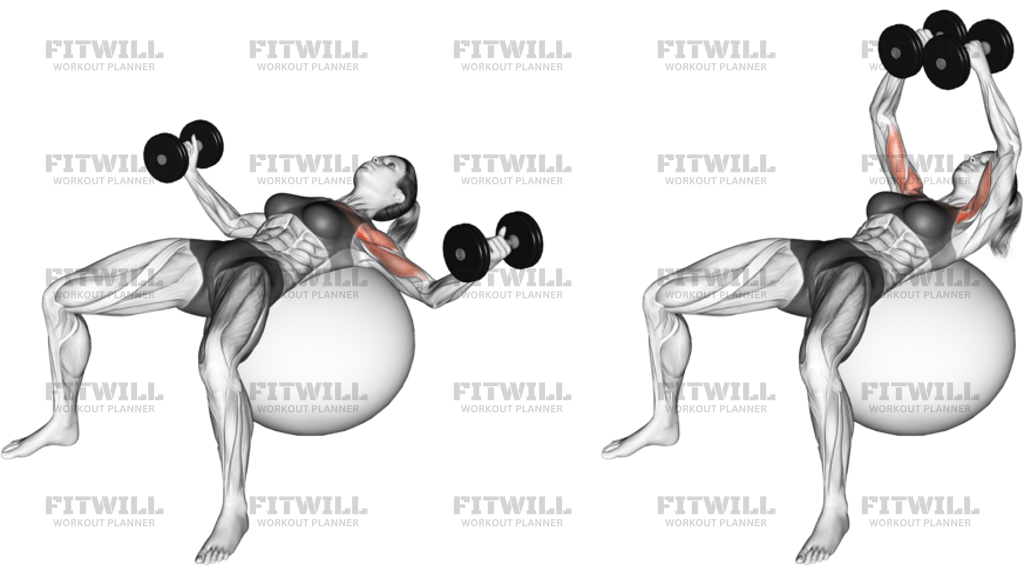
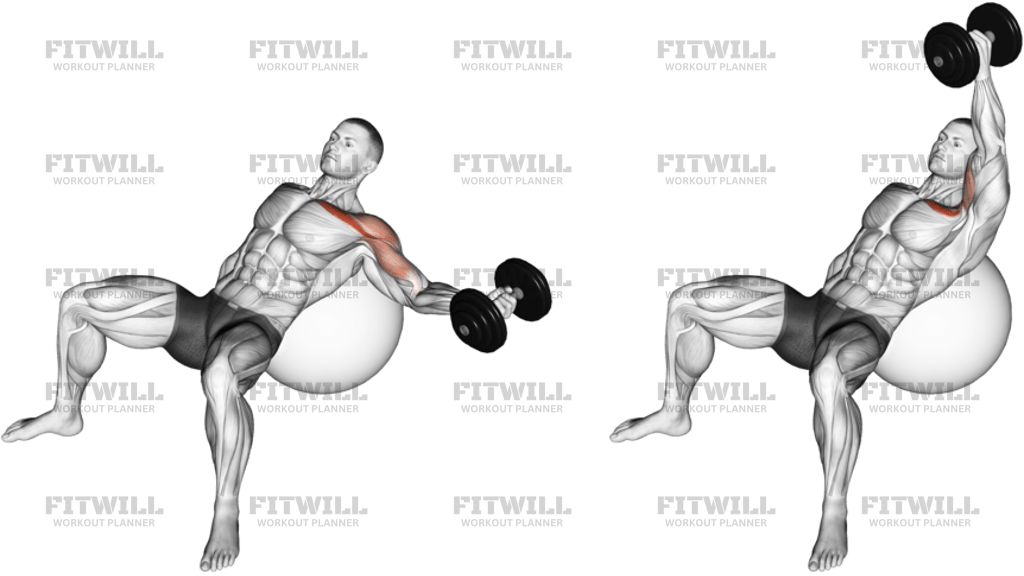
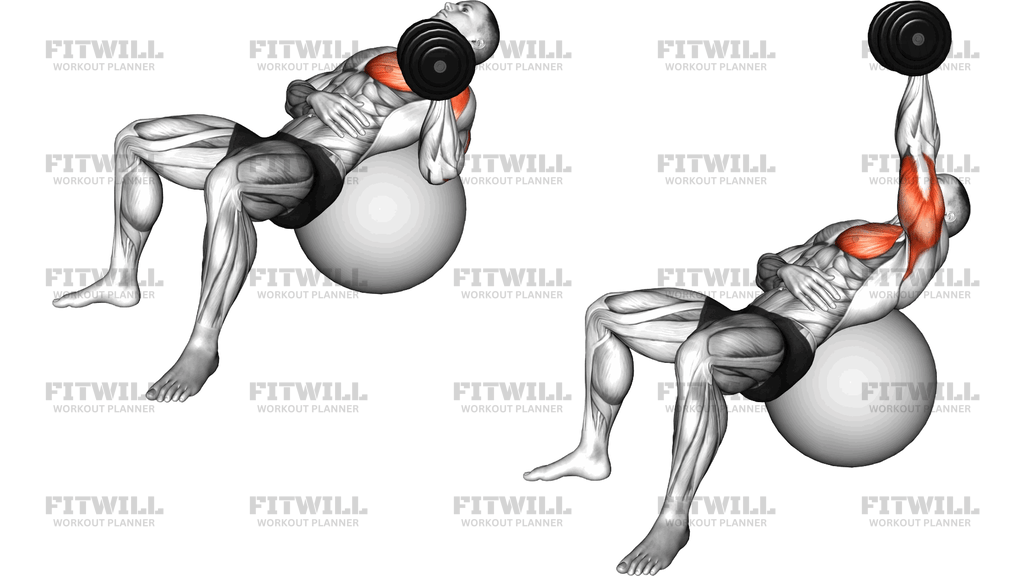
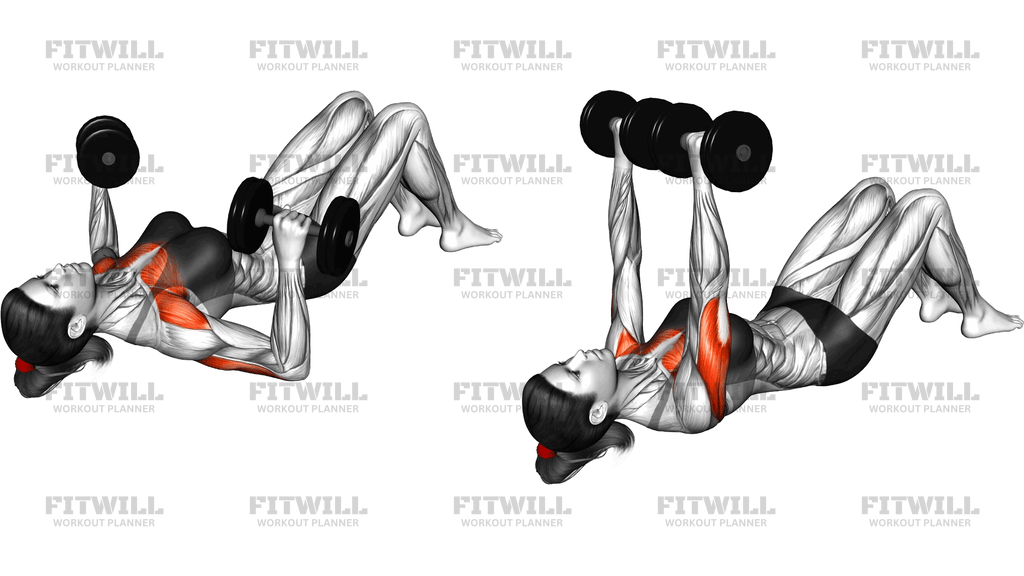
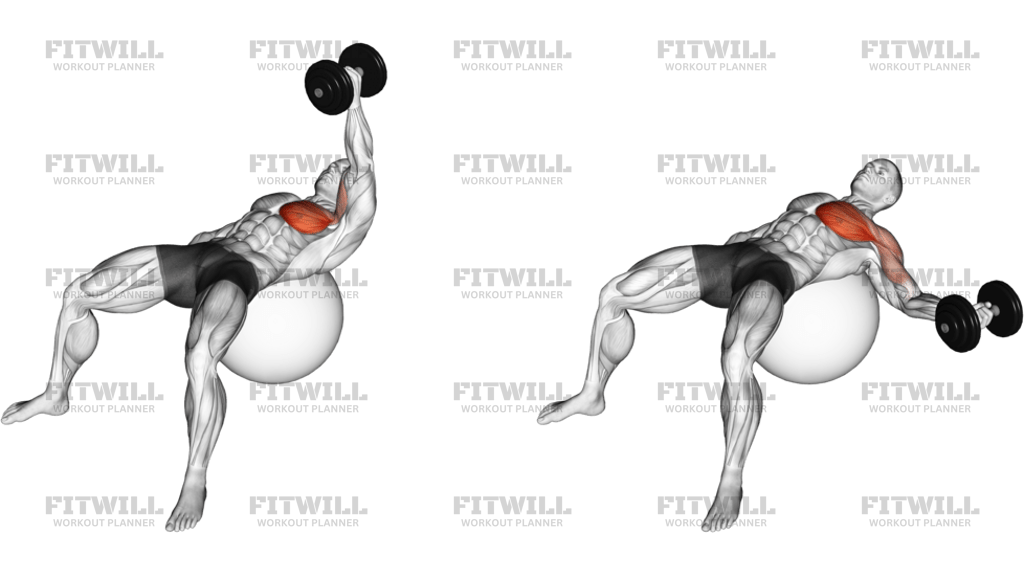
The Dumbbell One-Arm Bench Fly is a unilateral chest isolation exercise performed lying on a flat bench with one dumbbell and a slight bend in the elbow. It teaches you to open the working side of the chest under control, then bring the arm back over the sternum without turning the movement into a press. Because only one arm is working at a time, the exercise also asks the trunk to stay quiet and the shoulder blades to stay organized on the bench.
The main target is the pectoralis major, especially the fibers that adduct the arm as it comes back toward the midline. The anterior deltoid helps control the shoulder position, while the triceps and core contribute to stability. The non-working side should stay planted and relaxed enough to keep the torso from twisting, which makes this a useful accessory for lifters who want cleaner chest tension and better side-to-side control.
Bench position matters here. Lie with your head, upper back, and hips supported on the bench and set your feet firmly on the floor. Start with the dumbbell above the chest, wrist stacked over elbow, and a small soft bend in the arm that stays nearly the same through the rep. Lower the weight in a wide arc out to the side until the upper arm reaches a deep but comfortable stretch across the chest, then reverse the path and finish with the hand back over the chest, not drifting toward the face or shoulder.
A good repetition feels like the chest opening and closing around a stable shoulder socket. Keep the ribcage from flaring, avoid shrugging the working shoulder toward the ear, and control the lowering phase so the dumbbell never drops under gravity. If the shoulder feels pinched, shorten the range slightly and keep the upper arm a little closer to the torso. The goal is steady tension through the pecs, not the biggest possible stretch.
This movement fits well as accessory work on chest days, upper-body split routines, or unilateral strength blocks where you want to clean up left-right differences. It is also a good option for lighter hypertrophy work if you can keep the bench contact, wrist position, and elbow angle consistent. Use it when you want a slower, more deliberate chest fly that rewards control more than load.
[ Workout Log & Planner ]
Put your next workout in Fitwill
Keep your plan and training log ready when you are.


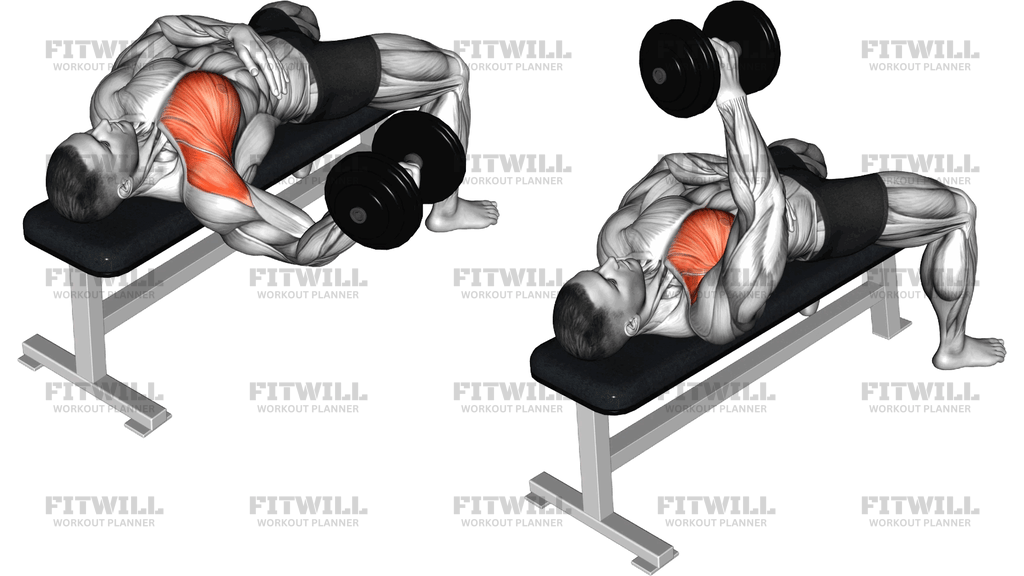
Instructions
- Lie lengthwise on a flat bench with your head, upper back, and hips supported; place both feet flat on the floor and hold one dumbbell above the chest in the working hand.
- Set the free hand on the bench or across the torso so the ribcage stays quiet and the body does not roll toward the working side.
- Stack the wrist over the elbow, keep a slight bend in the working arm, and brace before the dumbbell moves.
- Lower the dumbbell in a wide arc out to the side until you feel a controlled stretch across the chest, not a pinch in the front of the shoulder.
- Keep the elbow angle almost unchanged as the arm lowers so the movement stays a fly and not a press.
- Pause briefly at the bottom if you can hold position without losing shoulder control.
- Sweep the dumbbell back over the chest by squeezing the pec and bringing the upper arm back toward the midline.
- Finish with the hand above the middle of the chest, then lower under control for the next rep.
- Exhale as you bring the dumbbell back up and reset your shoulder blades against the bench before the next repetition.
Tips & Tricks
- A moderate load works better than a heavy one; once the elbow starts straightening and bending a lot, the fly is turning into a press.
- Keep the elbow soft and fixed through most of the rep so the chest, not the triceps, controls the arc.
- Lower the dumbbell only until the shoulder still feels packed and stable; a bigger stretch is not better if the front of the shoulder feels pulled forward.
- Press the non-working shoulder and upper back into the bench to stop the torso from rotating toward the loaded side.
- Keep the wrist over the elbow and the knuckles stacked so the dumbbell does not drift behind the hand at the bottom.
- Think about moving the upper arm across the chest, not about swinging the hand upward with momentum.
- If the bench is too high or too low for your shoulder, adjust to a flat bench and shorten the range before increasing load.
- Let the descent take longer than the lift so you can feel the pec lengthen and contract without bouncing out of the bottom.
Frequently Asked Questions
What muscles does the Dumbbell One-Arm Bench Fly train?
It primarily trains the chest, especially the pectoralis major, with help from the front shoulder and a small amount of triceps and trunk stabilization.
Why use one arm at a time on the bench fly?
Working one side at a time makes it easier to feel the chest work without the stronger side taking over, and it challenges the torso to stay square on the bench.
How bent should my elbow be during the fly?
Keep a small, consistent bend and freeze that angle through most of the repetition. If the elbow keeps changing, the movement becomes more like a press.
How low should the dumbbell go?
Lower it only until you feel a deep chest stretch that still feels smooth in the shoulder. Stop short of any pinching, clicking, or loss of control.
What is the most common mistake with this exercise?
The biggest mistake is letting the shoulder roll forward or the elbow bend and straighten too much, which shifts tension away from the chest.
Should the free hand do anything?
Yes. The free hand should help you stay balanced by resting on the bench or across the torso so the body does not twist as the working arm moves.
Can beginners do the one-arm bench fly?
Yes, but only with a light dumbbell and a shorter range of motion until they can keep the shoulder stable and the elbow angle steady.
How is this different from a dumbbell press?
A press uses a bigger elbow bend and more triceps involvement, while this fly keeps the arm angle almost fixed so the chest does most of the work.