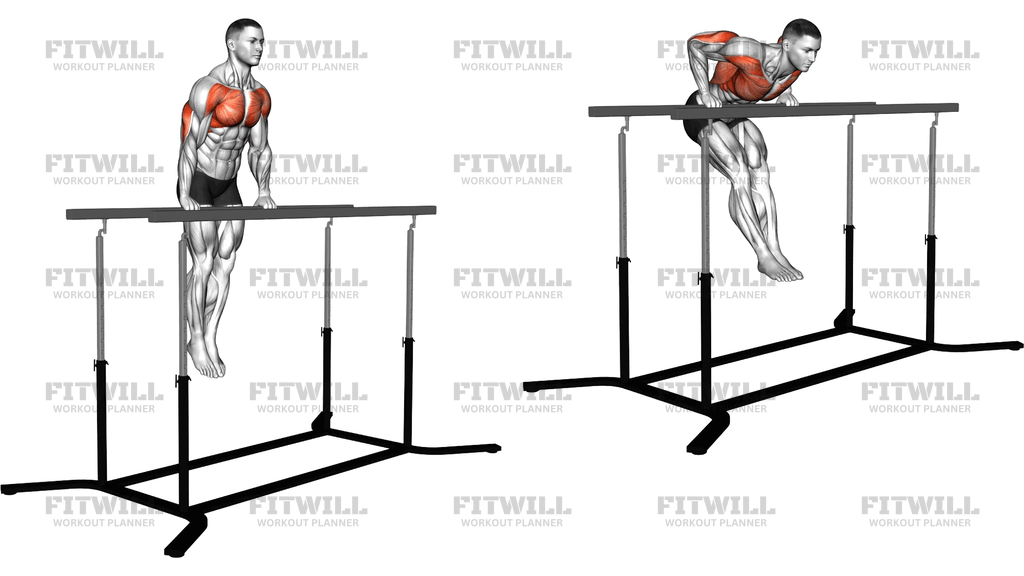
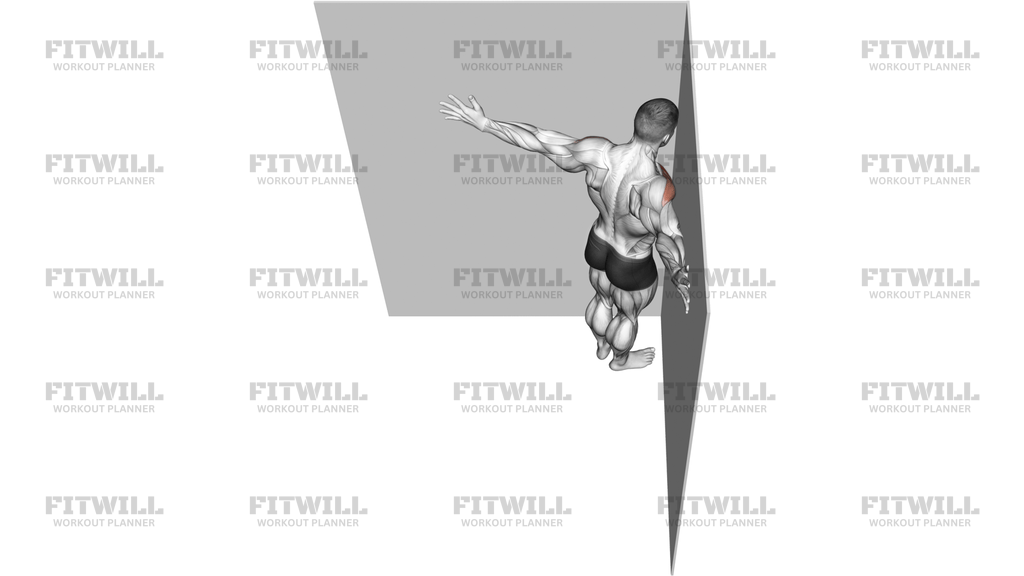
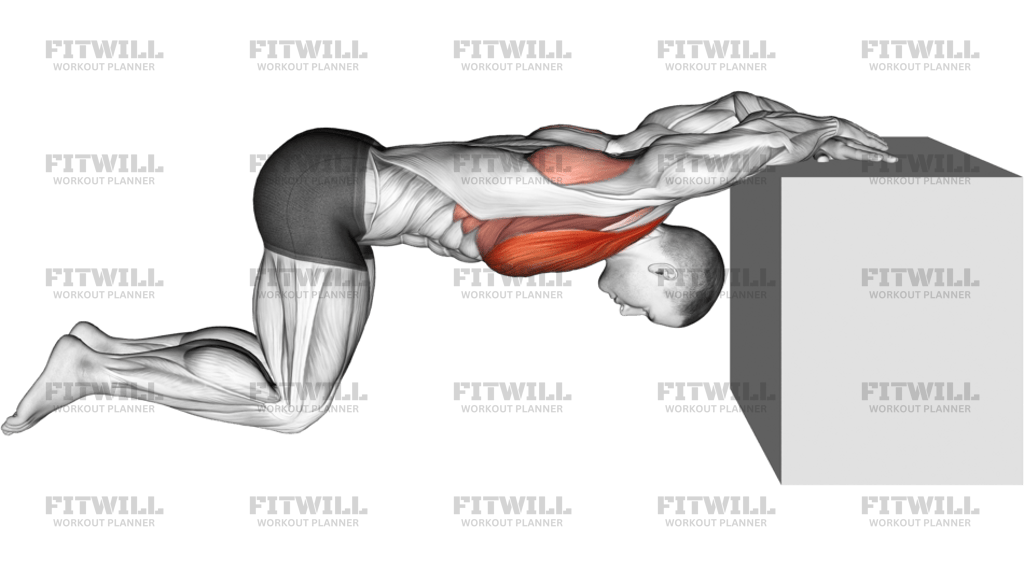
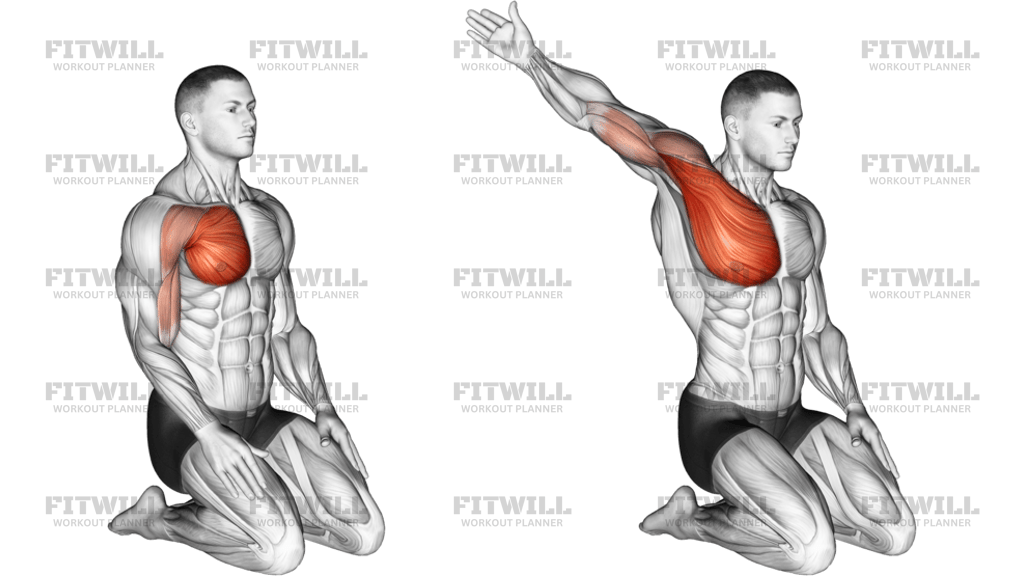
Plyo Push-Up
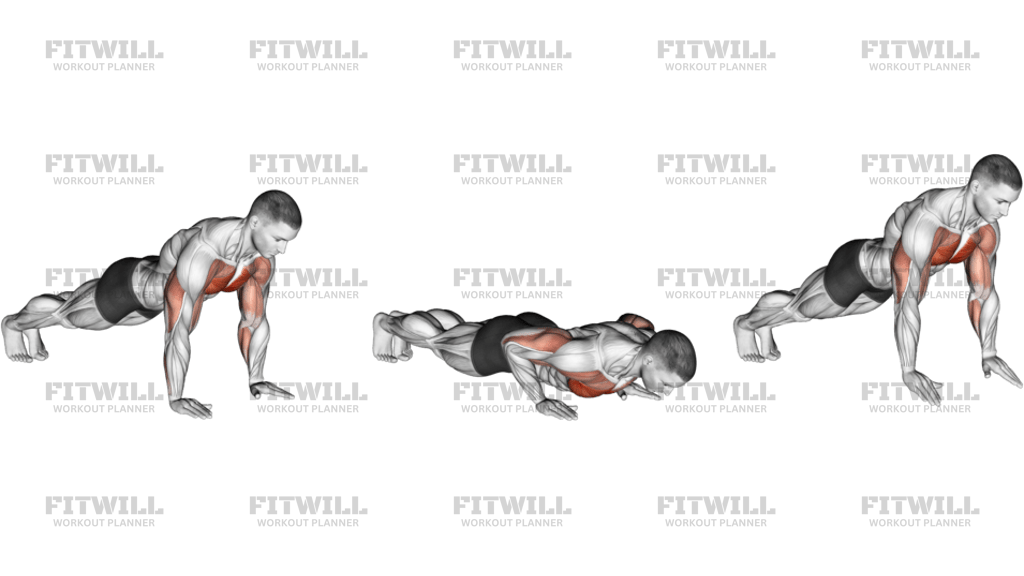
Plyo Push-Up is an explosive bodyweight pressing exercise built for upper-body power. The movement loads the chest first, then asks the shoulders, triceps, and trunk to stabilize and accelerate the body fast enough for the hands to leave the floor briefly before the next landing.
The training value is different from a standard push-up. Instead of slow muscular endurance, this variation emphasizes rate of force development, coordination, and clean force transfer through the arms and torso. In anatomy terms, the main work centers on the Pectoralis major, with help from the Anterior deltoid, Triceps brachii, and Rectus abdominis. That makes the exercise useful when you want power output, athletic pressing speed, or a more demanding bodyweight push pattern.
Setup matters because the rep starts from a solid plank. Hands should be slightly wider than shoulder width, shoulders stacked over the hands, ribs controlled, glutes tight, and the head in line with the spine. If the hips sag or the shoulders drift forward before you explode, the landing gets sloppy and the power transfer disappears. The whole point is to build force from a clean position and redirect it into a quick, crisp push.
Each repetition should descend under control, touch or nearly touch the bottom position, then reverse aggressively. Drive the floor away as hard as possible, keep the torso rigid as the hands float, and land softly with bent elbows ready to absorb impact. The rep ends when the hands are back under the shoulders and the body is reset in a strong plank. Breathing should stay deliberate: inhale on the way down, brace hard, then exhale through the explosive push.
Use Plyo Push-Up when you want a power-focused upper-body drill in an athletic warm-up, plyometric block, or bodyweight strength session. It works best for reps that stay sharp and fast; once the push-off slows down, the exercise stops training explosiveness and turns into a tired push-up. The safest version is the one you can land quietly and repeat with the same body line every rep.
Fitwill
Log Workouts, Track Progress & Build Strength.
Achieve more with Fitwill: explore over 9600 exercises with images and videos, access built-in and custom workouts, perfect for both gym and home sessions, and see real results.
Start your journey. Download today!




Instructions
- Set up in a high plank with your hands slightly wider than shoulder width and your shoulders stacked directly over your wrists.
- Tighten your glutes, quads, and abs so your body forms one straight line from head to heels.
- Lower your chest toward the floor under control, keeping your elbows angled back rather than flaring hard to the sides.
- Pause only long enough to own the bottom position; do not relax onto the floor.
- Drive your hands through the floor as fast as possible and press with explosive intent.
- Let the hands leave the floor briefly if you can do it without losing your body line.
- Land softly with bent elbows and absorb the impact through the shoulders and chest.
- Reset to a strong plank before the next rep, then repeat for crisp, powerful reps.
Tips & Tricks
- Keep the rep explosive, but stop the set when the push-off slows down noticeably.
- A slightly wider hand position usually makes the landing more stable and gives you more room to generate power.
- Brace before every descent so the hips do not sag when you launch off the floor.
- Land with bent elbows, not locked elbows, to reduce stress through the wrists and shoulders.
- Use a forgiving surface, such as a mat or turf, if you are practicing the landing phase.
- If you cannot fully leave the floor yet, work on a fast, powerful push-up without the float phase first.
- Keep the neck neutral and look a few feet in front of your hands instead of craning upward.
- Quality matters more than height; a clean, quiet landing is better than a high but sloppy rep.
Frequently Asked Questions
What muscles work most in a Plyo Push-Up?
The chest does the main pressing work, with the front shoulders, triceps, and core helping you stay rigid and explosive.
How is this different from a regular push-up?
A regular push-up trains strength and control, while this version adds a power phase where you push hard enough for the hands to briefly leave the floor.
Do my hands have to leave the floor?
Not at first. You can start with a fast, aggressive push-up and add the float phase once your landing and body line stay consistent.
Where should my hands be?
Place them slightly wider than shoulder width so you have a stable base for the explosive push and soft landing.
Can beginners do Plyo Push-Ups?
Only if they already own a solid push-up and can control the bottom position. Many beginners should build regular push-up strength first.
What is the most common mistake?
Letting the hips drop or the shoulders drift forward before takeoff. That kills power and makes the landing harder to control.
How many reps should I use?
Keep the reps low and explosive. Once speed drops, the movement is no longer a good power drill.
What if my wrists or shoulders feel irritated?
Reduce the jump height, use a softer surface, shorten the range, or switch to explosive incline push-ups until the movement feels clean.