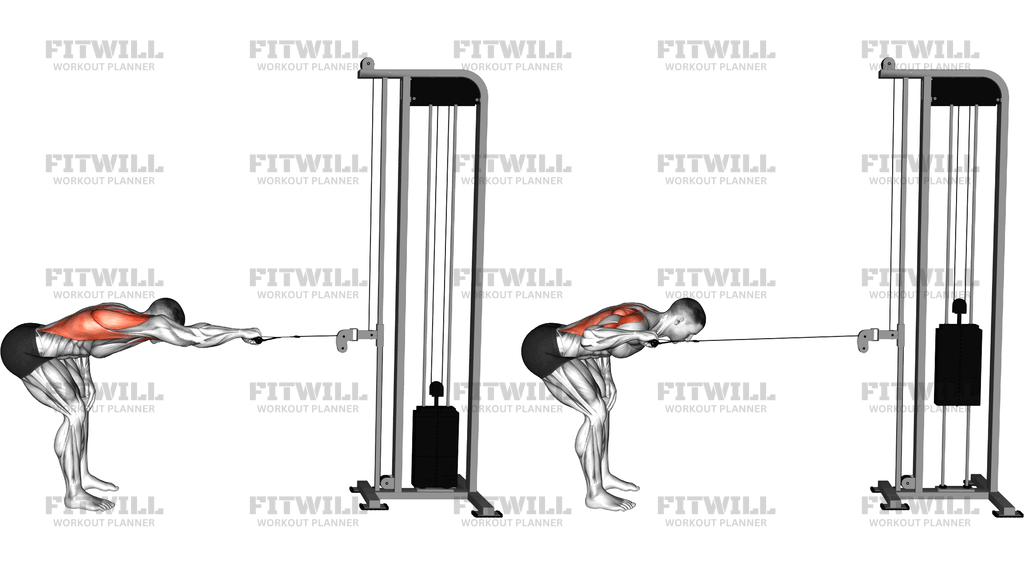
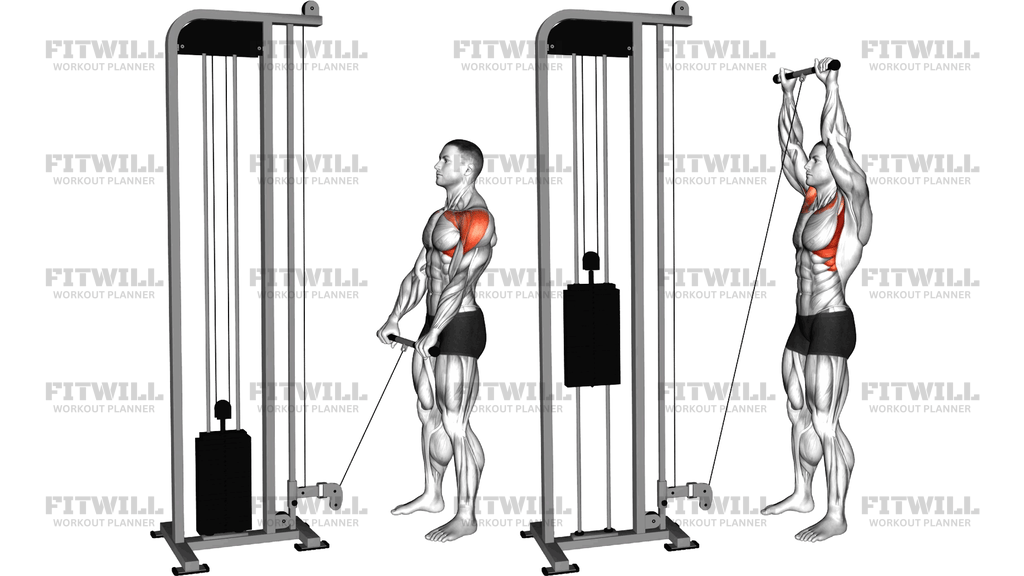
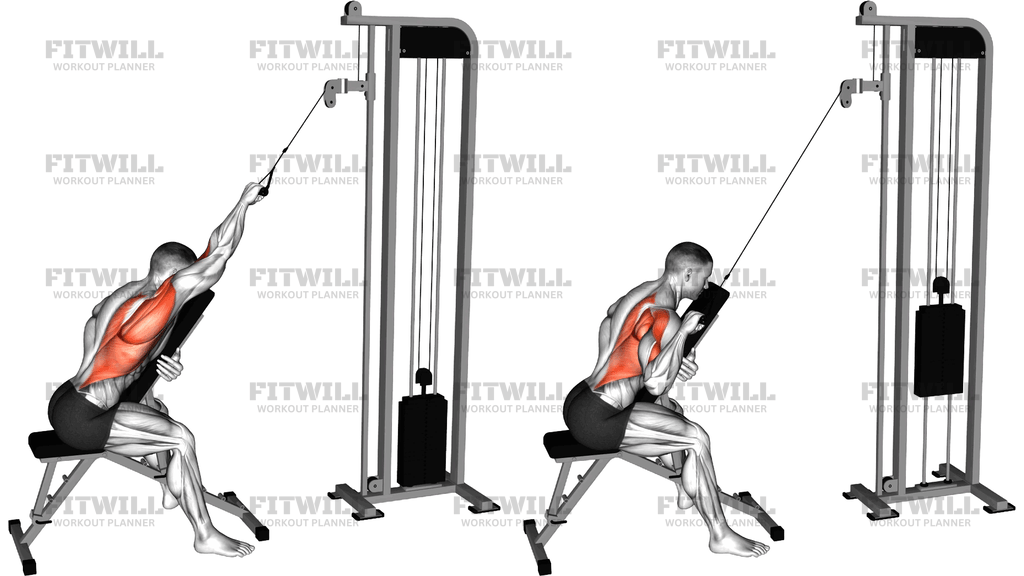
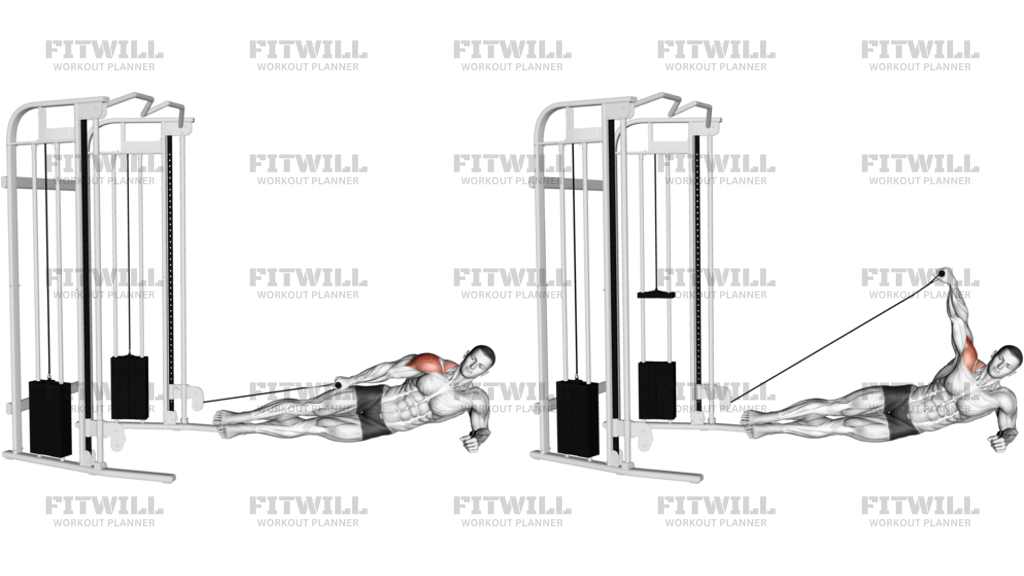
Cable Palm Rotational Row
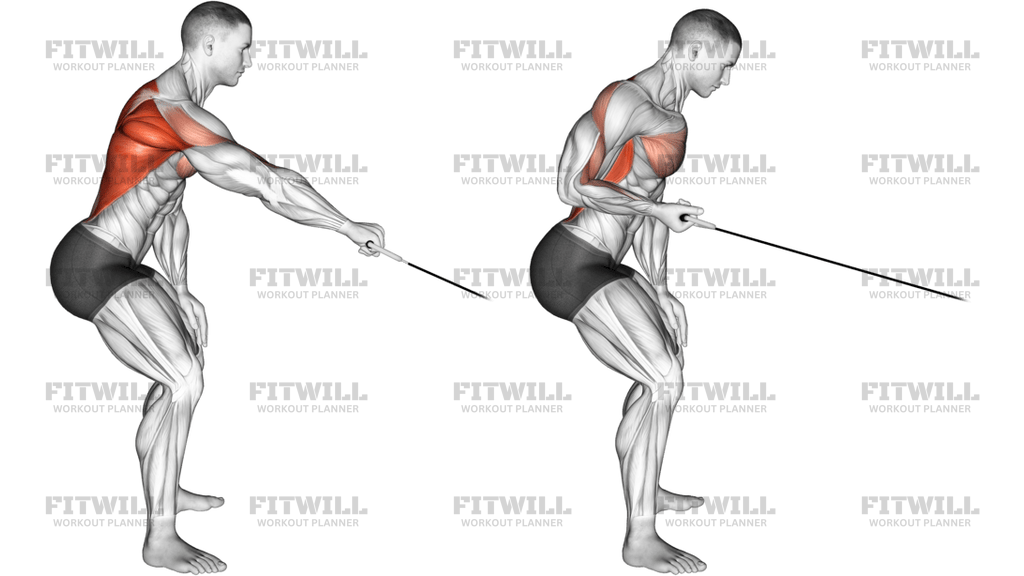
Cable Palm Rotational Row is a one-arm cable row that combines a pulling motion with forearm rotation. It is a practical back exercise for building upper-back strength, scapular control, and smoother pulling mechanics while also asking the shoulder and arm to stay organized through the whole range. The cable and handle give you constant tension, which makes small setup details matter more than they would in a free-weight row.
The main emphasis is on the traps, with the upper back, lats, and biceps helping to drive and stabilize the pull. In anatomy terms, the primary work centers on the trapezius, while the rhomboids, latissimus dorsi, and biceps brachii assist. That combination makes Cable Palm Rotational Row useful when you want back work that is strong enough to matter but controlled enough to reinforce good shoulder position.
The setup is what makes the exercise feel clean instead of sloppy. A slight hip hinge, soft knees, and a staggered stance give you room to row without the cable dragging your torso around. Keep your chest long, ribs stacked over the pelvis, and your working shoulder slightly forward at the start so the arm can reach before the pull begins. If the cable is set correctly, the handle should travel on a smooth diagonal from the reach position back toward your lower ribs or waist.
Each rep should begin with the arm long and the palm turned down or slightly inward, then finish with the elbow tucked and the palm rotated up or toward the body. That rotation is part of the pull, not a separate twist from the torso. Pull with the elbow, let the shoulder blade move back and down, and keep the neck quiet so the traps do not turn into a shrugging exercise. The return should be just as controlled, with the arm reaching forward before the next pull starts.
Cable Palm Rotational Row works well as accessory back work, unilateral strength training, or a coordination drill for lifters who want better control on rows and pulldowns. It can be used in a hypertrophy block, a warmup for pressing days, or a lower-fatigue back session where you want clean reps over maximal load. Use moderate resistance, stop the set when the trunk starts to rotate, and keep the motion smooth so the cable stays honest from the first rep to the last.
[ Workout Log & Planner ]
Put your next workout in Fitwill
Keep your plan and training log ready when you are.


Instructions
- Clip a single handle to a low cable pulley and stand slightly turned toward the stack with one foot in front of the other for balance.
- Hinge forward a little, soften both knees, and let the free hand rest on your front thigh or hang by your side.
- Hold the handle in your working hand with a straight wrist and reach the arm forward so the shoulder is slightly in front of the torso.
- Set your ribs down and keep your chest long before you start the pull.
- Drive the elbow back along your side and draw the shoulder blade toward your spine.
- As the handle comes back, rotate the forearm so the palm turns up or toward your body.
- Finish the rep with the handle close to your lower ribs or waist, the elbow tucked, and the shoulder kept away from your ear.
- Lower the handle under control, reversing the rotation as the arm reaches forward again.
- Reset your hinge and balance before the next repetition or switch sides when your set is complete.
Tips & Tricks
- Keep the cable line low enough that the handle finishes near your lower ribs; if the stack is too high, the shrugging starts early.
- Let the forearm rotate smoothly instead of turning the whole torso to cheat the finish.
- Use a staggered stance so the cable does not pull you off balance as the handle comes back.
- If your lower back starts doing the work, shorten the hinge and bring your chest a little higher.
- Think of the rep as row first, rotate second; yanking and spinning usually shortens the back contraction.
- Keep the elbow close to your side instead of flaring it wide, which turns the movement into more of a rear-delt row.
- Finish with the shoulder down and back rather than cranked up toward your ear.
- Choose a load you can lower slowly while keeping the palm rotation smooth and the torso still.
Frequently Asked Questions
What muscle does Cable Palm Rotational Row target most?
The traps are the main target, with the upper back, lats, and biceps helping drive the pull and control the finish.
Why does my palm rotate during Cable Palm Rotational Row?
The rotation helps finish the pull with a stronger shoulder and arm position. It should happen smoothly as part of the row, not as a separate twist from your torso.
Should my torso stay still during Cable Palm Rotational Row?
Mostly yes. A small hip hinge is normal, but if your chest spins toward the cable, the load is too heavy or the stance is too loose.
What handle works best for Cable Palm Rotational Row?
A single D-handle or similar attachment works best because it lets your hand rotate freely as you row.
Can beginners do Cable Palm Rotational Row safely?
Yes. Start light, keep the hinge small, and practice the row plus rotation without letting the cable pull you out of position.
Where should the handle finish on Cable Palm Rotational Row?
It should finish near your lower ribs or waist, with the elbow tucked close to your side and the shoulder still down.
What if I feel this in my lower back instead of my upper back?
Raise your chest slightly, reduce the load, and keep your ribs stacked over your pelvis so the pull comes from the upper body instead of trunk tension.
Is Cable Palm Rotational Row a good unilateral back exercise?
Yes. Working one side at a time can expose left-to-right differences in shoulder control and row strength more clearly than a two-arm cable row.