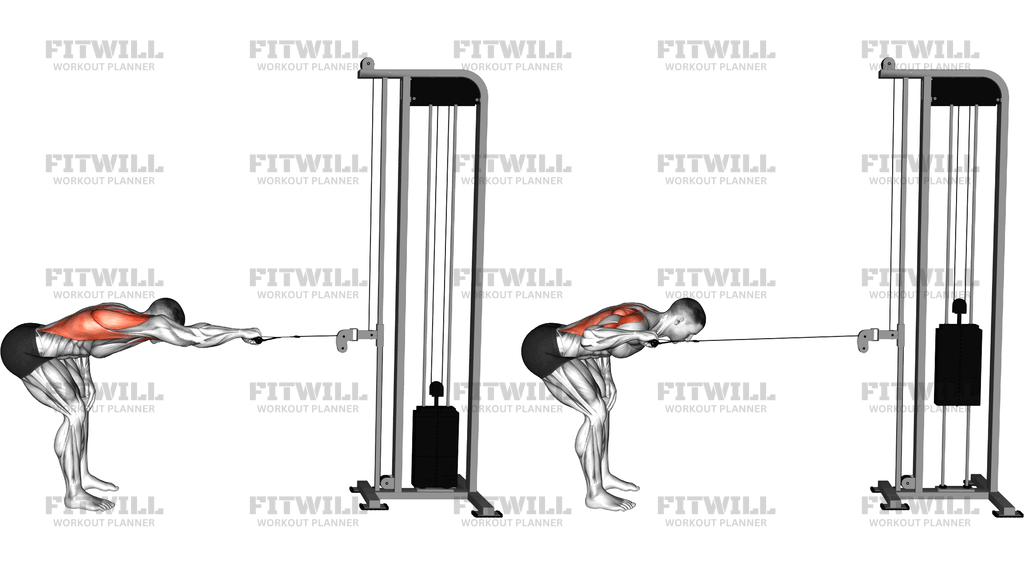
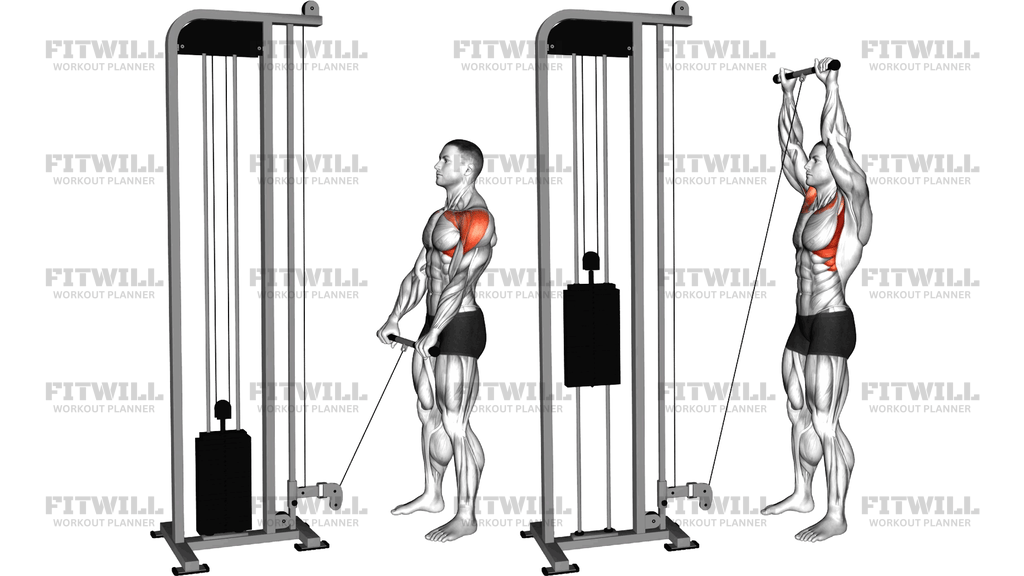
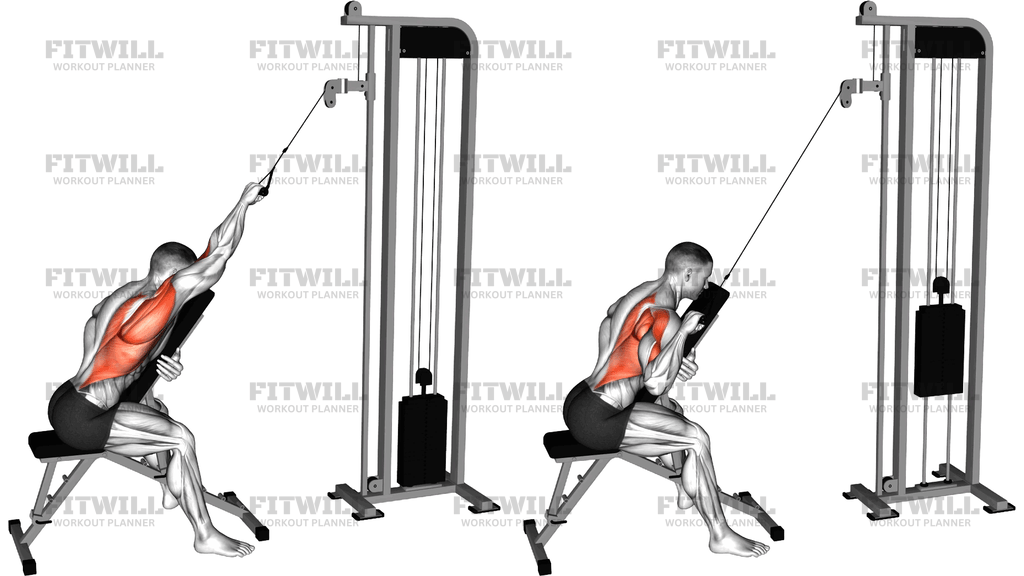
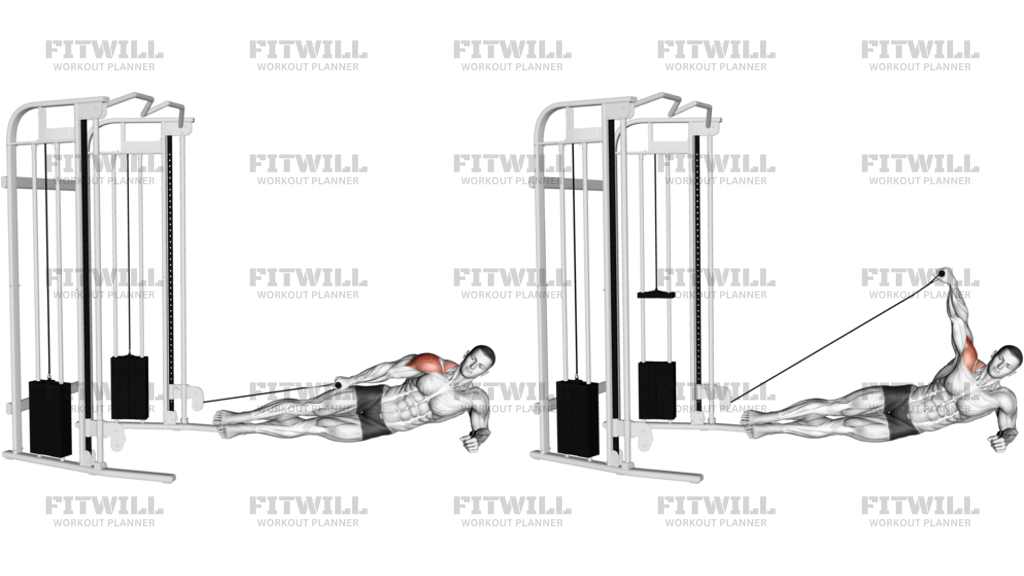
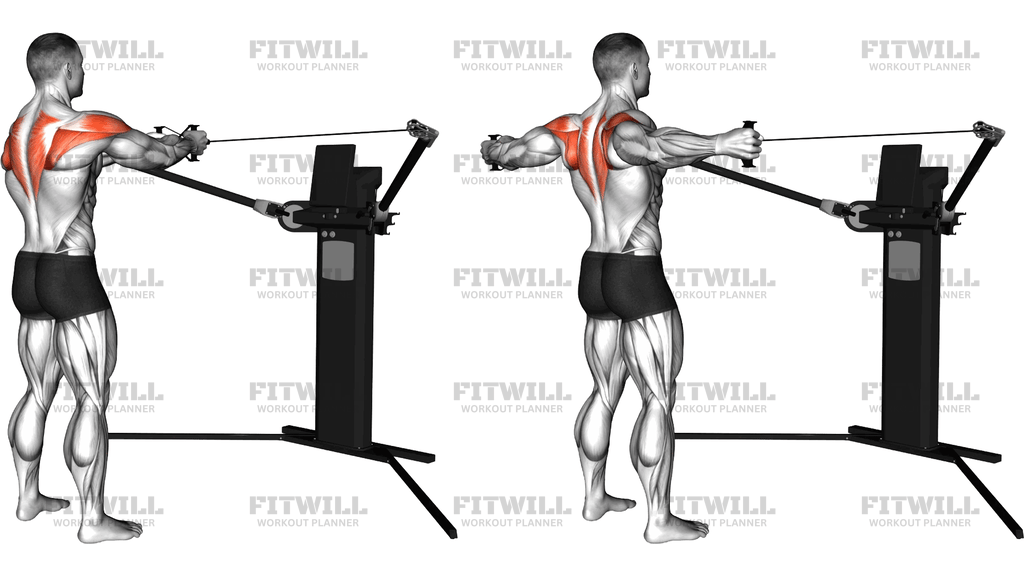
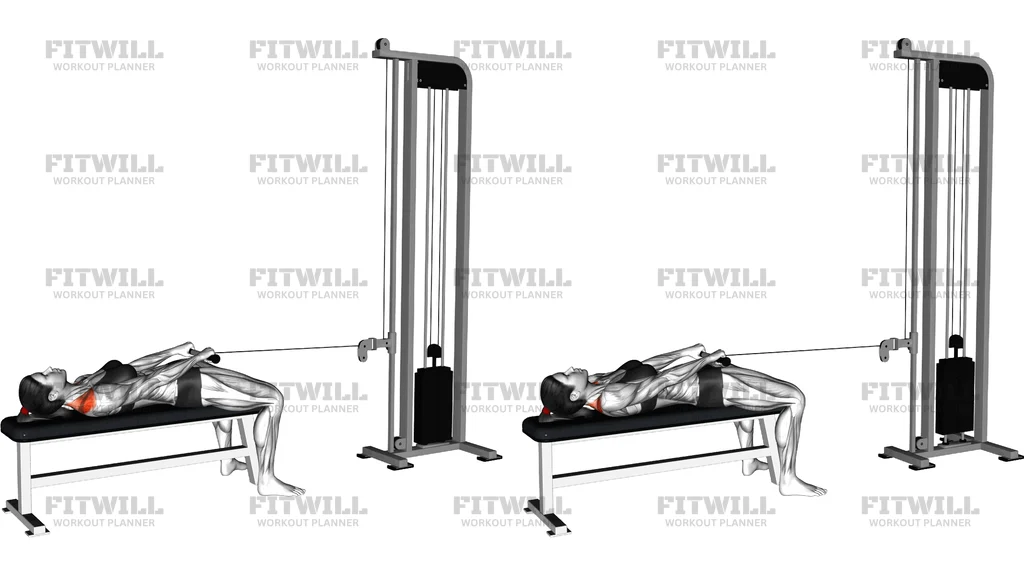
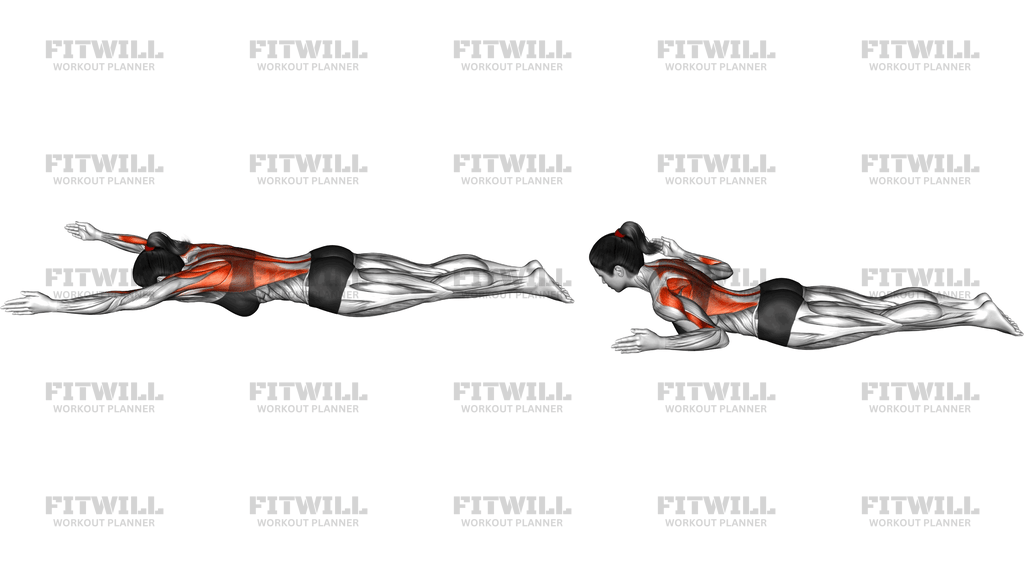
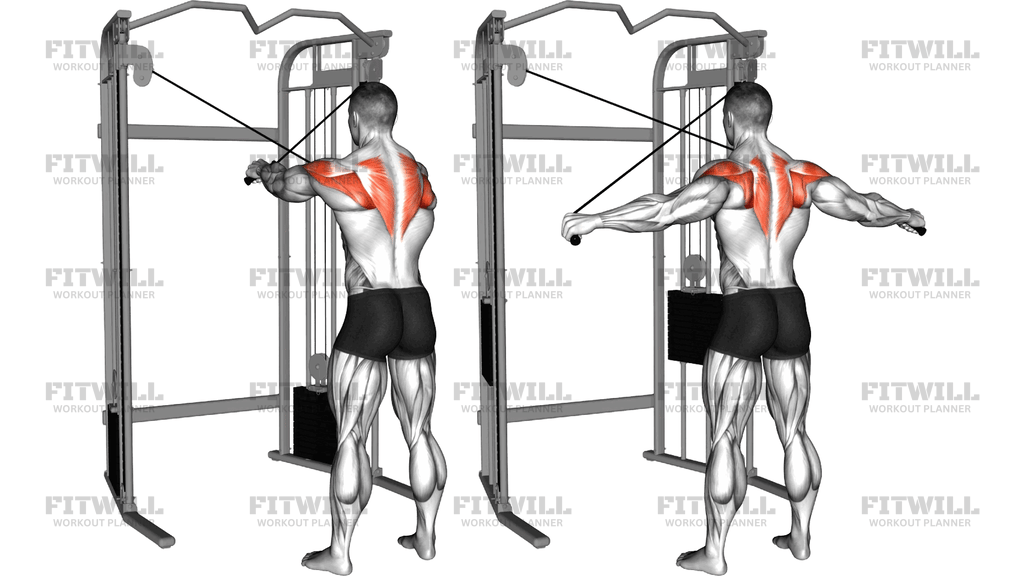
Cable Upper Row
Cable Upper Row is a cable-based upper-back exercise that trains the trapezius, rhomboids, lats, and biceps while also asking the shoulders and trunk to stay organized. The cable keeps tension on the line of pull the entire rep, which makes this movement useful for building stronger posture, cleaner scapular control, and better upper-back endurance.
This variation is usually performed with a handle attachment on a cable machine, standing a step or two back so the stack never goes slack. The goal is not to heave the weight upward; it is to pull the handle with a tall torso and a controlled shoulder-blade squeeze, then return slowly enough that the upper back stays active all the way back to the start.
Because it emphasizes the upper portion of the row, the setup matters. A stable stance, neutral spine, and quiet ribs help keep the pull coming from the back instead of the lower body. The elbows should travel back in a path that feels natural for the shoulders, usually slightly out from the torso rather than pinned hard to the sides. That makes the movement feel more like an upper-back row than a low, lat-dominant pull.
Cable Upper Row fits well in upper-body sessions, pull days, and accessory work when you want controlled tension rather than maximal load. It is also a practical option for beginners because the cable path is easy to follow and the resistance can be scaled precisely. Keep the repetitions smooth, stop short of shrugging or jerking the handle, and choose a load that lets you finish each rep with the same body position you started with.
[ Workout Log & Planner ]
Put your next workout in Fitwill
Keep your plan and training log ready when you are.


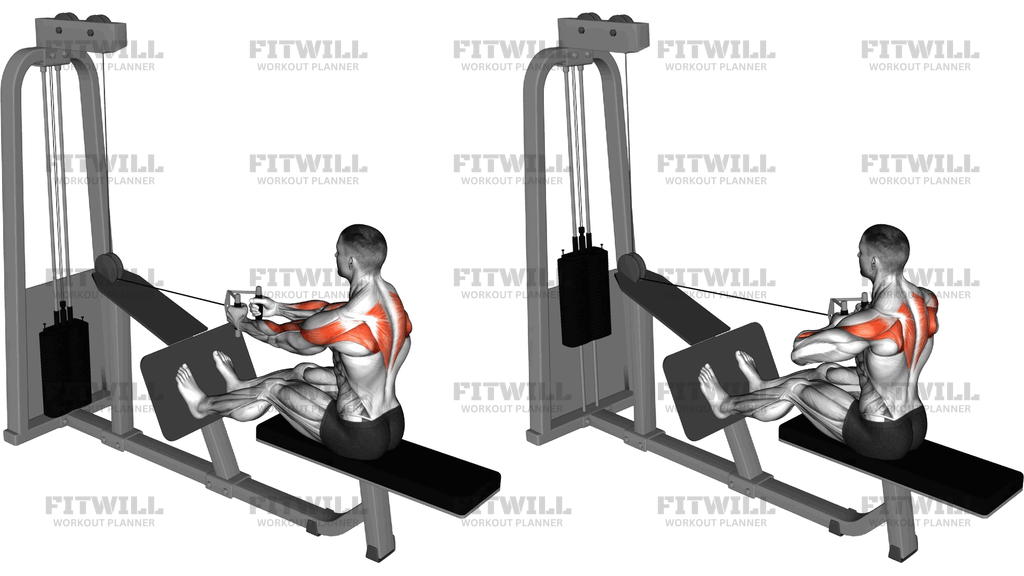
Instructions
- Set the cable pulley low and attach a single handle.
- Stand facing the stack with your feet about shoulder-width apart and take a small step back until the cable is taut.
- Hold the handle with both hands, soften your knees, and keep your chest tall with your ribs stacked over your pelvis.
- Let your shoulders settle down and back before you start the pull.
- Drive your elbows back and slightly out as you pull the handle toward your upper abdomen or lower chest.
- Squeeze your shoulder blades together and slightly up at the top without leaning back or shrugging hard.
- Pause briefly in the contracted position, then lower the handle under control until your arms are long again.
- Keep the cable moving smoothly and breathe out on the pull, in on the return.
- Reset your posture before each rep and stop the set if you have to swing or yank the handle.
Tips & Tricks
- Keep the pulley low enough that the line of pull stays toward the upper torso, not straight into a standard seated-row path.
- Think about pulling your elbows back first; if your hands lead, your biceps usually take over.
- Avoid shrugging your shoulders toward your ears at the top unless the shrug is controlled and intentional for your version of the row.
- If your torso rocks backward, the load is probably too heavy for a strict upper-back rep.
- A neutral or slightly tucked neck helps keep the upper traps from tightening up in the wrong way.
- Use a grip width and hand position that lets your elbows travel comfortably without pinching the front of the shoulders.
- Lower the handle slowly enough that the cable never goes slack between reps.
- Choose a load that lets you pause at the top without losing your ribcage position or bending your wrists.
Frequently Asked Questions
What does the Cable Upper Row mainly train?
It mainly trains the upper back, especially the trapezius and rhomboids, with help from the lats, rear shoulders, and biceps.
How is this different from a regular cable row?
The upper row keeps the pull a bit higher and more upper-back focused, so the elbows usually travel slightly farther out and the squeeze lands higher on the torso.
Where should the handle travel on each rep?
Pull it toward your upper abdomen or lower chest, not down toward your hips.
Should I keep my elbows tucked?
Not completely. A slight flare is usually better here because it helps shift tension toward the upper back instead of turning the move into a low row.
Can beginners use this exercise?
Yes. The cable path is easy to learn, and the weight can be set very light while you practice the posture and pull path.
What is the most common mistake?
Leaning back and yanking the handle with body momentum instead of finishing the row with the upper back.
Do I need to pause at the top?
A short pause helps you feel the scapular squeeze and keeps the rep honest, especially when the weight starts to get challenging.
What should I do if I feel it mostly in my arms?
Reduce the load, slow the return, and start each pull by moving the elbows rather than curling the handle with the hands.