Exercise Ball Lower Back Prone Stretch
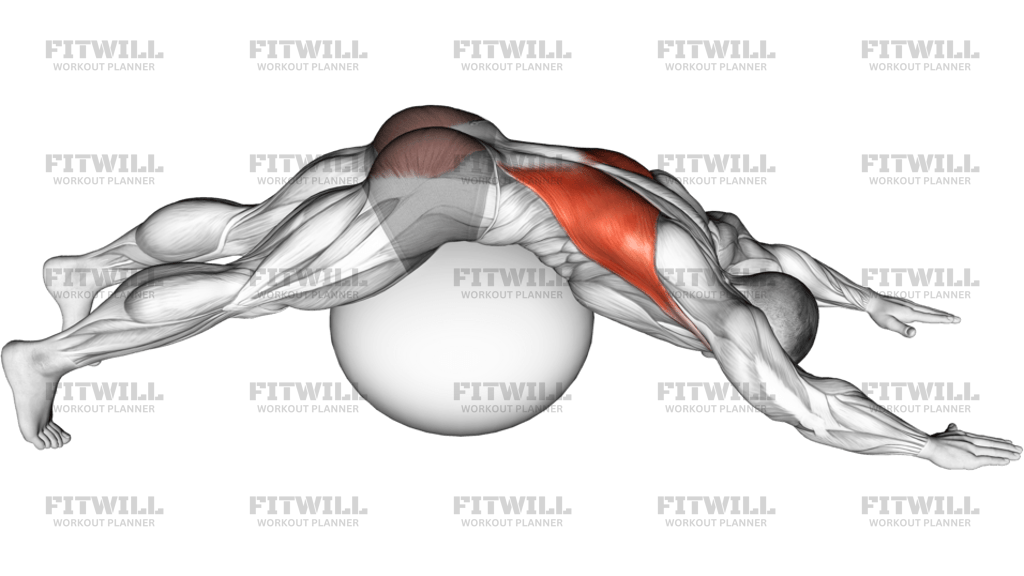
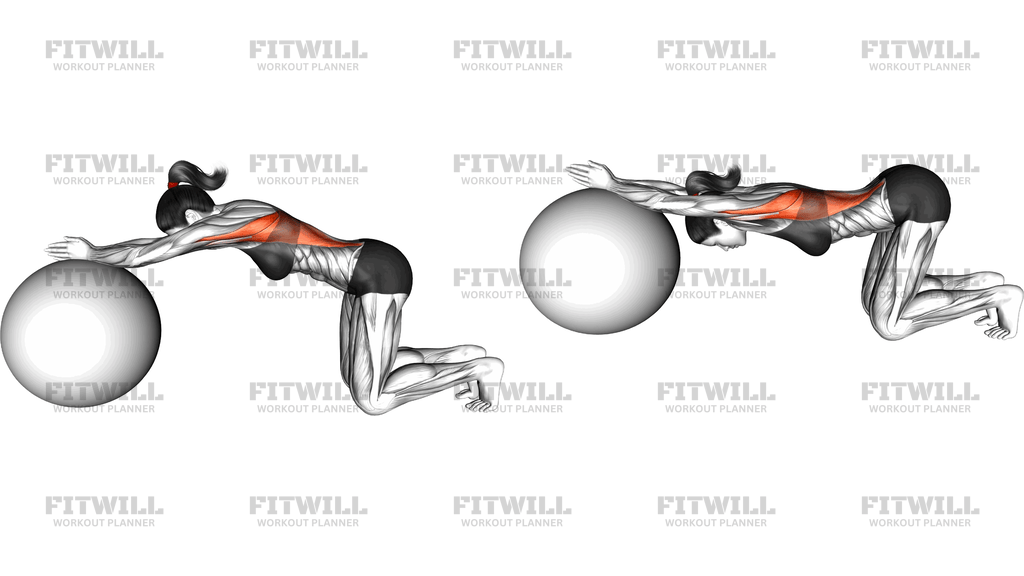
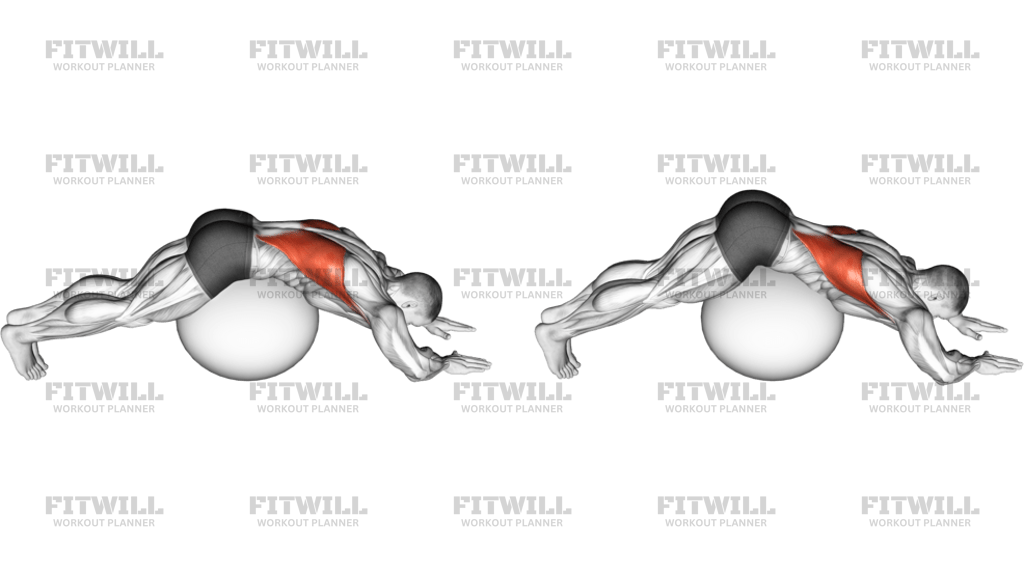
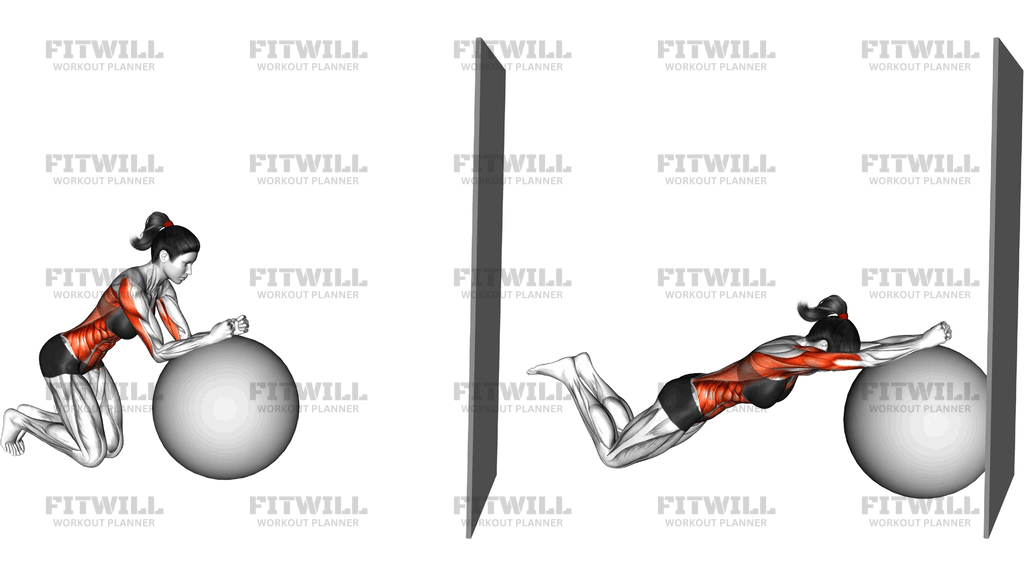
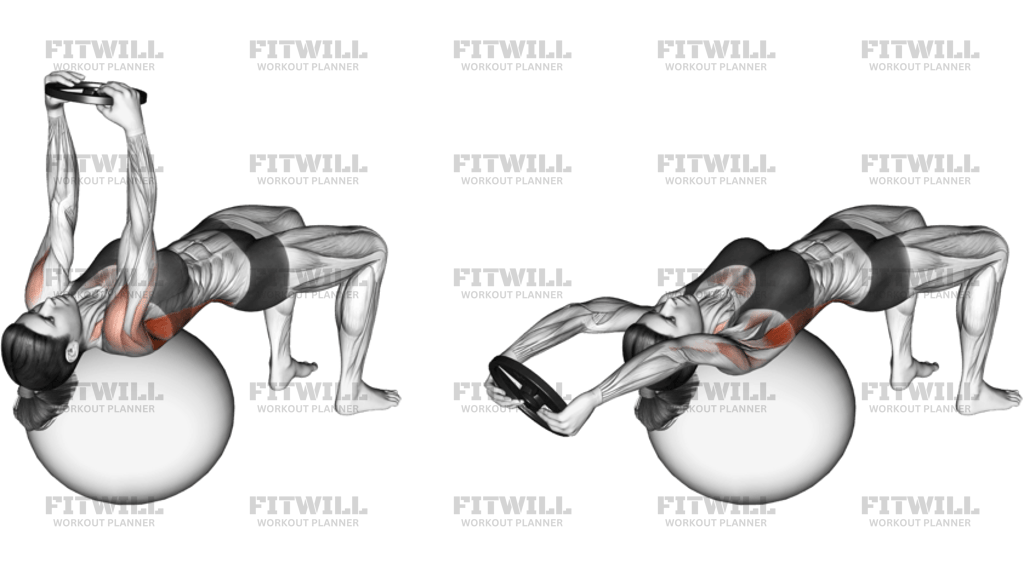
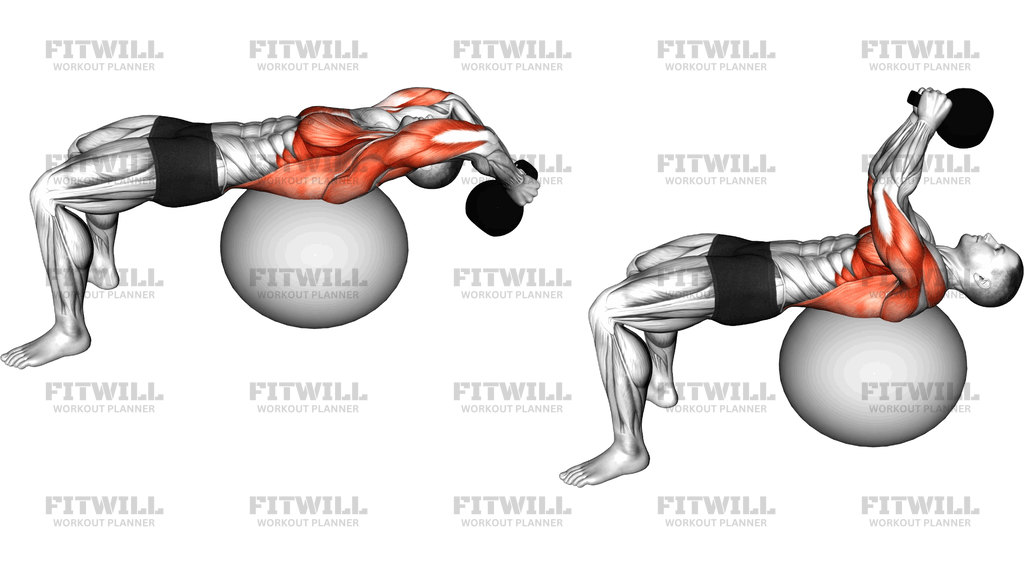
Exercise Ball Lower Back Prone Stretch is a supported mobility exercise done face down over a stability ball with the torso draped across the ball and the arms reaching long in front of the body. The position creates a gentle full-body extension through the spine, hips, shoulders, and chest while keeping the movement controlled and easy to breathe through.
Because the ball supports the middle of the body, the setup matters more than in a floor stretch. If the ball sits too high on the ribs, the stretch can feel cramped in the low back and sternum. If it sits too low on the pelvis, the hips may dump forward and the lumbar area can pinch. The best version feels long through the front of the body and open through the lower back without collapsing into the joint.
This is not a power exercise or a loaded strength drill. The goal is to create a comfortable lengthening position, then settle into it with calm breathing. That makes it useful after lifting, after a long sitting block, or during a warmup when the low back feels stiff and the front of the body needs to open up before more demanding work.
The movement should stay smooth and quiet. Reach the hands forward, lengthen the legs back, keep the neck neutral, and let the ribs soften toward the ball without forcing a deeper arch. If you feel sharp lumbar compression, numbness, or shoulder pinching, shorten the range and reset the ball position before continuing.
Use this stretch when you want a controlled prone extension position that opens the trunk without much load through the hands or knees. Beginners can usually tolerate it well if they start with a short hold and keep some support from the floor or toes. The key is a relaxed but organized position: long spine, even breathing, and no bouncing into end range.
Fitwill
Log Workouts, Track Progress & Build Strength.
Achieve more with Fitwill: explore over 9600 exercises with images and videos, access built-in and custom workouts, perfect for both gym and home sessions, and see real results.
Start your journey. Download today!




Instructions
- Place a stability ball on a non-slip surface and kneel in front of it.
- Lie face down over the ball so it supports your lower abdomen and hips, then walk your hands forward on the floor.
- Extend both legs long behind you; keep the toes on the floor only if you need extra balance.
- Keep your neck long and look down rather than lifting your chin.
- Let your ribs and abdomen soften over the ball until you feel a gentle stretch through the low back and front of the torso.
- Reach your arms forward to increase the length through the lats and shoulders without shrugging.
- Breathe slowly into the sides of your ribs and lower back for the desired hold time.
- To come out, walk your hands back under your shoulders and bring your knees under you before standing up.
Tips & Tricks
- Set the ball under your lower abdomen, not high on your ribs, so the stretch stays long instead of cramped.
- Keep a slight reach through the fingertips; if the shoulders shrug, the chest and neck usually tense up too.
- Use the floor with your toes for balance when the ball feels unstable, especially on the first few holds.
- Exhale slowly and let the ribs sink toward the ball instead of forcing a bigger backbend.
- Keep the pelvis square to the floor so the stretch stays even through both sides of the low back.
- If the low back feels pinchy, slide your body a little farther forward on the ball and reduce the arch.
- A folded mat under the knees makes it easier to reset between holds without losing your position.
- Stop the stretch if you feel sharp lumbar pain, pressure in the neck, or tingling down the arms.
Frequently Asked Questions
What does Exercise Ball Lower Back Prone Stretch target most?
It mainly targets the lower back through a gentle extension stretch, while also opening the abdominals, lats, chest, and shoulders.
Can beginners perform this exercise?
Yes. Beginners usually do well with a short hold, light support from the toes, and a smaller range over the ball.
Where should the stability ball sit during the stretch?
It should sit under the lower abdomen and hips so your torso can lengthen without the ball digging into the ribs.
What is the most common mistake with this prone ball stretch?
Most people place the ball too high or arch too aggressively, which turns the stretch into a pinchy low-back compression.
How long should I hold the stretch?
A short hold of about 15 to 30 seconds is a good starting point, or breathe through 3 to 5 slow breaths.
Should I feel this mostly in my lower back or my shoulders?
You should feel a gentle lengthening through the lower back and front of the torso, with some stretch in the shoulders and lats.
Can I do this after lifting or as part of a warmup?
Yes. It works well after training to unwind the trunk, or in a warmup when the spine feels stiff from sitting.
What should I do if the stretch feels too strong?
Move the ball slightly farther down, keep more support through the toes, and shorten the hold until it feels comfortable.