Roll Ball Latissimus Dorsi
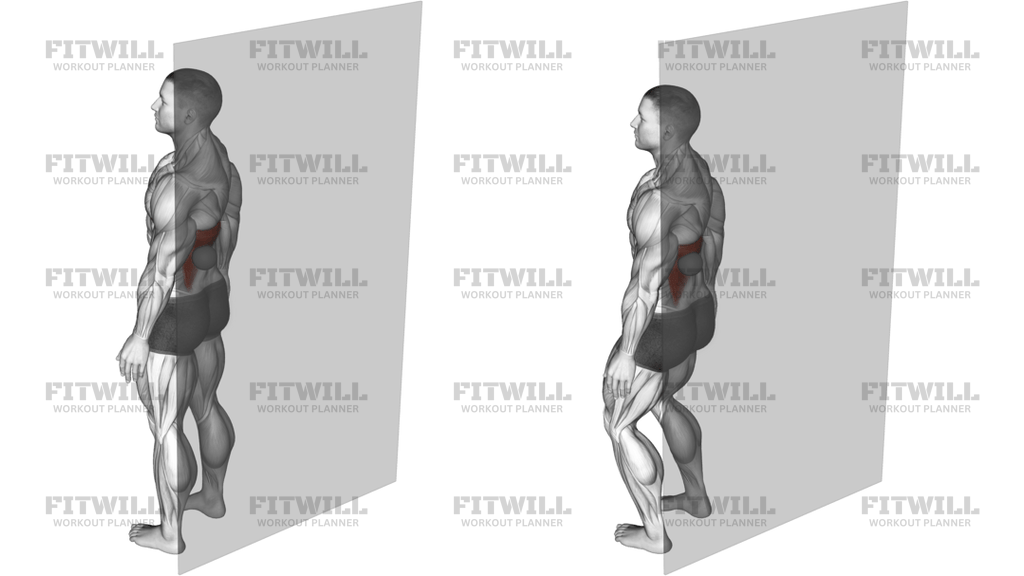
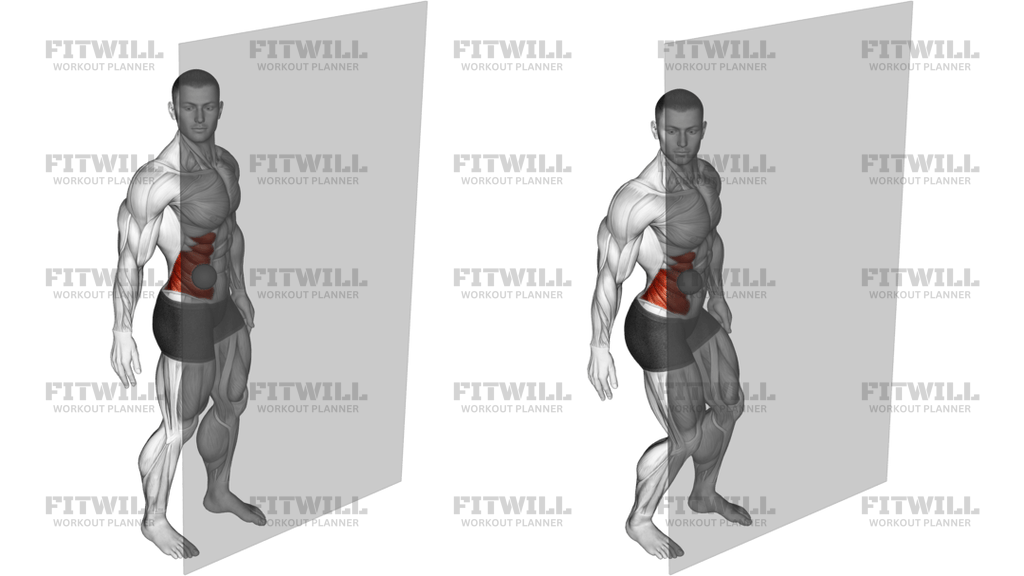
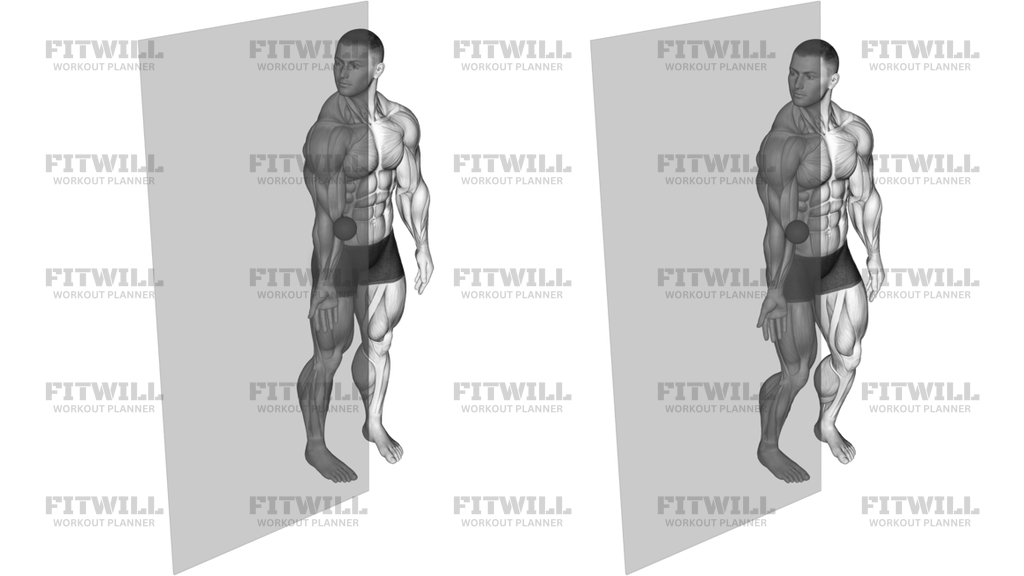
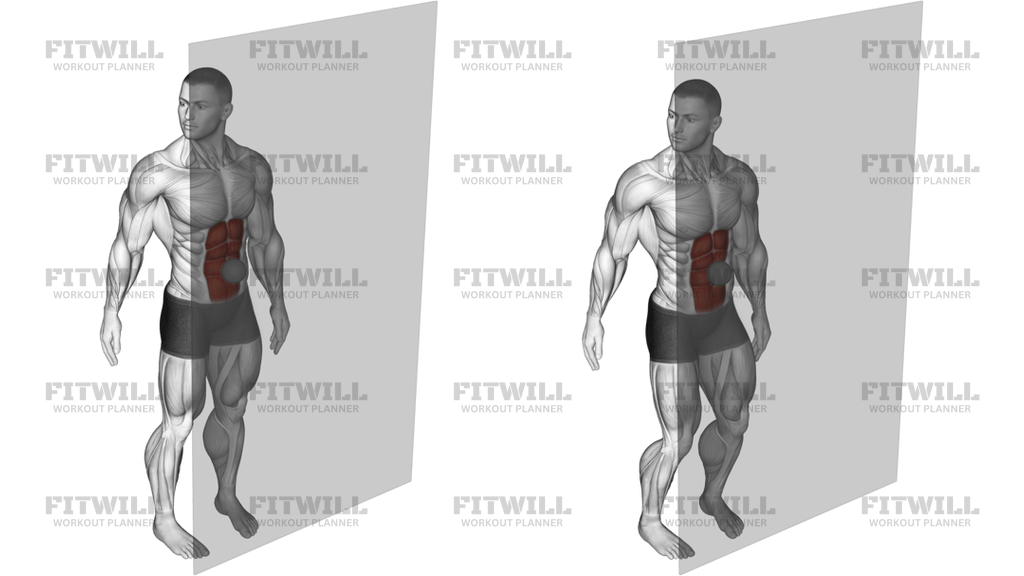
Roll Ball Latissimus Dorsi is a wall-supported soft tissue and mobility drill for the side of the back. The rollball is positioned against the latissimus dorsi, usually just below the armpit and above the waistline, so you can use small body shifts to massage and loosen the tissue without chasing a huge range of motion. The goal is not to force the area open, but to find a tolerable amount of pressure and move slowly enough that the lat, rib cage, and shoulder can relax.
The setup matters because the ball has to sit on muscle, not on the shoulder joint, spine, or lower ribs. When the pressure lands in the right spot, the side of the torso can soften while the shoulder stays down and the neck stays long. That makes this a useful drill for people who feel tight through the outer back, rear armpit, or side body after pulling work, overhead training, climbing, or long periods of sitting.
A good rep is usually tiny. Lean into the wall, then use a controlled bend and straighten of the knees to roll the contact point a few inches up and down the lat. A small forward-and-back shift can sweep slightly higher near the armpit or lower toward the flank. Slow breathing helps the tissue settle, and brief pauses on tender spots often do more than bouncing back and forth.
Because this is a release-style movement, the quality of the pressure matters more than the number of reps. If the ball feels sharp, pinchy, or bony, adjust the stance or move it a little farther onto soft tissue. If the shoulder creeps up toward the ear, reduce pressure and keep the rib cage stacked so the torso does not twist away from the wall.
Use Roll Ball Latissimus Dorsi as part of a warmup, recovery block, or between sets when the lats feel stiff and the shoulder wants more freedom overhead. It is especially useful when the side of the back feels dense or hard to reach with regular stretching. The best result is a smoother, easier-feeling lat area, not an aggressive grind through discomfort.
[ Workout Log & Planner ]
Put your next workout in Fitwill
Keep your plan and training log ready when you are.


Instructions
- Stand side-on to a wall and place the roll ball against the side of your torso just below the armpit, on the lat rather than on the shoulder joint or spine.
- Stagger your feet and bend your knees slightly so you can control how much pressure the ball has against the wall.
- Keep the working arm relaxed at your side and stack your ribs over your pelvis before you start moving.
- Lean into the wall until you feel firm but tolerable pressure on the muscle.
- Slowly bend and straighten your knees to roll the contact point a few inches up and down the lat.
- Add a small forward-and-back shift to sweep the outer lat and the area behind the armpit.
- Pause on a tender spot for one or two slow breaths without shrugging or twisting your torso.
- Step away, reset the ball slightly higher or lower, and repeat the same sequence on the other side.
Tips & Tricks
- The pressure should feel intense but not sharp; back off immediately if it feels pinchy or joint-like.
- Keep the shoulder blade down and the neck long so the upper trap does not take over.
- Small knee bends usually work better than big trunk sways when you want to stay on the lat.
- If the ball lands on bone, shift it slightly forward or backward until it sits on soft tissue.
- Slow breathing matters here; exhale as you settle into the tight spot and let the rib cage soften.
- Do not roll directly over the spine or the point of the shoulder.
- Use less wall pressure if the area feels overly sensitive or if you cannot breathe smoothly.
- This works well before rows, pull-ups, pulldowns, or overhead work when the side body feels tight.
Frequently Asked Questions
What does Roll Ball Latissimus Dorsi target?
It mainly targets the latissimus dorsi on the side of the back, with some work around the rear armpit and upper flank.
Where should the ball sit on my body?
Place it on the fleshy side of the torso just below the armpit and above the waist, not on the shoulder joint, spine, or lower ribs.
How much pressure should I use?
Use enough pressure to feel the tissue, but not so much that the area feels sharp, numb, or hard to breathe through.
Should I move with my arms or my legs?
The knees should do most of the work. Small bends and straightens of the legs keep the movement controlled and prevent you from twisting away from the wall.
Is this a stretching exercise or a massage?
It is a wall-based release drill that feels like a moving massage and side-body stretch at the same time.
Can beginners do this exercise?
Yes. Beginners should just use lighter wall pressure and stay with short pauses on obvious tight spots.
What is the most common mistake?
Most people place the ball too high on the shoulder or twist the torso instead of staying square to the wall.
When is the best time to use it?
It works well before upper-body training, after a lot of pulling volume, or on recovery days when the side of the back feels stiff.