Barbell Zercher Squat Hold Isometric
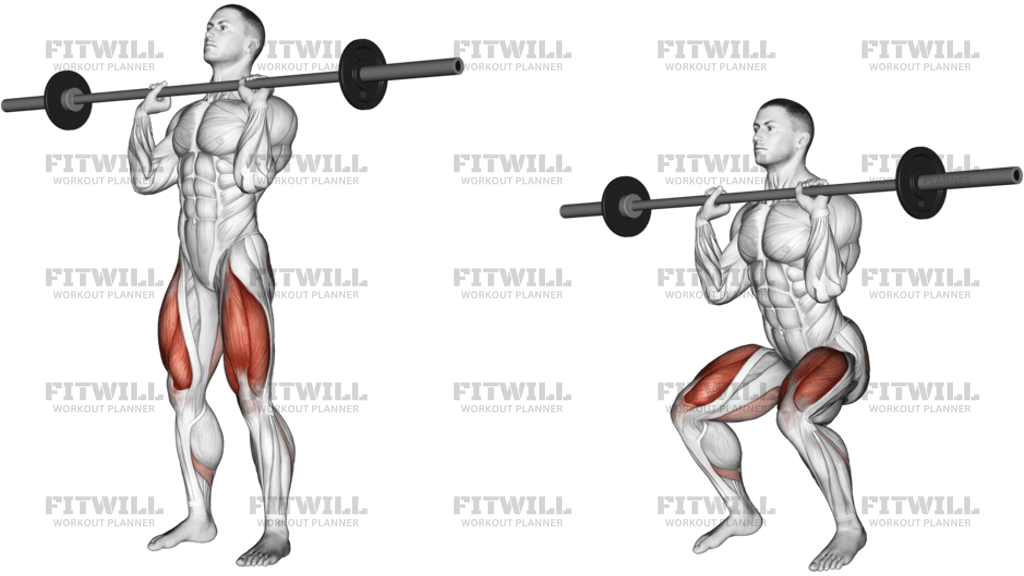
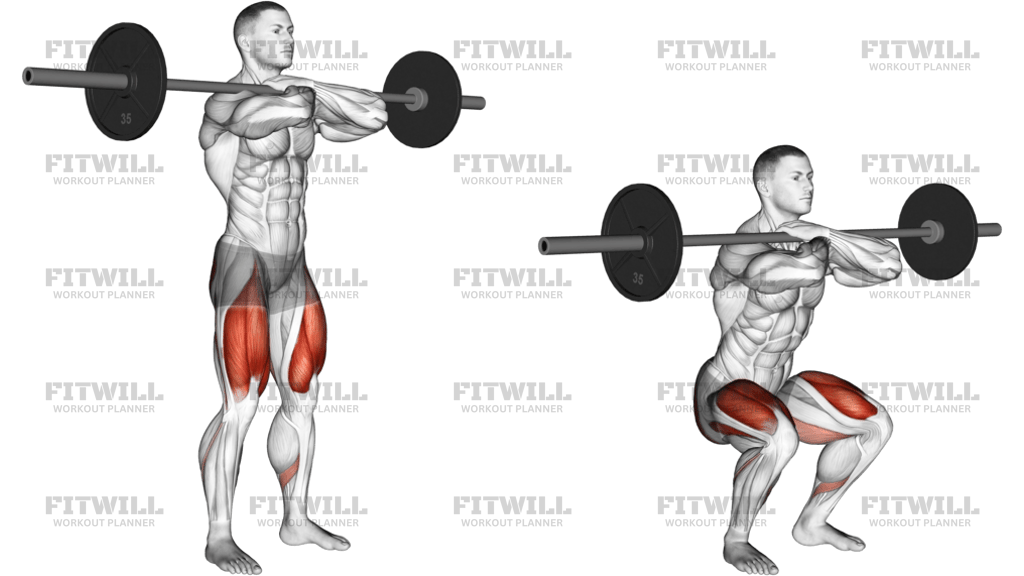
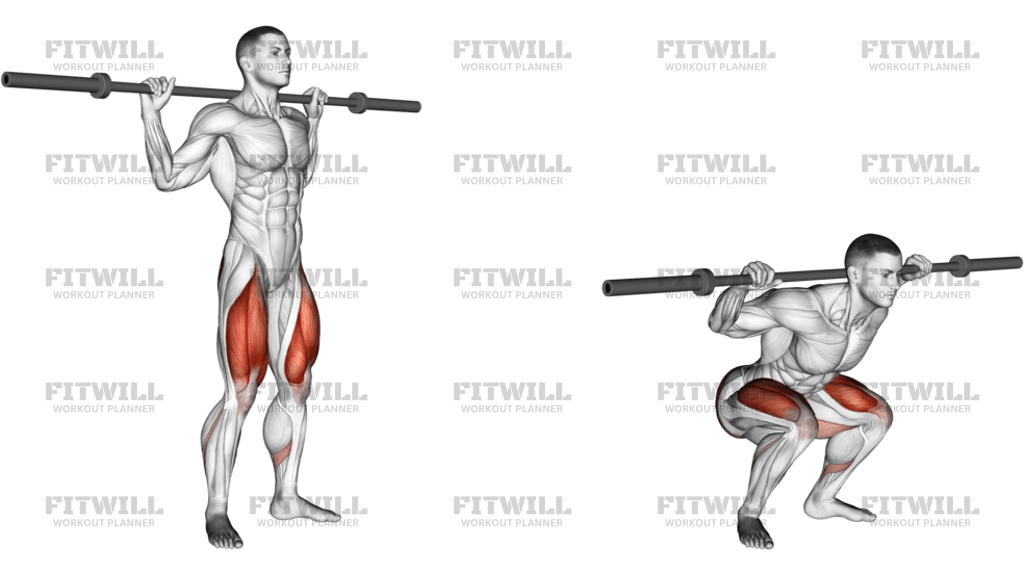
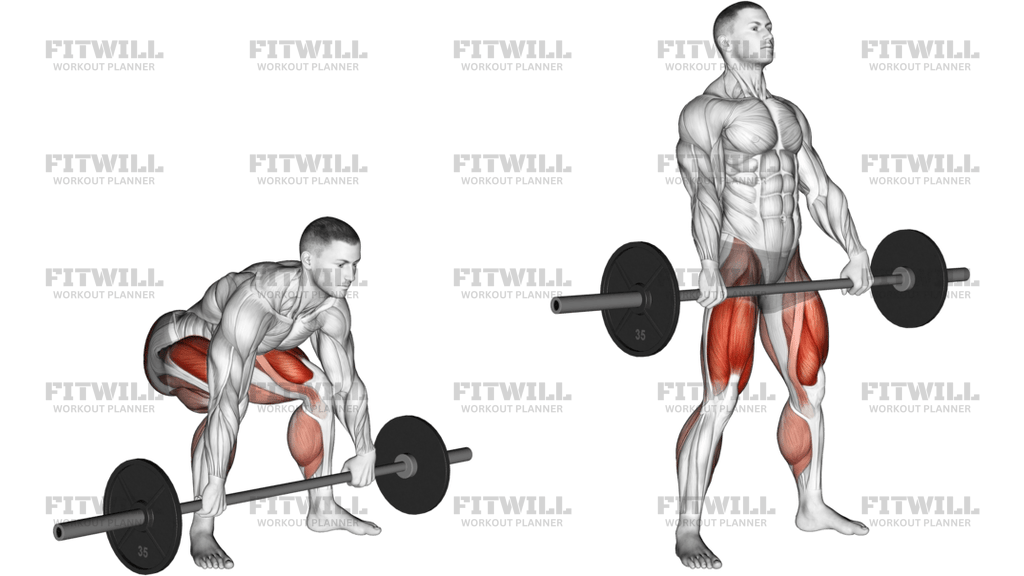
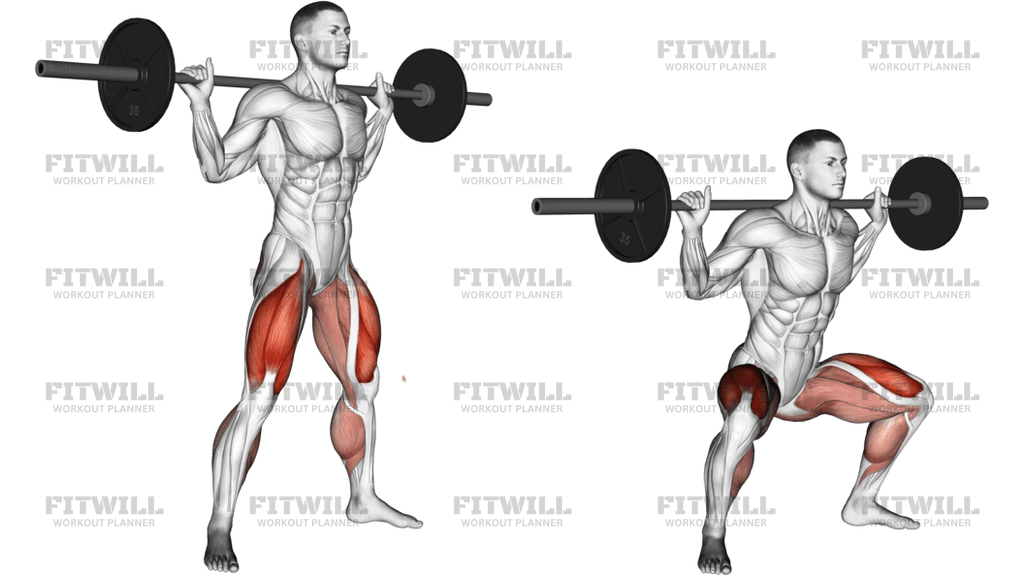
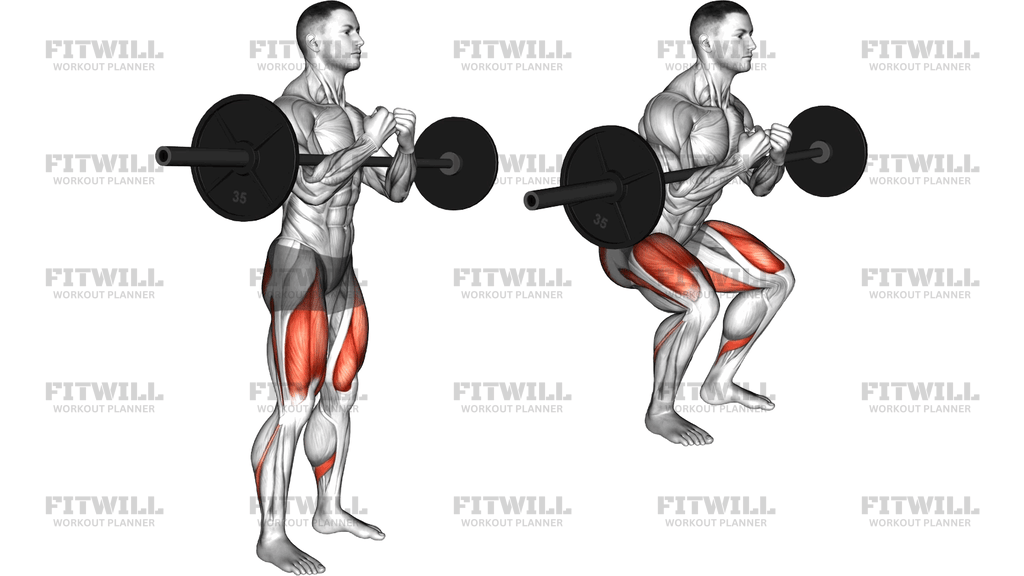
Barbell Zercher Squat Hold Isometric is a front-loaded squat hold performed with the barbell cradled in the crooks of the elbows while you sit into a deep squat and maintain that position. The setup matters more here than in a standard squat because the bar has to stay pinned to the torso, the elbows have to keep the shelf, and the torso has to stay tall enough to resist folding forward.
This exercise loads the thighs hard, especially the quads, while the glutes, adductors, core, and upper back work to keep the body upright under the front-held bar. In anatomy terms, the main effort centers on the quadriceps and gluteus maximus, with support from the adductors, rectus abdominis, and spinal erectors. Because the hold isometric, the training effect comes from staying in position under tension instead of cycling through repetitions.
A good Zercher hold starts with a secure rack setup and a controlled walkout. Once the bar is locked into the elbow crease, you lower into the squat with your chest lifted, elbows slightly in front of the torso, and feet planted so the weight stays over the midfoot and heels. The knees should track in line with the toes, and the torso should stay braced so the bar does not drift forward or drag you onto your toes.
At the bottom position, keep breathing small and deliberate without losing abdominal tension. Think about staying tall between the hips and the ribcage rather than relaxing into the joints. If the elbows drop, the knees cave, or the low back starts to round, the hold has gone too far or too heavy. The best version of this exercise is a controlled, repeatable position that can be held cleanly for the planned time.
Use Barbell Zercher Squat Hold Isometric for squat-position strength, front-core endurance, and posture under load. It fits well as a strength accessory, a pause-strength drill, or a finisher when you want hard thigh work without repeated reps. Keep the load conservative enough that the bottom position stays crisp, the bar remains stable in the arms, and the heels stay planted until the set is over.
Fitwill
Log Workouts, Track Progress & Build Strength.
Achieve more with Fitwill: explore over 9600 exercises with images and videos, access built-in and custom workouts, perfect for both gym and home sessions, and see real results.
Start your journey. Download today!




Instructions
- Rack the bar at about lower-chest to mid-torso height and step under it so the bar sits in the crease of your elbows.
- Bring your forearms up, close your hands together, and keep the bar pinned against your upper abdomen and chest.
- Lift the bar out of the rack, take a short walkout, and set your feet about shoulder-width apart with the toes slightly turned out.
- Take a breath, brace your trunk, and lower into a squat by sending the hips back and the knees forward together.
- Descend until you reach the planned depth or the bar, elbows, and torso stay in a strong stacked position.
- Hold the bottom position isometrically with your chest tall, elbows high enough to keep the bar from rolling, and heels flat.
- Take small controlled breaths while maintaining pressure through the midfoot and keeping the knees aligned with the toes.
- Stand up or re-rack the bar only after the hold is complete and the torso can stay organized.
Tips & Tricks
- Keep the bar buried in the elbow crease; if it starts sliding toward your hands, the hold will feel much worse and the torso will fold sooner.
- Use a stance that lets your knees travel forward without your heels lifting; a slightly wider toe-out often makes the bottom hold more stable.
- Think about lifting the sternum rather than arching the low back, so the front-loaded bar does not pull you into lumbar extension.
- Shorter holds of 5 to 20 seconds are often more useful than long grinders when the goal is squat-position strength and posture.
- If the elbows or forearms become the limiting factor, reduce load before you shorten the range or let the chest collapse.
- Keep your weight centered over the midfoot and heels; drifting onto the toes usually means the bar is getting too far in front of you.
- A sharp inhale before the descent and tiny nasal or pursed-lip breaths during the hold help keep the brace without losing position.
- End the set as soon as the knees cave, the heels lift, or the torso rounds forward, because those are the first signs the isometric is breaking down.
Frequently Asked Questions
What muscles does the Barbell Zercher Squat Hold Isometric work?
It heavily trains the quadriceps and glutes, with the adductors, core, and upper back working to keep the squat position tall and stable.
Is this just a Zercher squat with no rep?
It uses the same front-loaded Zercher setup, but instead of standing up and down for reps, you hold the bottom squat position under tension.
How deep should I sit in the hold?
Use the deepest position you can maintain with flat feet, a tall chest, and the bar still locked into the elbows without rolling forward.
Why does the bar want to roll out of my arms?
Usually the elbows have dropped, the hands are too relaxed, or the chest has tipped forward. Keep the forearms up and the torso stacked so the bar stays cradled.
Can beginners do this exercise?
Yes, but start with a very light bar or even a fixed object so you can learn the rack, walkout, and bottom position without fighting the load.
What should I feel most during the hold?
You should feel a hard challenge in the thighs and glutes, plus strong bracing through the abs and upper back to keep the torso upright.
How long should I hold it?
Most people get the best quality from short holds, often around 5 to 20 seconds, because the position stays cleaner and more forceful.
What should I do if my heels lift or my knees cave inward?
Reduce the load or the depth and reset your stance. Those signs usually mean the hold is too aggressive for your current position strength.