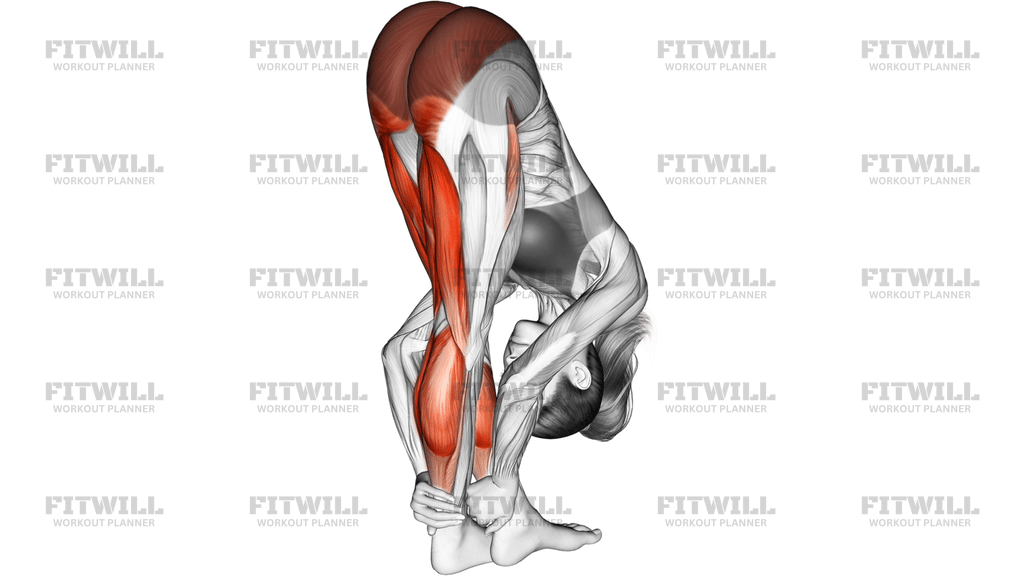
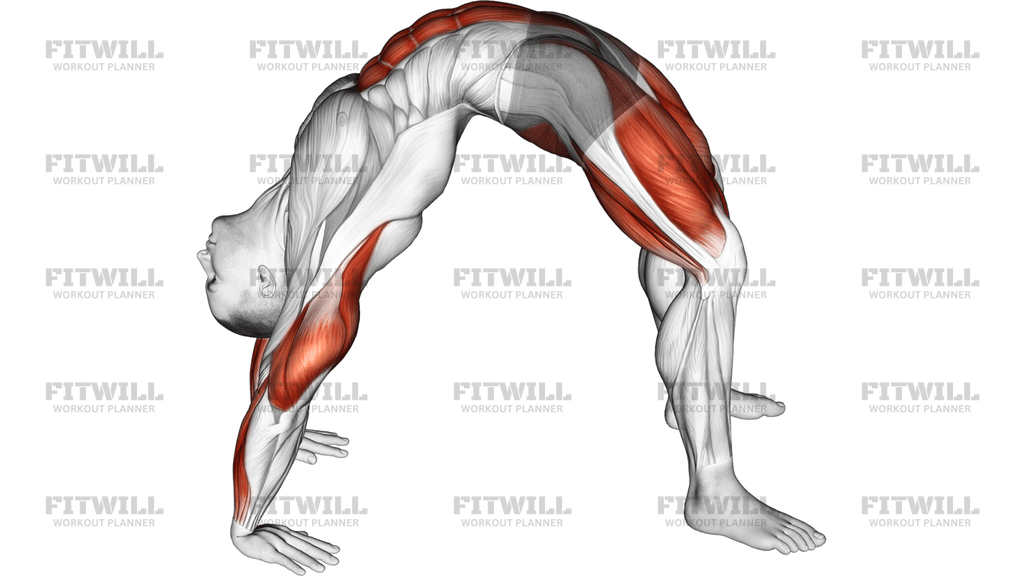
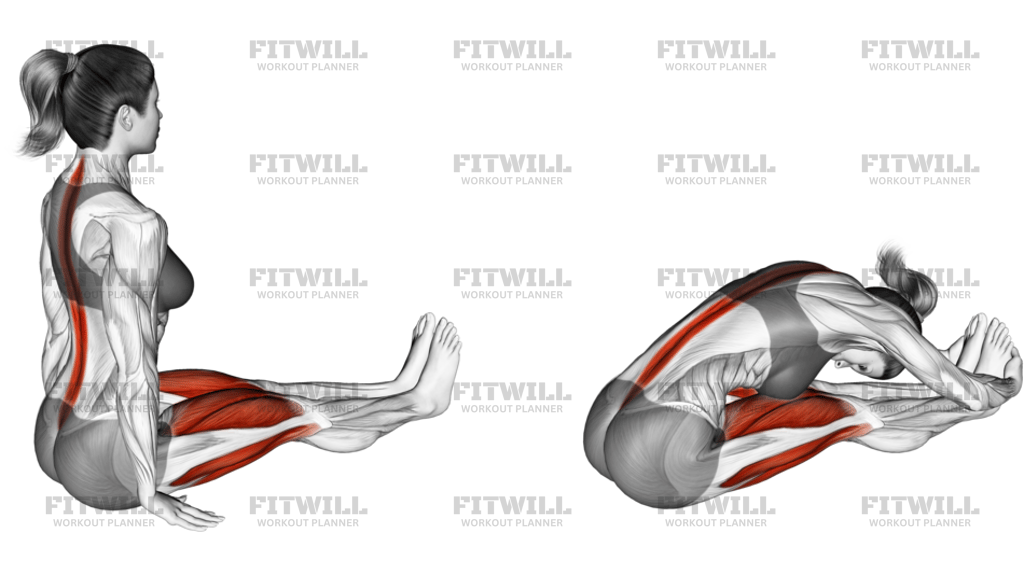
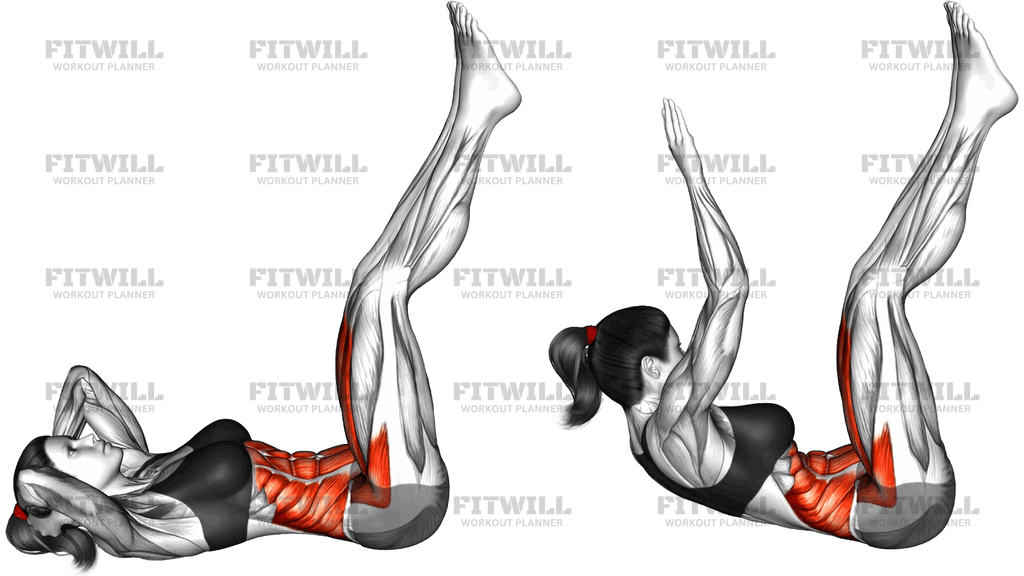
Hamstring Stretch
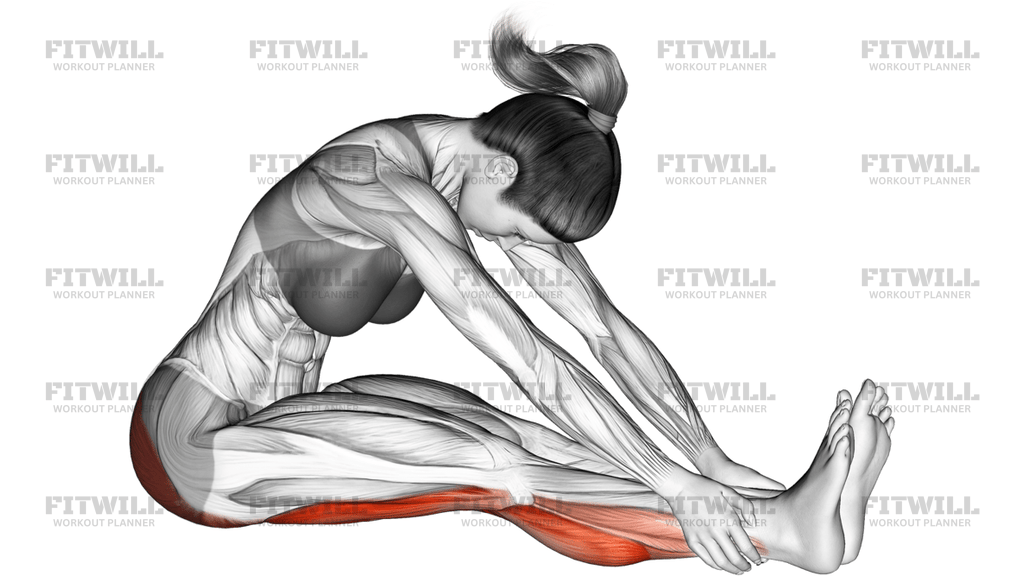
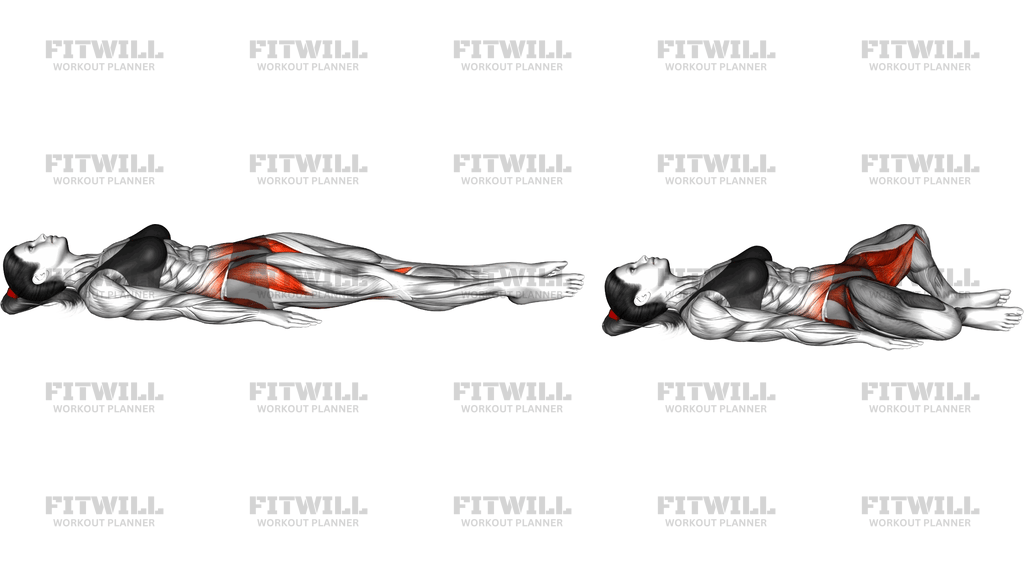
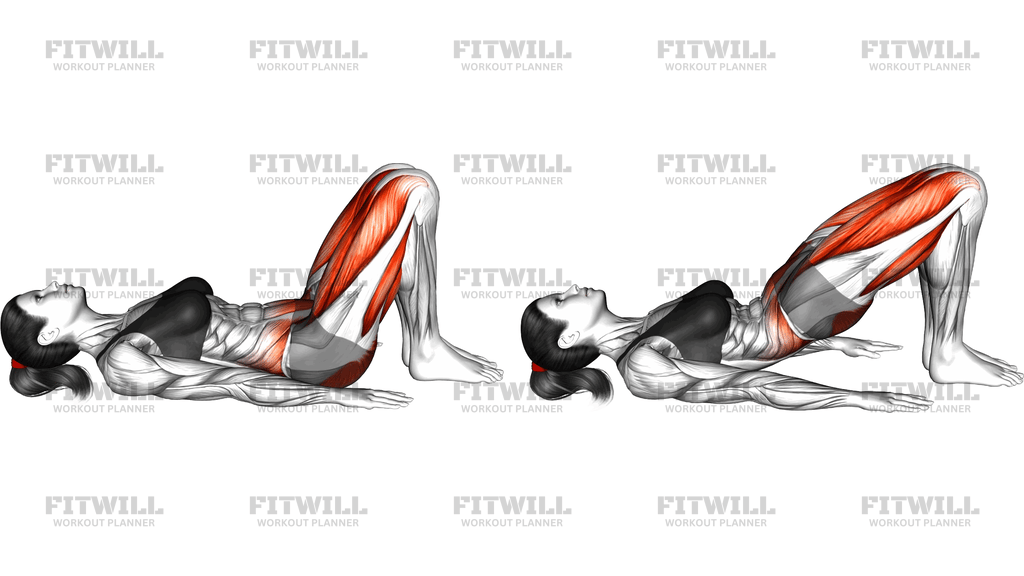
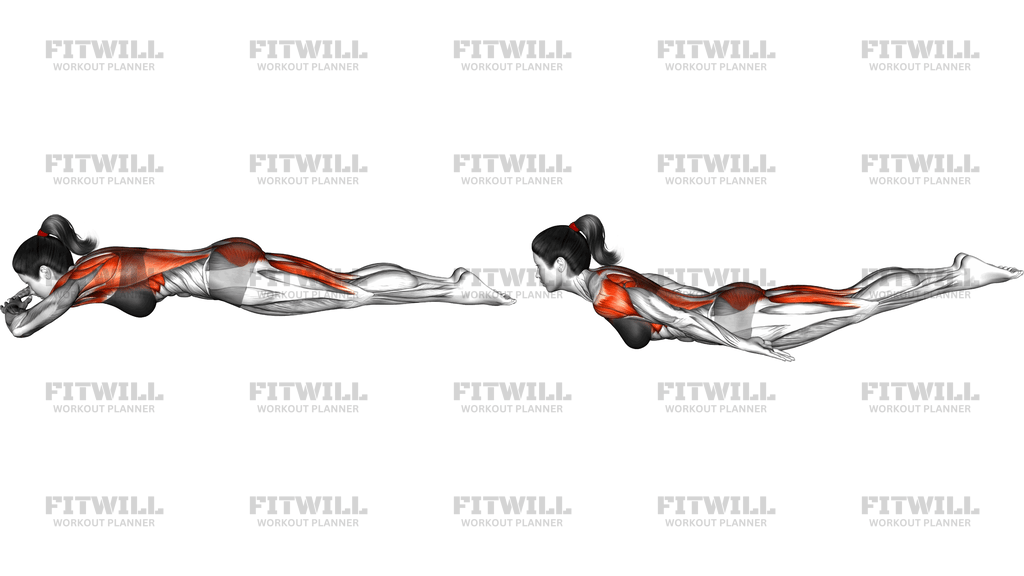
Hamstring Stretch is a floor-based mobility exercise that uses body weight and an exercise mat to lengthen the hamstrings with control. In the image, you are lying on your back with one leg extended on the floor while the working leg comes toward the torso and gradually straightens upward. That setup matters because it lets you isolate the hamstring without loading the lower back, hips, or knees more than necessary.
This stretch is useful when the back of the thigh feels tight after training, long sitting, running, or lower-body lifting. The goal is not to force the knee straight or yank the leg higher. Instead, you keep the pelvis anchored, flex the foot, and use the hands to guide a smooth stretch through the hamstring line. The non-working leg stays long and relaxed so the pelvis stays square and the stretch stays honest.
The best version of this movement comes from a stable torso and a controlled change in knee angle. Start with the raised leg bent, draw it to a comfortable position, then slowly extend the knee until you feel a clear but manageable pull through the back of the thigh. If the opposite hip lifts, the lower back arches hard, or the leg shakes, the stretch is too aggressive and you should back off slightly.
Breathing is part of the exercise, not an afterthought. Exhale as you ease deeper, then keep the breath calm while you hold or pulse gently through the available range. Because this is a mobility drill rather than a strength repetition, the rep quality comes from staying smooth, symmetrical, and pain-free. A clean hamstring stretch should feel direct in the back of the thigh, not like pinching behind the knee or tugging in the low back.
Use Hamstring Stretch in warm-ups, cooldowns, recovery sessions, or any mobility block where you want to improve leg extension and hamstring tolerance without equipment. It is beginner-friendly when you keep the knee slightly soft and the range modest at first. Progress by improving relaxation and position control before you chase a bigger range of motion.
Fitwill
Log Workouts, Track Progress & Build Strength.
Achieve more with Fitwill: explore over 9600 exercises with images and videos, access built-in and custom workouts, perfect for both gym and home sessions, and see real results.
Start your journey. Download today!




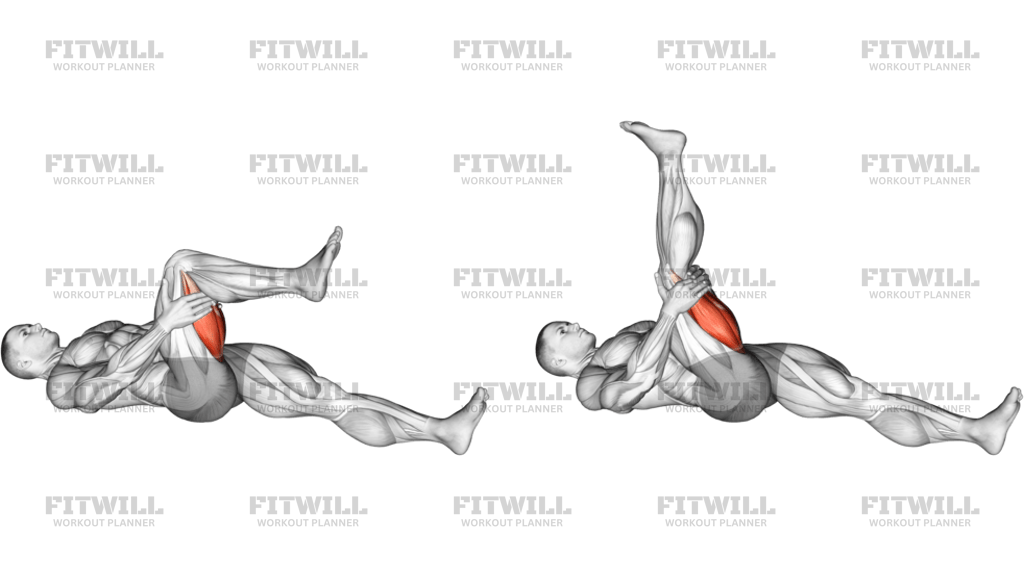
Instructions
- Lie on your back on a mat and keep the non-working leg long on the floor with the toes pointing up.
- Bring the working knee toward your chest and hold behind the thigh, calf, or just below the knee with both hands.
- Square your hips so both hip points stay level and the lower back stays relaxed against the mat.
- Use your arms to lift the leg only to a comfortable starting angle before you straighten the knee.
- Slowly extend the working knee until you feel a stretch through the back of the thigh.
- Keep the foot flexed and the toes pulled toward you so the hamstring stays active in the stretch.
- Pause at the end range and breathe steadily without letting the pelvis roll up.
- Ease the knee back to a slightly bent position with control, then repeat on the same side or switch sides.
Tips & Tricks
- Keep the opposite leg straight and heavy on the mat; a bent free leg usually lets the pelvis tilt and reduces the hamstring stretch.
- Flex the ankle on the working side so you feel the line through the back of the thigh instead of just behind the knee.
- If the leg shakes, lower it a little and rebuild the stretch from a calmer position.
- Use your hands to guide the leg, not to force the knee lockout.
- A slight bend in the knee is better than a round lower back or a hip that pops off the floor.
- Exhale as you lengthen the leg; this often reduces guarding in the hamstrings.
- If the stretch pulls more behind the knee than in the thigh, back the range off and keep the shin a little less vertical.
- Work both sides with the same setup so you can compare left-to-right tightness accurately.
Frequently Asked Questions
What does Hamstring Stretch target most?
It primarily targets the hamstrings along the back of the thigh.
Why am I lying on my back for this stretch?
The floor gives you a stable base so you can isolate the hamstring without balancing or arching through the lower back.
Should the working knee stay bent or straighten out?
Start with the knee bent, then slowly straighten it only as far as you can while keeping the pelvis down.
Where should I feel the stretch?
You should feel it mainly in the back of the thigh, not as a sharp pull behind the knee or a pinch in the low back.
Can I do this if my hamstrings are very tight?
Yes, but start with a smaller range and keep the knee slightly bent so you can relax into the position instead of forcing it.
Why do you keep the foot flexed?
A flexed foot helps keep tension through the hamstring chain and makes the stretch feel more direct in the back of the thigh.
Is it okay if my opposite leg bends a little?
Try to keep it long and relaxed; bending that leg often lets the pelvis rotate and weakens the stretch.
When should I use Hamstring Stretch?
It works well after lower-body training, after runs, or in a mobility session when your goal is to improve hamstring length and comfort.