Chair Leg Extended Stretch
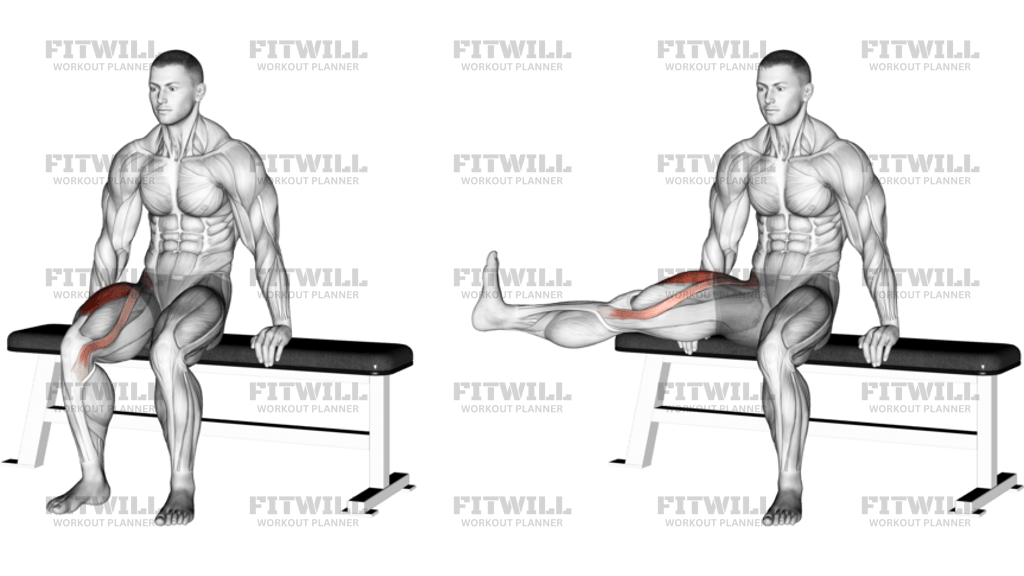
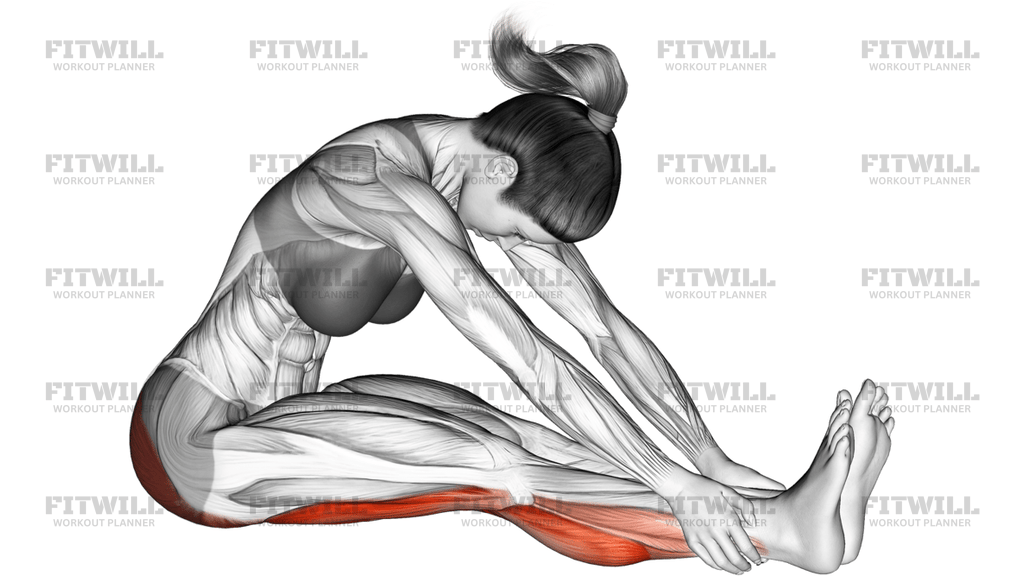
Chair Leg Extended Stretch is a seated lower-body flexibility drill that emphasizes the back of the extended thigh while the hips and trunk stay organized. The stretch is usually felt most strongly through the hamstrings, with the calf and glute of the straight leg helping shape how the position opens up. It is not a power movement; the value comes from finding a stable setup, holding an honest stretch, and keeping the torso long instead of collapsing forward.
The chair or bench matters because it lets you anchor the pelvis while one leg stays extended in front of you. A higher, firmer seat makes it easier to keep the spine tall and the hips square, which is important if you want the stretch to stay in the leg instead of turning into a low-back fold. The bent support leg should help you stay centered, not twist you out of position. When the setup is clean, the stretch feels predictable and easier to breathe into.
From there, hinge forward from the hips with a long chest and a neutral neck. Reach only as far as you can keep the extended knee straight, the toes pulled back toward the shin, and both sit bones grounded. That foot position is useful because it usually increases the stretch along the hamstring line and helps you avoid cheating by turning the knee or foot inward. If you feel the sensation move sharply behind the knee, ease off and reduce the range.
This stretch works well after lower-body training, during a warm-up for leg day, or as part of a mobility block when the posterior thigh feels tight from sitting, running, cycling, or squatting. It is also a good choice when you want a simple side-to-side assessment of hamstring mobility, because each leg can be held and compared independently. Keep the effort smooth and measurable rather than forcing depth for the sake of a bigger number.
Use controlled breathing to help the tissues settle as you hold the position. Exhale as you hinge a little farther, then stay there without bouncing. The goal is a calm, repeatable stretch that can be reproduced on both sides with the same posture and the same amount of tension. If the torso rounds hard, the support leg lifts, or the knee bends to escape the stretch, back out and rebuild the position before holding again.
[ Workout Log & Planner ]
Put your next workout in Fitwill
Keep your plan and training log ready when you are.


Instructions
- Sit on the front edge of a sturdy chair or bench and brace your hands beside your hips for support.
- Extend one leg straight in front of you and keep the other leg bent so you stay balanced on the seat.
- Pull the toes of the straight leg back toward your shin and keep that knee pointed up toward the ceiling.
- Square both hip bones forward instead of letting the working side roll open.
- Inhale to lengthen the spine, then hinge forward from the hips until you feel a clear stretch through the back of the straight leg.
- Keep the chest long and the lower back neutral as you hold the stretch; do not bounce or collapse over the leg.
- Breathe slowly for the hold, easing a little deeper only on the exhale if the stretch stays comfortable.
- Come back up by lifting the chest first, then switch legs and repeat on the other side.
Tips & Tricks
- If the stretch shows up mostly in your low back, sit taller and hinge less from the waist.
- A slightly bent support knee can help you keep your pelvis level if the bench is high.
- Keep the straight leg active with the toes pulled back; a loose foot usually reduces the hamstring stretch.
- Do not round the upper back to reach farther, because that moves the work away from the target leg.
- A firm seat is better than a soft one because it gives you a clearer anchor for the pelvis.
- Move in small increments and let the exhale create the extra range instead of forcing it.
- If you feel tingling or sharp pulling behind the knee, back out and shorten the range immediately.
- Match the stretch on both sides before you decide one leg is tighter than the other.
Frequently Asked Questions
What does Chair Leg Extended Stretch target most?
It mainly targets the hamstrings of the straight leg, with the calf and glute helping shape the stretch.
Do I need a chair or a bench for this stretch?
A sturdy chair, bench, or box works as long as it lets you sit tall and keep the pelvis steady.
Should my toes stay up or relaxed on the extended leg?
Pull the toes back toward the shin to bias the hamstrings and keep the stretch line clear.
Why do I feel this in my lower back instead of my thigh?
That usually means you are rounding forward instead of hinging from the hips or you are reaching too far.
Is this stretch appropriate before leg training?
Yes, if you keep it light and brief. It works well as part of a warm-up before squats, lunges, or running.
Can beginners do this safely?
Yes. Beginners should use a smaller hinge, keep both hips square, and stop before the stretch turns sharp.
What is the most common mistake?
The most common error is collapsing the torso to chase depth instead of keeping a long spine and controlled reach.
How long should I hold each side?
Hold long enough to feel the hamstring lengthen without guarding, then come out slowly and repeat on the other side.