Exercise Ball Seated Quad Stretch
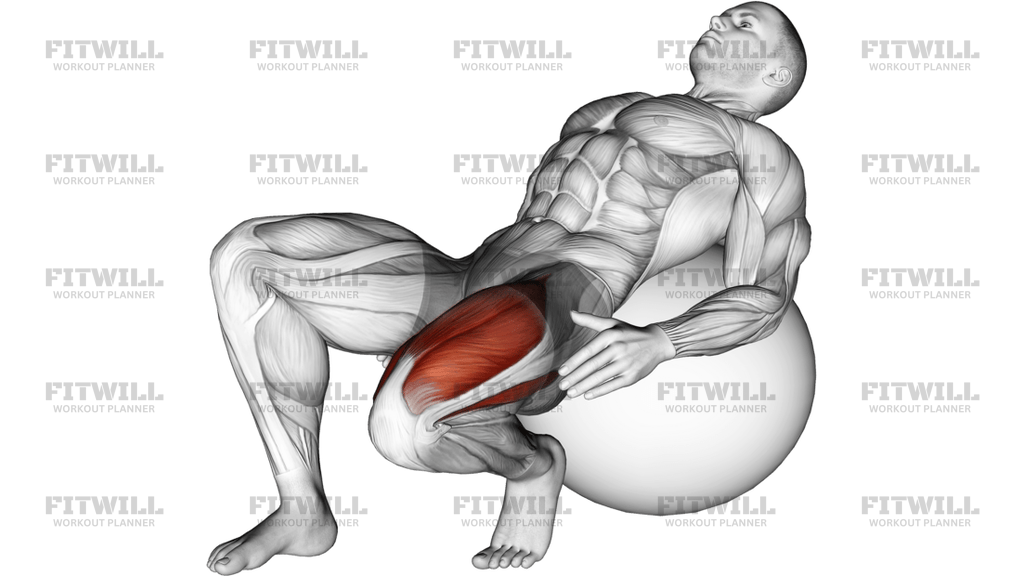
Exercise Ball Seated Quad Stretch is a supported front-of-thigh stretch that uses a stability ball to make the position more comfortable and easier to hold than a hard-floor version. The ball gives the torso a soft point of contact, which helps you relax into the stretch without losing control of the pelvis or arching the low back. The target is the quadriceps, especially the long head and rectus femoris area that often feel tight after squats, running, cycling, or lots of time spent with the hips flexed.
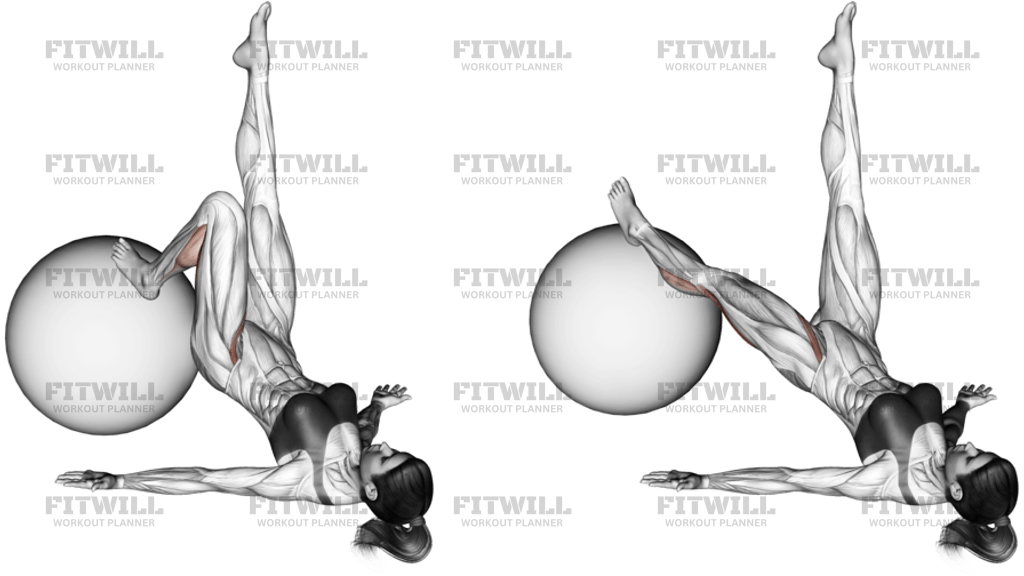
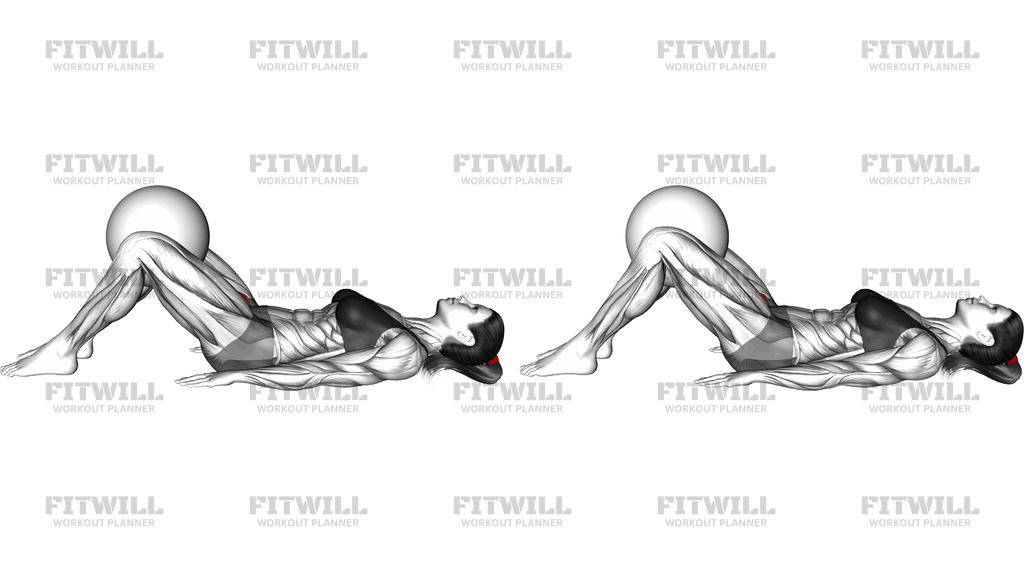
The image shows a reclined seated position rather than an active strength rep. That matters because the goal is to create a steady quad stretch, not to chase more range by yanking on the leg or collapsing into the ball. When the setup is right, the front of the thigh opens while the hips stay mostly square and the supporting foot stays planted. If the pelvis tips forward or the rib cage flares, the stretch usually moves into the lower back and away from the quad.
This stretch works best when you set the base first and then let the working side lengthen gradually. Sit on the stability ball, find enough of the ball under your back to feel supported, and use the floor leg to keep yourself from rolling. Then bend the working knee and draw the heel toward the glute only as far as you can keep the thigh pointed down and the torso quiet. A small exhale usually helps more than a hard pull on the ankle.
Use it in a warm-up, cooldown, or mobility block when the front of the thigh feels short or stiff and you want a low-skill way to restore length without kneeling on a hard surface. It is also useful if a traditional standing or prone quad stretch feels awkward on the knee, because the ball gives you more support and less pressure. Keep the stretch pain-free, return out of it slowly, and switch sides with the same setup so both legs get the same amount of work.
[ Workout Log & Planner ]
Put your next workout in Fitwill
Keep your plan and training log ready when you are.


Instructions
- Sit on the stability ball with one foot planted firmly on the floor and the other leg free to bend, using a mat if you need more grip.
- Walk your feet forward until the ball supports your upper back and you can lean back without losing balance or over-arching your low back.
- Keep your ribs down and your pelvis level before you start pulling on the working leg.
- Bend the stretching-side knee and reach back to hold the ankle or top of the foot if you can do so without twisting.
- Draw the heel toward the glute until you feel a clear stretch across the front of the thigh.
- Keep the stretching-side knee pointing down instead of flaring out to the side.
- Exhale and settle into the position while the supporting foot presses into the floor to keep you steady.
- Hold the stretch briefly, then release the foot slowly and reset before switching sides.
Tips & Tricks
- Let the ball support your upper back, not your lower back; that makes it easier to keep the pelvis from dumping forward.
- If you feel the stretch in your low back, pull the heel less and keep the ribs stacked over the pelvis.
- Keep the supporting foot heavy on the floor so the ball does not slide as you breathe into the stretch.
- A small heel-to-glute pull is usually enough; forcing the ankle farther back often turns the stretch into a knee tug.
- Use a strap around the ankle if you cannot reach the foot comfortably without twisting.
- The bent knee should stay pointed toward the floor to keep the emphasis on the quadriceps rather than the hip opening out.
- A slow exhale is the cleanest way to deepen the stretch without bouncing or bracing hard.
- If one side cramps sooner, shorten the hold and reset instead of trying to push through the cramp.
Frequently Asked Questions
What muscle does Exercise Ball Seated Quad Stretch target most?
It mainly targets the quadriceps on the stretched leg, especially the front-of-thigh tissue near the hip.
Can beginners perform this exercise?
Yes. The ball gives you back support, so beginners can usually find a comfortable stretch without much setup complexity.
Where should I feel the stretch on the ball?
You should feel it in the front of the thigh of the bent leg, not as a pinch in the knee or a compression in the low back.
What is the most common mistake in this stretch?
People usually lean back too far and arch the low back, which shifts the tension away from the quadriceps.
Do I need to hold the ankle the whole time?
Not necessarily. If reaching the foot twists your torso, use a strap or keep the hold lighter and more upright.
Why use a stability ball instead of the floor?
The ball supports your upper body, which can make it easier to relax the hip and quad without fighting balance.
Can I do this after leg day or cycling?
Yes. It is a good cooldown or mobility option after quad-dominant training sessions when the front of the thigh feels tight.
What if the knee on the stretching side hurts?
Reduce how far you pull the heel back, keep the thigh more vertical, and stop if the knee still feels compressed.