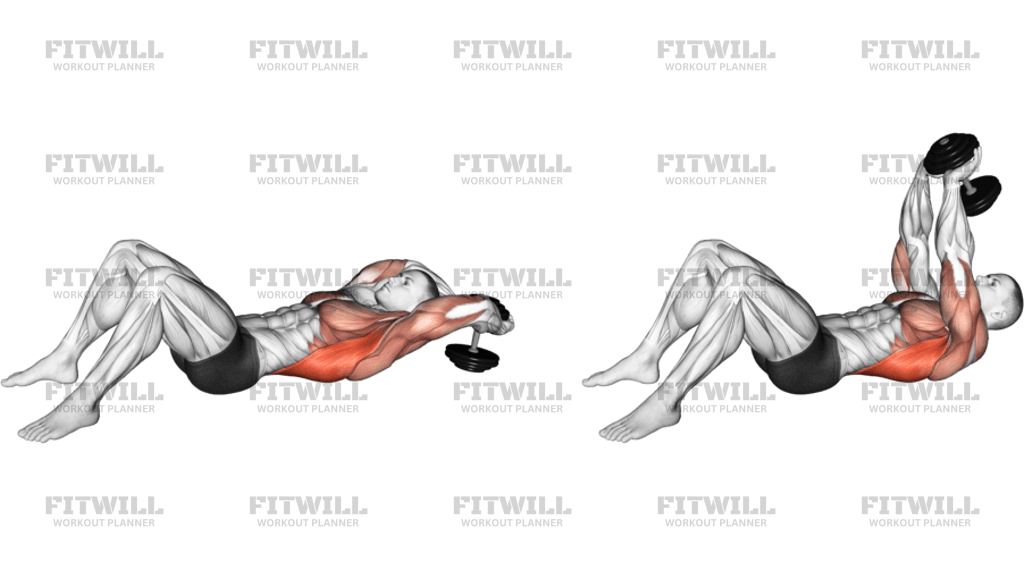
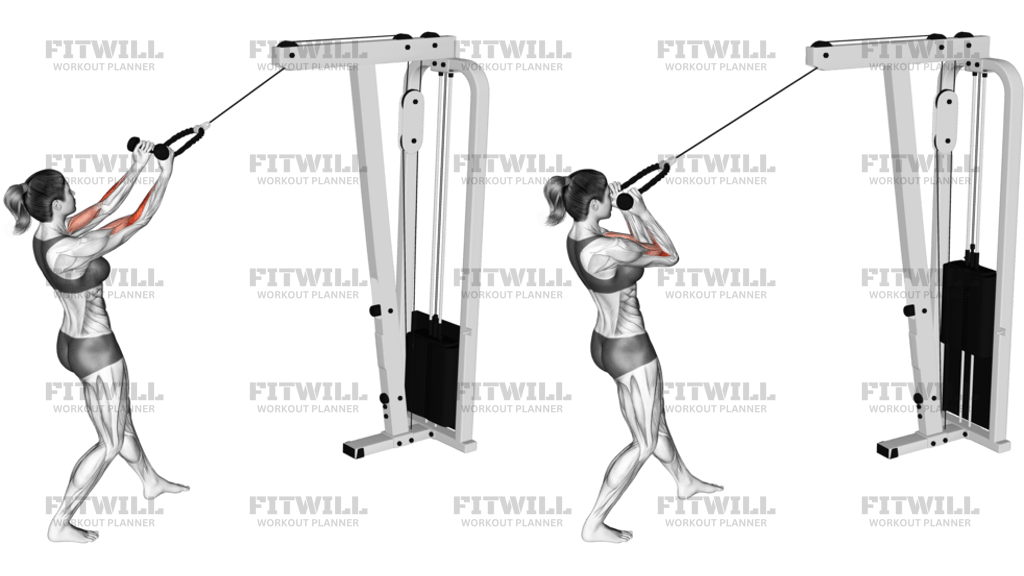
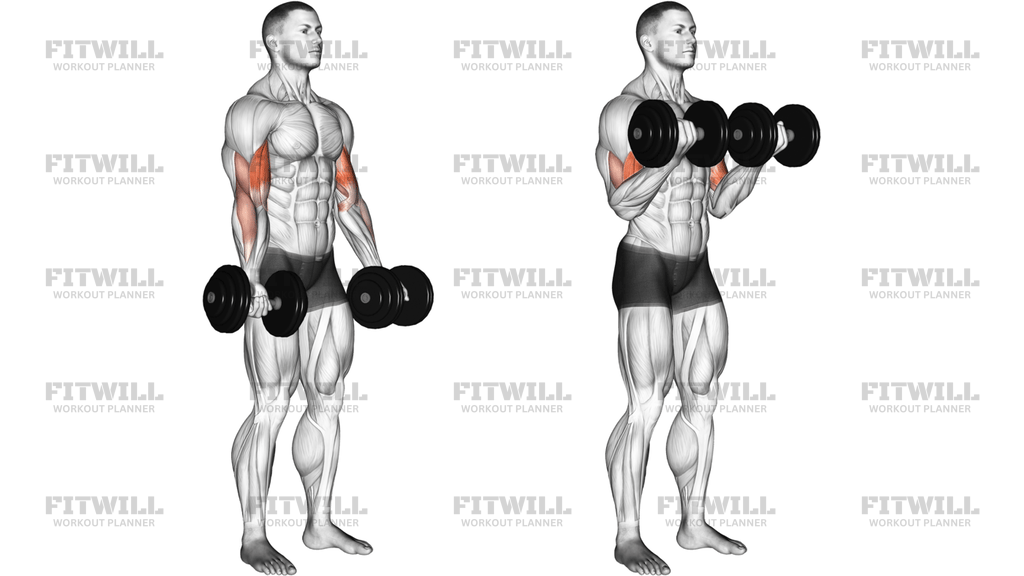
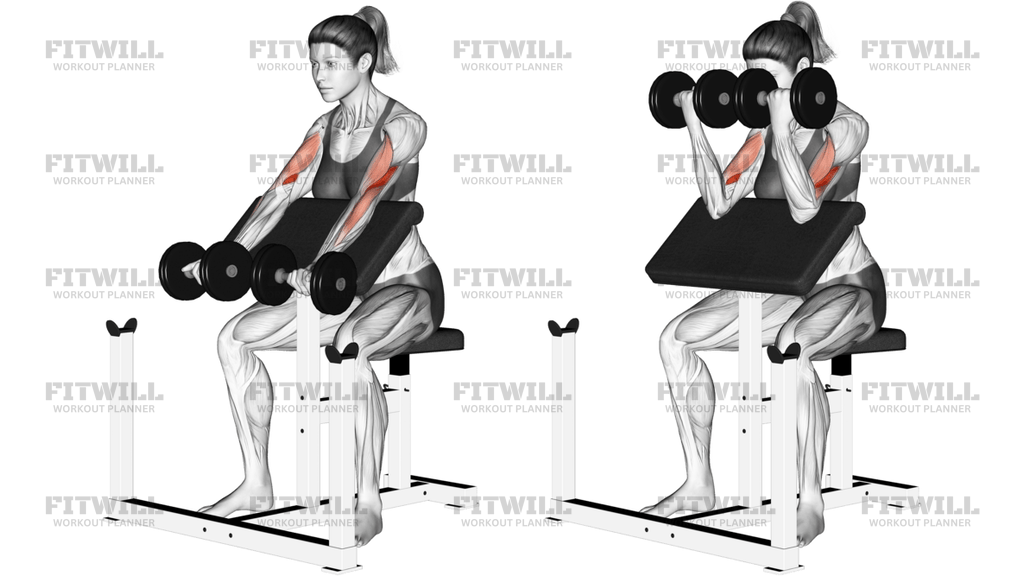
Dumbbell One-Arm Prone Curl
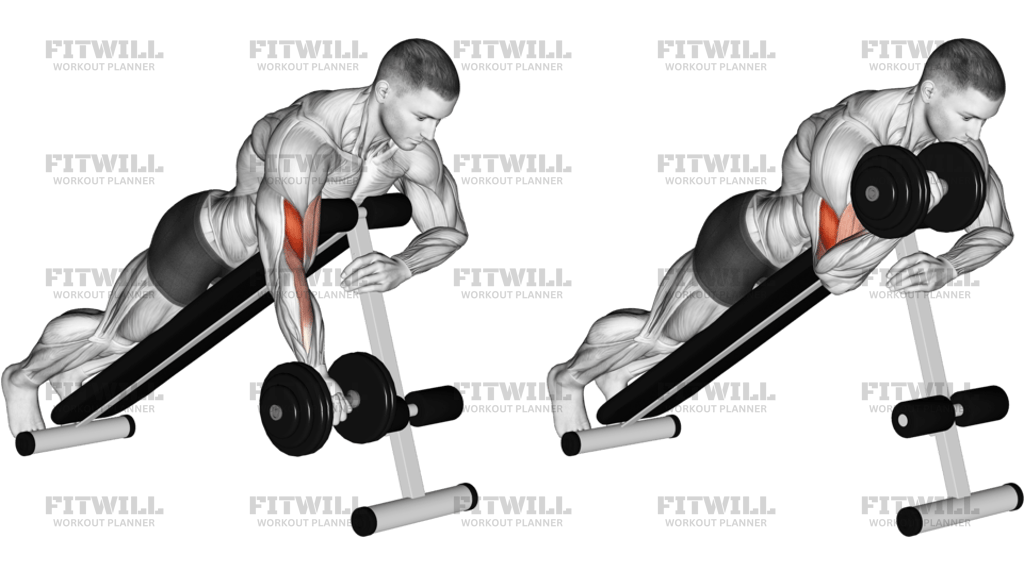
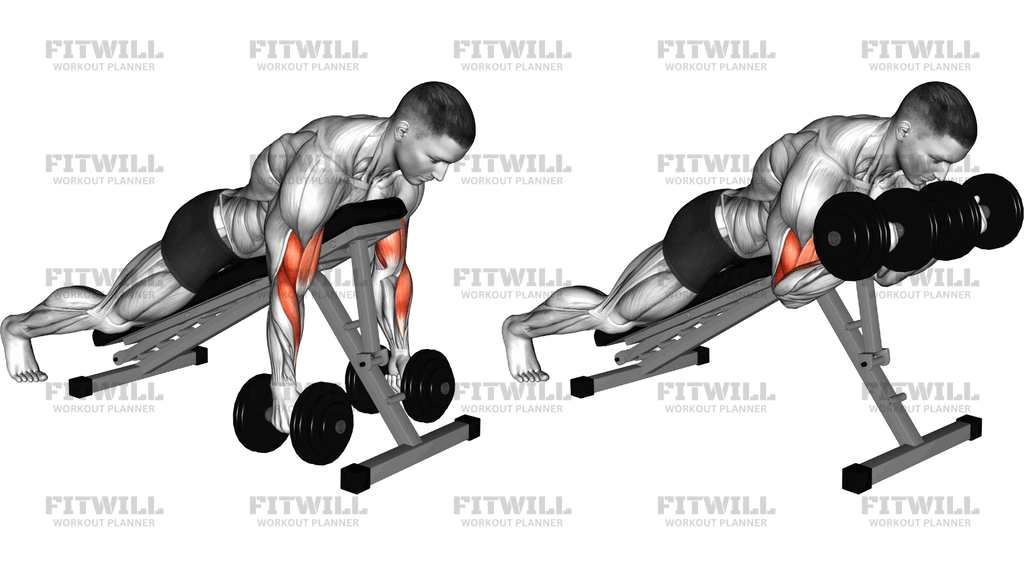
The Dumbbell One-Arm Prone Curl is a chest-supported curling exercise that keeps the torso fixed while the biceps do most of the work. Lying face down on an incline bench removes the usual urge to sway, lean back, or turn the curl into a body English movement. That makes it a good choice when you want cleaner biceps tension and less help from the hips, lower back, and shoulder swing.
This variation emphasizes the biceps brachii, with the brachialis and brachioradialis assisting through the elbow bend. Because the chest stays on the bench, the working arm hangs in a longer starting position and the curl becomes very honest about load selection and control. It is useful for lifters who want focused arm work after presses or pulls, or for anyone who needs a stricter curl pattern than a standing dumbbell curl.
The setup matters more here than on many arm exercises. Set the bench to a moderate incline so your chest and upper ribs are supported and the working arm can hang straight down without the dumbbell hitting the floor. Keep the non-working hand braced on the bench, feet anchored, and ribs down so your torso stays glued to the pad while the shoulder and elbow remain in a stable line.
Each repetition should start from a dead-hang stretch at the elbow, then curl the dumbbell toward the shoulder without letting the upper arm drift. The forearm should rotate naturally as you bend the elbow, but the shoulder should stay quiet and the chest should not peel off the bench. Lower the weight slowly until the arm is almost straight again, then reset under control instead of bouncing out of the bottom.
This is not an exercise for chasing momentum or heavy cheating reps. A controlled tempo keeps tension on the biceps and makes the prone position worthwhile, especially if the goal is strict hypertrophy or cleaner arm isolation. Stop the set when you can no longer keep the upper arm still and the dumbbell path smooth. When done well, Dumbbell One-Arm Prone Curl is a simple but demanding way to build arm strength, improve curl mechanics, and expose weak links in elbow control.
[ Workout Log & Planner ]
Put your next workout in Fitwill
Keep your plan and training log ready when you are.


Instructions
- Set an incline bench to a moderate angle and lie face down with your chest and upper ribs supported.
- Plant both feet on the floor and brace the non-working hand on the bench for balance.
- Let the working arm hang straight down with a dumbbell in a neutral grip and the elbow fully extended.
- Keep your chin tucked slightly and your ribs pressed into the pad before the first rep.
- Curl the dumbbell up by bending the elbow and keep the upper arm close to the bench.
- Bring the dumbbell toward the front of the shoulder without letting the torso twist or the elbow drift backward.
- Squeeze the biceps briefly at the top, then lower the dumbbell slowly until the arm is nearly straight.
- Inhale on the way down, exhale as you curl up, and reset the shoulder position before the next rep.
Tips & Tricks
- Choose a bench angle that leaves the dumbbell hanging freely; if your hand brushes the floor, raise the bench or move higher on the pad.
- Keep the upper arm quiet against the bench so the curl comes from elbow flexion, not from the shoulder rolling forward.
- Use a lighter dumbbell than you would for a standing curl, because the prone setup removes momentum and increases the stretch.
- If your wrist starts bending back, shorten the load and keep the knuckles stacked over the forearm.
- Pause for a beat at the top instead of whipping through the rep to keep tension on the biceps.
- Lower the weight under control until the elbow is almost straight; don’t slam the bottom position against the shoulder joint.
- Keep your chest planted on the bench and avoid lifting one side of the torso when the curl gets hard.
- Stop the set when you can no longer keep the dumbbell path smooth and the elbow fixed in place.
Frequently Asked Questions
What muscle does Dumbbell One-Arm Prone Curl target most?
It primarily targets the biceps brachii, with the brachialis and brachioradialis helping during the curl.
Why use an incline bench for Dumbbell One-Arm Prone Curl?
The bench keeps your chest supported and removes torso swing, so the curl stays strict and the biceps do more of the work.
How heavy should the dumbbell be for this curl?
Use a lighter load than your standing curl, since the chest-supported position makes cheating harder and the bottom position more demanding.
Should my elbow stay still during Dumbbell One-Arm Prone Curl?
Yes. Let the elbow hinge, but keep the upper arm anchored so the dumbbell travels in a clean arc without shoulder sway.
Can beginners do Dumbbell One-Arm Prone Curl?
Yes, if the bench is set correctly and the load is kept light enough to control the full lowering phase.
What is the biggest mistake with Dumbbell One-Arm Prone Curl?
The most common mistake is losing chest contact and turning the rep into a partial body swing instead of a strict curl.
How low should I lower the dumbbell?
Lower until the arm is nearly straight and you still control the shoulder position; don’t chase a sloppy bottom stretch.
What is a good variation if the incline feels awkward?
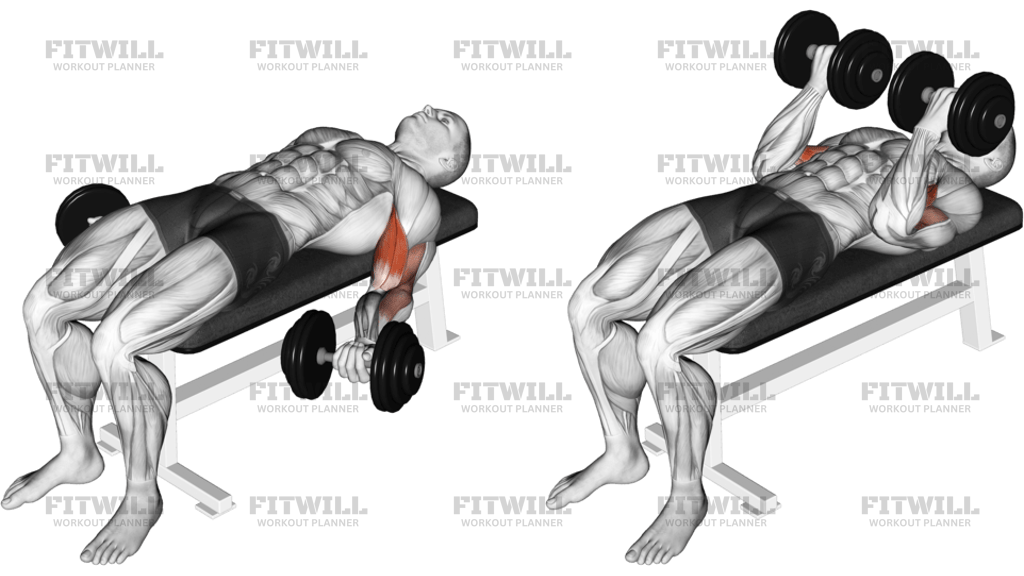
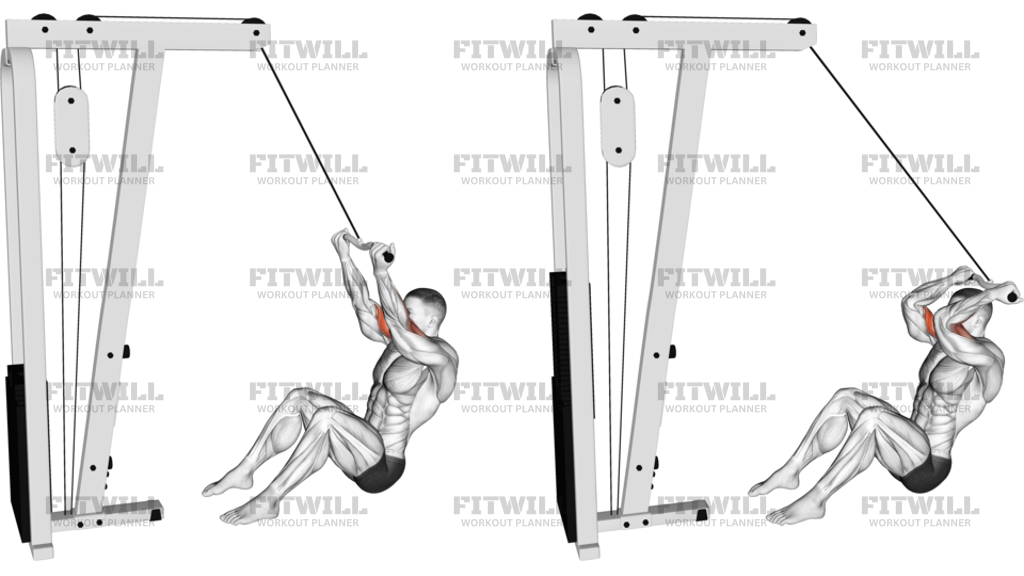
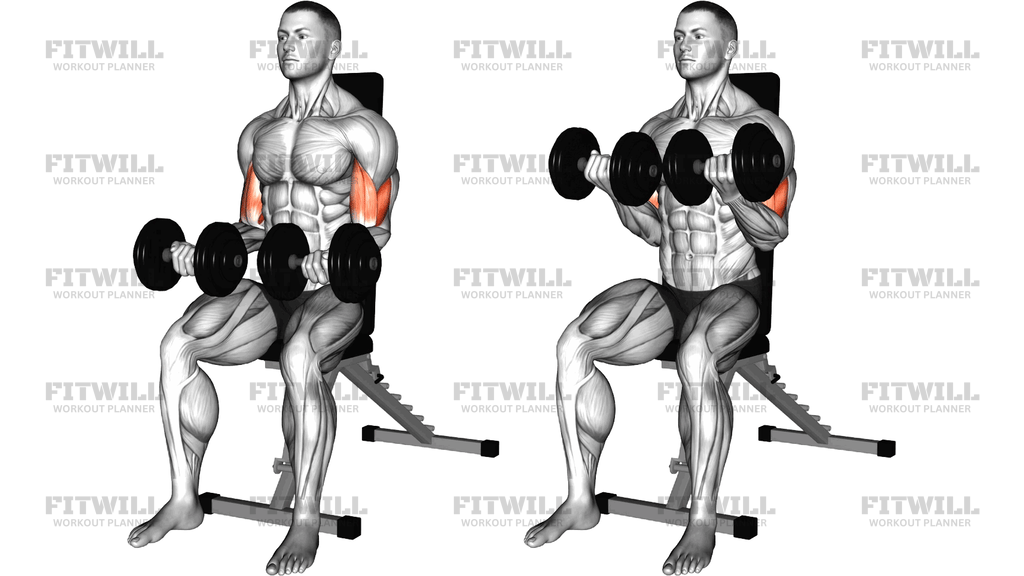
A standard seated or standing one-arm dumbbell curl is the easiest substitution if you cannot get a stable chest-supported setup.