Dumbbell One-Arm Prone Hammer Curl
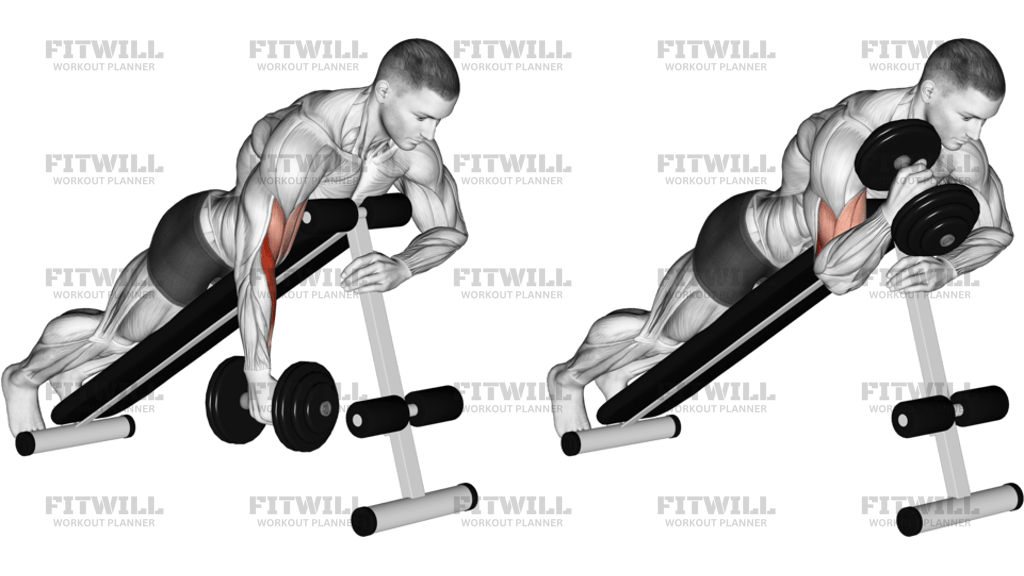
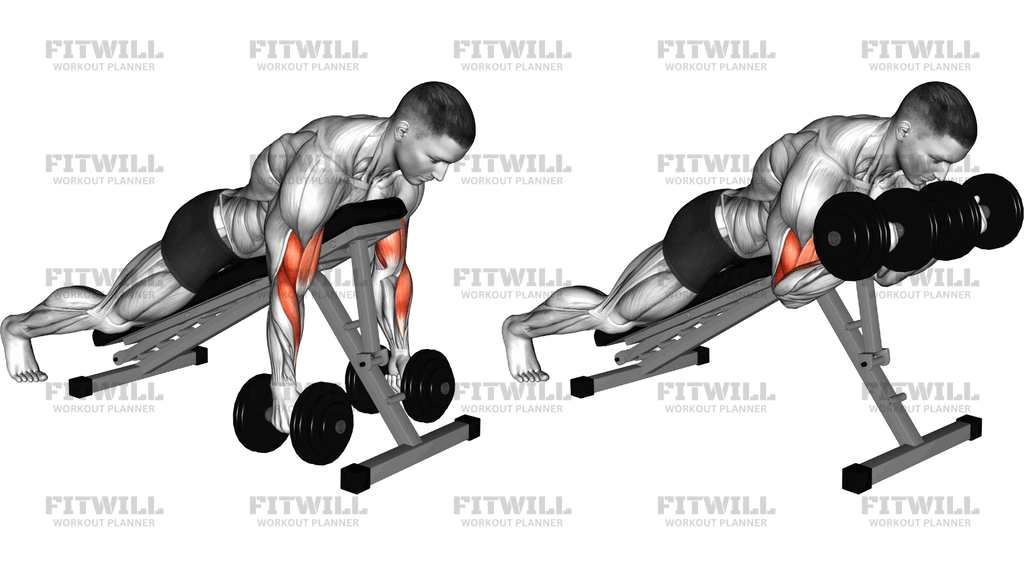
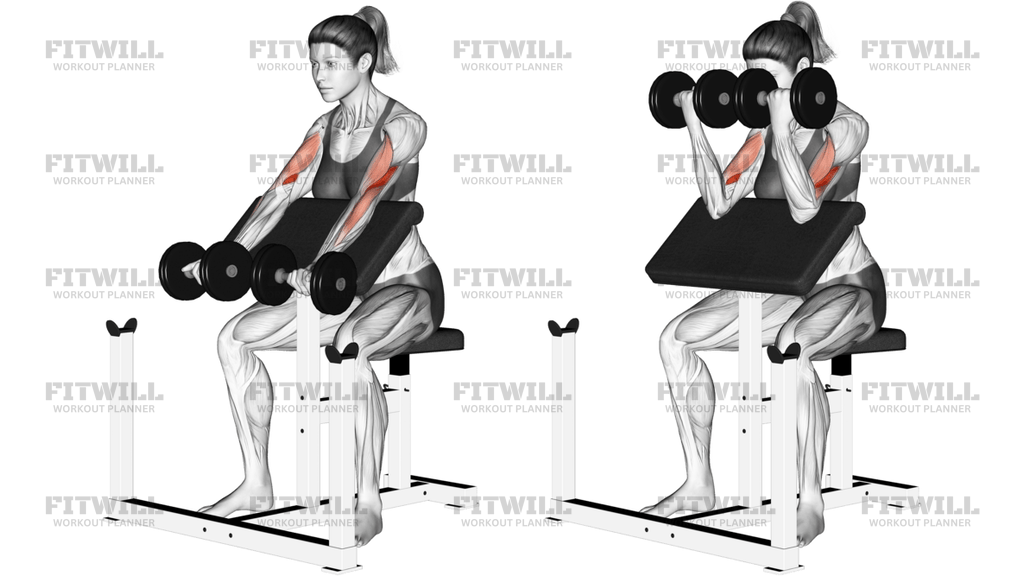
Dumbbell One-Arm Prone Hammer Curl is a chest-supported arm exercise performed face down on an incline bench with a neutral dumbbell grip. The bench removes most lower-body and torso cheating, so the elbow flexors have to do the work while the shoulder stays quiet and the rep stays honest.
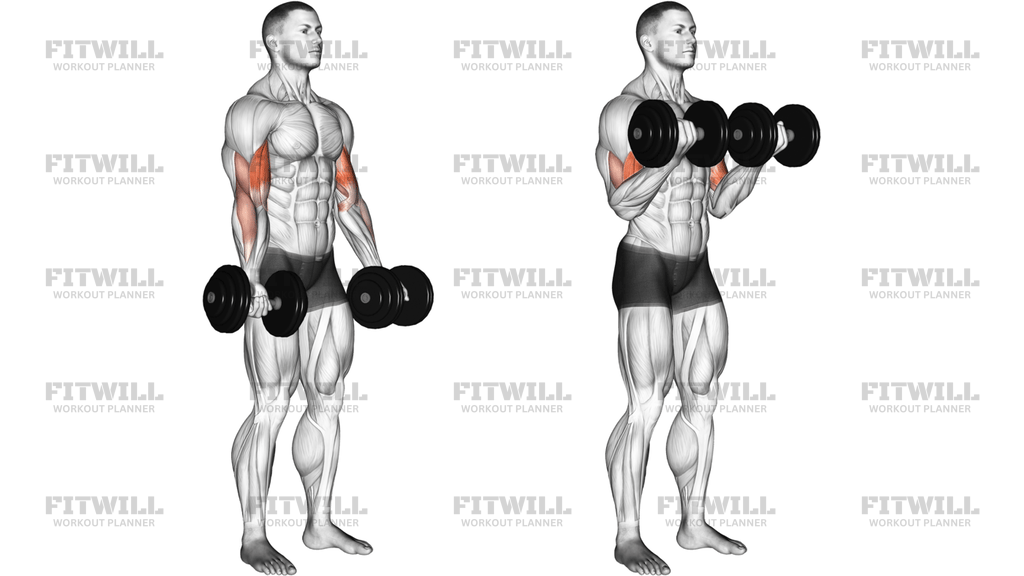
The main training effect is elbow flexion strength with a neutral wrist position. That means the biceps still contribute, but the brachialis and brachioradialis usually take a bigger share than they would in a fully supinated curl. Forearm muscles also have to stabilize the dumbbell, especially when the arm reaches the bottom and the wrist wants to drift.
The prone setup matters because it pins the chest against the bench and changes the leverage of the curl. When you hang the dumbbell straight down, the arm starts from a dead-stop style stretch, and every inch of the lift has to be controlled. That makes the exercise useful for cleaner hypertrophy work, accessory arm training, and lifters who want to reduce body swing and keep tension on the upper arm instead of the hips and back.
Good reps are slow enough to stay attached to the bench but forceful enough to drive the dumbbell through a smooth arc. Curl by bending only the elbow, keep the upper arm pressed into the pad, and finish near the shoulder without letting the shoulder roll forward. Lower the weight until the arm is nearly straight again, keeping the wrist neutral and the dumbbell under control so the bottom position does not turn into a drop.
Use this movement when you want isolated arm work with a strict line of pull, especially in upper-body sessions, arm days, or as controlled accessory volume after pressing and pulling. It is usually beginner-friendly if the bench is set correctly and the load is light enough to prevent twisting, shrugging, or swinging off the pad.
Fitwill
Log Workouts, Track Progress & Build Strength.
Achieve more with Fitwill: explore over 9600 exercises with images and videos, access built-in and custom workouts, perfect for both gym and home sessions, and see real results.
Start your journey. Download today!




Instructions
- Set an incline bench so your chest can rest firmly against the pad and place one dumbbell on the floor beside the working side.
- Lie face down on the bench with the working arm hanging straight down, feet planted, and the free hand braced on the bench for balance.
- Grip the dumbbell with a neutral hammer grip, wrist stacked over the elbow, and keep the upper arm lightly pressed into the pad.
- Exhale and curl the dumbbell up by bending the elbow, keeping the elbow pointed down rather than flaring outward.
- Lift until the dumbbell reaches the front of the shoulder or upper chest without letting the shoulder roll forward.
- Squeeze briefly at the top while keeping the torso glued to the bench and the wrist neutral.
- Inhale and lower the dumbbell slowly until the arm is nearly straight and the biceps are fully lengthened.
- Reset the shoulder and upper arm on the pad before the next rep, then repeat for the planned side and switch arms if needed.
Tips & Tricks
- Keep your chest heavy on the pad so the rep comes from elbow flexion, not a chest lift off the bench.
- Let the dumbbell start from a true dead hang, but do not relax the shoulder so much that the joint yanks forward at the bottom.
- A neutral grip should stay neutral the whole set; if the palm starts turning up, the rep is drifting away from the hammer pattern.
- Do not flare the elbow out to the side; that usually turns the movement into a loose front-delt curl.
- Use a smaller range if the top position forces the shoulder to shrug or slide off the bench.
- Lower the dumbbell slower than you lift it to keep tension on the brachialis and brachioradialis.
- Pick a bench angle that lets your working arm hang freely without the plates hitting the floor or the bench frame.
- Stop the set when your torso starts shifting on the pad, because that is usually the first sign the load is too heavy.
Frequently Asked Questions
What does the chest-supported incline setup change in this hammer curl?
It removes most momentum from the torso, so the elbow flexors have to do the lifting instead of the hips or lower back.
What muscles work hardest in the one-arm prone hammer curl?
The biceps help, but the brachialis and brachioradialis usually take a big share because the grip stays neutral.
Should my palm turn up at the top of the rep?
No. Keep the palm facing in the whole time so the movement stays a true hammer curl.
Why is the dumbbell started from a dead hang under the bench?
That bottom position gives the arm a full stretch and makes cheating harder, which increases the quality of each rep.
Can I do this with both arms at once?
The image shows a one-arm version, which is easier to keep strict. Bilateral use is possible only if both sides can stay equally supported on the bench.
What is the most common form mistake here?
Shrugging the shoulder or sliding the chest off the pad usually means the load is too heavy or the bench angle is too steep.
Is this exercise good for beginners?
Yes, if the incline bench is stable and the dumbbell is light enough to keep the arm and wrist controlled through the full range.
How should I breathe during each rep?
Exhale as you curl up and inhale as you lower the dumbbell back to the hanging position.