Dumbbell Preacher Curl Over Exercise Ball
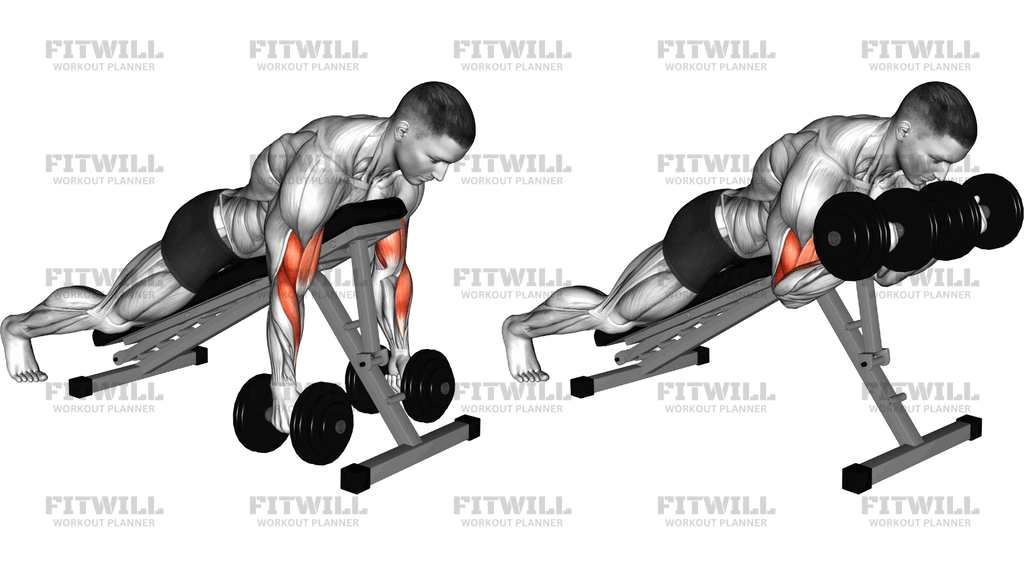
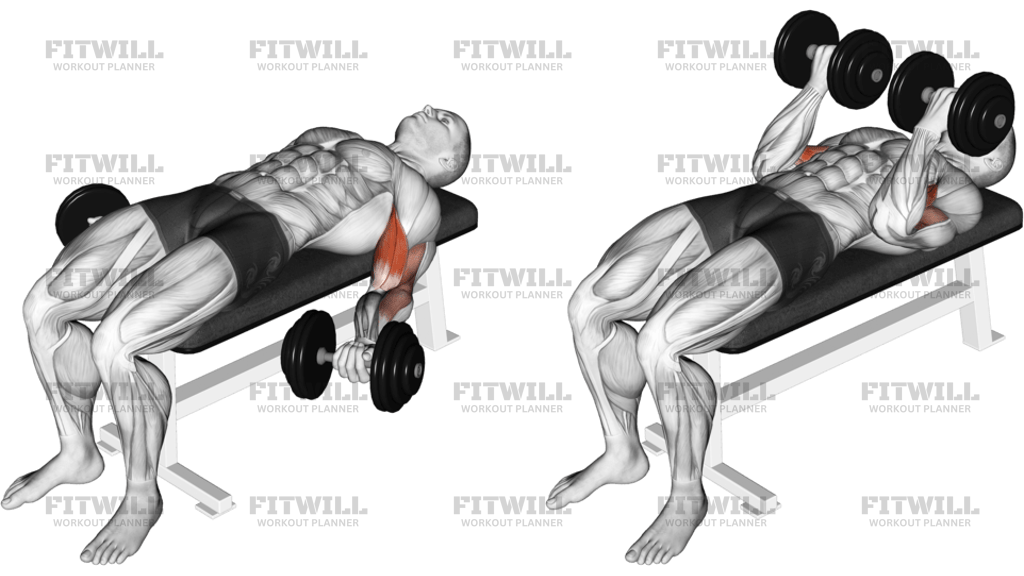
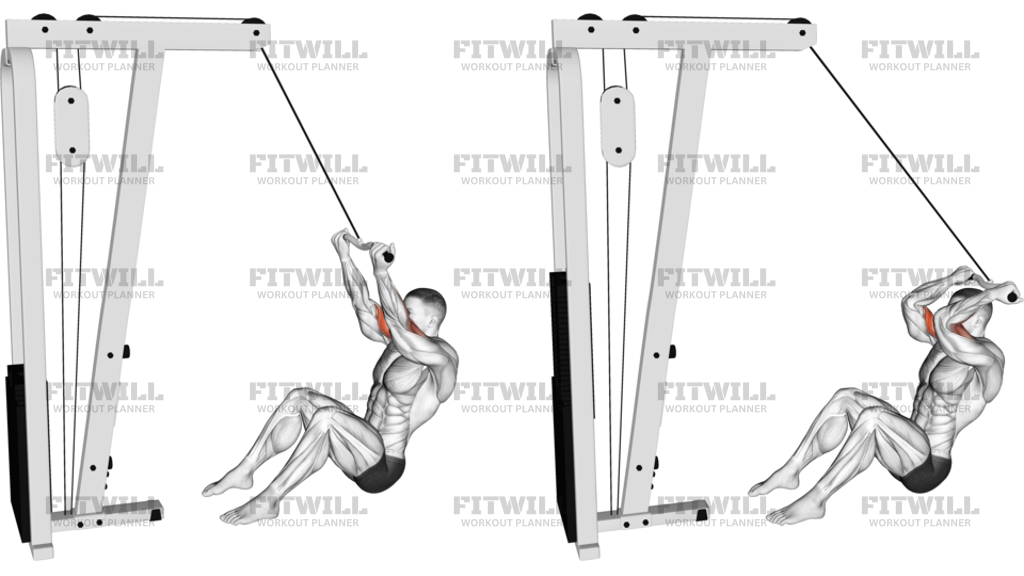
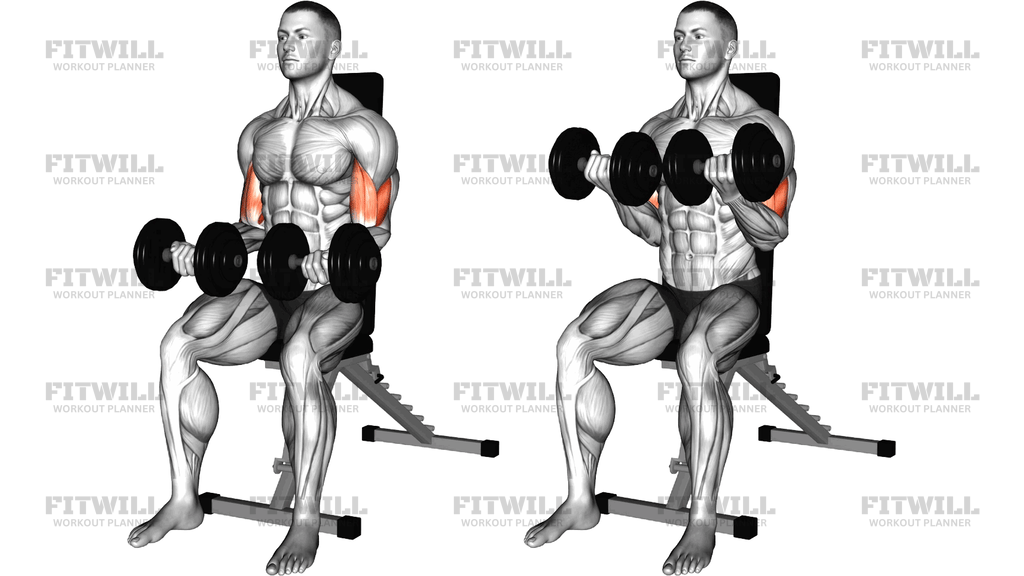
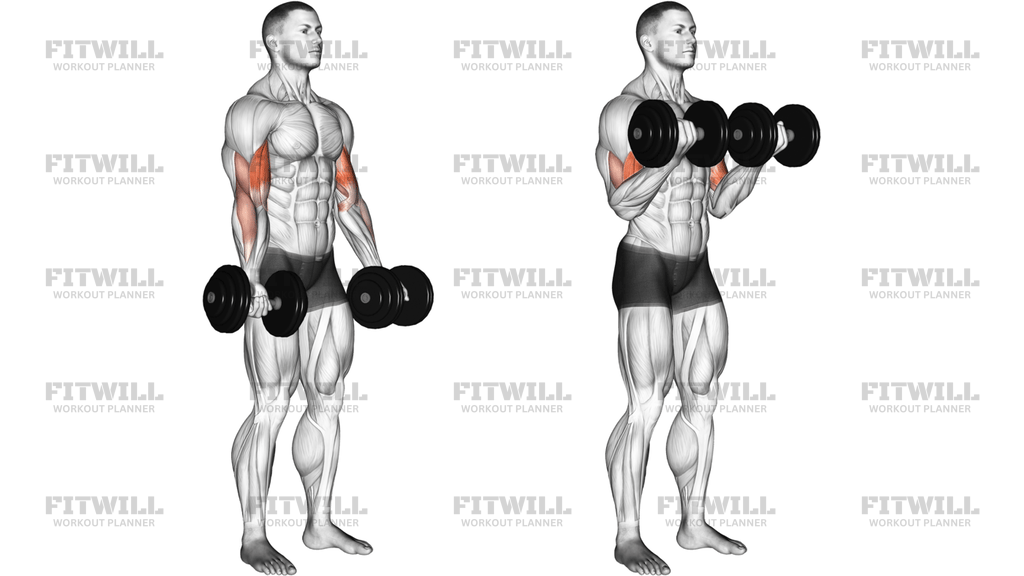
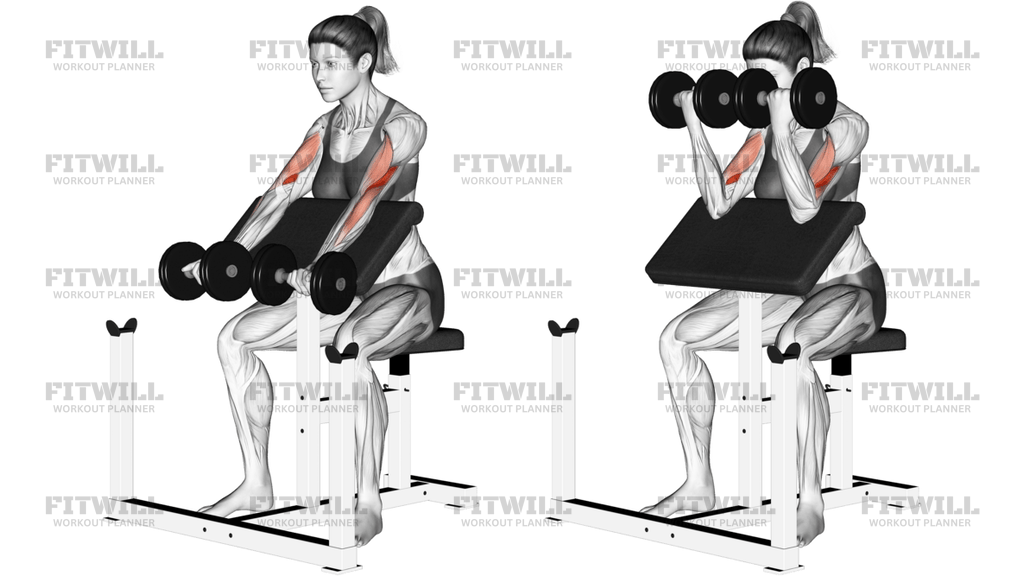
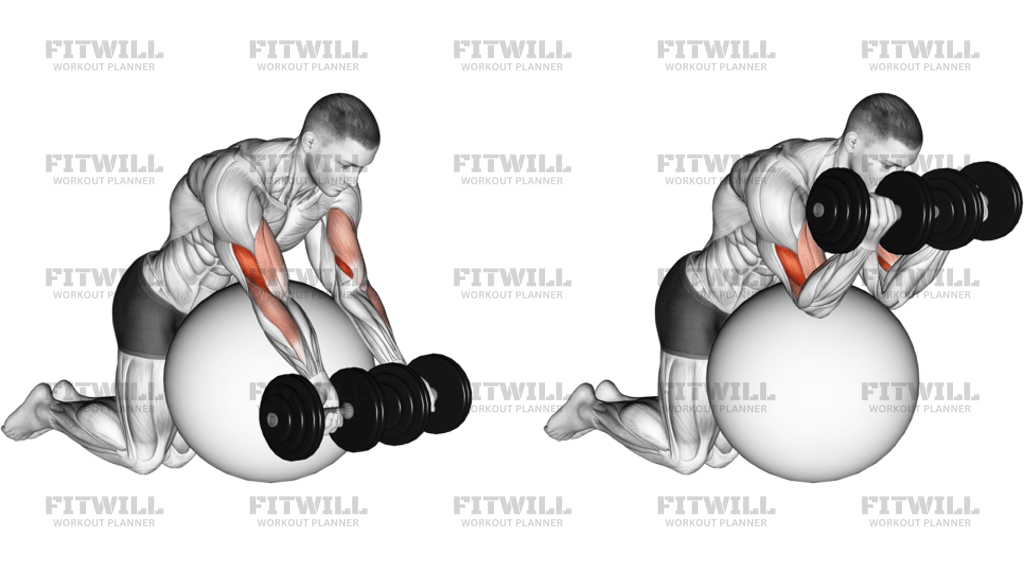
Dumbbell Preacher Curl Over Exercise Ball is a supported biceps curl done with your chest and upper arms draped over a stability ball while the dumbbells hang below you. The ball removes most of the body swing that usually turns curling into a cheat movement, so the biceps have to do the work through a cleaner elbow flexion path. It is a useful choice when you want strict arm training without relying on momentum from the hips, shoulders, or lower back.
This variation primarily trains the biceps, with the brachialis, brachioradialis, and forearm flexors assisting during the pull and the lowering phase. Because your upper arms are supported by the ball, the exercise keeps the elbow joint in a fixed relationship to the torso and makes the top and bottom positions easier to feel. That makes it especially helpful for learning strict curl mechanics, adding focused arm volume, or finishing an upper-body session with controlled tension.
The setup matters more here than with a standing curl. Your chest should stay planted into the ball, your knees should stay on the floor, and your upper arms should rest against the ball so the dumbbells can hang freely. If the ball is too far forward, your shoulders take over; if it is too low, the curl loses its preacher position and becomes a loose bent-over curl. A stable ball height lets you keep the elbows in place while the forearms travel.
Curl the dumbbells toward your shoulders without letting the upper arms slide off the ball or the elbows drift backward. Squeeze hard at the top, then lower the weights slowly until the arms are almost straight and the biceps are fully lengthened. The return phase should stay deliberate, because the support from the ball makes it easy to rush the negative and lose the training benefit.
Use this exercise for strict arm hypertrophy work, technique practice, or as an accessory movement after your bigger presses and pulls. It is suitable for beginners if the load is light and the ball feels stable, but the position can become awkward fast if the dumbbells are too heavy or the ball is underinflated. Keep the movement smooth, use a controlled range, and stop the set when your shoulders, wrists, or lower back start helping more than your biceps.
[ Workout Log & Planner ]
Put your next workout in Fitwill
Keep your plan and training log ready when you are.


Instructions
- Kneel on the floor behind a stability ball and drape your chest and upper arms over the top so your shoulders are above the ball.
- Hold a dumbbell in each hand with your palms facing up and let your arms hang straight toward the floor, keeping the elbows anchored against the ball.
- Set your feet and knees wide enough that the ball feels stable, then lightly brace your abs and glutes so your torso does not roll forward.
- Start with the dumbbells below shoulder level and the wrists stacked over the forearms instead of bent back.
- Curl both dumbbells toward the front of your shoulders without letting the upper arms lose contact with the ball.
- Squeeze the biceps at the top for a brief pause while keeping the elbows in the same spot.
- Lower the dumbbells slowly until the arms are almost fully straight and the biceps are stretched but not yanked loose.
- Breathe out as you curl up and breathe in as you lower, keeping the chest and hips still against the ball throughout the set.
Tips & Tricks
- Place the ball high enough that your upper arms can rest on it; if you are reaching too far down, the shoulders will start doing the work.
- Keep your palms turned up the whole time instead of letting the dumbbells rotate into a hammer-curl grip.
- Do not let your elbows slide forward off the ball on the way up, or the movement turns into a front-shoulder lift.
- Use a lighter pair of dumbbells than you would for a standing curl because the unsupported bottom position is harder on the forearms and wrists.
- Think about moving only at the elbow joint; your chest, ribs, and hips should stay glued to the ball.
- Lower for a slow count so the biceps stay loaded through the full length of the curl.
- If the ball feels unstable, move it closer to a wall or use a slightly firmer inflation before adding weight.
- Keep your wrists straight at the top instead of letting them fold back toward the forearms.
- Stop the set when you start shrugging or swinging your shoulders to finish the rep.
Frequently Asked Questions
What does Dumbbell Preacher Curl Over Exercise Ball train most?
It mainly trains the biceps, with the brachialis and brachioradialis assisting during the curl and lowering phase.
Why use an exercise ball instead of a preacher bench?
The ball gives you a similar supported curl position while adding a balance challenge and making setup easier when a preacher bench is not available.
Where should my upper arms be on the ball?
Your upper arms should rest against the top of the ball so the elbows stay fixed and the dumbbells can hang freely below you.
Should I keep my palms facing up the whole set?
Yes. A supinated grip keeps the exercise in a true preacher-curl pattern and shifts more work to the biceps.
How heavy should the dumbbells be?
Use a load that lets you curl without sliding off the ball, arching your back, or turning the movement into a swing.
What is the most common mistake in this movement?
The biggest mistake is letting the elbows drift off the ball, which reduces biceps tension and turns the rep into a loose bent-over curl.
Can beginners do this exercise safely?
Yes, if they start light and make sure the ball is stable before curling. A wall behind the ball can help during early practice.
What should I feel at the bottom of the rep?
You should feel a strong stretch in the biceps and forearms, but not a sharp pull in the shoulders or elbows.
How do I make this harder without cheating?
Slow the lowering phase, add a brief squeeze at the top, or use a small load increase while keeping the upper arms pinned to the ball.