Single Leg Squat Pistol
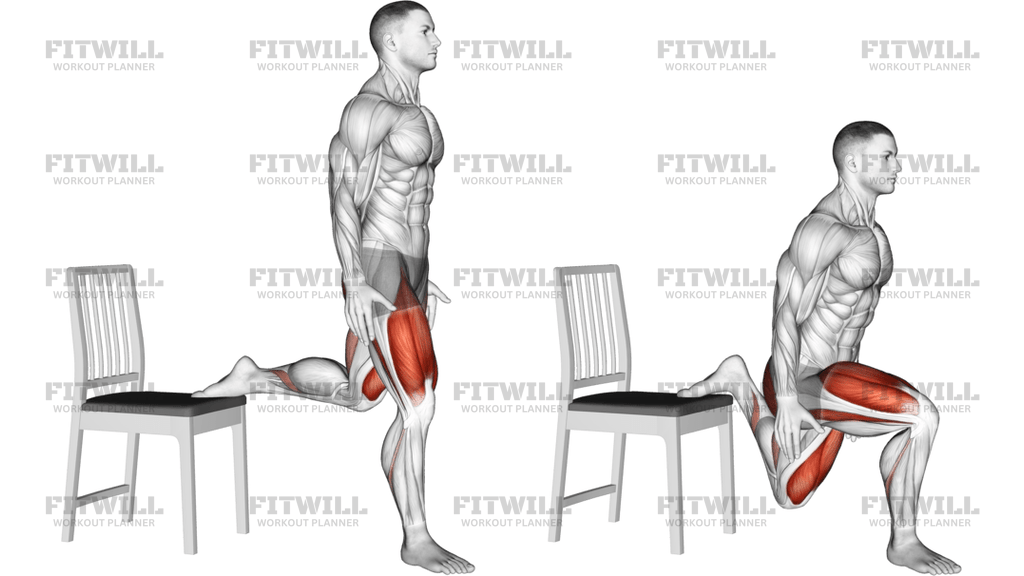
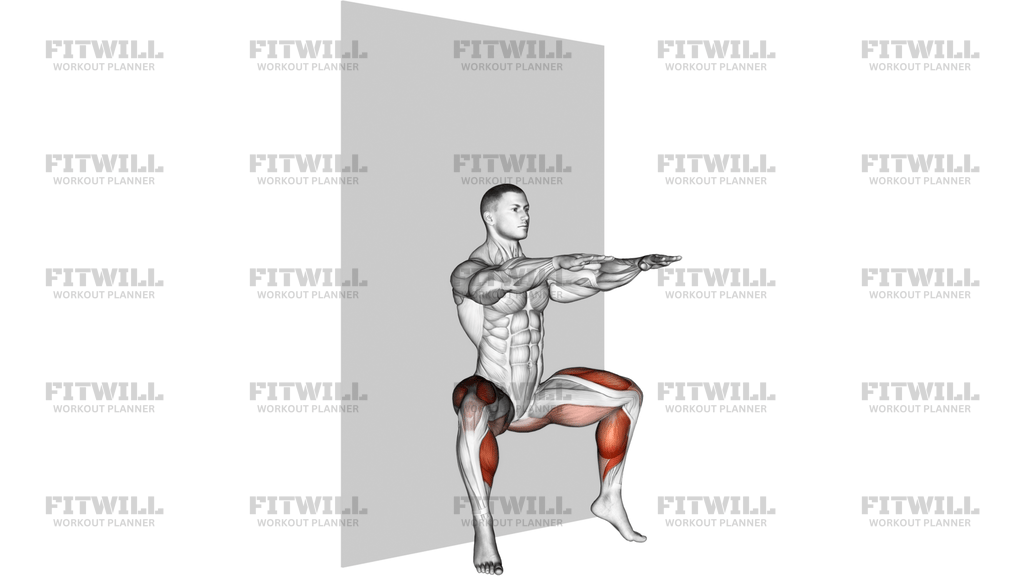
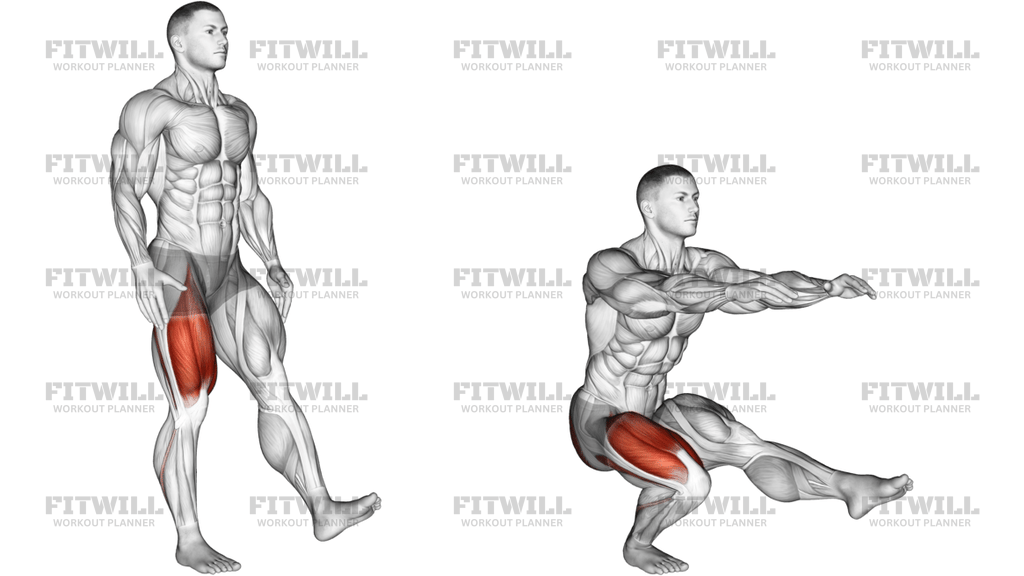
Single Leg Squat (pistol) is a bodyweight squat performed on one leg while the other leg stays lifted in front of you. It builds quad strength, hip control, ankle mobility, and balance at the same time, which is why the movement is useful for athletes and anyone who wants a harder squat pattern without adding external load. The picture shows the classic pistol setup: torso tall, arms reaching forward for counterbalance, and the free leg extended straight ahead so the working leg has to control the full descent and drive back up alone.
The main reason this exercise feels so demanding is that it asks the standing leg to manage depth, knee tracking, and balance without help from the other foot. That means the rep is only useful when the whole chain stays organized. The standing foot should stay planted, the knee should track in line with the toes, and the pelvis should stay controlled instead of twisting or collapsing sideways. If one of those pieces breaks down, the rep usually turns into a hop, a sit-back, or a knee-dominant drop that stops training the pattern you actually want.
A good pistol squat is not about dropping straight down as low as possible. It is about owning the descent, reaching the bottom without losing tension, and standing back up without the free leg touching down or the torso folding hard forward. Most lifters need some combination of ankle mobility, hip mobility, and balance practice before they can make this look clean. That is normal. The cleanest reps usually come from a deliberate pace, a firm brace, and a forward reach through the arms to keep the center of mass over the working foot.
Use the movement as a strength drill, a squat skill builder, or a lower-body accessory when you want unilateral work and high control demands. It is especially useful when you want to expose side-to-side differences in balance, ankle motion, or hip stability. If you cannot yet perform the full range smoothly, reduce the depth with a box or bench, hold a post lightly for balance, or use a counterweight. The goal is not to force a perfect-looking bottom position; the goal is to earn the range you can own safely and repeatably.
[ Workout Log & Planner ]
Put your next workout in Fitwill
Keep your plan and training log ready when you are.


Instructions
- Stand tall on one foot with the working foot flat, toes pointed forward or slightly out, and the other leg lifted in front of you.
- Reach both arms straight out in front of your chest to help counterbalance the squat.
- Brace your trunk, keep your chest proud, and keep the standing knee soft before you start the descent.
- Sit the hips back and bend the standing knee at the same time, lowering under control instead of dropping straight down.
- Keep the free leg extended in front of you without letting it touch the floor on the way down.
- Lower as deep as you can while keeping the heel planted, the knee tracking over the toes, and the torso controlled.
- Pause briefly at the bottom if you can maintain position, then drive through the midfoot and heel to stand back up.
- Finish tall on the same foot, reset your balance, and repeat for the planned reps before switching sides.
Tips & Tricks
- Keep the arms reaching forward, not hanging down, because they act as a counterweight and make the descent much easier to control.
- If the heel starts to lift, stop the set or reduce depth; the pistol squat should not turn into a toe-balance drill.
- Let the free leg stay long in front of you instead of tucking it behind the working leg, which usually pulls the torso off balance.
- Think about pushing the knee outward in line with the second or third toe so it does not cave inward as fatigue builds.
- Use a box, bench, or target under you if full depth causes a hard pelvic tuck or a collapse out of the bottom.
- A slow descent exposes weak links better than a fast drop; control the bottom instead of chasing speed.
- If balance is the limiter, lightly touch a rack or doorway for assistance rather than turning the rep into a hop.
- Stop the set when the standing foot starts to twist, the free leg touches down, or the torso has to fling forward to get up.
Frequently Asked Questions
What muscles do pistol squats work most?
They primarily train the quadriceps, with strong help from the glutes, adductors, calves, and core for balance and control.
Why are the arms held straight out in front?
The forward reach acts as a counterbalance so your hips can sit back while the standing foot stays planted.
How deep should I go on a pistol squat?
Go only as deep as you can while keeping the heel down, the knee tracking cleanly, and the pelvis from tucking hard under.
Can beginners do pistol squats?
Yes, but most beginners should start with a box, assisted version, or partial range before trying a full unsupported rep.
What is the most common mistake?
People usually either collapse the knee inward or lose balance and turn the rep into a fast drop with no control.
What if my free leg keeps touching the floor?
Reduce depth or use a box so the non-working leg can stay lifted the whole rep without cheating the bottom position.
Why do pistol squats feel limited by ankle mobility?
The standing ankle has to allow the knee to travel forward while the heel stays down; limited ankle motion often blocks that path.
What is a good regression if I cannot balance yet?
Hold a post lightly, use a suspension strap, or squat to a box so you can practice the same pattern with less balance demand.