Neck Extension Stretch
Neck Extension Stretch is a standing mobility drill for the front of the neck, especially the sternocleidomastoid and nearby tissues along the throat and upper cervical area. The image shows an upright stance with the chest open and the head tipped back, so the goal here is a controlled neck extension stretch rather than a loaded strength movement. It is useful when the front of the neck feels tight from desk work, driving, overhead training, or any session where you spend a lot of time looking down.
The setup matters because the stretch changes quickly if the ribs flare or the lower back takes over. Stand tall with your feet planted, soften your knees, and keep your pelvis and ribcage stacked before you move your head. The neck should be the main moving segment, not the whole spine. That keeps the stretch focused in the front of the neck instead of turning it into a backbend.
As you move, guide the chin up and away from the chest until you feel a strong but tolerable stretch in the front of the neck. The shoulders stay down and the jaw stays relaxed. You should be able to breathe slowly through the hold without gripping the throat or pressing into pain. Small, steady changes are better than throwing the head back for a bigger range.
Use this stretch after training, between upper-body sets, or as part of a warm-up when you want better neck motion and less anterior neck stiffness. It can also pair well with chin tucks and upper-back mobility work when you need to restore balanced neck posture. Treat it as a controlled mobility drill: short, repeatable holds, no bouncing, and no forcing through sharp pinching at the base of the skull.
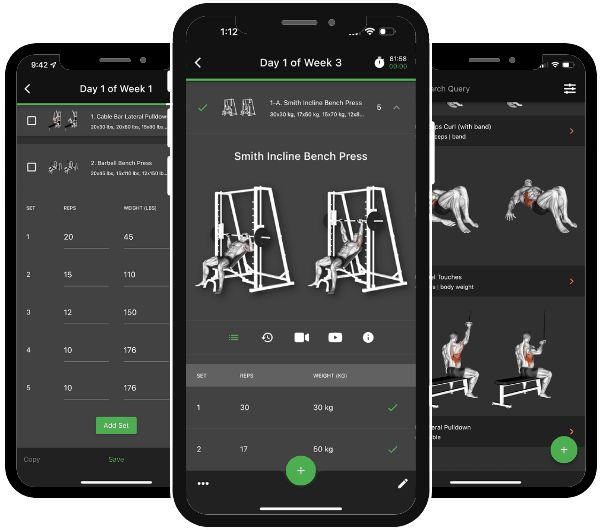
Fitwill
Log Workouts, Track Progress & Build Strength.
Achieve more with Fitwill: explore over 5000 exercises with images and videos, access built-in and custom workouts, perfect for both gym and home sessions, and see real results.
Start your journey. Download today!


Instructions
- Stand tall on the mat with your feet about hip-width apart and your arms relaxed by your sides.
- Stack your ribs over your pelvis and keep your chest lifted without arching your low back.
- Set your jaw and tongue relaxed, then slowly tip your head back to start lengthening the front of the neck.
- Let the chin travel upward until you feel a clear stretch across the front of the throat and upper neck.
- Keep the shoulders down and avoid shrugging as the neck opens into extension.
- Hold the top position for a slow breath or two while keeping the stretch smooth and pain-free.
- Do not force the head farther back once you reach a useful range; keep the motion controlled.
- Bring the head back to neutral slowly and reset your posture before the next repetition.
Tips & Tricks
- Think about lifting the chin, not cranking the skull backward.
- Keep the ribs stacked so the stretch stays in the neck instead of turning into a standing backbend.
- A small range held cleanly is better than forcing a big range and compressing the upper spine.
- If the front of the throat feels pinchy, reduce the range and make the movement slower.
- Keep the shoulders heavy so the upper traps do not take over the stretch.
- Breathe through the hold to help the neck soften instead of bracing against the position.
- Use this after long periods of looking down to open the front of the neck and upper chest.
- Stop the stretch if you feel dizziness, sharp pain, or numbness.
Frequently Asked Questions
What does the Neck Extension Stretch target?
It mainly stretches the front of the neck, including the sternocleidomastoid area and nearby tissues.
Should I feel this in my throat or under my jaw?
A mild stretch through the throat and under the jaw is normal, but it should never feel sharp or compressed.
Do I need to arch my back to do this stretch?
No. Keep your ribs stacked and let the neck move, otherwise the stretch shifts into a standing backbend.
Can I do this standing without equipment?
Yes. The image shows a standing bodyweight version, so you can do it anywhere with enough space to tip the head back safely.
How long should I hold each repetition?
Short holds of one to several slow breaths work well because they keep the stretch controlled instead of forcing range.
What is the most common mistake with this stretch?
People usually throw the head back too far or flare the ribs, which turns the drill into neck compression.
Is this a good stretch after desk work?
Yes, it can help open the front of the neck after long periods of looking down at a screen or phone.
What should I do if I feel dizziness or pinching?
Come out of the stretch immediately and use a smaller range or skip the movement until it feels comfortable again.