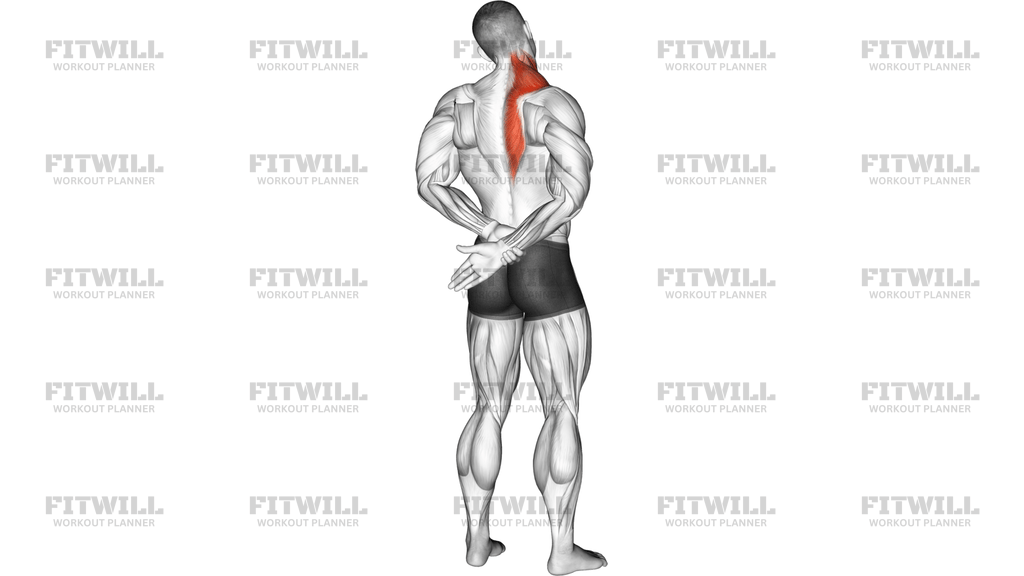
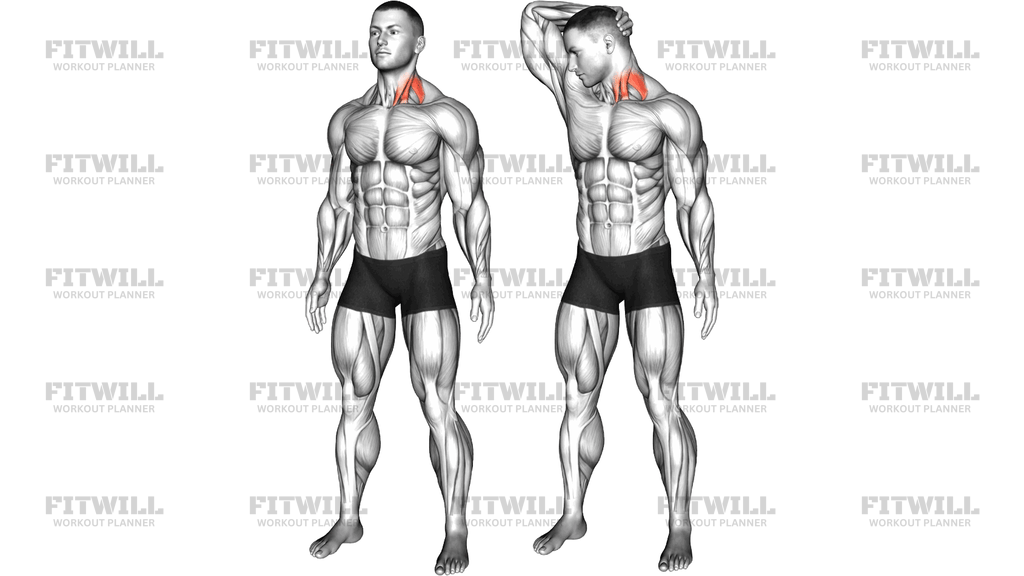
Sitting Neck Flexion Stretch
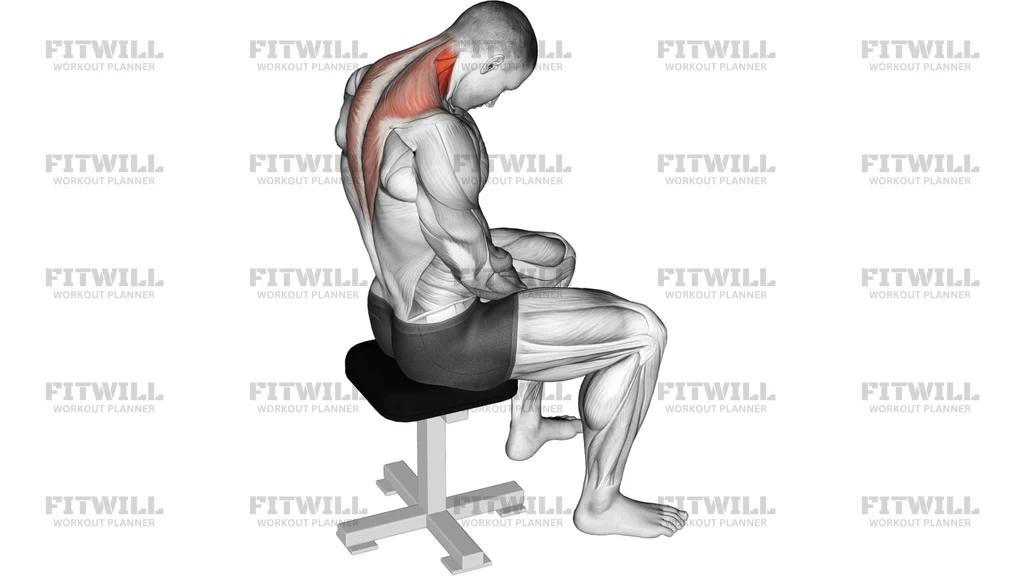
Sitting Neck Flexion Stretch is a seated mobility drill for the neck and the tissues along the back of the upper spine. It is usually performed with no load, using body weight and a stable seat or mat to create a gentle stretch while the head drops forward. The value of the exercise comes from the quality of the setup, because a small change in torso position or shoulder tension can turn a useful neck stretch into a sloppy slump.
The main goal is to lengthen the muscles at the back of the neck while keeping the rest of the body calm. A good repetition feels controlled, not forced, and the stretch should build gradually as the chin moves toward the chest. The shoulders, jaw, and hands should stay relaxed so the neck can do the work without extra tension leaking into the upper traps.
Sitting Neck Flexion Stretch is often used after upper-body training, during a cool-down, or as a brief reset between periods of desk work. Sitting tall on a mat, bench, or firm seat with the feet planted gives you enough stability to focus on the neck instead of balancing your whole body. That seated base also makes it easier to keep breathing steadily and avoid pulling the head deeper than the tissues are ready for.
The stretch should come from a smooth nod forward, not from collapsing the chest or rolling the shoulders forward. Keep the movement small enough that the back of the neck opens without pinching at the base of the skull. If you feel dizziness, sharp pain, tingling, or a strong pull into the jaw, back off immediately and reduce the range.
Used well, Sitting Neck Flexion Stretch is a simple way to unload the neck and restore a little motion after long periods of looking up, bracing hard, or holding a fixed posture. It is friendly for beginners because it does not require equipment skill, but it still rewards careful setup and calm breathing. The best results come from repeatable, pain-free positioning rather than trying to force a bigger range of motion. It also works well as a quick reset between upper-body sets when the neck feels locked up.
[ Workout Log & Planner ]
Put your next workout in Fitwill
Keep your plan and training log ready when you are.


Instructions
- Sit on a mat, bench, or firm seat with both feet flat on the floor and your hands resting lightly on your thighs.
- Lengthen through the spine first, then tuck the chin slightly so the back of the neck stays long before you move deeper.
- Exhale and let the head nod forward until the chin moves toward the upper chest without collapsing the rib cage.
- Keep the shoulders down and the jaw relaxed so the stretch stays in the neck instead of turning into a shrug.
- Let your hands stay passive on your thighs or knees; do not pull the head down.
- Pause at the first point of strong but comfortable tension along the back of the neck and upper shoulders.
- Breathe slowly into the ribs while holding the stretch, keeping the motion still and controlled.
- Inhale and lift the head back to neutral by stacking the neck over the shoulders rather than snapping it up.
- Reset your posture before the next repetition or before standing up.
Tips & Tricks
- Think about making the back of your neck long before you lower the chin.
- If the shoulders creep upward, slide the hands lower on the thighs and let the traps soften.
- A small nod is enough; forcing the chin hard toward the chest can irritate the base of the skull.
- Keep the chest open enough that the stretch stays in the neck, not in a rounded low-back slump.
- Do not use the hands to pull the head lower unless a clinician has specifically told you to do so.
- Long exhales help the neck relax, especially if you tend to brace your jaw or shrug when stretching.
- If you feel tingling, dizziness, or a sharp pinch, reduce the range immediately and come back to neutral.
- A bench or firm seat usually gives more control than a soft couch or unstable chair.
Frequently Asked Questions
What does Sitting Neck Flexion Stretch target?
It mainly stretches the muscles along the back of the neck, with some release through the upper traps and upper back.
Should I sit on a bench or on the floor for Sitting Neck Flexion Stretch?
Either works as long as you can keep both feet planted and stay steady. A firm bench or chair often makes it easier to keep the torso organized.
Am I supposed to pull my head down with my hands?
No. Let the chin drop under control and keep the hands light on the thighs or knees so the stretch stays gentle.
How far should my chin move during Sitting Neck Flexion Stretch?
Only as far as you feel a clear stretch without pinching at the base of the skull. A small range is usually enough.
What is the most common mistake with Sitting Neck Flexion Stretch?
People usually collapse the whole torso instead of moving just the neck. Keep the spine tall and let the head nod forward on its own.
Is Sitting Neck Flexion Stretch good after upper-body training?
Yes. It works well after lifting, especially if your neck and upper shoulders feel tight from pressing, pulling, or long periods of bracing.
Can beginners do Sitting Neck Flexion Stretch safely?
Usually yes, because it is a low-skill stretch. Start with a very small range and stop if you feel sharp pain, dizziness, or tingling.
How long should I hold Sitting Neck Flexion Stretch?
Short holds of 15 to 30 seconds are usually enough, especially when you are using it to relax the neck after training or desk work.