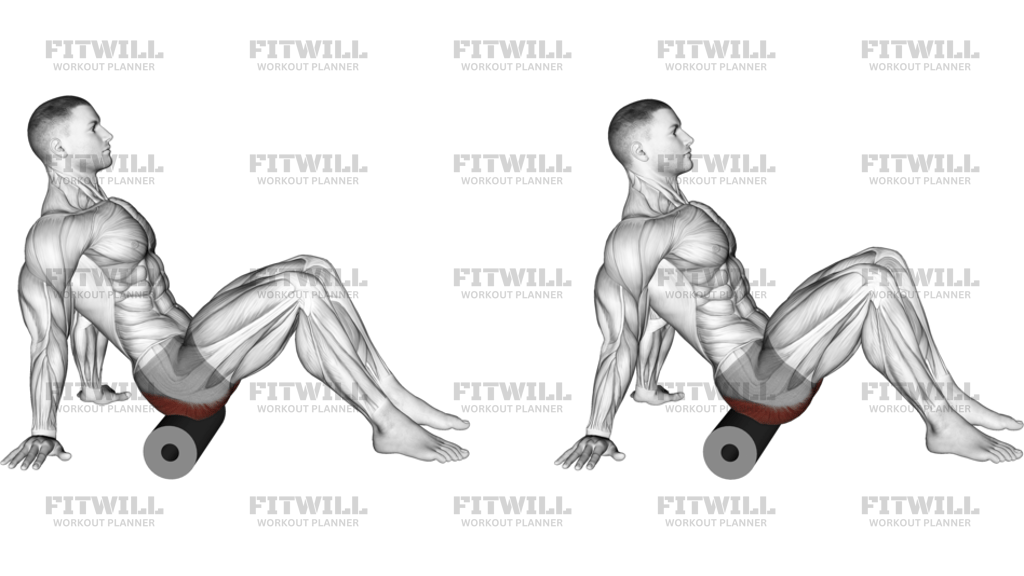
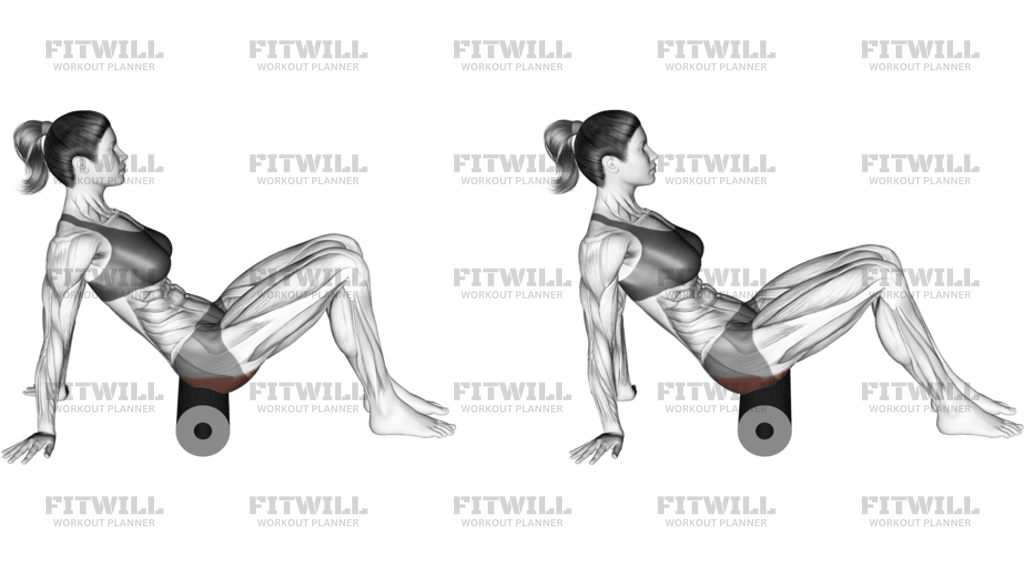
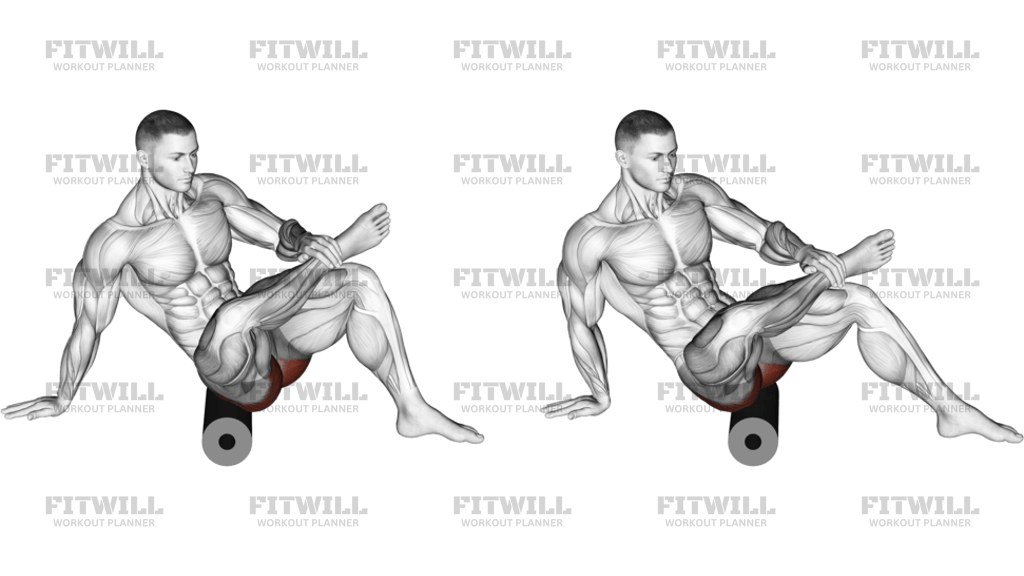
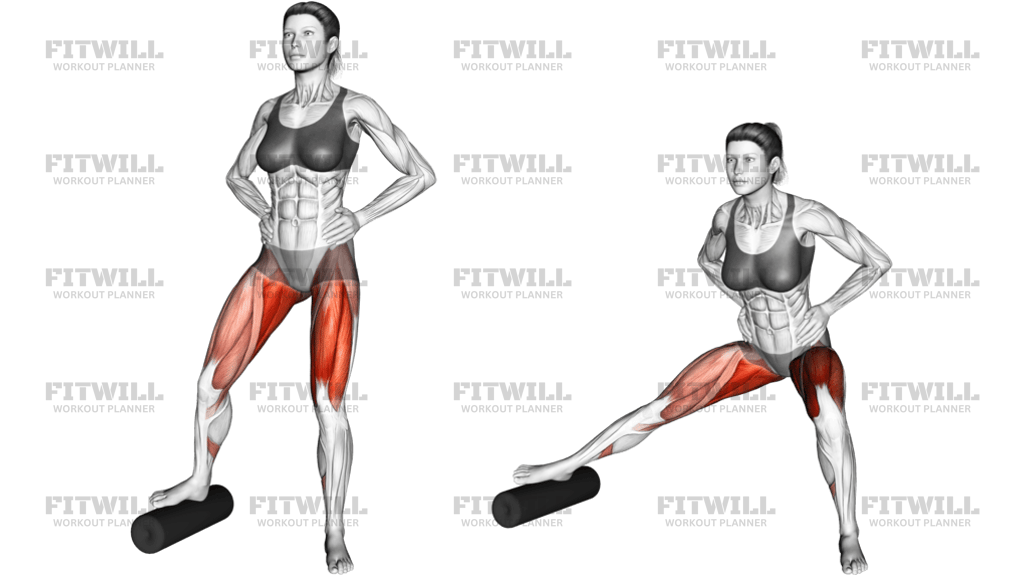
Roll Hip Thrust
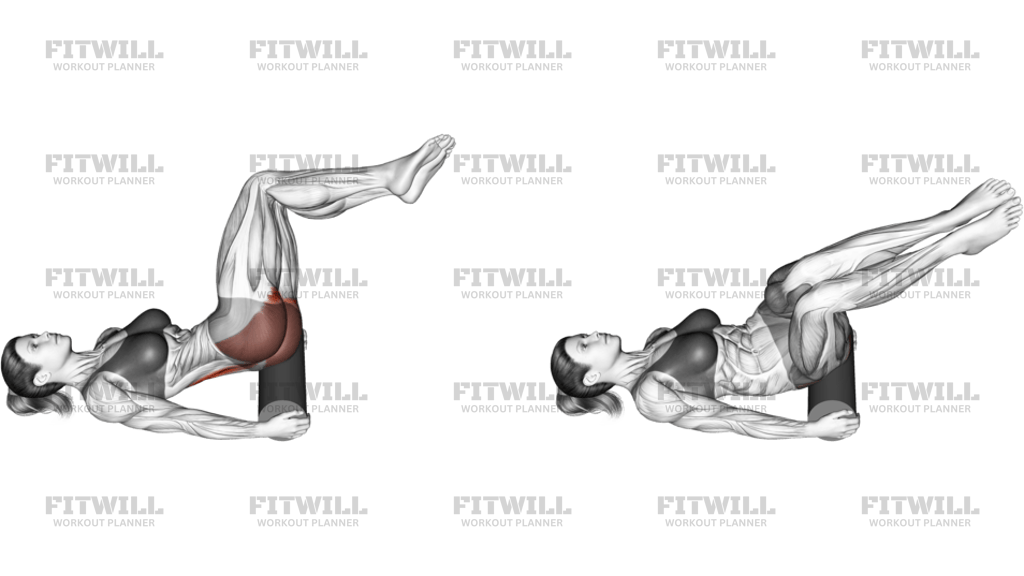
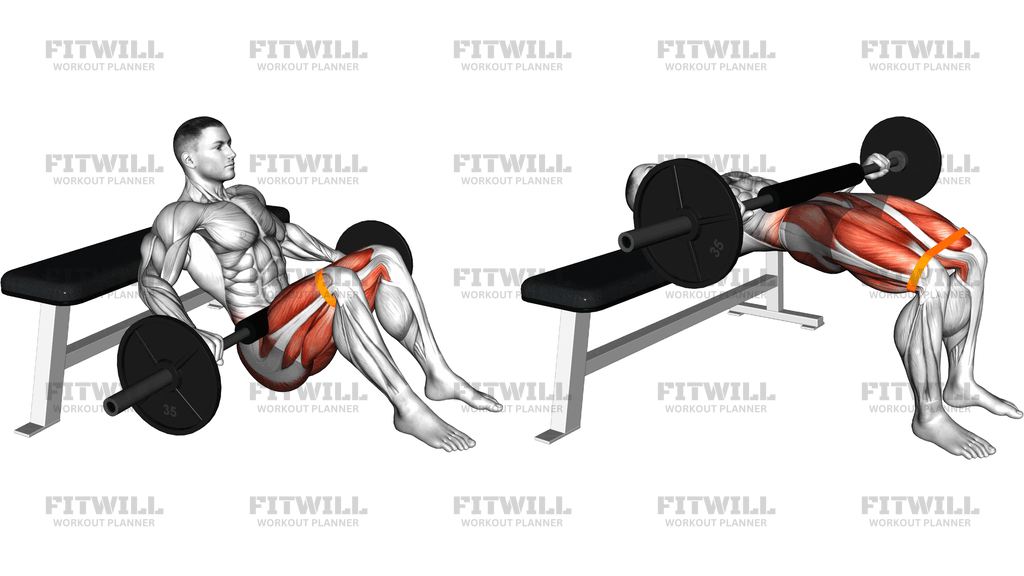
Roll Hip Thrust is a foam-roller-supported bridge pattern that trains hip extension with a strong glute emphasis. The roller sits across the upper back or lower shoulder blades, so your torso can move freely while the hips travel through a controlled thrusting arc. That setup lets you load the glutes and hamstrings without turning the rep into a low-back hinge or an uncontrolled bounce.
The exercise is most useful when you want the glutes to do the work while the ribs and pelvis stay organized. In anatomy terms, the main effort comes from the Gluteus maximus, with the hamstrings, rectus abdominis, and erector spinae helping stabilize the position. Because the torso is supported by the roll, the quality of the set depends on how well you keep the feet planted, the neck relaxed, and the pelvis moving smoothly.
Start by placing the foam roll under the upper back, then bend the knees and set both feet flat so the shins are roughly vertical at the top. The hands can support the head lightly, but they should not pull the neck forward. From there, drive the hips up until the thighs and torso form a strong line, then pause and lower under control before the next rep. The best repetitions feel deliberate, not explosive, and the top position should come from glute contraction rather than over-arching the lower back.
This is a good option for warmups, accessory work, or targeted glute sessions when you want a bridge variation with more range and more demand on pelvic control than a floor glute bridge. Beginners can use it comfortably as long as they keep the range manageable and the feet stable. If the hips drift, the ribs flare, or the lower back takes over, shorten the range and slow the tempo until the pattern feels clean.
Treat every rep as a controlled press through the feet followed by an equally controlled return. The goal is to keep the pelvis level, the knees tracking in line with the toes, and the glutes doing the finishing work at the top. When those pieces stay in place, the exercise becomes a reliable way to build posterior-chain strength, hip extension control, and better bridge mechanics.
[ Workout Log & Planner ]
Put your next workout in Fitwill
Keep your plan and training log ready when you are.


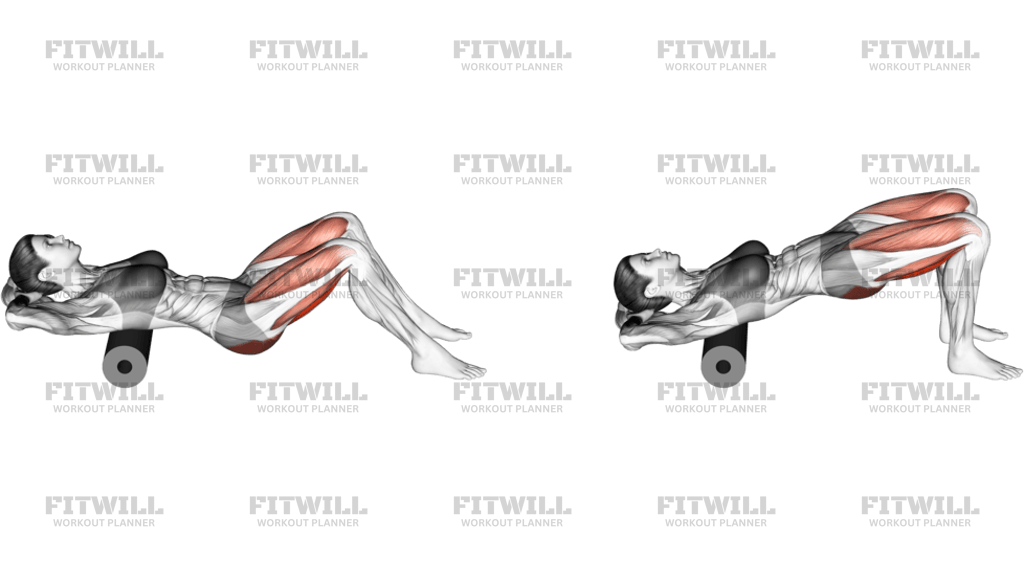
Instructions
- Place a foam roller across your upper back or lower shoulder blades, then sit in front of it with your knees bent and feet flat on the floor.
- Lean back so your torso is supported on the roller and lightly cradle the back of your head with your hands without pulling on your neck.
- Set your feet about hip-width apart and adjust them so your shins are close to vertical when your hips are lifted.
- Brace your midsection and keep your ribs stacked over your pelvis before the first rep.
- Press through your heels and drive your hips upward until your knees, hips, and shoulders form a strong line.
- Squeeze the glutes at the top for a brief pause without over-arching your lower back.
- Lower your hips under control until you feel the glutes lengthen and the torso settles back onto the roller.
- Breathe out on the lift, inhale on the way down, and repeat for the planned number of reps.
Tips & Tricks
- If you feel the movement mostly in your low back, shorten the top range and keep your ribs down.
- Move the feet farther from your hips if the hamstrings cramp; bring them closer if the lift feels too quad-dominant.
- Keep the chin slightly tucked so the head stays in line with the torso instead of jutting forward.
- Do not shove the roller into the neck; it should support the upper back, not sit under the cervical spine.
- Think about pushing the floor away through both heels at the same time to keep the pelvis level.
- A small pause at the top is better than bouncing through quick reps that lose glute tension.
- Use a smooth lowering phase so the hips do not drop and rebound off the roller.
- Stop the set if your knees cave inward or your hips twist because the roller setup magnifies those errors.
Frequently Asked Questions
What muscles does Roll Hip Thrust work most?
It primarily targets the glutes, with the hamstrings and core assisting to stabilize the bridge position.
Can beginners perform this exercise?
Yes. Beginners usually do well with a short range of motion and a slow tempo until the roller setup feels stable.
Where should the foam roller sit during the rep?
It should support the upper back or lower shoulder blades, not the neck or the lower back.
Why are my hamstrings taking over?
Your feet may be too far from your hips or you may be pushing through the toes. Adjust the stance and drive through the heels.
Should I feel this in my lower back?
No, the lower back should stay braced while the glutes do most of the lifting. If your back is taking over, reduce the range and keep the ribs down.
Can I do this as a warm-up or only as strength work?
It works well in both settings. Use lighter, slower reps for warm-up work and add a harder squeeze or longer pause for accessory sets.
Do I need to pull on my head for support?
No. The hands should only support the head lightly; pulling with the arms usually flares the ribs and strains the neck.
How do I make the exercise harder?
Use a longer pause at the top, slow the lowering phase, or add resistance only after the bridge mechanics stay clean.