Cable Seated Twist On Floor
Cable Seated Twist On Floor is a floor-based cable core exercise that trains the obliques through controlled trunk rotation. Sitting on the floor removes most lower-body assistance, so the torso has to create and resist the turning force while the hips and legs stay quiet. That makes it useful for building rotational strength, anti-rotation control, and more precise core tension than a standing twist that can easily turn into a full-body swing.
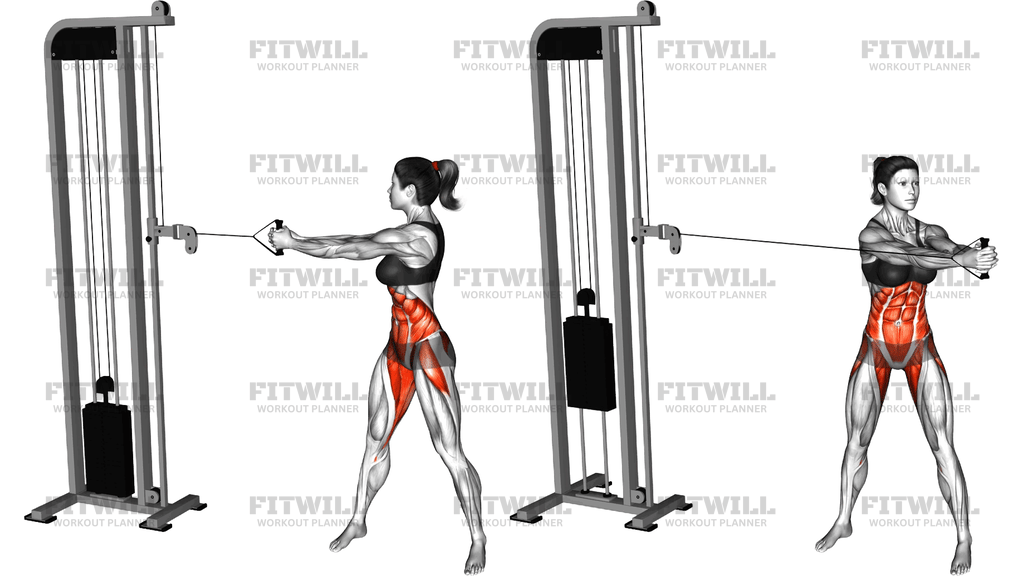
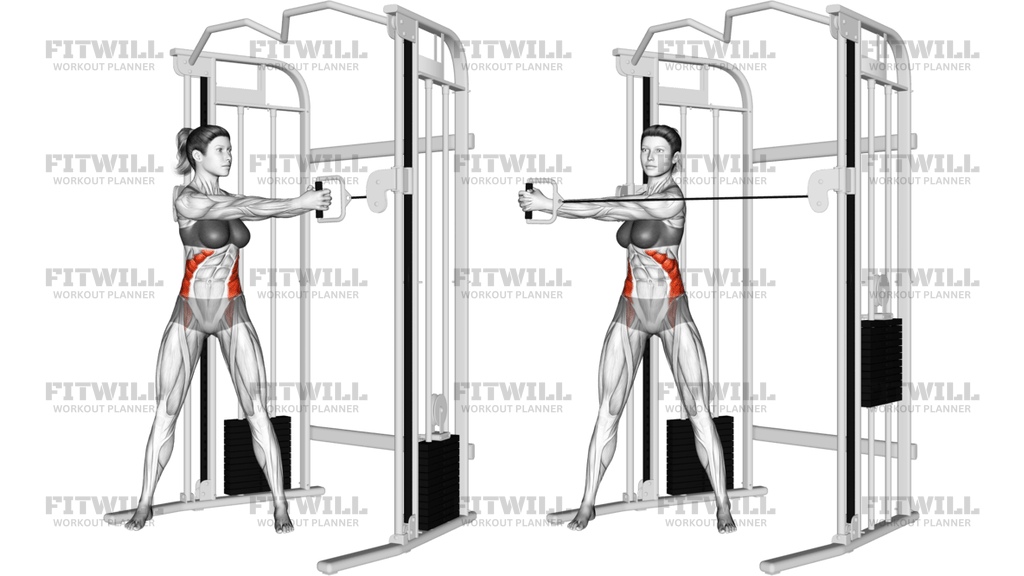
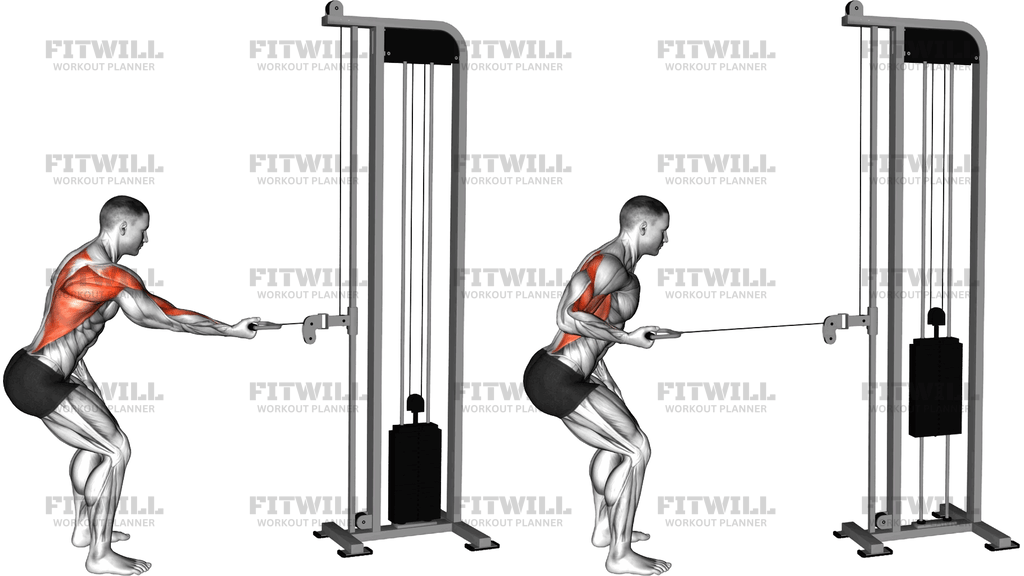
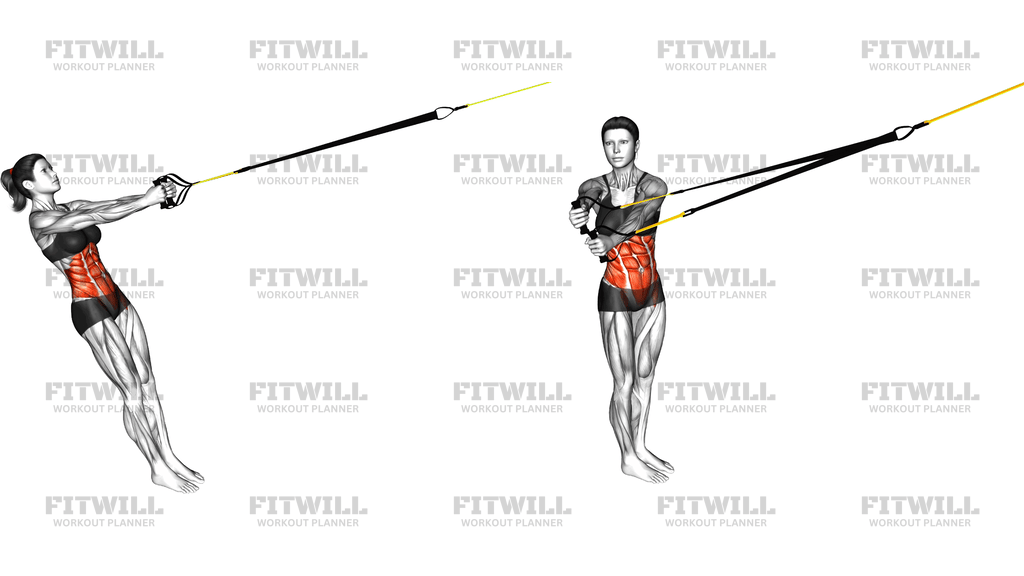
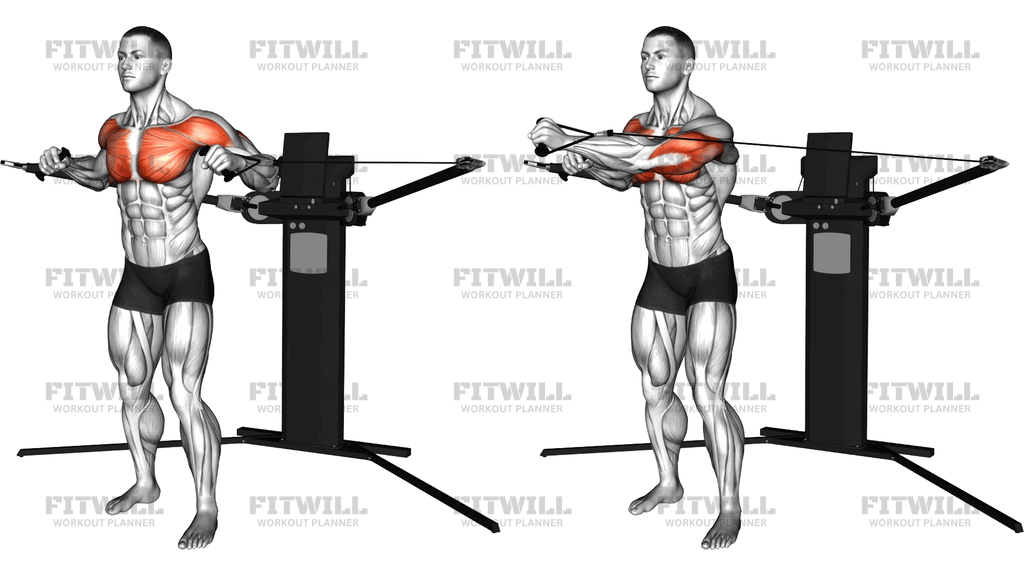
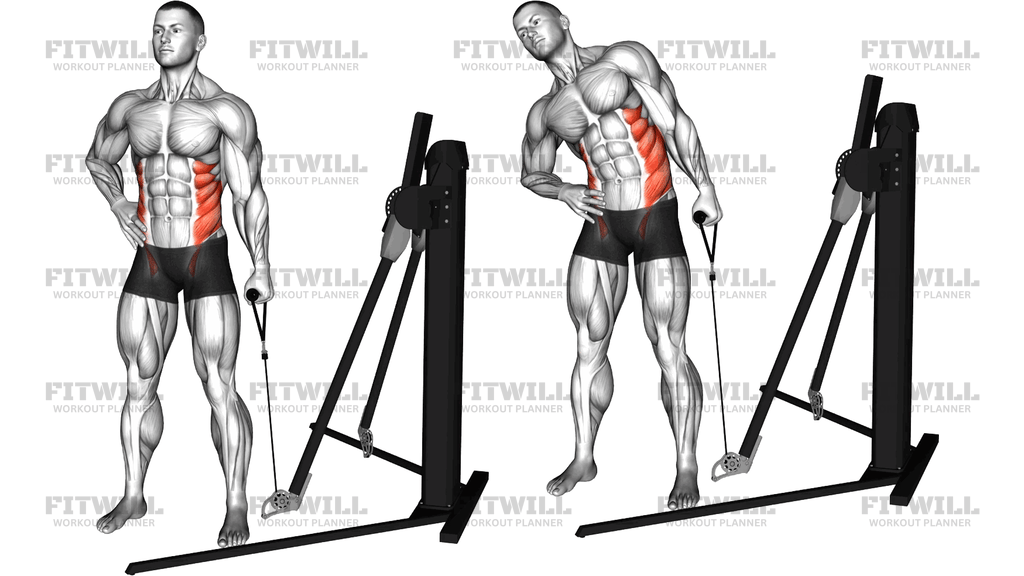
The image shows a handle attachment used with the cable set at about chest height, with the arms held long in front of the body. From that position, the torso rotates against the pull of the stack while the shoulders and ribcage move together. The goal is not to yank the handle with the arms, but to turn the trunk from the midsection and keep the pelvis anchored to the floor. The obliques do the main work, while the rectus abdominis, deep core, and spinal stabilizers help keep the motion clean.
Setup matters a lot here because the floor position limits how much cheat you can hide. Sit tall, organize the legs for balance, and start with the handle centered in front of the sternum before rotating. If the cable line is too high or too low, the torso will want to tilt instead of twist, which changes the stress on the waist and makes the set harder to control. A stable setup lets you feel the working side of the trunk load smoothly at the end of the turn instead of feeling a jerky pull through the shoulders.
This is a good accessory exercise for core sessions, rotational work, or any program that needs stronger oblique function without heavy spinal loading. Use it for moderate repetitions with a deliberate tempo and a controlled return to the start. Stop the set if the hips slide, the shoulders shrug, or the lower back starts taking over. The best reps feel like a smooth turn through the ribs with the handle traveling on a stable arc, not a rushed swing driven by momentum.
[ Workout Log & Planner ]
Put your next workout in Fitwill
Keep your plan and training log ready when you are.


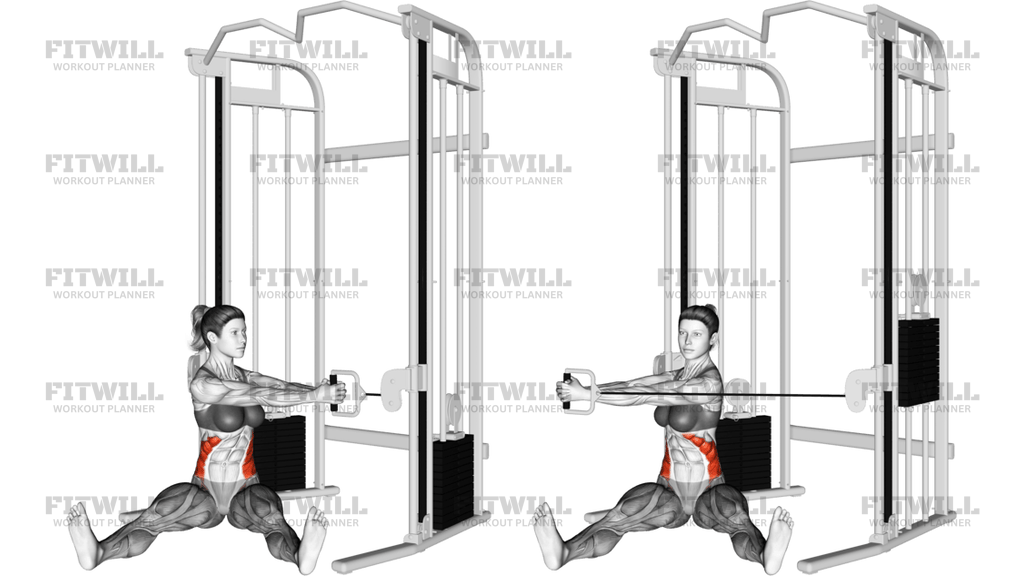
Instructions
- Attach a single handle to the cable and set the pulley around chest height, then sit on the floor facing the stack with your legs spread comfortably for balance.
- Hold the handle with both hands and extend your arms straight out in front of your chest, keeping your shoulders level and your spine tall.
- Plant your sit bones, brace your midsection, and keep your hips quiet before you start the twist.
- Rotate your torso away from the cable stack until you feel the obliques shorten and the handle travel across your body.
- Keep the arms long so the handle follows the turn instead of leading it with a curl or a shoulder pull.
- Pause for a brief squeeze at the end of the rotation without letting the hips lift or slide.
- Reverse the movement slowly and return to the start under control, resisting the cable on the way back.
- Breathe out as you twist and inhale as you come back to center.
- Repeat for the planned reps, then reset before switching sides.
Tips & Tricks
- Choose a pulley height that lines the cable up with your sternum; if it pulls up or down, the movement turns into a diagonal reach instead of a twist.
- Keep the elbows soft but the arms mostly straight so the obliques do the turning work instead of the biceps.
- Sit tall on both sit bones; if you roll back on the tailbone, the lower back will start helping too much.
- Rotate from the ribs and waist together instead of spinning only the shoulders while the pelvis stays frozen.
- Use a smaller range if the handle starts to drift off line or your torso jerks against the stack.
- A slower return usually hits the core harder than a faster twist-out, so control the eccentric phase.
- If the cable feels too heavy, shorten the lever by bringing the hands slightly closer to the chest before twisting.
- Stop the set when you cannot keep the shoulders level or you start leaning away from the machine to cheat the rep.
Frequently Asked Questions
What does Cable Seated Twist On Floor train most?
It primarily targets the obliques, with the abs and deeper core muscles helping to stabilize the torso.
Why do I need to sit on the floor instead of standing?
The floor position reduces leg drive and makes the torso do the work, which helps you isolate trunk rotation and control the cable better.
Should my arms bend during the twist?
Keep them mostly straight and let the torso turn the handle. Excess arm bend usually turns the exercise into an upper-body pull.
How far should I rotate my torso?
Twist only as far as you can while keeping the hips planted, the shoulders level, and the cable path smooth. Bigger is not better if the lower back starts taking over.
What are the most common mistakes on this exercise?
Leaning away from the stack, pulling with the arms, letting the hips slide, and swinging back too fast are the biggest form breaks.
Is this a good beginner core exercise?
Yes, if you start light and keep the twist small and controlled. Beginners should focus on stable posture before adding more load.
Can I use this as an anti-rotation drill too?
Yes. If you keep the twist short and resist the pull back to center, it becomes a strong anti-rotation core drill as well.
What should I do if I feel this in my lower back?
Reduce the load, shorten the range, and keep the ribs stacked over the pelvis. If the lower back still takes over, stop the set and reset your position.