Dumbbell Incline Bench Press
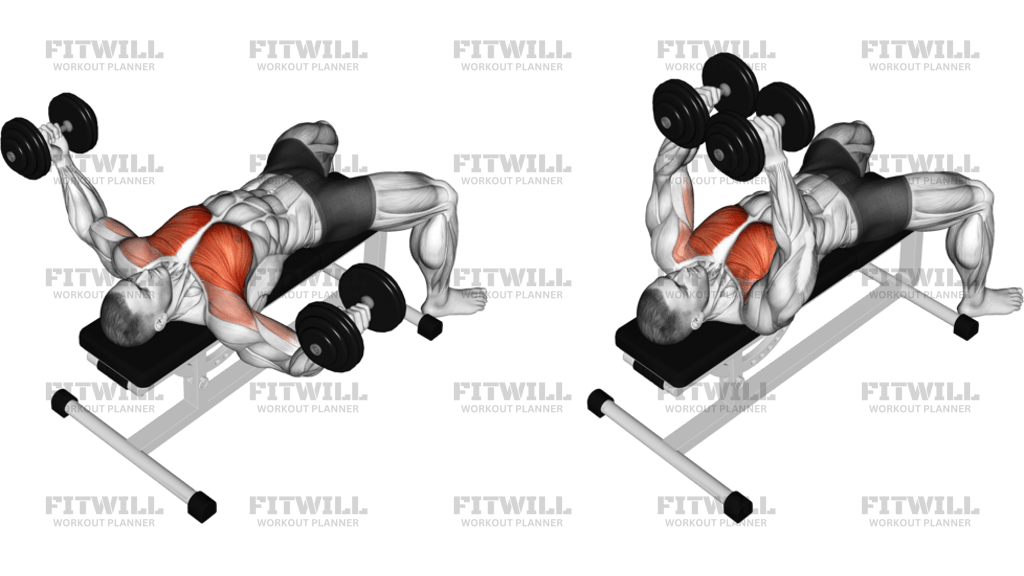
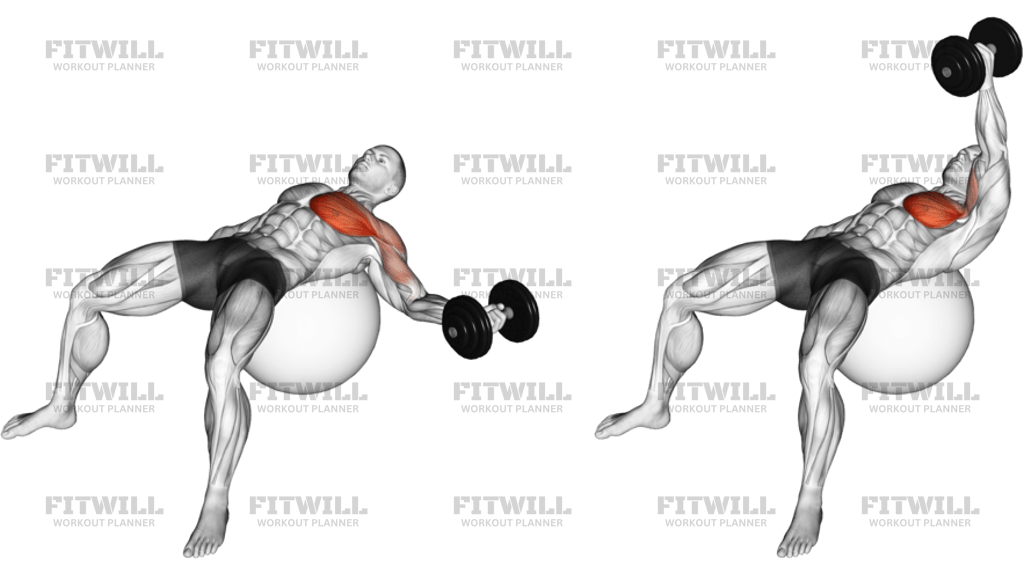
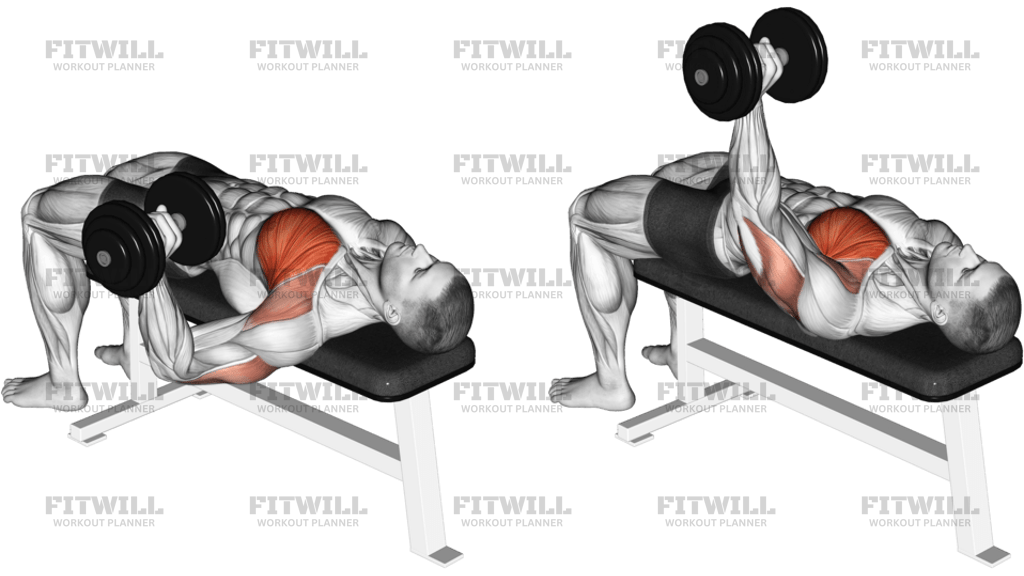
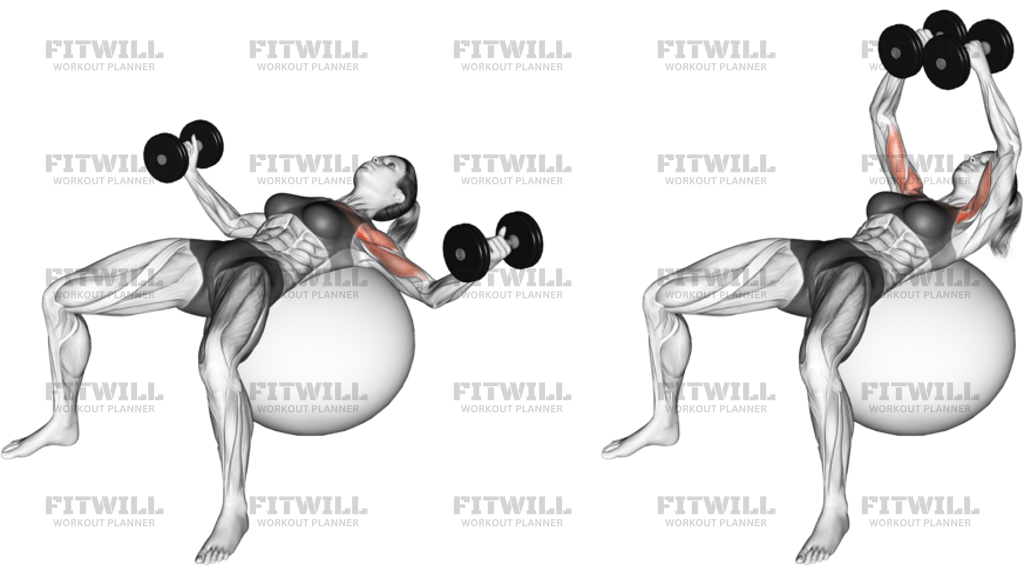
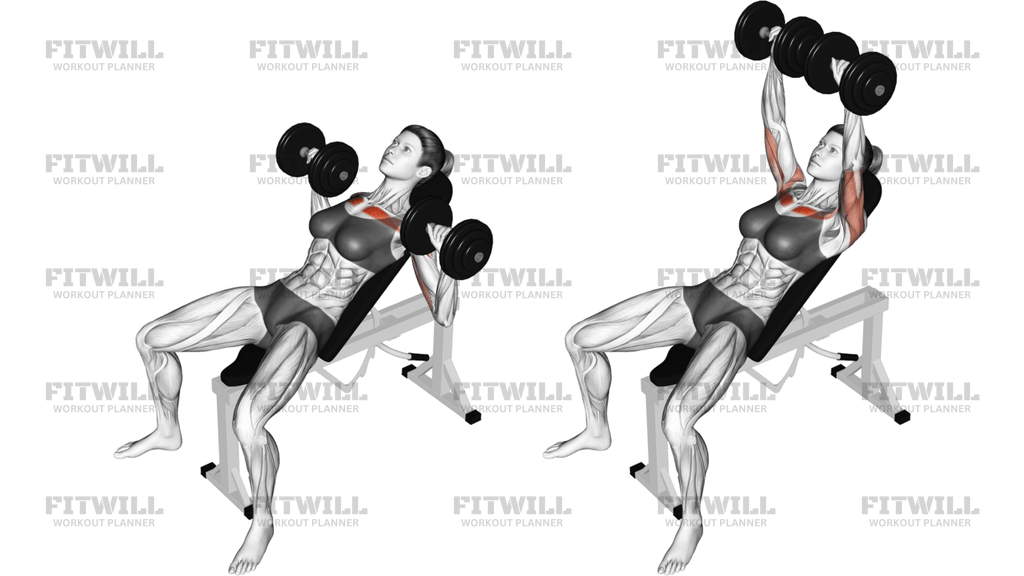
The Dumbbell Incline Bench Press is an upper-body pressing exercise performed on an incline bench with a dumbbell in each hand. It biases the upper portion of the chest while still asking the front deltoids and triceps to help finish the press. Because the bench angle changes the line of force, the lift feels different from a flat dumbbell press: the dumbbells travel slightly up and back toward the shoulder line, and the torso position puts more demand on shoulder control.
The incline matters. A moderate bench angle lets you press through the upper chest without turning the movement into a pure shoulder exercise. If the bench is set too steep, the front delts take over and the shoulders usually feel cramped at the bottom. If the angle is too low, the movement starts to resemble a flat press and the upper-chest emphasis drops. A stable back, planted feet, and controlled scapular position make the dumbbells feel smoother and keep the pressing path consistent from rep to rep.
Use the exercise to build pressing strength, improve chest development, or add a joint-friendly dumbbell variation to a chest or upper-body session. Dumbbells let each arm work independently, which can expose side-to-side strength differences and help you find a natural wrist and elbow path. That freedom is useful, but it also means the set gets sloppy quickly if you bounce the weights, flare the elbows hard, or let the shoulders roll forward at the bottom.
For each repetition, lower the dumbbells under control until the upper arms are slightly below parallel or as deep as your shoulders can handle comfortably. From there, press the weights up and slightly inward until the dumbbells finish over the upper chest or shoulder line. Keep the wrists stacked over the elbows, breathe steadily, and drive the set with a smooth tempo rather than a violent shove.
Treat this as a precision press, not a contest to touch the dumbbells to your chest or lock them out aggressively. The best reps are stable, repeatable, and pain-free, with the bench, shoulders, and core all doing their job. Choose a load that lets you keep your upper back set on the bench, your ribs from flaring, and your elbows moving in a controlled arc instead of drifting wide.
[ Workout Log & Planner ]
Put your next workout in Fitwill
Keep your plan and training log ready when you are.


Instructions
- Set an incline bench to a moderate angle, then sit back with your head, upper back, and hips in contact with the pad.
- Plant both feet flat on the floor and hold a dumbbell in each hand at shoulder level with your palms facing forward and wrists stacked over your elbows.
- Pin your shoulder blades gently back and down so your chest stays open without over-arching your lower back.
- Brace your midsection, then press the dumbbells up and slightly inward until your arms are nearly straight over the upper chest.
- Lower the weights along the same path, letting the elbows bend at about a 30- to 45-degree angle from your torso.
- Keep the dumbbells moving in a controlled arc; do not let them drift behind your shoulders at the bottom.
- Pause briefly if needed at the bottom, then drive the dumbbells upward without bouncing out of the stretch.
- Exhale as you press, inhale as you lower, and keep your ribs from flaring as fatigue builds.
- Finish the set by bringing the dumbbells back to your shoulders and standing up carefully from the bench.
Tips & Tricks
- A 30- to 45-degree bench angle usually gives the best upper-chest emphasis without turning the press into a front-delt exercise.
- Keep your wrists stacked over the dumbbells instead of letting them fold back; that keeps the load centered and protects the wrist.
- Lower the bells until the upper arms are just below parallel if your shoulders tolerate it; deeper is not automatically better.
- Think about pressing up and slightly back toward the shoulder line, not straight toward the ceiling.
- Keep the elbows from flaring hard to the sides; a modest tuck usually feels stronger and more shoulder-friendly.
- Do not slam the dumbbells together at the top unless you can do it without losing control of the shoulders and ribs.
- If the bench causes low-back arching, reduce the angle and reset your feet so your pelvis stays heavy on the pad.
- Choose a load that lets every rep look the same; the incline press becomes messy fast when you chase weight over position.
Frequently Asked Questions
What muscle does Dumbbell Incline Bench Press target most?
It mainly targets the upper chest, with the front shoulders and triceps assisting each rep.
Can beginners perform this exercise?
Yes. Beginners usually do well with a light pair of dumbbells and a moderate bench angle so they can learn the pressing path first.
How steep should the incline bench be?
A moderate incline is usually best. Too steep shifts the work toward the shoulders, while too flat reduces the upper-chest emphasis.
Where should the dumbbells lower on my chest?
They should travel toward the upper chest or shoulder line, not down to the lower chest like a flat press.
Why do my front shoulders feel this more than my chest?
The bench may be too steep, your elbows may be flaring too wide, or the dumbbells may be drifting too high on the way down.
Do I need to touch the dumbbells together at the top?
No. Finishing with the dumbbells over the upper chest is enough; touching them is optional if you can do it without losing shoulder position.
What is the safest way to finish a heavy set?
Bring the dumbbells back to the shoulders one side at a time, then sit up before standing. Do not twist or drop them off the bench.
What is a common mistake on the incline dumbbell press?
Letting the shoulders roll forward at the bottom is one of the biggest problems. Keep the upper back set on the bench and control the descent.