Dumbbell Seated Upright Alternate Squeeze Press
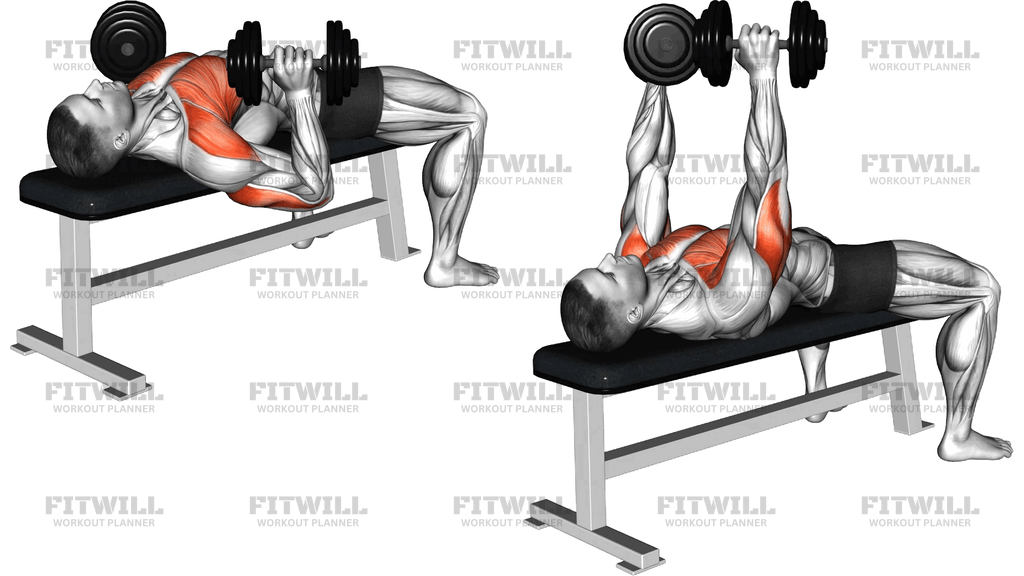
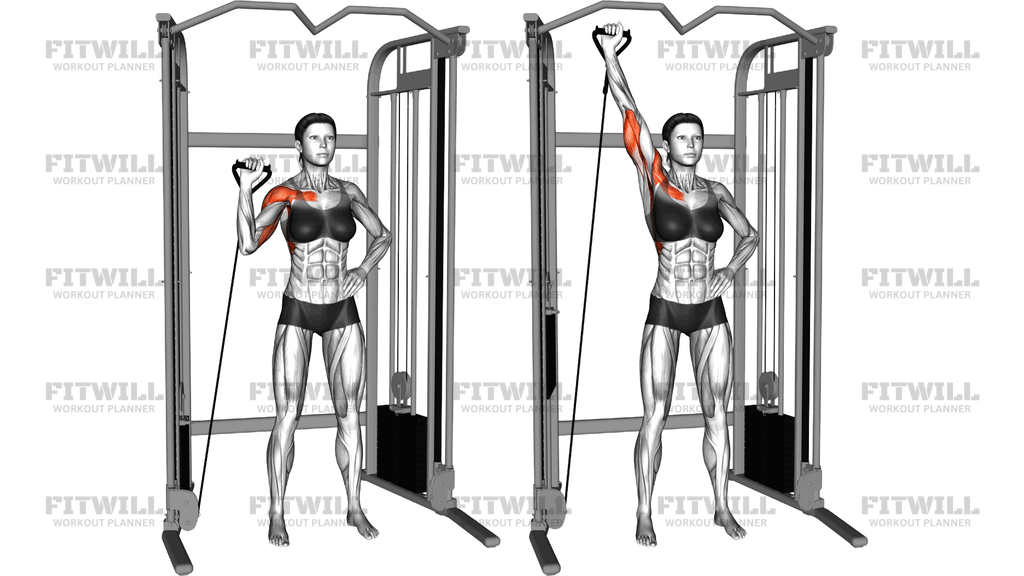
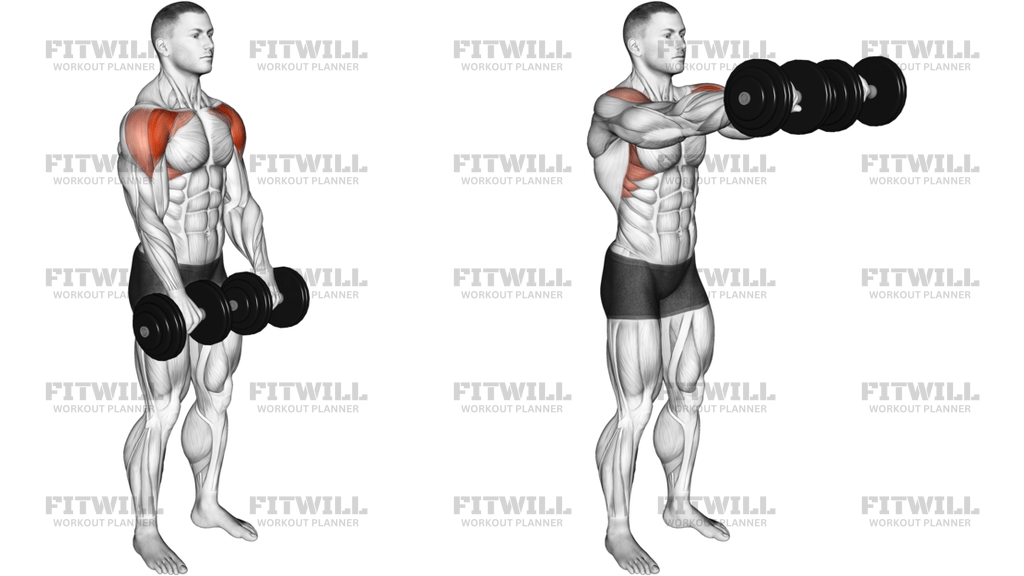
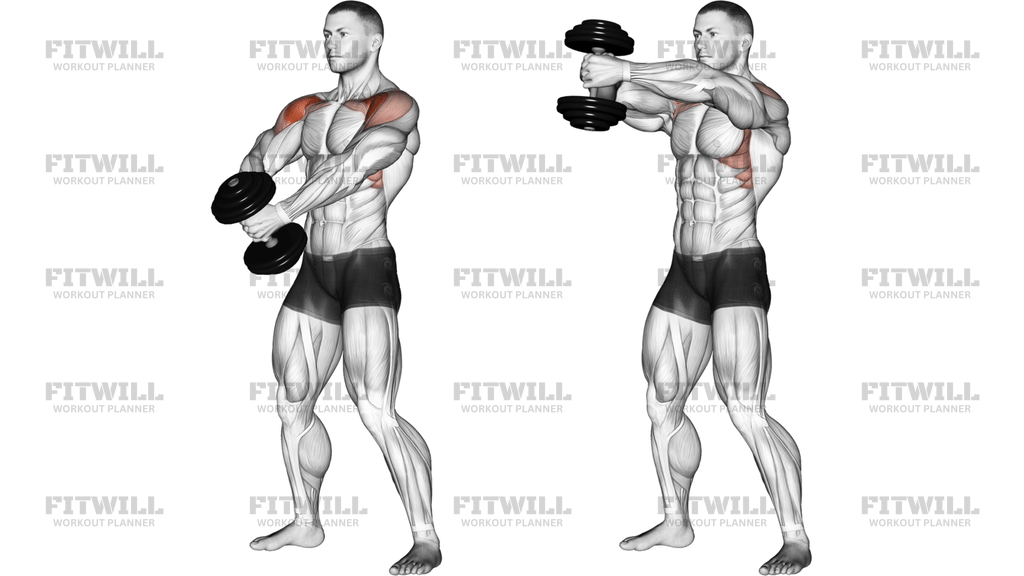
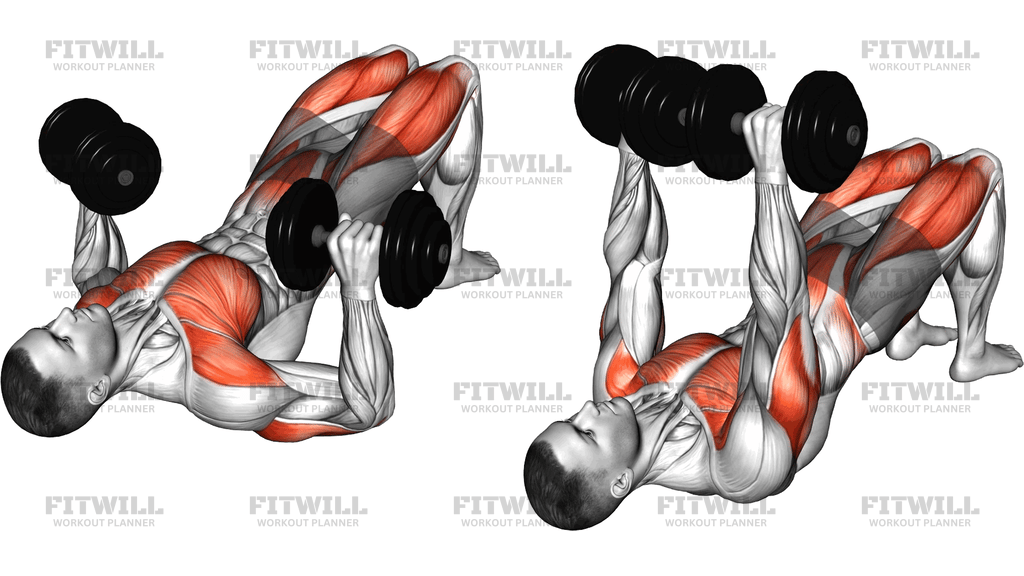
Dumbbell Seated Upright Alternate Squeeze Press is a seated pressing variation that combines an isometric squeeze with alternating single-arm presses. It is usually used to train the chest, front shoulders, and triceps while forcing the upper back and core to keep the torso tall and steady. The narrow dumbbell position makes the exercise feel different from a standard press: the bells stay close together in front of the chest, so you have to control both the pressing path and the inward pressure at the same time.
The upright bench setup matters because it removes help from leg drive and makes posture part of the exercise. Sit on a flat bench with your feet planted, ribs stacked over the pelvis, and the dumbbells held together in front of the sternum. That starting position should already feel organized before the first rep begins. If the shoulders shrug up, the lower back arches, or the weights drift apart, the press turns into a looser shoulder movement instead of a controlled squeeze press.
Each repetition should look smooth and deliberate. Keep the dumbbells pressed lightly together, then alternate one arm at a time as you press the working dumbbell forward and slightly upward while the other arm stays stable. Lower that side with control, switch sides, and keep the squeeze constant through the whole set. The goal is not to fling the weight higher; it is to keep the chest engaged, the elbows in a manageable path, and the torso from rocking side to side.
This exercise works well as accessory chest or shoulder work, especially when you want a pressing pattern that also challenges coordination and symmetry. It can be useful in upper-body warmups, hypertrophy blocks, or controlled strength circuits. Because the setup is narrow and upright, choose a load you can move without losing the squeeze, bending the wrists back, or turning the set into a shrugging motion. Stop the set if the dumbbells separate, the elbows flare hard, or the upper body starts to lean and twist to finish the rep.
[ Workout Log & Planner ]
Put your next workout in Fitwill
Keep your plan and training log ready when you are.


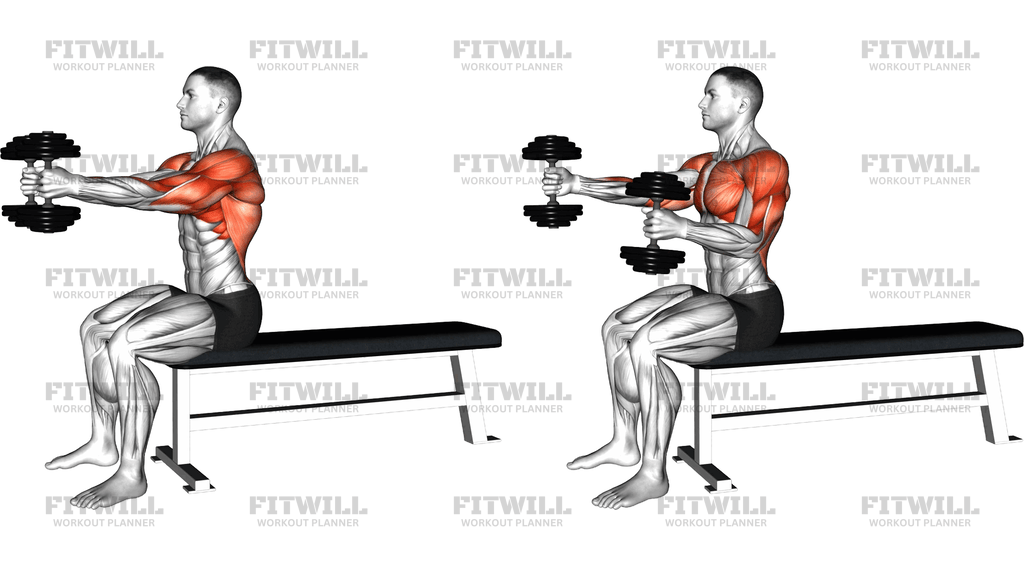
Instructions
- Sit on a flat bench with both feet flat on the floor and your torso tall.
- Hold a dumbbell in each hand at mid-chest, palms facing each other, with the inner plates lightly touching.
- Keep your ribs stacked over your pelvis, shoulders down, and elbows slightly in front of your sides.
- Brace your midsection before the first press so your torso stays upright.
- Press one dumbbell forward and slightly upward until that arm is nearly straight, keeping the dumbbells squeezed together.
- Pause briefly at the top without letting your shoulders shrug or your lower back arch.
- Lower the working dumbbell back to the start with control while the other arm stays steady in front of the chest.
- Alternate sides for each rep and keep the squeeze, breathing out on the press and breathing in on the return.
Tips & Tricks
- Choose a lighter load than a normal press, because the constant squeeze makes the shoulders and triceps work harder.
- Keep the dumbbells touching or nearly touching through the entire set; separating them turns the movement into two loose presses.
- Think about pressing forward through the midline of your chest rather than flaring the elbow out to the side.
- Keep the wrists stacked over the forearms so the dumbbells do not fold the wrist back at the top.
- Do not lean back to finish the rep; the torso should stay tall and the rib cage should not pop up.
- A short pause at the top helps you feel the chest and front shoulder without losing the squeeze.
- Lower the dumbbell under control all the way back to the start instead of dropping it and alternating too quickly.
- If one shoulder feels pinchy, reduce the range slightly and keep the press path a little lower and more forward.
Frequently Asked Questions
What muscles does Dumbbell Seated Upright Alternate Squeeze Press work?
It mainly trains the chest, front shoulders, and triceps, with the upper back and core helping you stay upright and steady.
How is this different from a standard dumbbell press?
The dumbbells stay squeezed together in front of the chest, and you alternate one arm at a time instead of pressing both arms together.
Should the dumbbells touch during the set?
Yes, they should stay lightly pressed together or very close together so the squeeze stays part of the exercise.
Can beginners do this exercise?
Yes, but start with light dumbbells and focus on a tall seated position before increasing the load.
How high should I press the working dumbbell?
Press until the arm is nearly straight and the shoulder stays down; there is no need to force the dumbbell overhead.
What is the biggest technique mistake?
Letting the dumbbells drift apart or leaning back to finish the rep usually turns the movement into a loose shoulder press.
Why alternate arms instead of pressing both together?
Alternating forces one side to work while the other stays fixed, which adds stability demands and makes the set feel more controlled.
Where does this fit in a workout?
It works well as accessory pressing work after a main lift, or in a controlled upper-body circuit when you want chest and shoulder tension without heavy loading.