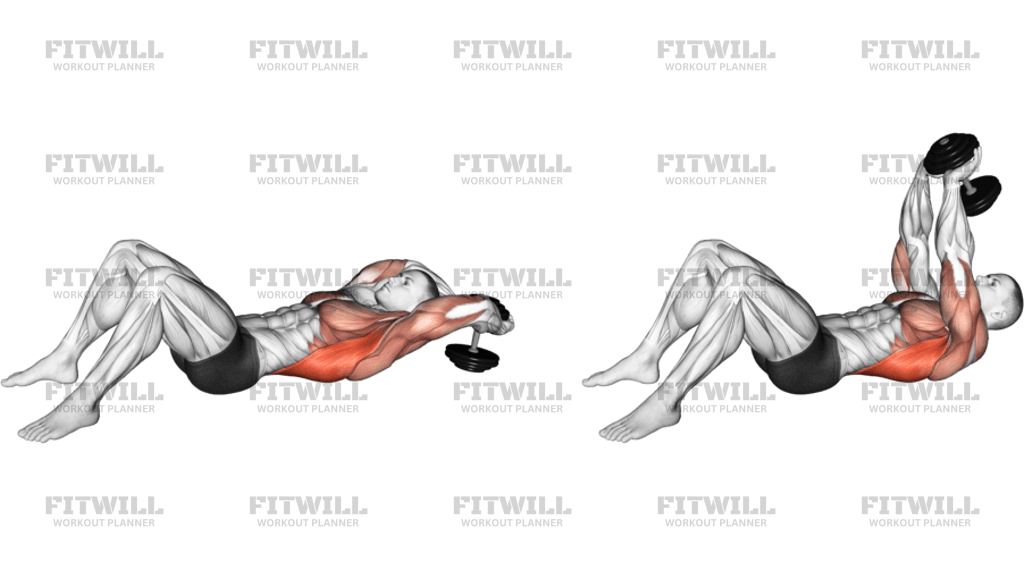
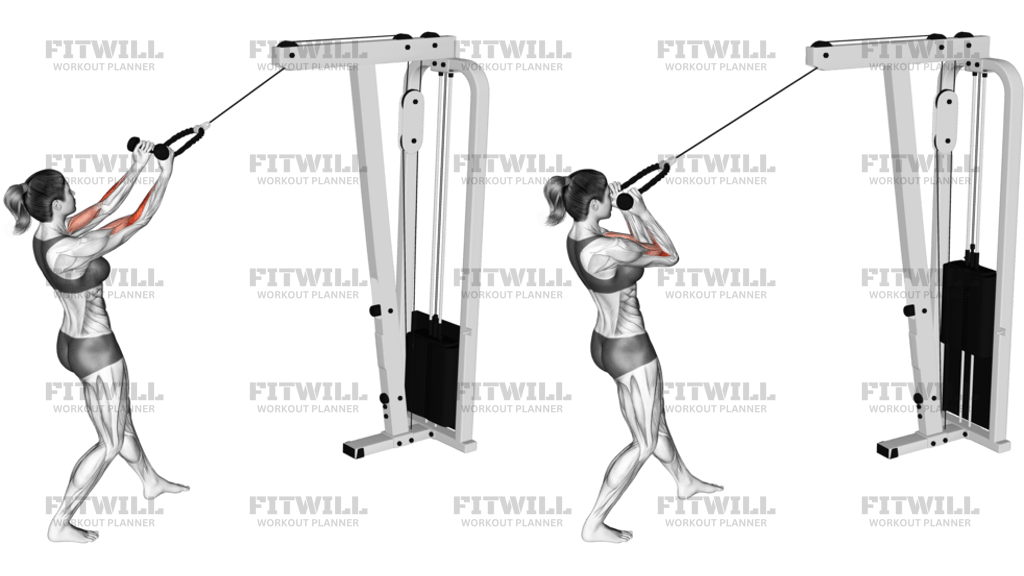
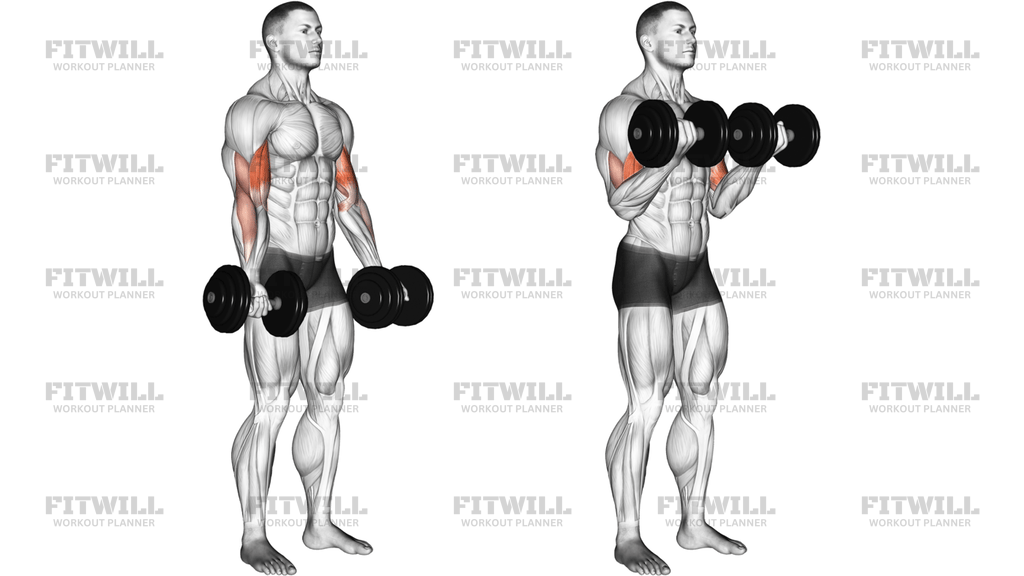
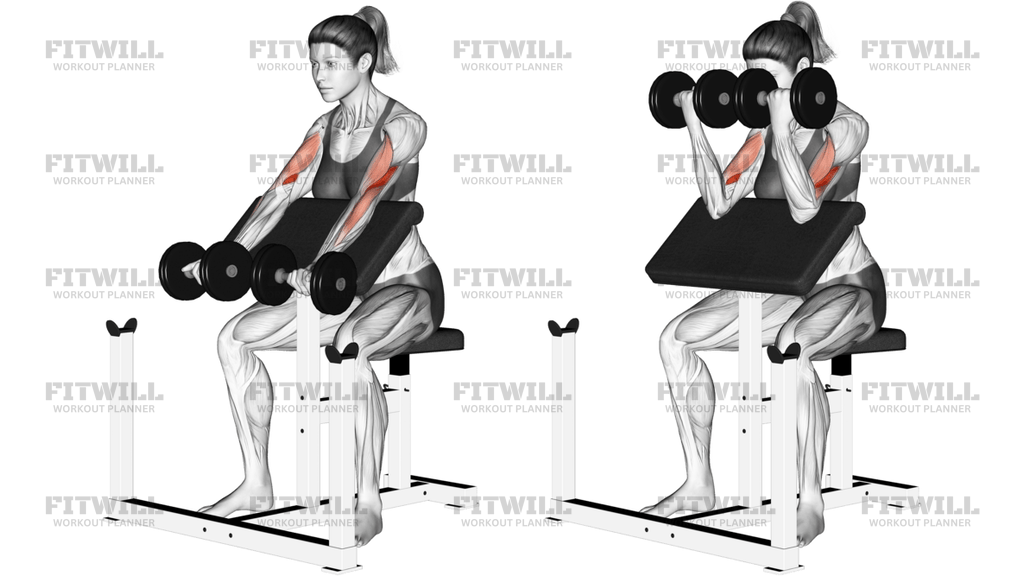
Dumbbell Incline Hammer Curl
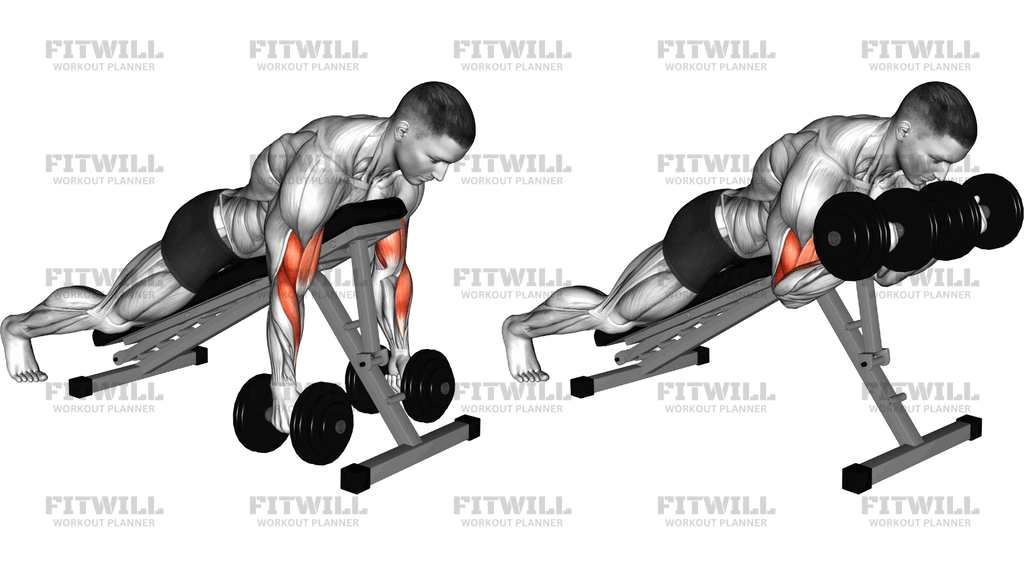
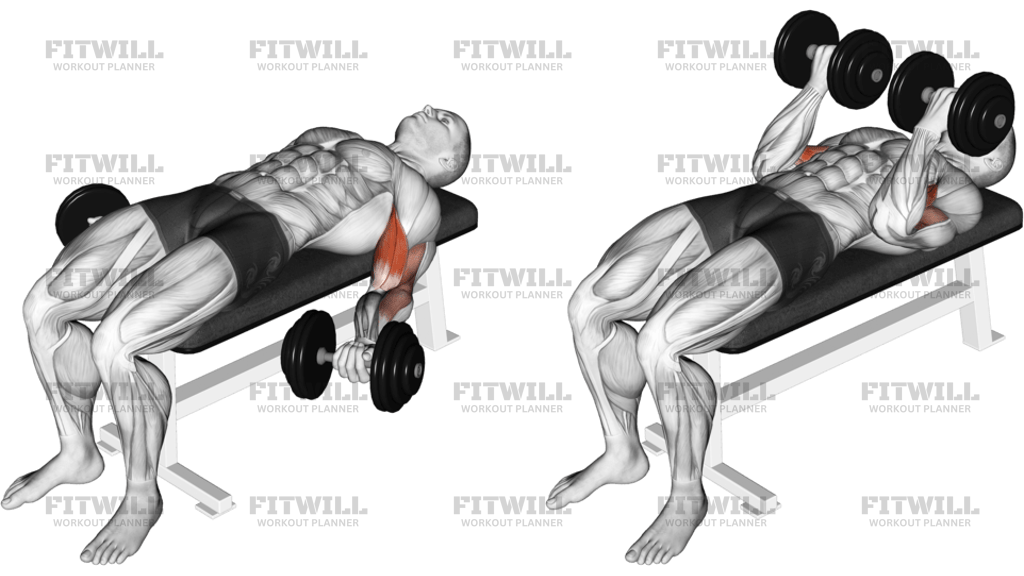
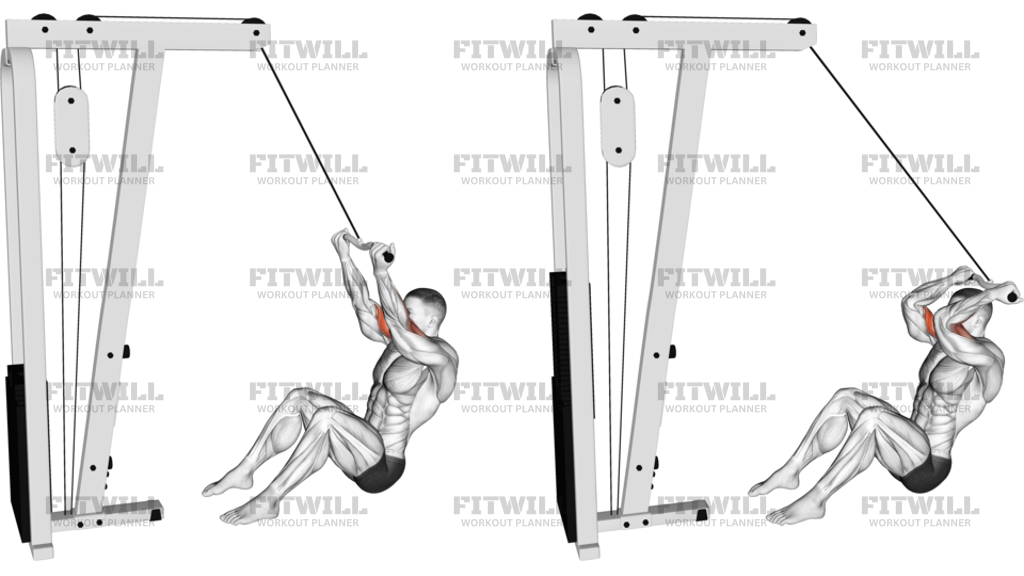
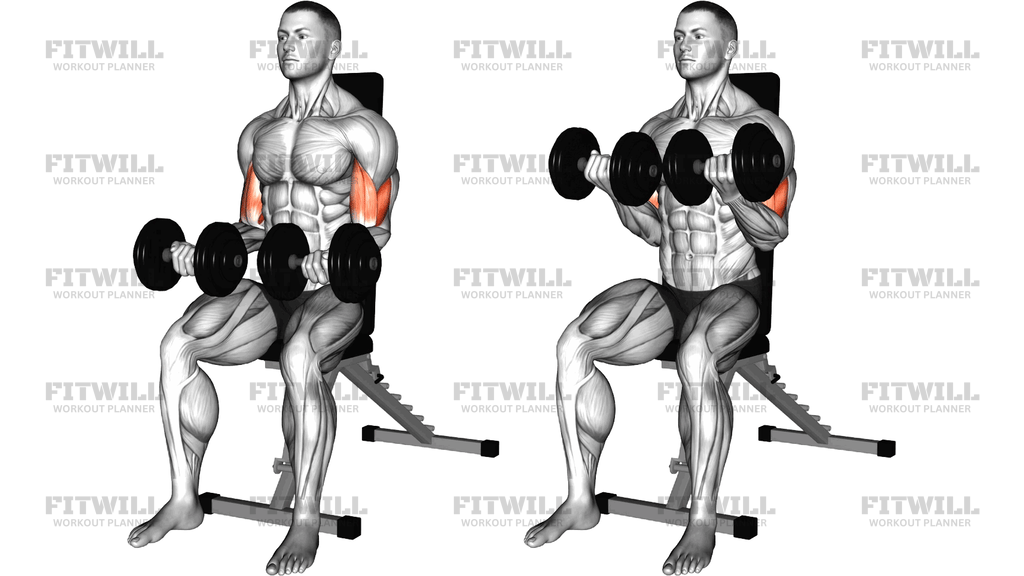
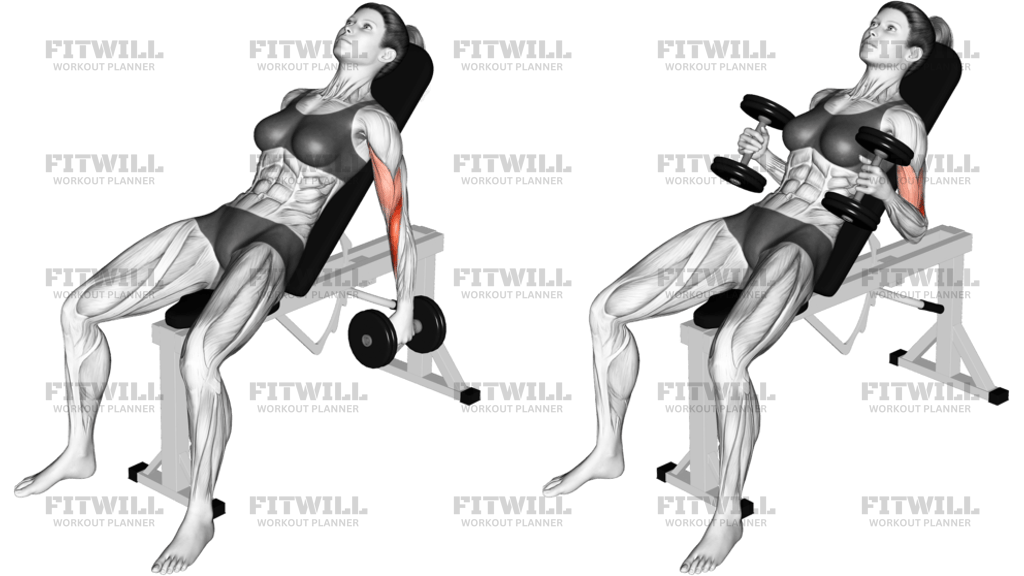
Dumbbell Incline Hammer Curl is a supported arm exercise that uses an incline bench and a neutral dumbbell grip to train the elbow flexors without much help from body sway. The backrest keeps the torso fixed, which makes it easier to isolate the upper arm muscles and keep each rep honest. With the arms hanging slightly behind the body at the bottom, the exercise puts the biceps and brachialis under a longer stretch than a standing hammer curl.
The neutral grip changes the emphasis compared with a fully supinated curl. You still train the biceps, but the brachialis and brachioradialis contribute strongly, so the movement is useful when you want thicker-looking upper arms and stronger elbow flexion across different hand positions. Because the bench removes cheating, the load usually needs to be lighter than a standing curl, but the set can feel harder where it matters: at the start of the pull and during the slow lowering phase.
The setup matters. A bench angle around moderate incline keeps the shoulders supported while still letting the upper arms drift a little behind the torso at the bottom. That position increases tension on the arm flexors, but it should stay comfortable. If the shoulders roll forward, the elbows travel too far back, or the wrists bend, the exercise stops being a clean incline hammer curl and turns into a compromised front-delt or momentum drill.
Use a controlled curl path: keep the elbows close to the ribcage, keep the wrists neutral, and bring the dumbbells toward the front of the shoulders without swinging. The top is a brief squeeze, not a shrug. On the way down, lower slowly until the arms are nearly straight and the muscles are lengthened again. The eccentric phase is where this movement earns a lot of its value, so resist the urge to drop the weights or rush to the next rep.
This exercise fits well in arm-focused sessions, upper-body accessories, or any program that needs a strict biceps variation after heavier compound work. It is also a good choice for lifters who cheat standing curls or want less lower-back involvement. Beginners can use it safely with modest weight and a stable bench, but anyone with anterior shoulder irritation should keep the incline moderate and avoid forcing the arms too far behind the torso.
[ Workout Log & Planner ]
Put your next workout in Fitwill
Keep your plan and training log ready when you are.


Instructions
- Set an incline bench to a moderate angle and sit back so your head, upper back, and pelvis are supported.
- Place your feet flat on the floor and let both dumbbells hang at your sides with a neutral grip, palms facing each other.
- Keep your shoulders down against the bench and let your arms start slightly behind the line of your torso without forcing them back.
- Brace your midsection, keep your wrists straight, and curl the dumbbells upward by bending only at the elbows.
- Keep your upper arms close to your sides as the weights travel toward the front of your shoulders.
- Squeeze briefly near the top without letting your elbows drift forward or your shoulders shrug.
- Lower the dumbbells slowly until your arms are nearly straight and you feel a controlled stretch through the biceps.
- Exhale as you curl, inhale on the lowering phase, and reset your shoulder position before the next repetition.
Tips & Tricks
- A moderate bench angle usually gives the best balance of support and arm stretch; a very steep bench makes the curl closer to a seated version.
- Keep the neutral grip the whole time; turning the palms up changes the exercise and shifts stress away from the intended hammer-curl pattern.
- If your elbows slide far in front of your torso, the set usually becomes easier but less strict, so reduce the load or slow the rep.
- Let the dumbbells hang long at the bottom, but do not dump the shoulders forward or lose contact with the bench.
- Use a weight that lets you lower each rep for at least two to three seconds without jerking out of the bottom position.
- Keep the wrists stacked over the forearms; bent wrists usually mean the dumbbells are too heavy for clean elbow flexion.
- Stop the top position before you shrug or roll your shoulders toward your ears.
- If the front of the shoulder feels pinched, reduce the incline or shorten the bottom range instead of forcing a deeper stretch.
Frequently Asked Questions
What muscles does the incline hammer curl train most?
It primarily trains the biceps and brachialis, with the brachioradialis and forearm flexors helping stabilize the neutral grip.
Why use an incline bench for a hammer curl?
The bench removes body swing and lets the arms start slightly behind the torso, which increases tension at the bottom of the rep.
How steep should the bench be?
A moderate incline is usually best. Too steep turns it into a more upright curl, while too low can put unnecessary strain on the shoulders.
Should my elbows stay pinned to my sides?
Keep them close, but do not force them hard into the ribs. A small amount of movement is fine as long as the upper arms do not swing forward.
Can beginners do Dumbbell Incline Hammer Curl?
Yes. Start with light dumbbells and focus on a smooth lowering phase, stable wrists, and a still torso.
What is the most common mistake with this movement?
The biggest mistake is using momentum from the shoulders or back instead of letting the elbows do the work.
Why do I feel this in my forearms so much?
That is normal to a point because the neutral grip heavily involves the brachioradialis and forearm flexors. If the forearms dominate completely, the load is probably too heavy.
What if the bottom position bothers my shoulders?
Use a slightly higher bench angle or shorten the range so the arms do not drift as far behind the torso.