Dumbbell Incline Palm-In Press
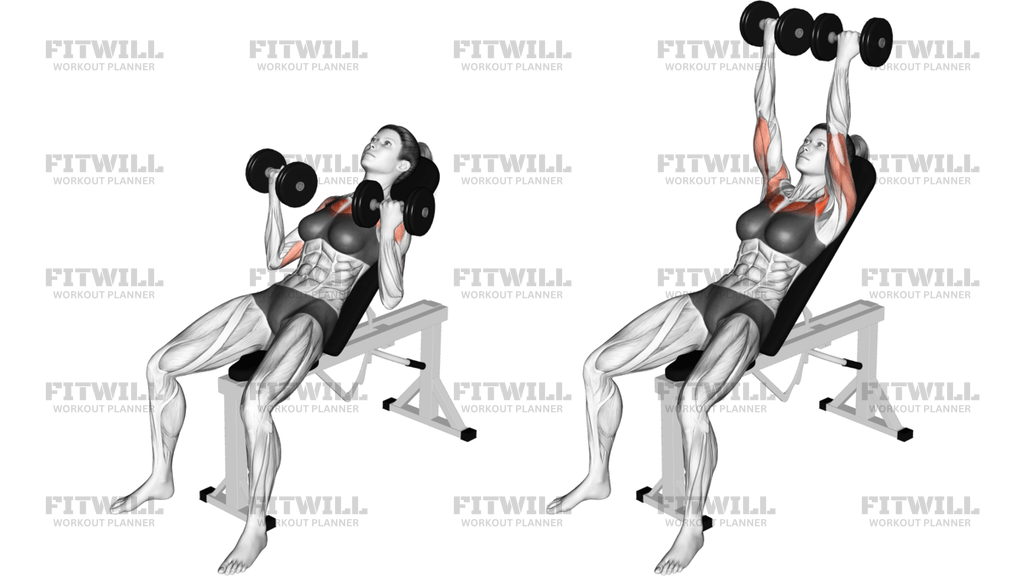
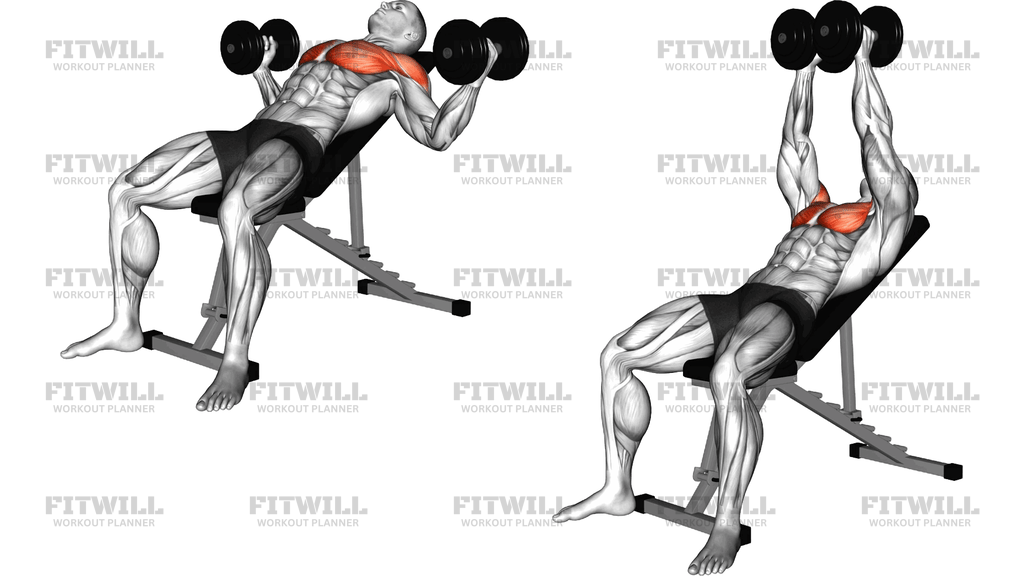
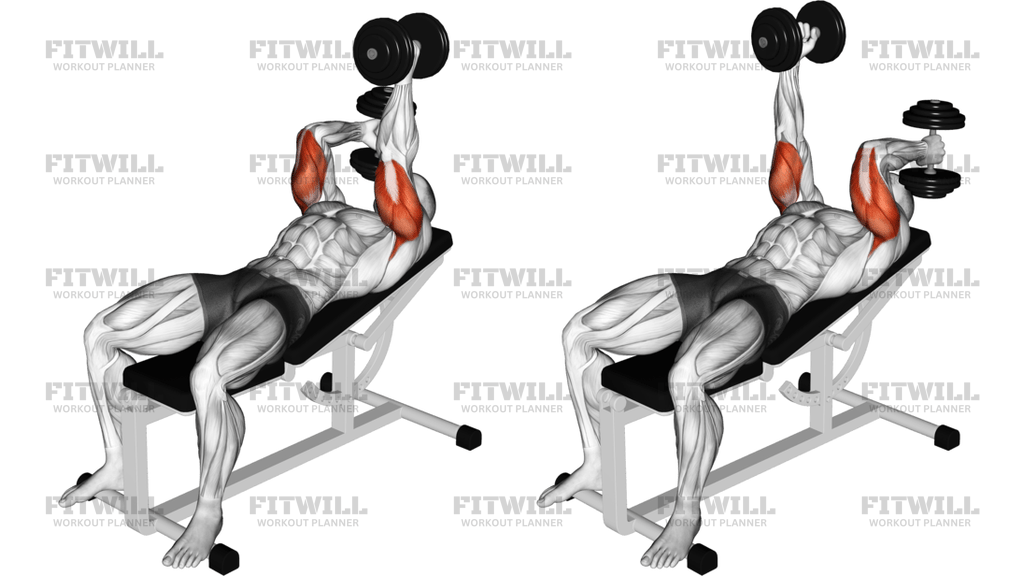
Dumbbell Incline Palm-In Press is a dumbbell pressing exercise performed on an incline bench with the palms facing each other. The angled bench changes the pressing line compared with a flat bench press, shifting more emphasis toward the upper chest while still asking the front shoulders and triceps to help finish each rep. The neutral grip also tends to feel friendlier on the shoulders than a fully pronated dumbbell press, especially when you keep the elbows slightly tucked and the shoulder blades set on the bench.
This movement is useful when you want a chest exercise that combines a stable bench position with a little more shoulder freedom than a barbell press. Because each dumbbell moves independently, you have to control both sides of the press evenly, which makes it a good option for lifters who want to clean up left-right imbalance or build stronger pressing mechanics without relying on a bar path. The incline angle matters: too steep and the exercise turns into a shoulder-dominant press, too low and you lose some of the upper-chest bias.
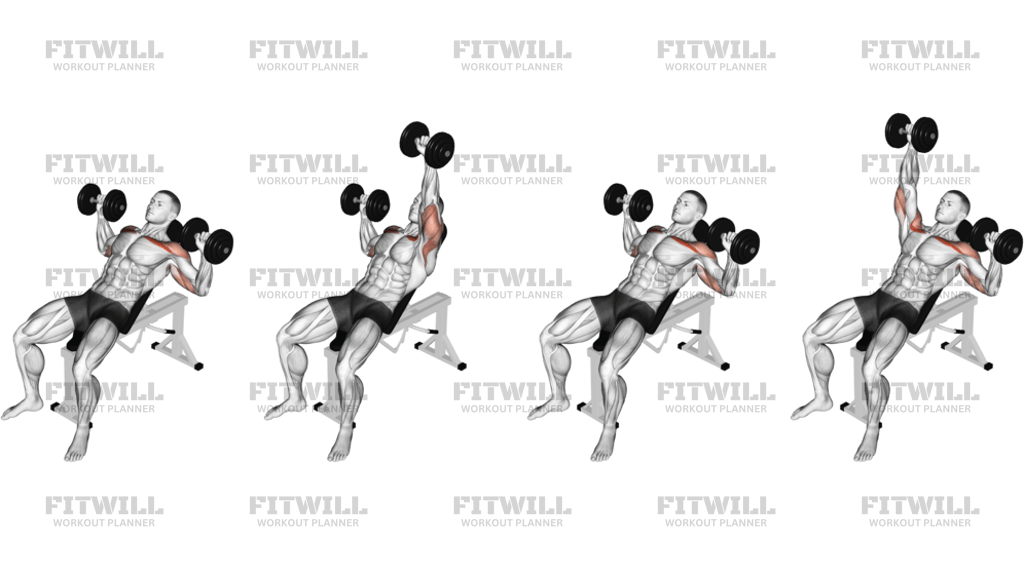
A good Dumbbell Incline Palm-In Press starts before the first rep. Set the bench to a moderate incline, sit with the dumbbells on your thighs, then lie back while bringing the weights to shoulder level with palms still facing in. Keep your feet planted, chest open, and upper back anchored against the pad so the bench supports you through the whole set. From there, press the dumbbells up and slightly inward until they finish above the upper chest or shoulders, then lower them under control on the same line.
The path should stay smooth and repeatable. At the bottom, the dumbbells should descend to the outer upper chest area without bouncing or drifting too low, and the elbows should stay a little in front of the torso rather than flaring wide. At the top, do not jam the weights together or overarch to chase extra height. The goal is to keep tension on the chest and front deltoids while the shoulders stay packed and the wrists remain stacked over the elbows.
Use this exercise when you want a controlled chest builder, an accessory lift after heavier pressing, or a moderate-rep movement that is easy to spot and adjust. Beginners can use it safely with light dumbbells and a conservative bench angle, while experienced lifters can load it more heavily as long as the shoulder position stays clean. If the bench angle, elbow path, or dumbbell descent gets sloppy, the movement quickly turns into a shoulder press or a loose, unstable repetition, so quality matters more than chasing heavier weights.
[ Workout Log & Planner ]
Put your next workout in Fitwill
Keep your plan and training log ready when you are.


Instructions
- Set an incline bench to about 30 to 45 degrees and sit with a dumbbell in each hand resting on your thighs.
- Lean back while guiding the dumbbells to shoulder level, then turn the palms to face each other before you start the first rep.
- Plant both feet, keep your upper back and head on the bench, and set your shoulder blades down and back against the pad.
- Start with the dumbbells beside the upper chest, wrists stacked over elbows, and forearms vertical.
- Press the dumbbells up and slightly inward until your arms are nearly straight above the shoulders.
- Lower the dumbbells along the same path until they reach the outer upper chest without bouncing off the bottom.
- Keep your elbows slightly tucked and your palms facing in throughout the set.
- Inhale on the way down and exhale as you drive the dumbbells back up.
- At the end of the set, bring the dumbbells back to your thighs before sitting up and standing safely.
Tips & Tricks
- A lower incline, around 30 degrees, usually keeps the upper chest involved more than the front delts.
- If the bench is too steep, the press starts to feel like a shoulder exercise instead of a chest press.
- Keep the palms facing each other; rotating to a pronated grip changes the feel and often increases shoulder stress.
- Lower the dumbbells until the upper arms are just below parallel instead of dropping deep and losing shoulder position.
- Press up in a slight arc rather than straight out in front of your face.
- Do not let the dumbbells crash together at the top; stop when they are over the shoulder line.
- Use a controlled descent so the chest stays loaded instead of letting the weights fall into the bottom position.
- If your shoulders feel crowded, shorten the bottom range a little and keep the elbows closer to the torso.
- Match both dumbbells to the same path; one side drifting higher usually means you are twisting on the bench.
- For heavier sets, get the weights into position from your thighs instead of curling them up with your shoulders.
Frequently Asked Questions
What muscles does Dumbbell Incline Palm-In Press work?
It primarily targets the upper chest, with the front shoulders and triceps helping to drive the press. The neutral grip also asks the upper back to stabilize the dumbbells on the bench.
Why use a palm-in grip on Dumbbell Incline Palm-In Press?
A palm-in grip keeps the shoulders in a friendlier pressing position for many lifters and makes it easier to keep the elbows slightly tucked. It often feels smoother than a fully turned-out dumbbell press.
How steep should the incline bench be for Dumbbell Incline Palm-In Press?
A moderate incline, usually around 30 to 45 degrees, is the best starting point. Steeper benches shift more work toward the front delts and reduce the upper-chest emphasis.
Should the dumbbells touch at the top of the Dumbbell Incline Palm-In Press?
They can come close, but do not force them to clack together. Finishing over the shoulder line with tension still on the chest is usually better than reaching for extra range.
How low should I lower the dumbbells on this press?
Lower them until the upper arms are just below parallel or until you feel a comfortable stretch across the upper chest. If the shoulders roll forward or the elbows flare, the range is too deep for that set.
What is the most common mistake on Dumbbell Incline Palm-In Press?
The biggest error is turning it into a steep shoulder press by using too much bench angle or pressing too far in front of the body. Keep the dumbbells moving above the upper chest and shoulders instead.
Is Dumbbell Incline Palm-In Press beginner-friendly?
Yes, if you use a light pair of dumbbells and keep the bench angle moderate. Beginners should focus on getting the dumbbells into position safely and controlling the lowering phase.
What should I do if my shoulders feel uncomfortable during the press?
First, lower the incline angle and keep the elbows slightly closer to the torso. If discomfort stays at the bottom, shorten the range and stop lowering before the front of the shoulder gets pinched.
What is a good way to progress Dumbbell Incline Palm-In Press?
Add load only after every rep looks the same from the first to the last set rep. You can also progress by slowing the lowering phase or pausing briefly near the bottom without losing shoulder position.