Dumbbell Decline Twist Fly
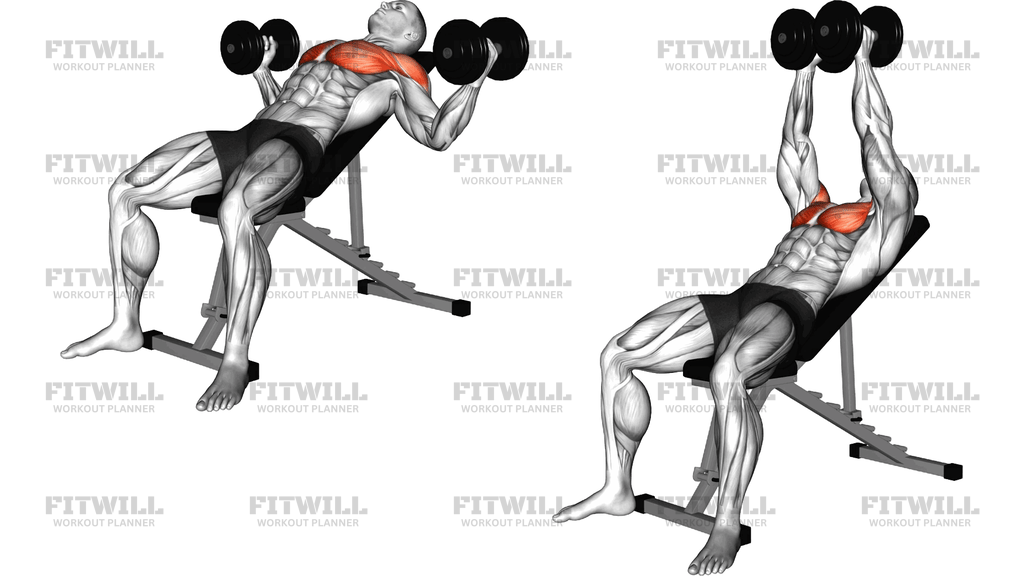
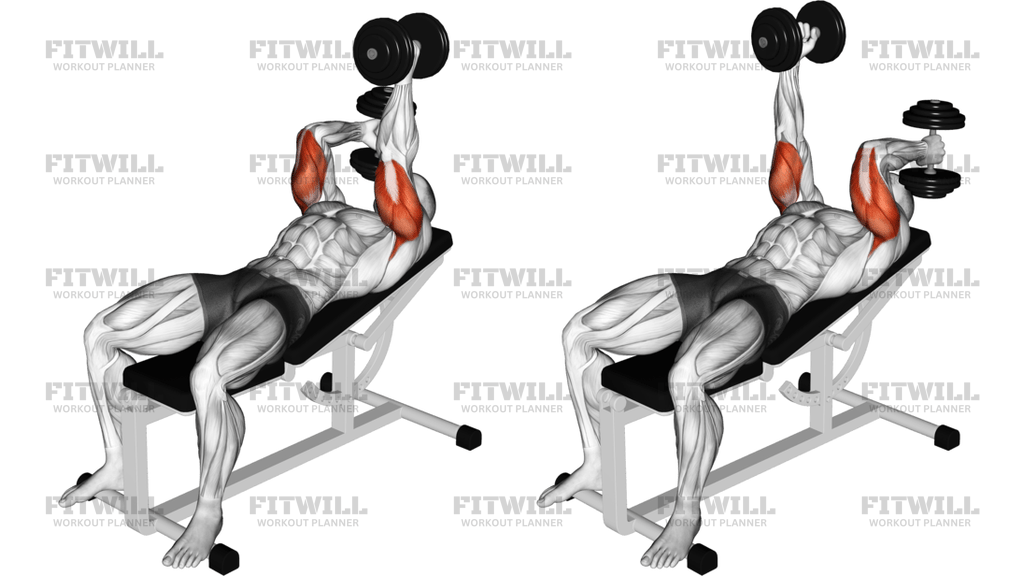
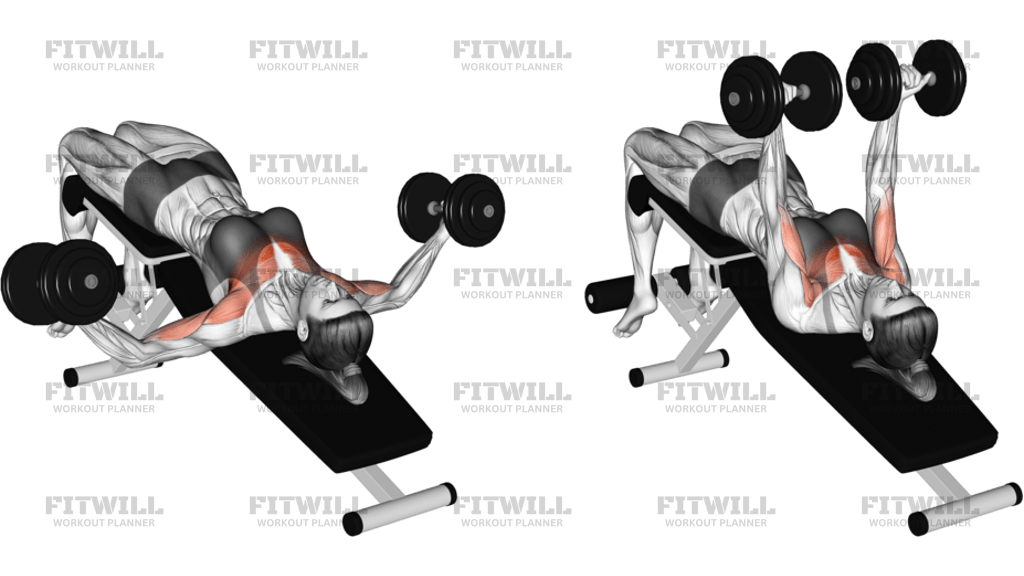
Dumbbell Decline Twist Fly is a chest-focused dumbbell fly variation performed on a decline bench, usually with the head lower than the hips and the feet anchored for stability. The decline angle shifts more emphasis toward the lower portion of the chest while still asking the front shoulders and arms to help control the dumbbells through the arc. It is an isolation-style movement, so the goal is not to move the heaviest load possible but to keep the chest loaded smoothly from the stretched position to the squeeze at the top.
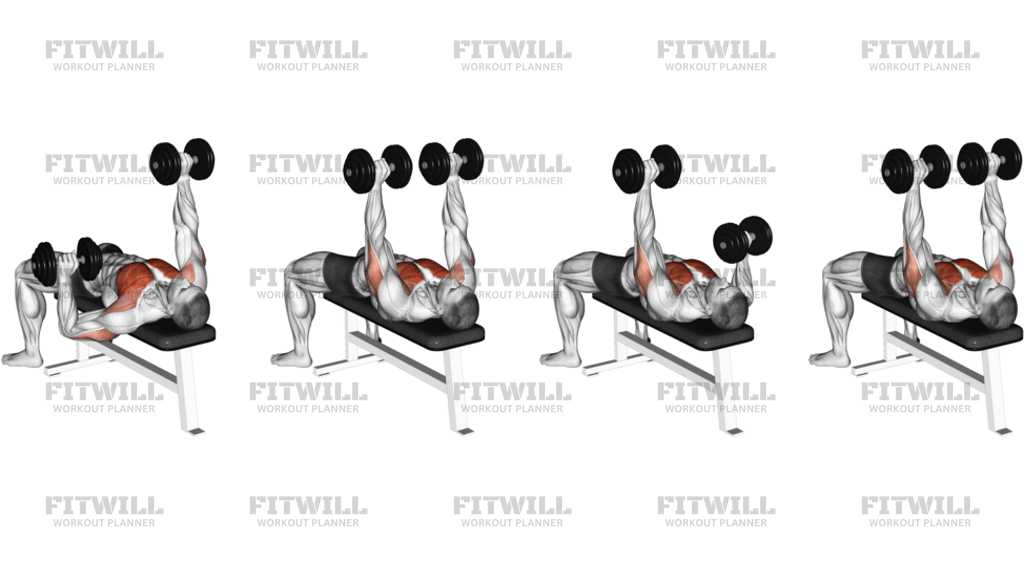
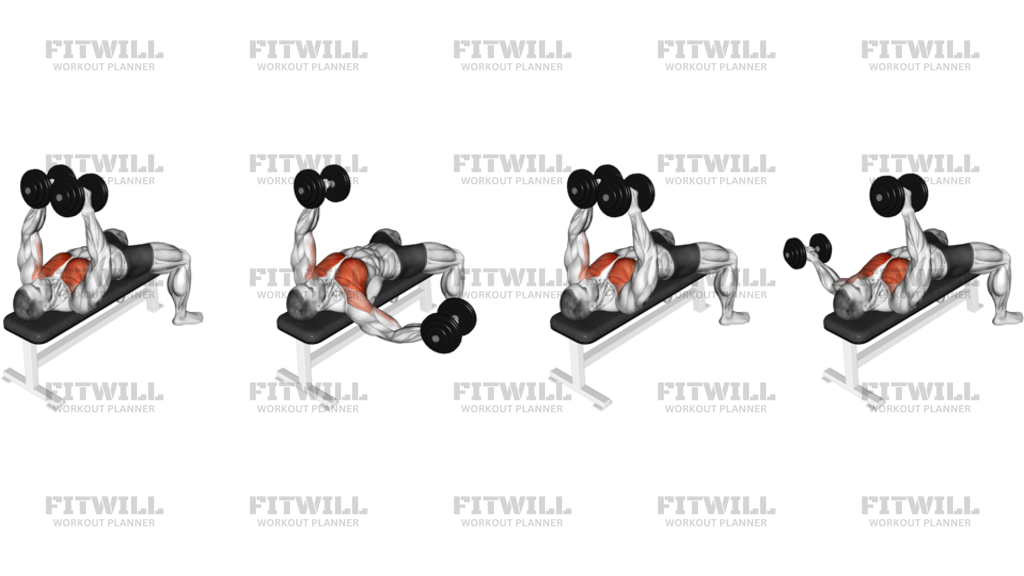
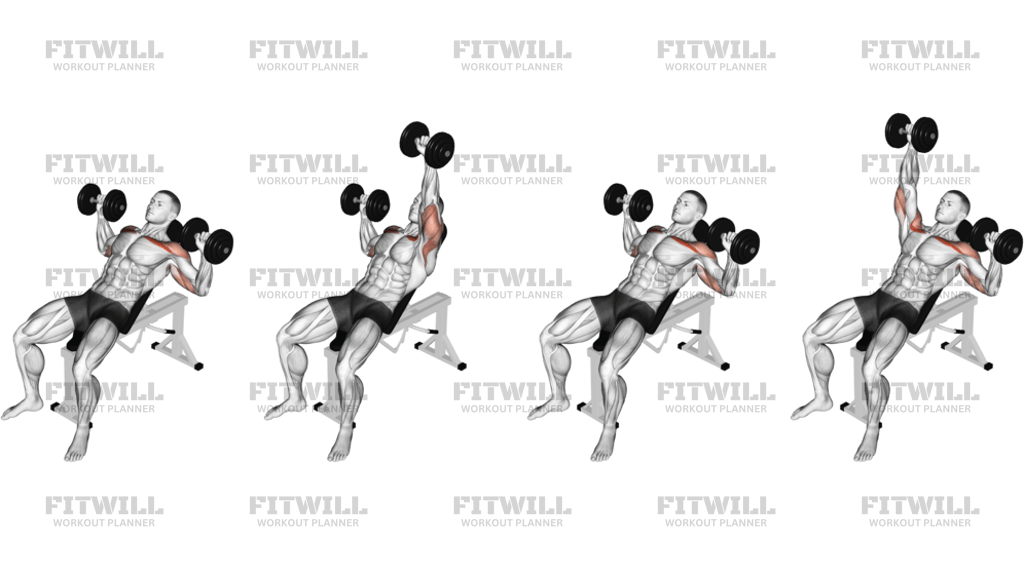
What makes Dumbbell Decline Twist Fly different from a standard fly is the rotation of the hands through the rep. The dumbbells travel in a wide arc, and the wrists rotate naturally as the arms come back together so the chest stays under tension without dumping stress into the shoulders. That twist should feel controlled, not forced. If the wrists are snapping or the elbows are straightening into a press, the set is usually too heavy or the range is too deep.
A good setup matters because the decline position changes how the chest, shoulders, and ribcage brace against the bench. Lie back with the upper back supported, feet secured, and the dumbbells stacked above the lower chest before the first repetition starts. Keep a soft bend in the elbows and set the shoulder blades down and back so the humeral heads stay centered as the arms open. That position gives the chest room to stretch without letting the shoulders roll forward at the bottom.
During each rep, lower the dumbbells in a smooth arc until the upper arms are roughly in line with the torso or until you feel a strong but comfortable stretch across the chest. Then reverse the path by squeezing the chest and bringing the weights back together above the lower chest while continuing the twist through the hands. The return should look and feel like the same path in reverse, not a jerky curl or a partial press. Breathe in on the lowering phase and exhale as the dumbbells come together.
Dumbbell Decline Twist Fly is useful when you want a chest accessory that builds control, position awareness, and tension without relying on heavy pressing. It fits well after compound chest work or in a session aimed at shaping the chest with cleaner, more deliberate reps. Keep the load modest, because the decline angle and rotating fly path can overload the front of the shoulder if the dumbbells drift too low or the elbows lock out. When the setup is tidy and the reps stay smooth, the exercise gives the chest a strong squeeze and a meaningful stretch without turning the movement into a shoulder-dominant swing.
[ Workout Log & Planner ]
Put your next workout in Fitwill
Keep your plan and training log ready when you are.


Instructions
- Set a decline bench to a moderate angle, sit with a dumbbell in each hand, and lie back with your head lower than your hips and your feet secured.
- Hold the dumbbells above your lower chest with your palms facing each other, your elbows softly bent, and your shoulder blades pulled down and back.
- Brace your midsection and keep your ribcage settled against the bench before you start the first rep.
- Lower the dumbbells out and down in a wide arc until your upper arms are roughly level with your torso or you feel a strong chest stretch.
- Let your wrists rotate smoothly as the dumbbells travel so the twist happens under control instead of snapping at the bottom.
- Reverse the arc by squeezing your chest and bringing the dumbbells back together above the lower chest.
- Finish the rep with the dumbbells close together, then keep the tension steady as you lower into the next repetition.
- Inhale on the lowering phase, exhale as you bring the weights together, and keep your neck relaxed throughout the set.
- After the last rep, lower the dumbbells to your thighs, sit up carefully, and reset before standing.
Tips & Tricks
- Keep a soft bend in the elbows the whole time; turning the rep into a press takes tension off the chest.
- Lower only until the upper arms line up with the torso or the shoulders start to roll forward, whichever comes first.
- Let the dumbbells rotate smoothly through the arc instead of forcing a sharp wrist twist at the bottom.
- Choose lighter dumbbells than you would for a flat fly, because the decline angle makes the stretched position more demanding.
- Pin your shoulder blades to the bench before every rep so the chest opens without the shoulders drifting forward.
- Keep your feet locked in place and avoid lifting your hips, which usually means the load is too heavy or the bench angle is too steep.
- Exhale as the dumbbells come together above the lower chest so the squeeze stays controlled instead of rushed.
- If the front of the shoulder feels pinched, shorten the range and stop the descent sooner on the next rep.
- Use a slow lowering phase to keep tension on the chest and to make the twist feel deliberate rather than sloppy.
Frequently Asked Questions
What muscles does Dumbbell Decline Twist Fly work most?
It mainly hits the chest, with the front shoulders and arms helping to stabilize and guide the dumbbells through the twist.
Is the twist supposed to come from my wrists or my torso?
Keep your torso fixed on the bench and let the twist come from the wrists and forearms as the dumbbells travel through the arc.
How low should I lower the dumbbells on Dumbbell Decline Twist Fly?
Lower until your upper arms are about level with your torso or until you feel a strong chest stretch without the shoulders rolling forward.
Can beginners do Dumbbell Decline Twist Fly safely?
Yes, but they should use very light dumbbells, a modest decline angle, and a short range until the twist feels smooth.
What is the most common form mistake on this exercise?
Most people use too much weight and turn the movement into a shaky press, which shortens the fly and puts extra stress on the shoulders.
Should my elbows stay bent during Dumbbell Decline Twist Fly?
Yes, keep a slight bend locked in so the chest drives the movement and the elbows do not take over at the top.
How do I know if the decline angle is too steep?
If your hips lift, your neck tenses, or the front of the shoulder feels jammed at the bottom, the bench is probably too steep or the range is too deep.
What can I use instead of Dumbbell Decline Twist Fly?
A flat dumbbell fly or a cable fly is a simpler substitute if you want a less demanding stretch and less wrist rotation.