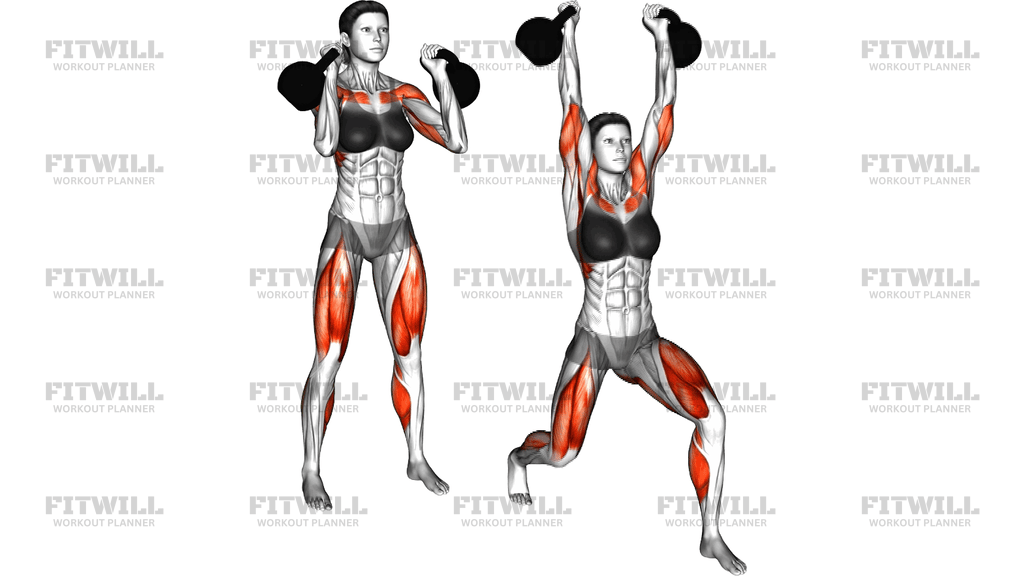
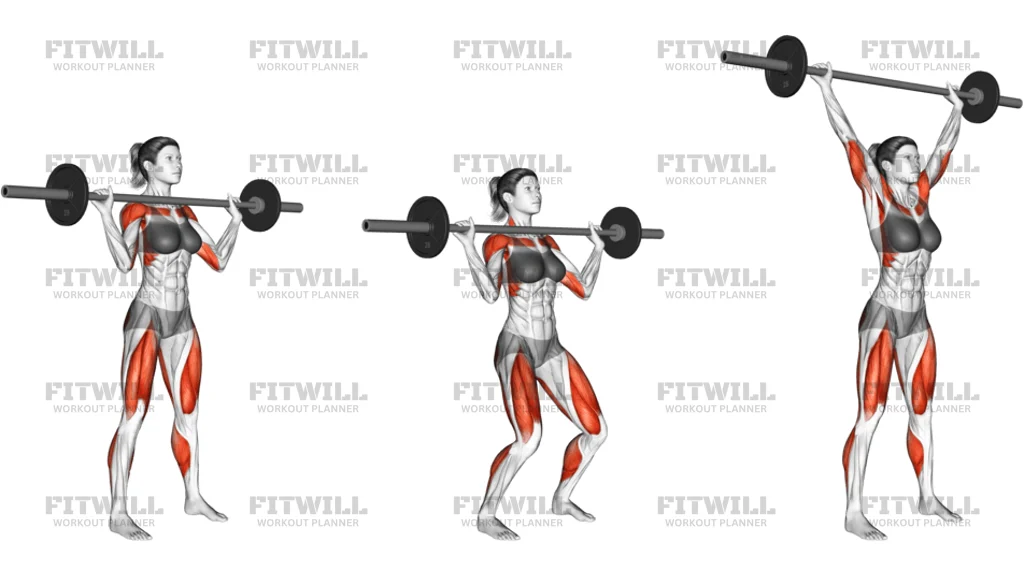
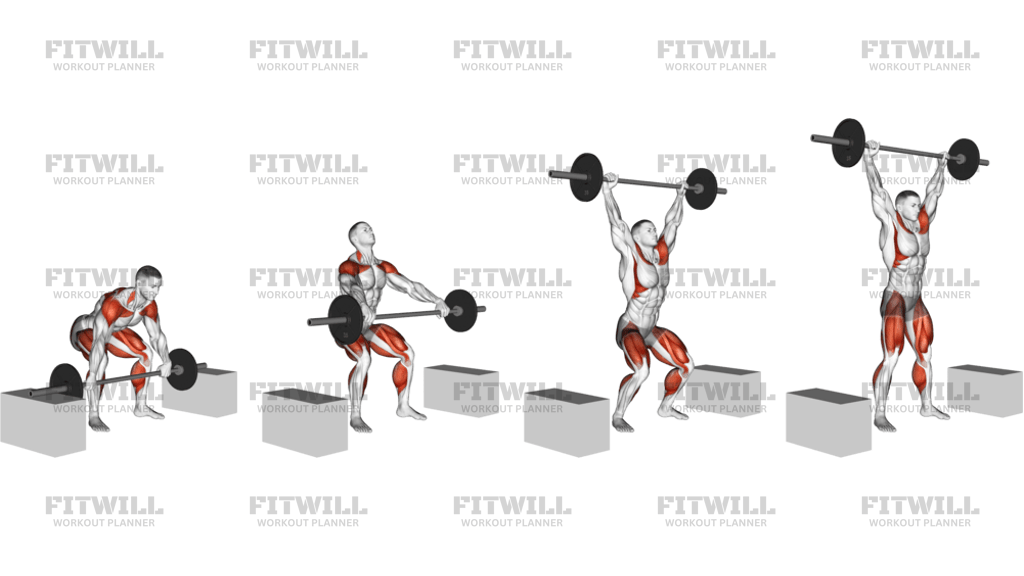
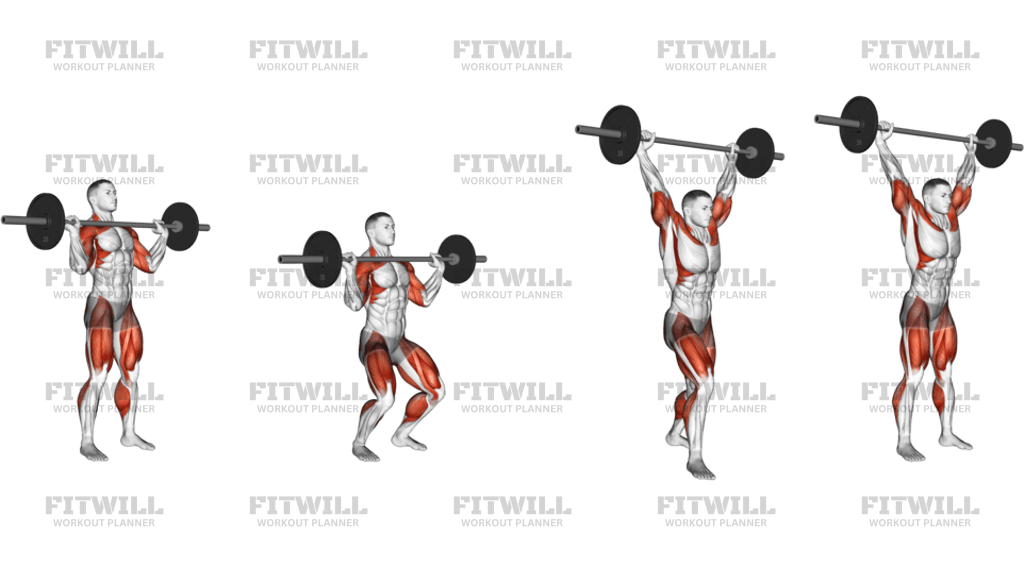
Strongman Front Chest Squat
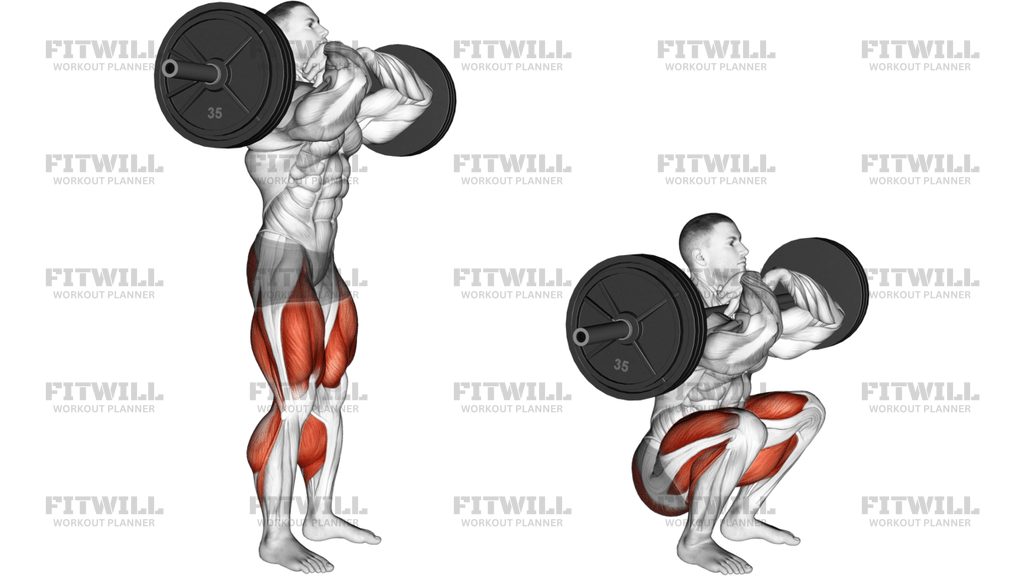
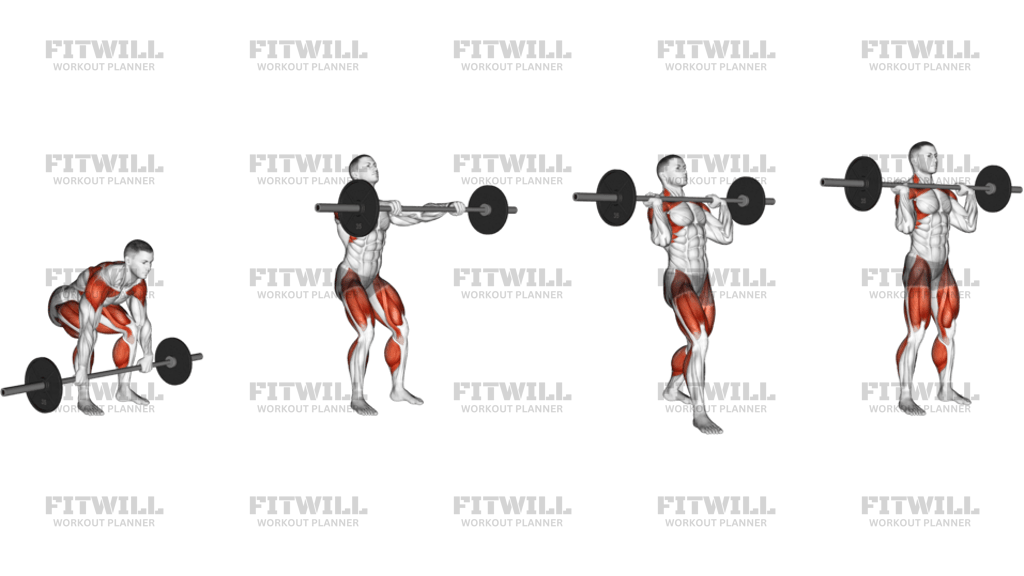
Strongman Front Chest Squat is a front-rack barbell squat that keeps the load in front of the body and asks the quads, upper back, and core to stay organized while you descend and stand up. The bar sits across the front of the shoulders rather than on the back, so the lift rewards an upright torso, a steady brace, and elbows that stay lifted through the whole rep.
Because the bar is in front, the movement usually feels more quad-dominant than a back squat and also demands a lot from the upper back and trunk. That front-loaded position makes the exercise useful for athletes and lifters who want strong leg drive without relying on a forward lean, but it also means the setup has to be precise before the first rep starts.
The front rack matters as much as the squat itself. The bar should rest on the front delts with the hands guiding it, not supporting all of the load in the wrists, and the elbows should stay high enough that the chest remains tall. A stance around shoulder width with the toes slightly turned out usually gives the hips and knees enough room to track naturally while the bar stays over midfoot.
On each repetition, inhale and brace before you descend, then sit between the heels with the knees tracking forward and out. Drive up by pushing the floor away and keeping the elbows from dropping, because a collapsing chest will pull the bar forward and turn the rep into a recovery rather than a clean squat. Control the lowering phase, stand with intent, and re-rack only after the bar is fully stable.
Use Strongman Front Chest Squat as a main squat variation, a quad-focused accessory, or a strongman-style front-loaded leg builder when you want front-rack strength and upright leg work. It is also a useful option when you want to train thoracic extension and trunk control under load. If the rack position bothers the wrists or shoulders, reduce the load, widen the grip, or use straps while still keeping the bar pinned to the shoulders.
[ Workout Log & Planner ]
Put your next workout in Fitwill
Keep your plan and training log ready when you are.


Instructions
- Set the bar across the front of your shoulders in a front-rack position, with the hands just outside shoulder width and the fingertips under the bar.
- Unrack the bar by lifting your chest, raising your elbows, and taking two small steps back to clear the hooks.
- Set your feet about shoulder width apart with the toes slightly turned out and your weight centered over the midfoot.
- Take a breath into your belly and brace before you bend your knees.
- Lower by sitting straight down between your heels while letting the knees travel forward and out.
- Keep your elbows high and your chest tall so the bar stays stacked over the middle of your feet.
- Descend to your deepest controlled depth, or stop slightly above parallel if your position starts to fold.
- Drive up by pushing the floor away, keeping the bar path vertical, and exhaling as you pass the sticking point.
- Walk the bar forward carefully and re-rack it only after you are fully upright and balanced.
Tips & Tricks
- If the front rack is limited by wrists or shoulders, use a slightly wider grip or straps so the bar still sits on the front delts instead of in the hands.
- Keep the elbows pointed forward and up on every rep; once they drop, the bar usually rolls toward the fingertips and the torso leans.
- Think about sitting between the heels rather than pushing the hips back, which helps the knees travel and keeps the chest more upright.
- If your heels lift, reduce the load or use a small heel raise so you can keep pressure through the whole foot.
- Let the knees move forward as long as the arches stay active; cutting the depth short usually happens when the shins are not allowed to travel.
- A brief pause at the bottom can expose a soft brace, so use lighter weight before adding load to this variation.
- Keep the bar over midfoot on the way down and up; if it drifts toward your toes, the rep turns into a survival squat.
- Stop the set when the upper back starts rounding or the elbows cannot stay high enough to hold the rack position.
- Lifting shoes or a small heel wedge can make the front-rack position feel much cleaner if ankle mobility is the limiting factor.
Frequently Asked Questions
What muscles does Strongman Front Chest Squat work most?
It mainly targets the quads, while the glutes, upper back, and core help keep the front-rack position stable and the torso upright.
Is Strongman Front Chest Squat the same as a front squat?
It uses the same front-rack squat pattern, with the bar resting across the front of the shoulders and the elbows kept high to stay upright.
Why do my wrists hurt in the front rack?
The bar should sit on the front delts, not hang from bent wrists. Try a slightly wider grip, use straps, or reduce the load until you can keep the elbows lifted without cranking the wrists back.
How deep should I go on Strongman Front Chest Squat?
Go as deep as you can while keeping your heels down, elbows up, and bar over midfoot. For many lifters that means parallel or slightly below, but only if the front rack stays clean.
Can beginners do Strongman Front Chest Squat?
Yes, but the front-rack position can be demanding, so beginners often do better starting with an empty bar, a goblet squat, or a light load before progressing.
What is the biggest mistake on Strongman Front Chest Squat?
Letting the elbows drop is the most common problem. Once that happens, the chest caves, the bar rolls forward, and the squat turns into a fight to stay balanced.
What if I keep falling onto my toes?
Shorten the stance slightly, keep the knees moving forward, and brace harder before the descent. A small heel lift or lifting shoes can also help keep the bar centered over the midfoot.
What can I use instead if the rack position bothers my shoulders?
Goblet squats, safety-bar squats, or heel-elevated dumbbell front squats are the closest substitutions if the front rack is the limiting factor.