Skater
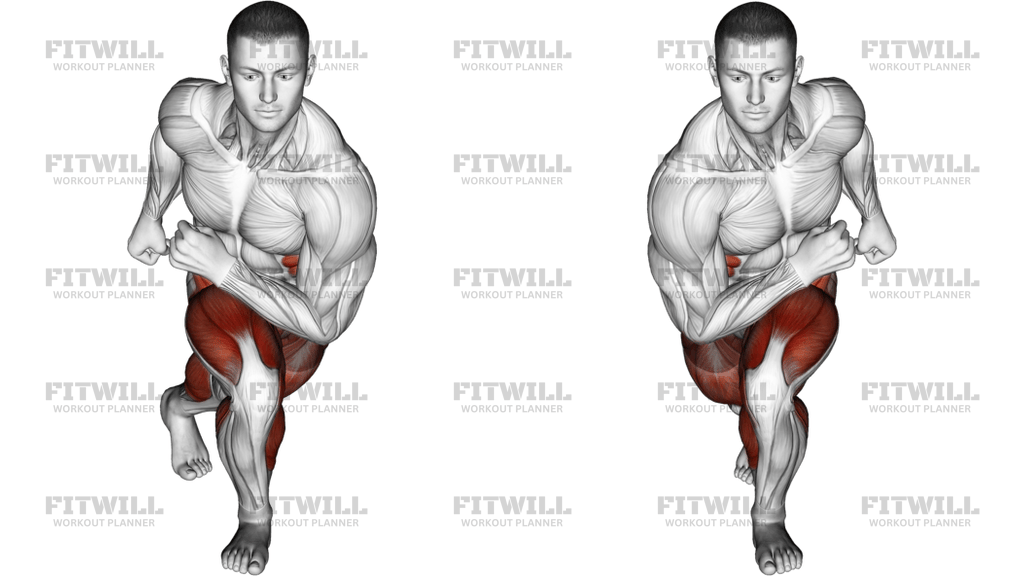
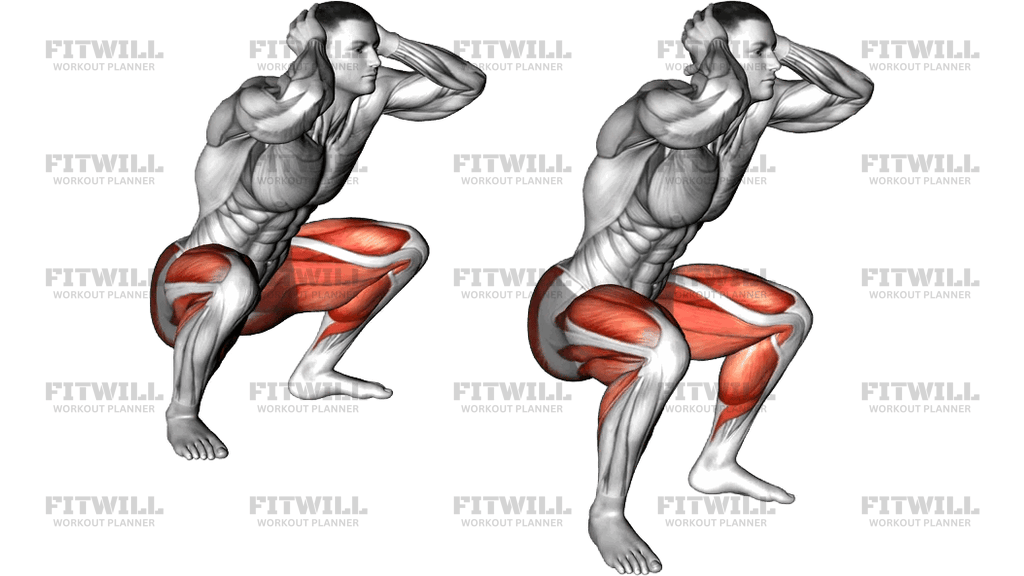
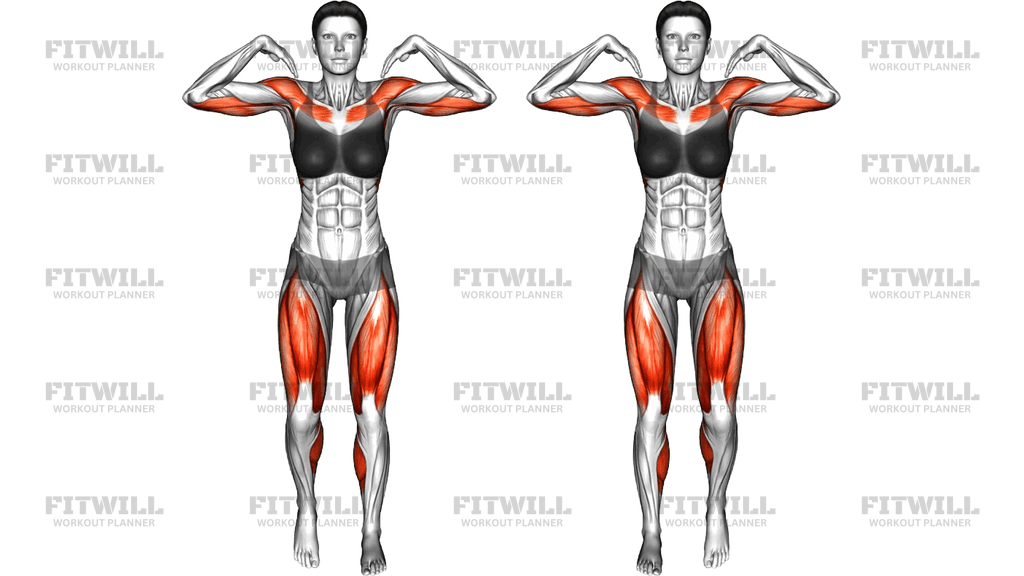
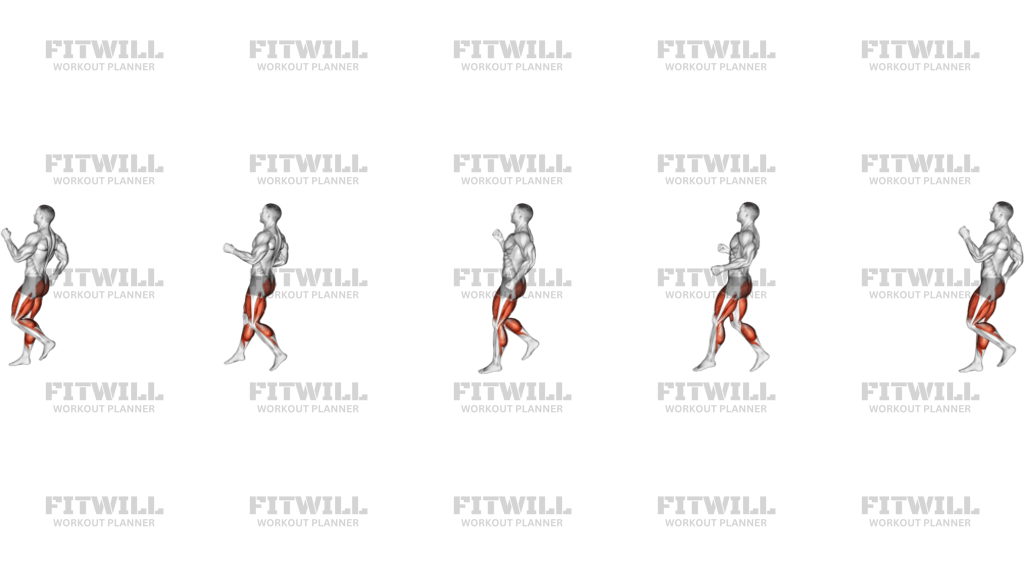
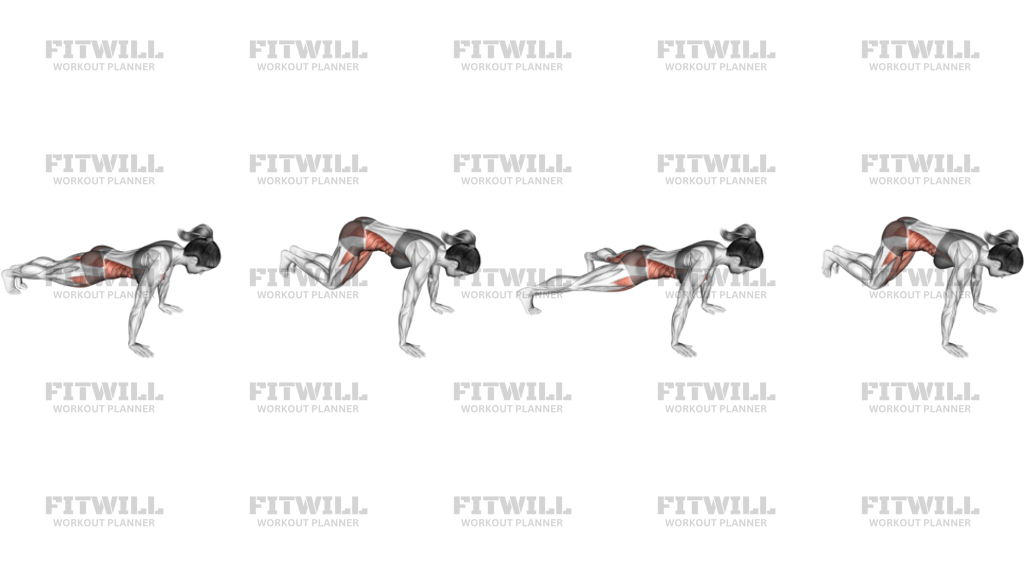
Skater is a bodyweight lateral jump that trains side-to-side power, balance, and lower-body conditioning. Each rep asks you to load one leg, push off powerfully, and land quietly on the opposite side while the free leg sweeps behind you like a speed skater. Because the movement is quick and multiplanar, the quality of the landing matters as much as the size of the jump.
The exercise is especially useful for building athletic control through the hips, knees, and ankles. You should feel the working side of the lower body absorb force as you land, then drive you back across on the next rep. The core and upper body help you stay organized, but the real job is done by the planted leg and the hip stabilizers that keep the pelvis from collapsing.
Good setup makes the movement safer and more effective. Start in a soft athletic stance with your chest slightly forward, hips back, and knees bent enough to spring sideways without over-squatting. Keep your eyes forward, brace lightly through the trunk, and let your arms swing across the body to help create rhythm. If you start too upright, the landing becomes stiff; if you drop too low, the rep turns into a slow squat instead of a skater jump.
On each repetition, travel laterally, land on one foot, and let the opposite leg cross behind for balance without dumping your weight into the trailing side. The planted foot should point mostly forward or slightly outward, and the knee should track over the toes as you absorb the landing. Use the floor to decelerate, then rebound into the next jump only if you can keep the landing quiet and controlled.
Skater is a strong choice for conditioning blocks, warmups before running or court sports, and lower-body sessions where you want power plus coordination. It is also easy to regress with shorter step-outs instead of jumps or to progress with greater distance and more speed. Stay honest with the landing mechanics, because the benefit comes from clean side-to-side force production, not from chaotic hops or extra height.
[ Workout Log & Planner ]
Put your next workout in Fitwill
Keep your plan and training log ready when you are.


Instructions
- Stand in a light athletic stance with your feet under your hips, knees bent, chest slightly forward, and arms relaxed in front of your torso.
- Shift your weight onto one leg and load that hip as if you are preparing to push off sideways.
- Drive explosively to the opposite side, swinging your arms across your body to help you cover ground.
- Land softly on one foot with the knee tracking over the toes and the pelvis staying level.
- Let the free leg sweep behind the planted leg for balance without letting it steal the landing.
- Absorb the force through the hip and knee, then hold the landing for a brief moment if you need to control the movement.
- Push off again only after the planted leg feels stable and quiet.
- Continue alternating sides for the planned number of reps while breathing out on the push and inhaling as you prepare the next landing.
Tips & Tricks
- Think of the landing as a balance test: the working foot should stay planted and quiet before you rebound.
- Keep the chest slightly forward so the hips can sit back and absorb force instead of jamming the knees.
- Use a smaller hop if the knee caves inward or the torso twists as you land.
- Let the arms swing naturally across the body; pinning them still usually kills speed and rhythm.
- The trailing leg should cross behind for counterbalance, not kick out wide behind you.
- Pick a floor space that gives you enough room to travel side to side without clipping furniture or other equipment.
- If the landings are loud, shorten the jump and focus on deceleration through the hip and ankle.
- Stop the set when each rep turns into a shuffle, because the exercise stops training power once the rebound disappears.
Frequently Asked Questions
What does the Skater exercise train?
It trains lateral power, lower-body conditioning, balance, and control through the hips, knees, and ankles.
Which muscles work hardest during a Skater jump?
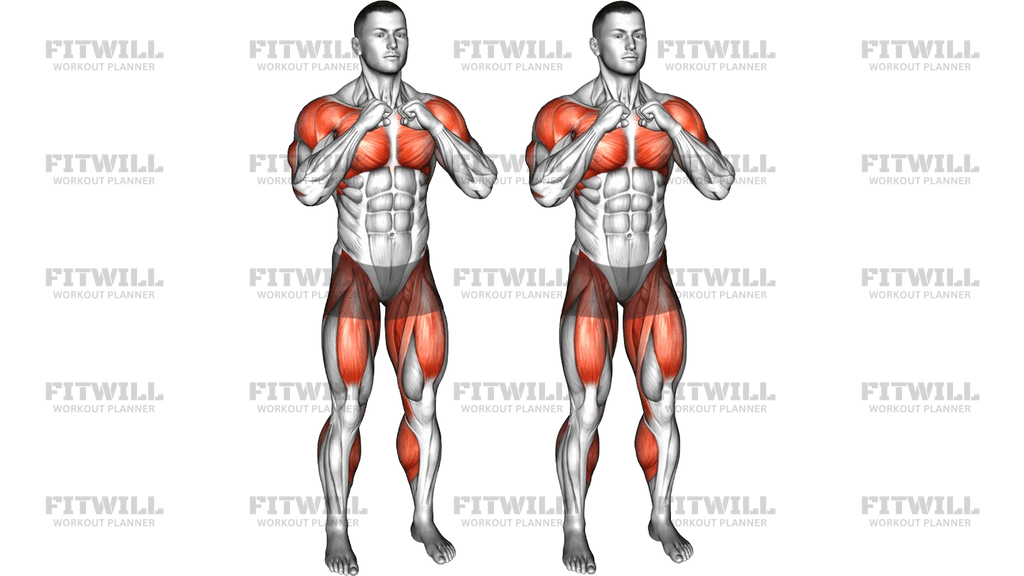
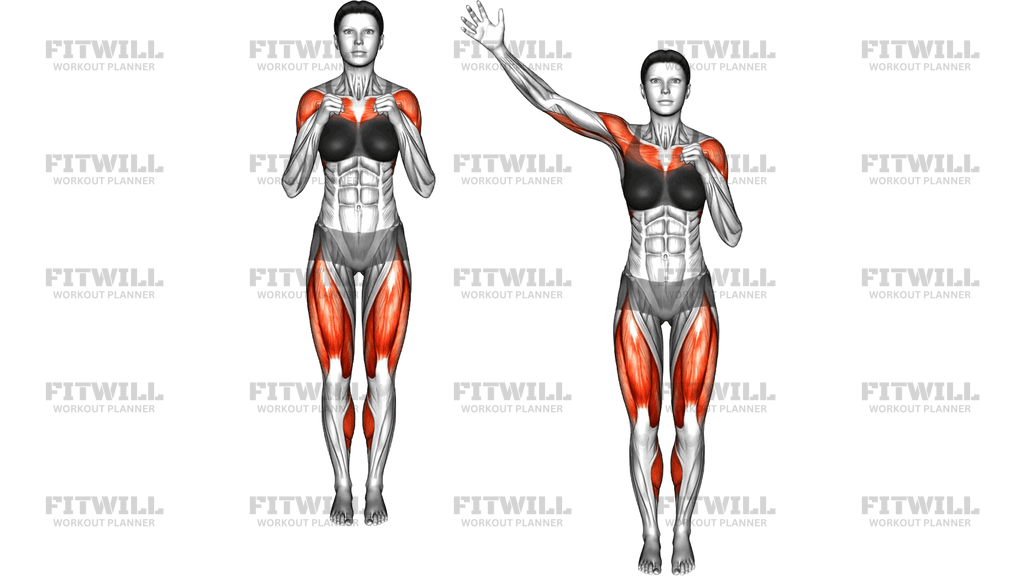
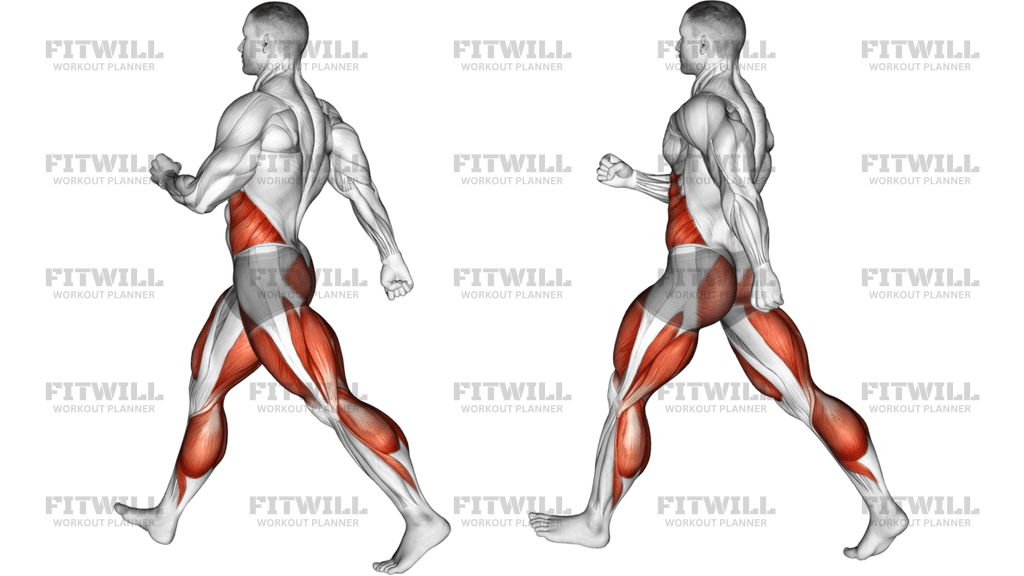
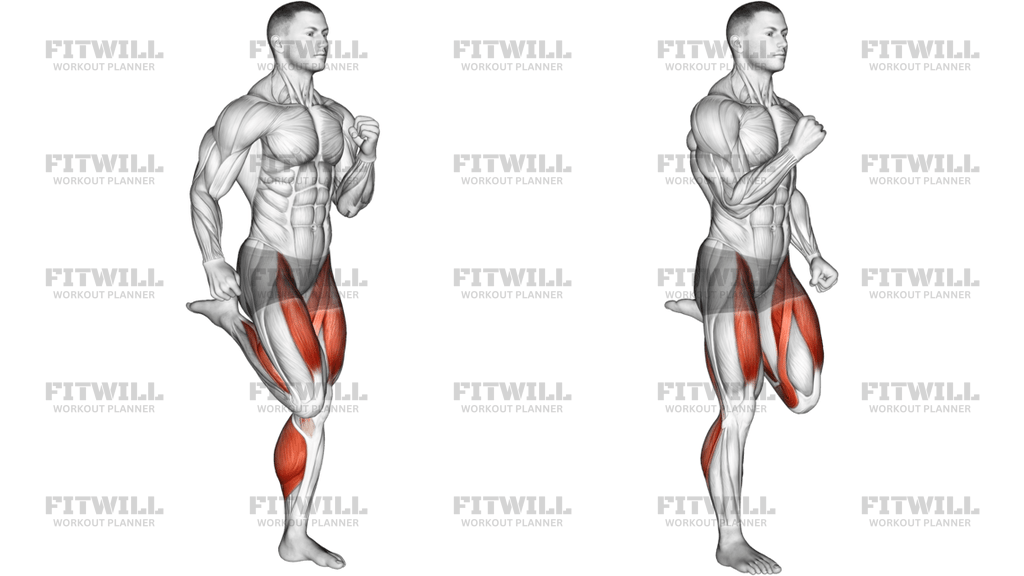
The glutes, quads, hamstrings, calves, and hip stabilizers do most of the work, with the core helping you stay aligned.
How should my landing look on the planted foot?
The knee should track over the toes, the foot should stay flat or softly rolling through the landing, and the hips should stay level.
Should my free leg touch down behind me?
No. It should sweep behind the body for balance, but the load should stay on the landing leg.
Is Skater a good beginner exercise?
Yes, if you start with short side steps or small hops and focus on soft, controlled landings before chasing speed.
What is the biggest form mistake?
Most people jump too far or land too stiff, which makes the knee cave in and turns the rep into a noisy crash instead of a controlled landing.
How can I make the exercise easier?
Reduce the distance, pause after each landing, or step side to side instead of jumping.
What is a useful way to progress Skaters?
Add distance, increase tempo only if the landings stay quiet, or use repeated bounds for more conditioning demand.